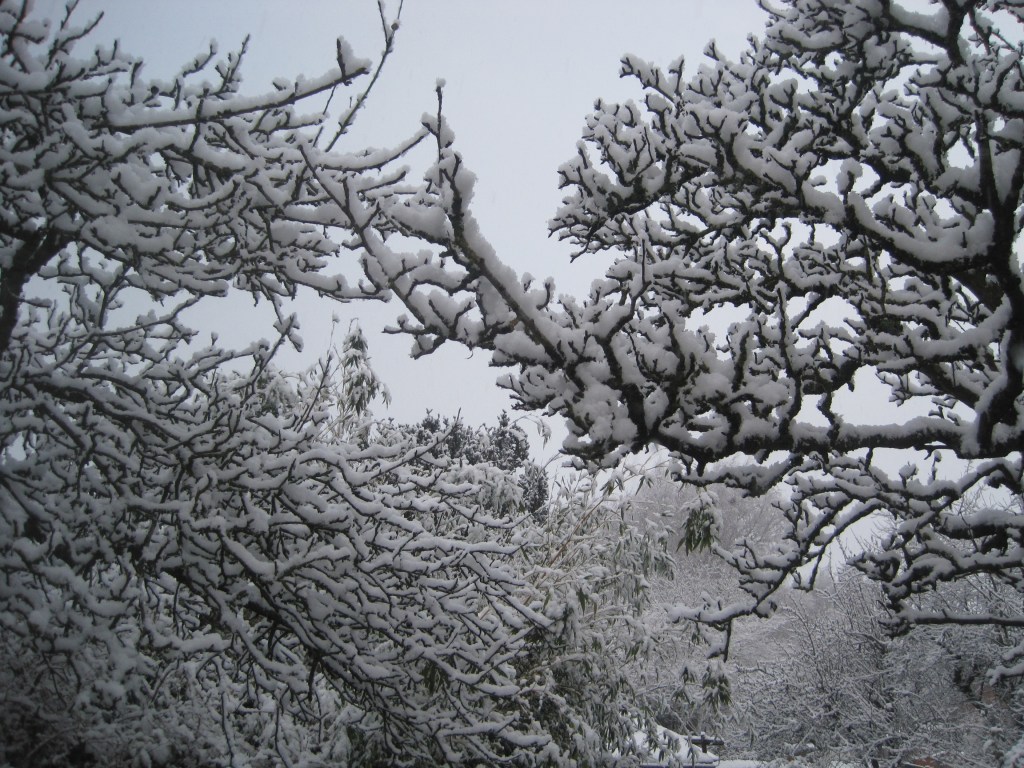
Most trees are completely bare now. The leaves have fallen and have blown away to lie in heaps until the earth reclaims them. But how beautiful those trees are without their green foliage.
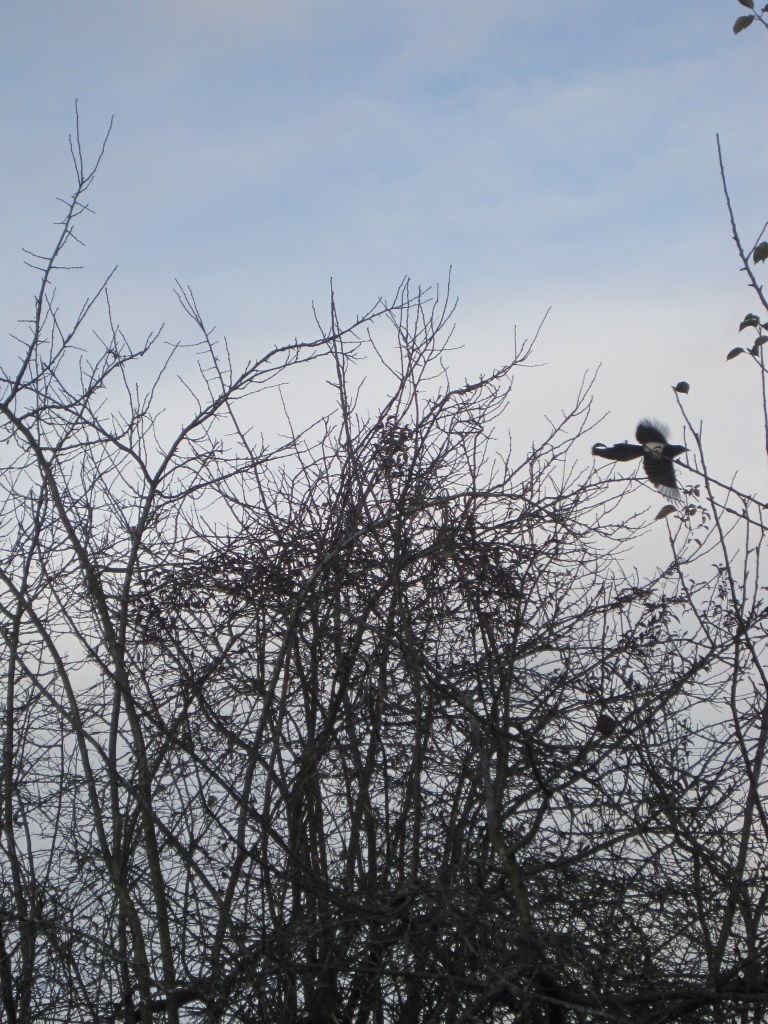
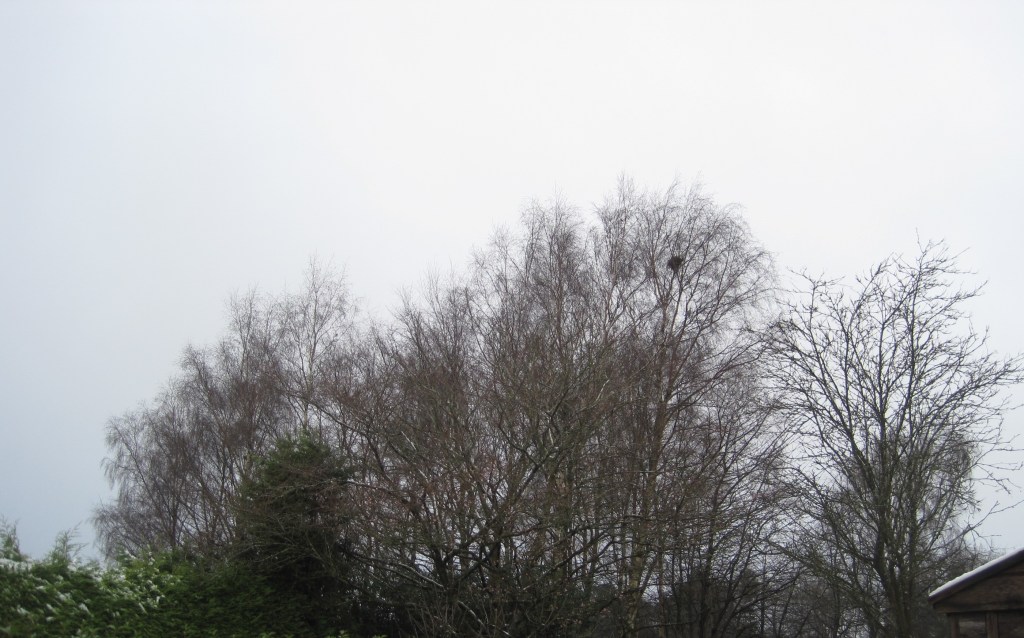
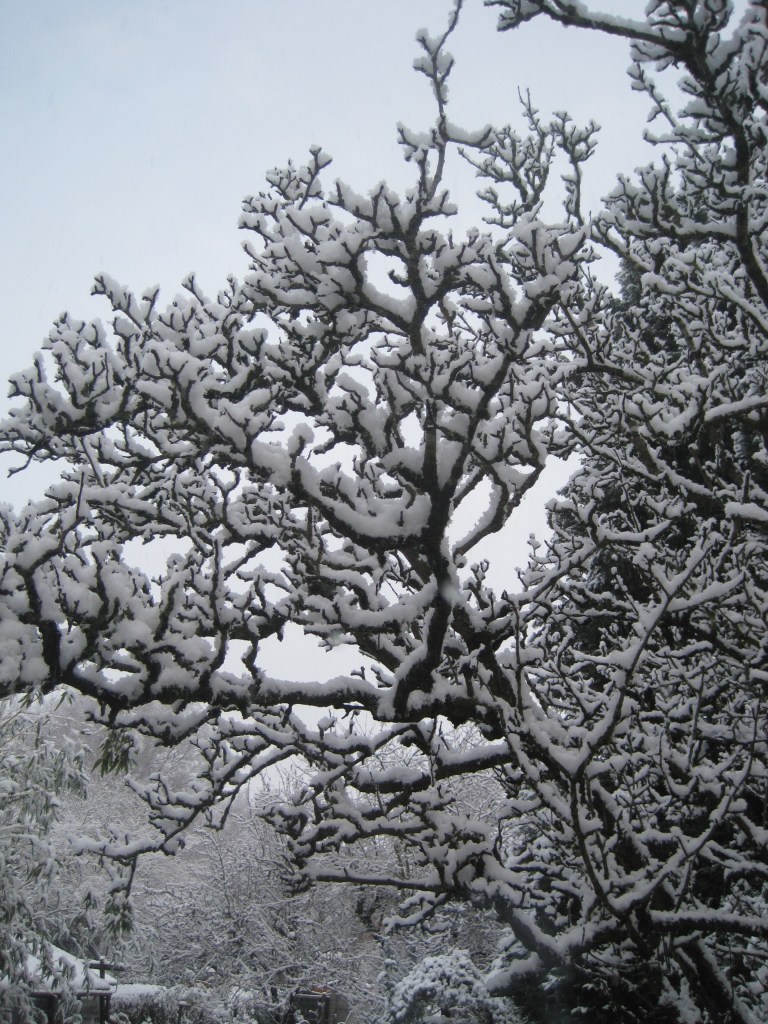
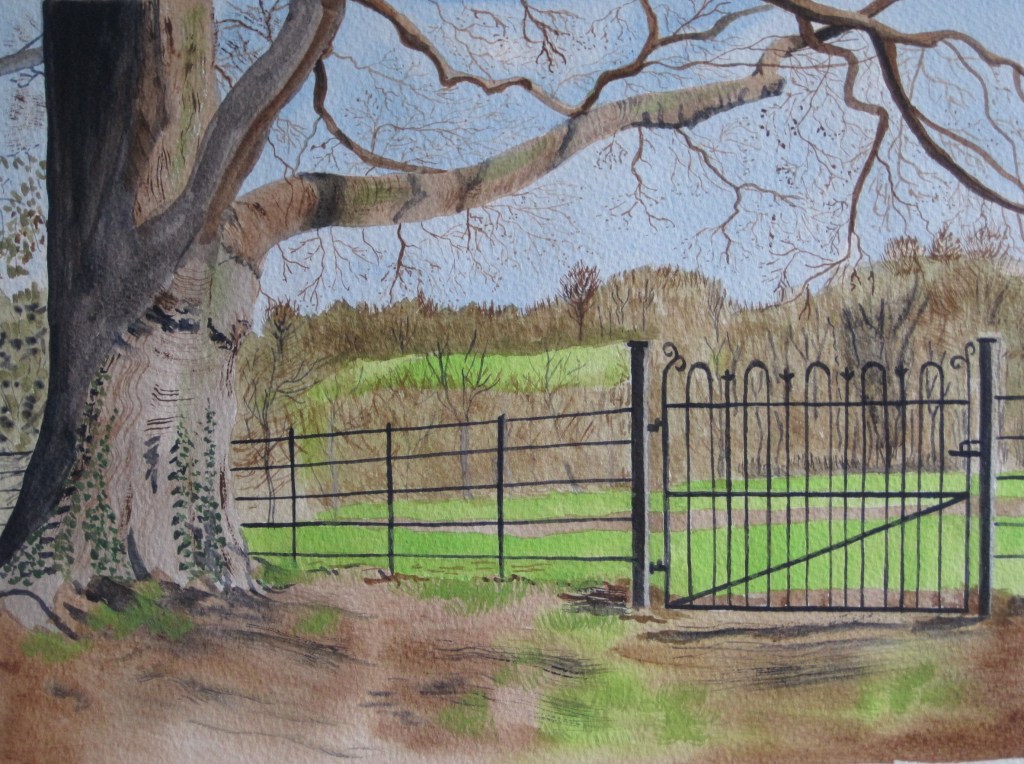
The little painting above is one I did of a favourite tree at Dudmaston Hall in Shropshire. The structure of the branches and the sturdy trunk are clearly defined in the colder months. Here’s a poem I wrote about winter trees.
Winter Trees

The naked trees stand proud and tall,
Dark silhouettes against the sky.
The rooks gather and loudly call
From their vantage points on high.
Every branch and each little twig
Is stiffened for good reason,
Matured from Summer's sappy growth
And fit for Winter's season.

Assailed by frost, rain and snow,
Pounded by every stormy wind
That through their branches often blow,
Their gaunt forms are stripped and thinned.
And yet stripped back and laid bare
Their beauty is so outstanding.
It makes me want to stand and stare,
The view is so commanding.
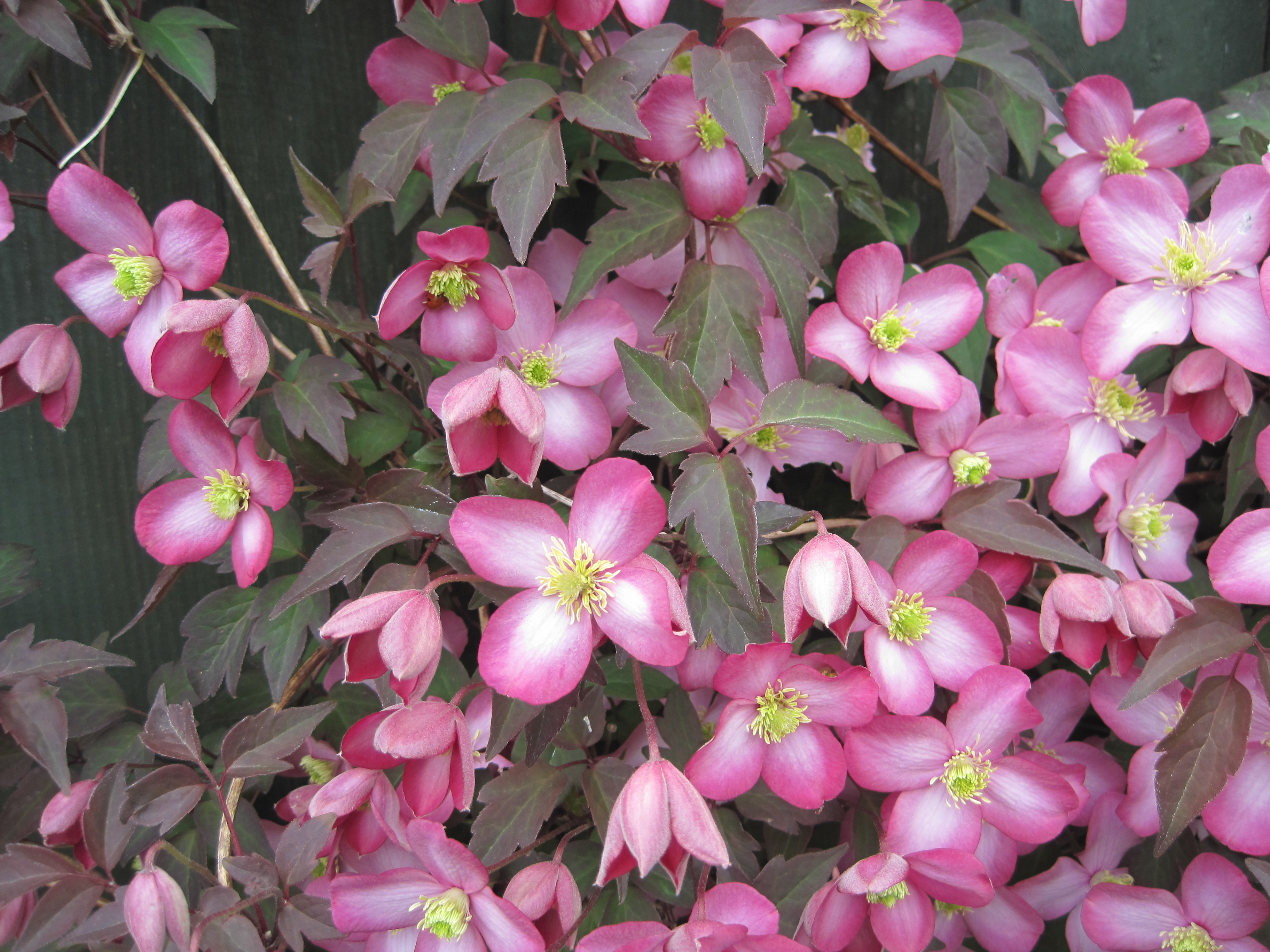
The snowdrops are pushing up and little white flower buds are just peeping out. The hellebores are opening their beautiful flowers, so delicately pretty and yet as tough as old boots. The frost, rain and snow have not bothered them at all.
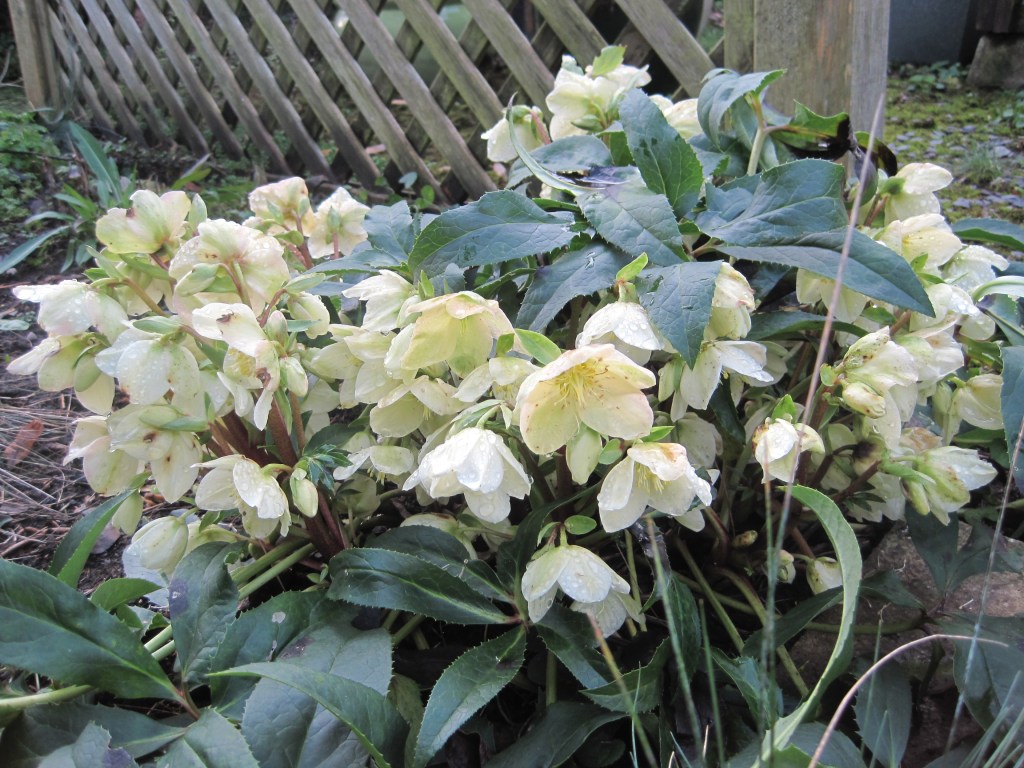
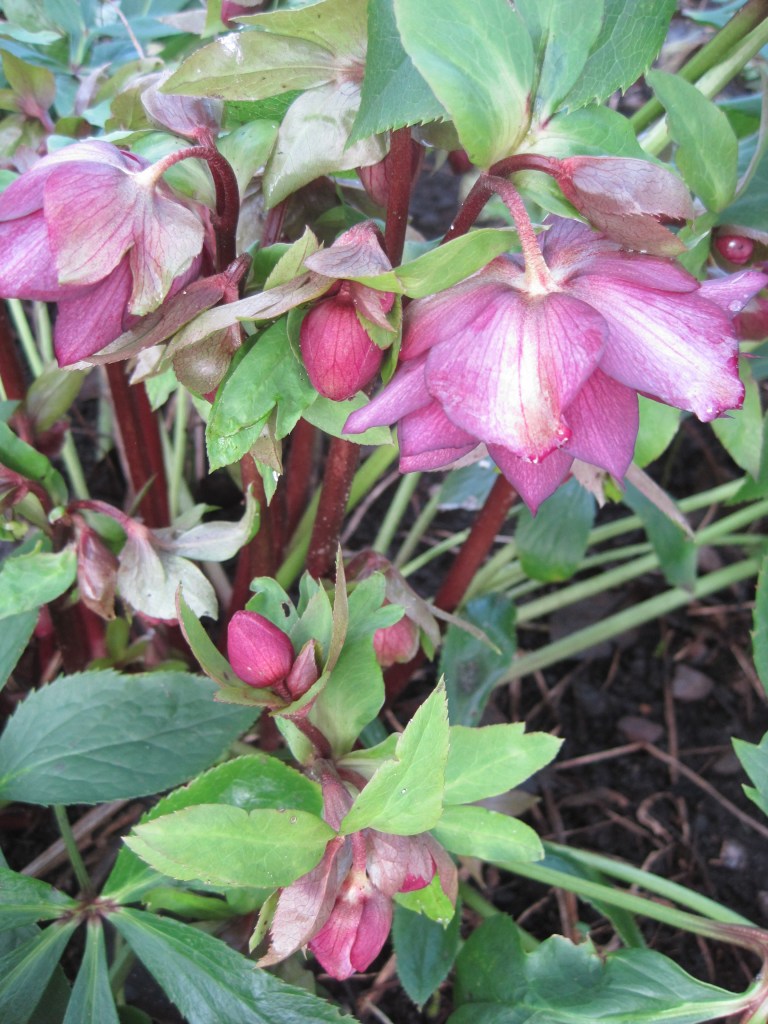
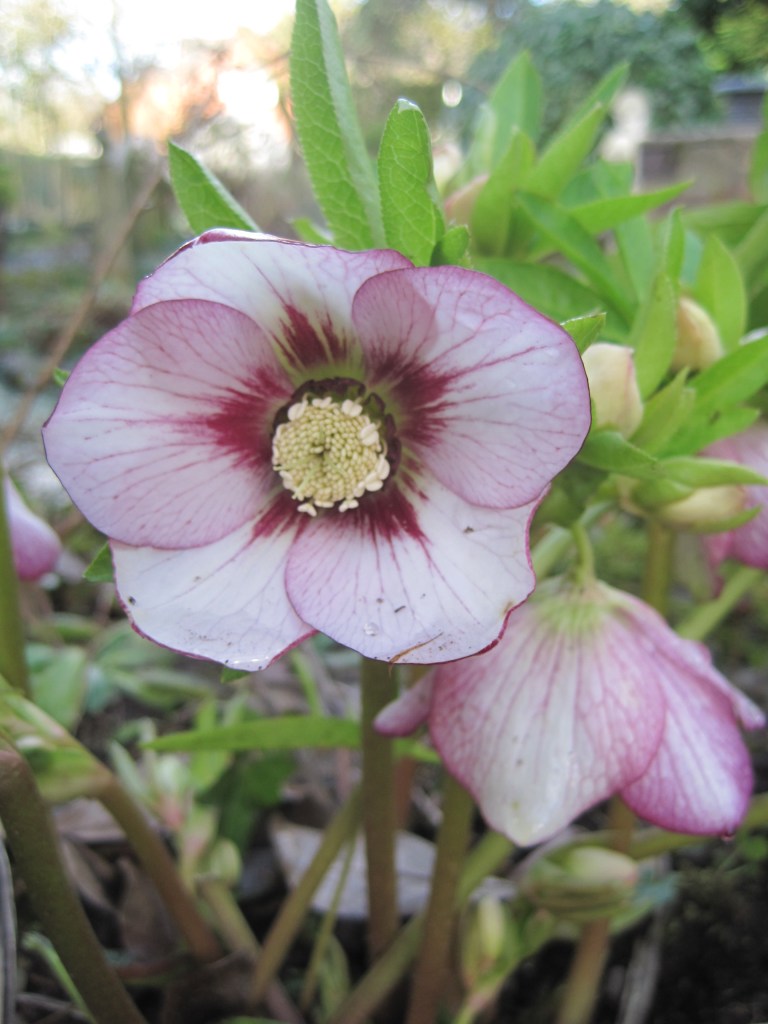
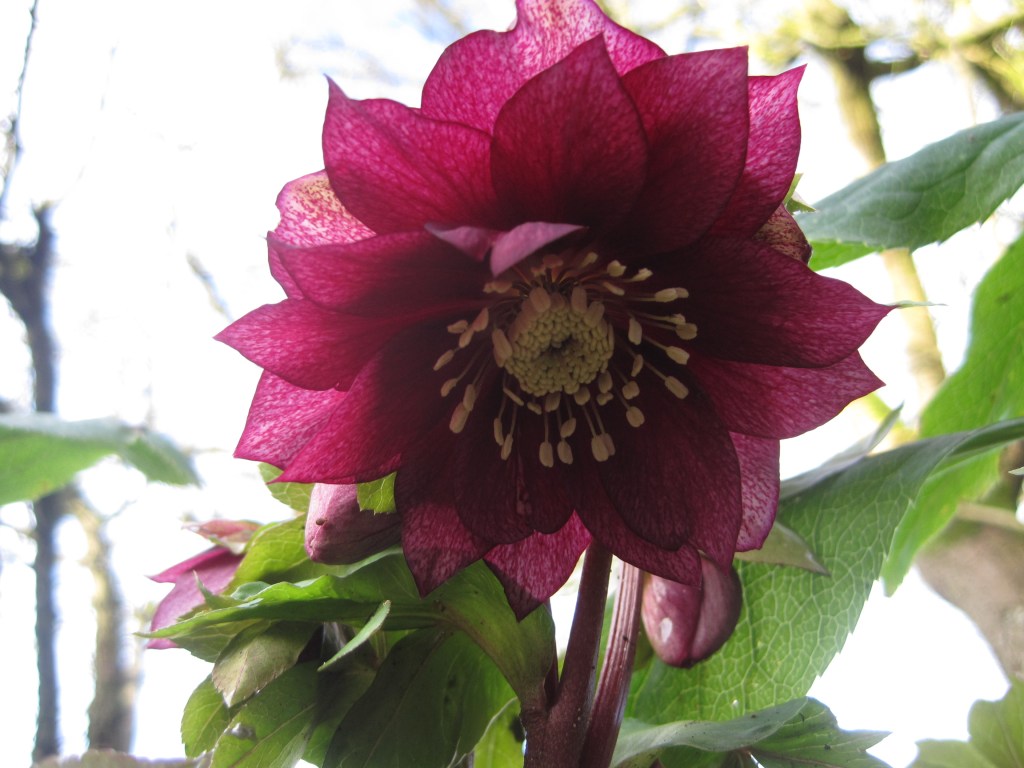
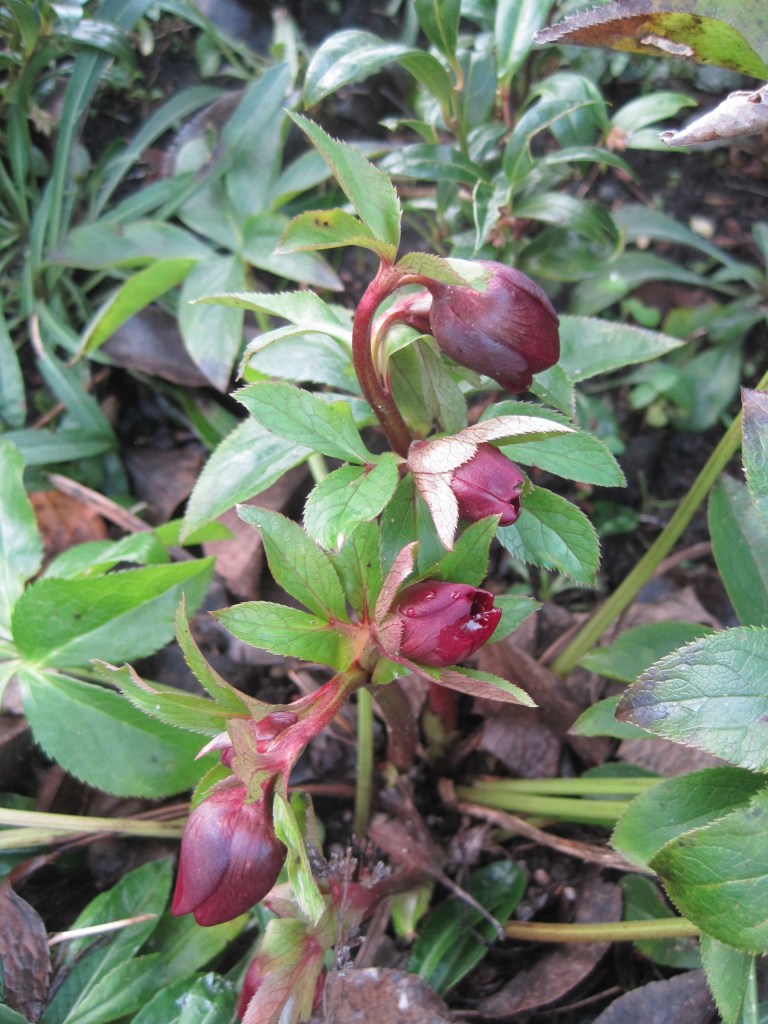
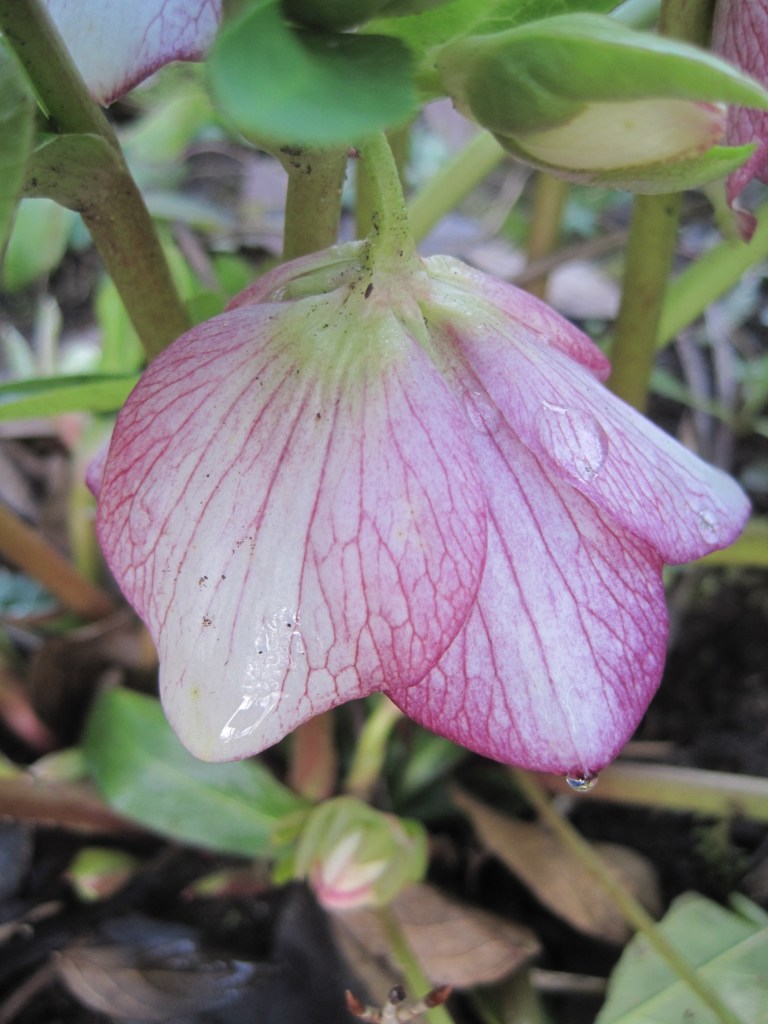
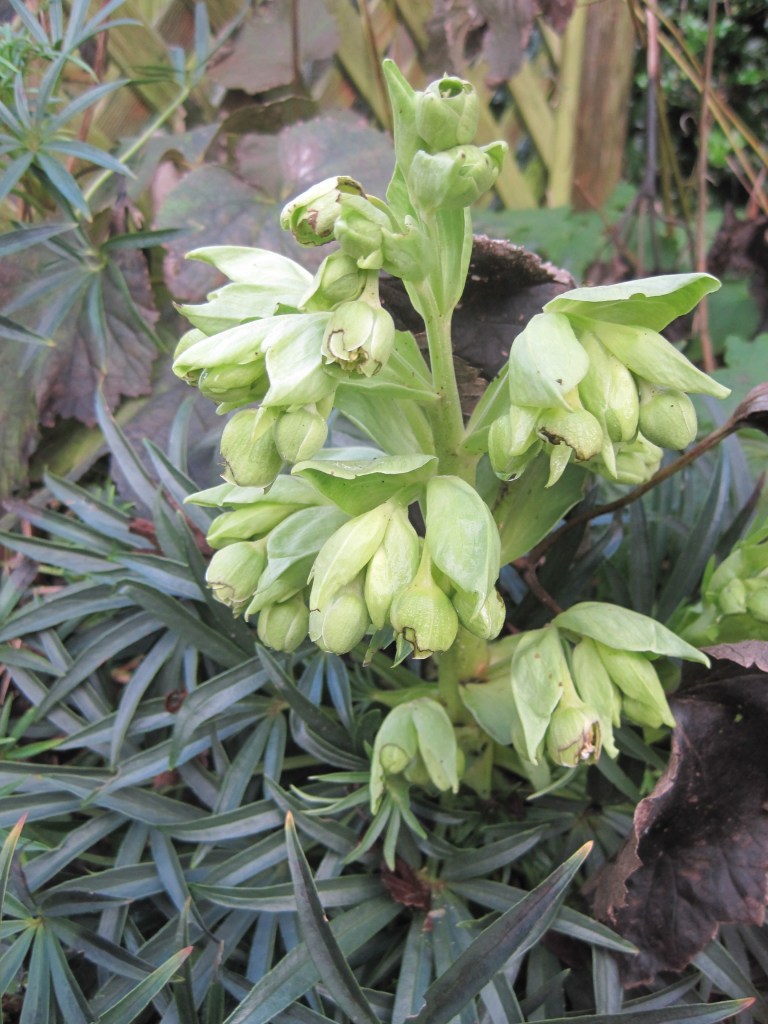
The hellebores I show here are old favourites but I have some new ones I planted last year which I’m looking forward to seeing. They have a few buds but might take a while to mature.
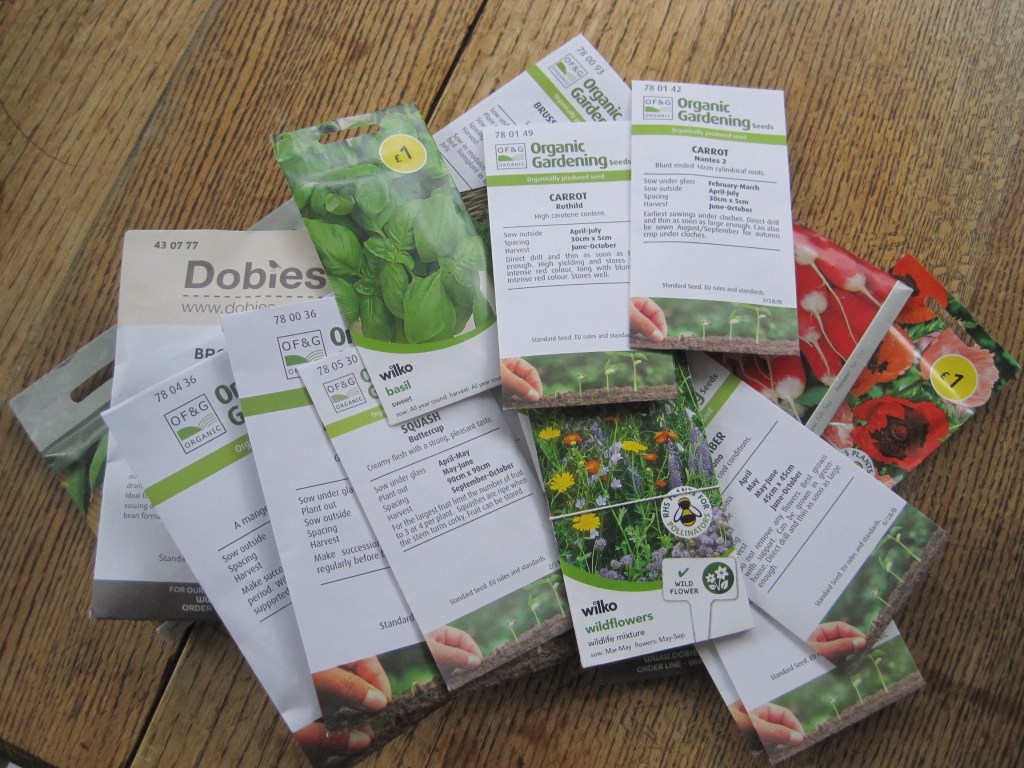
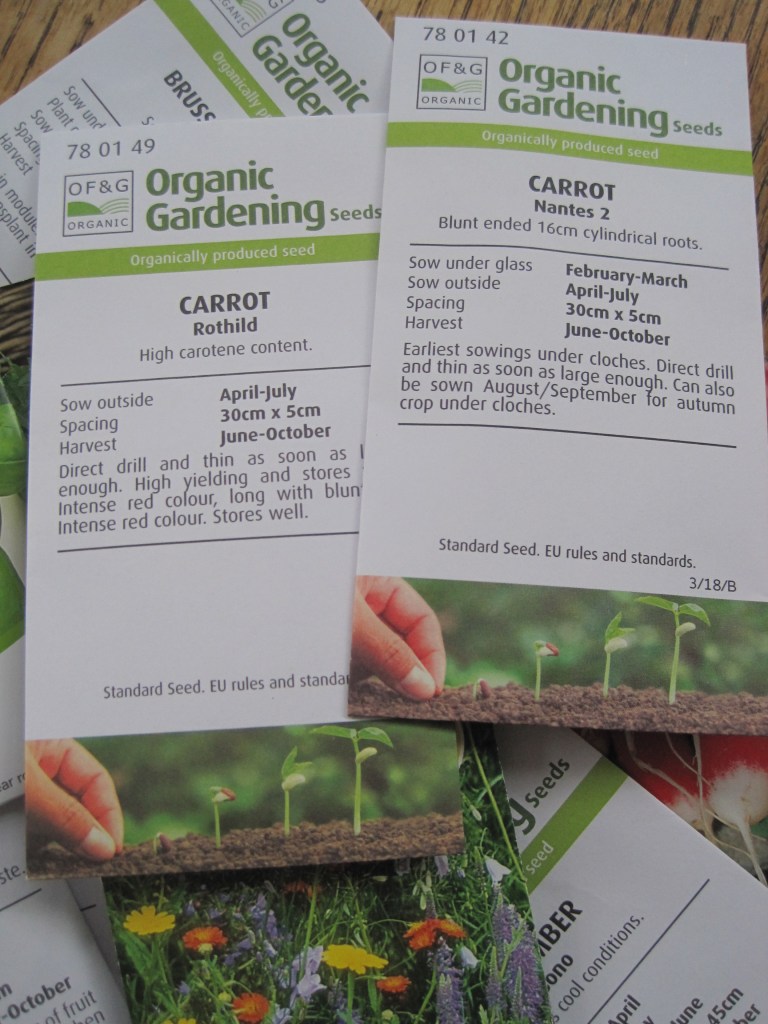
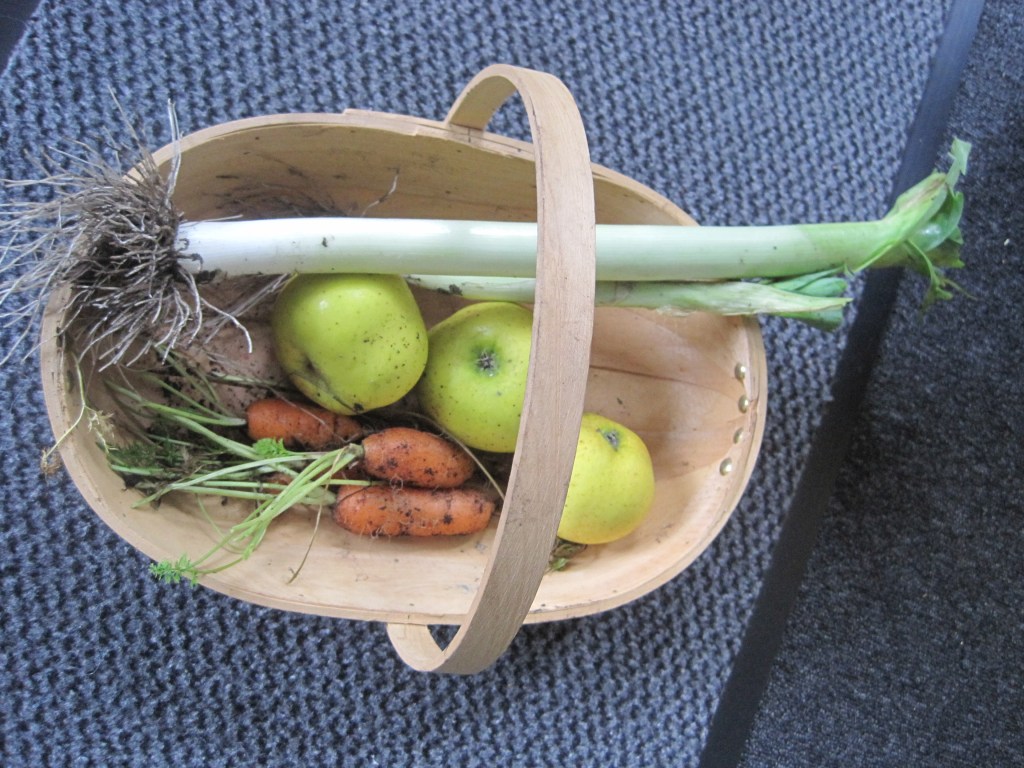
Over the last few weeks I’ve been thinking ahead to the new year’s planting. Mostly tried and tested vegetables, ones we especially enjoy and which seem to thrive in our difficult conditions. The soil is poor and sandy and the bottom of the garden slopes slightly to what gardeners call a “frost pocket” so no fuss-pots allowed here. Anything exotic can be left to southern gardens with plenty of sunshine and a long season.
I might try celeriac again though. I did grow some years ago and although they were tiny it was encouraging. They are a lovely celery flavoured veg which are nice raw or cooked. Our soil has had a lot of pampering since then and I’m a much more experienced gardener than I was the first time around so who knows? Might get better results.
At this time of year I often make jam. It’s the best time to do it when it’s cold outside and the kitchen is a welcome retreat. I save any excess fruit throughout the summer and freeze them. Strawberries, apples, plums, redcurrants, gooseberries and blueberries. Then I mix some together to make a really tasty jam.
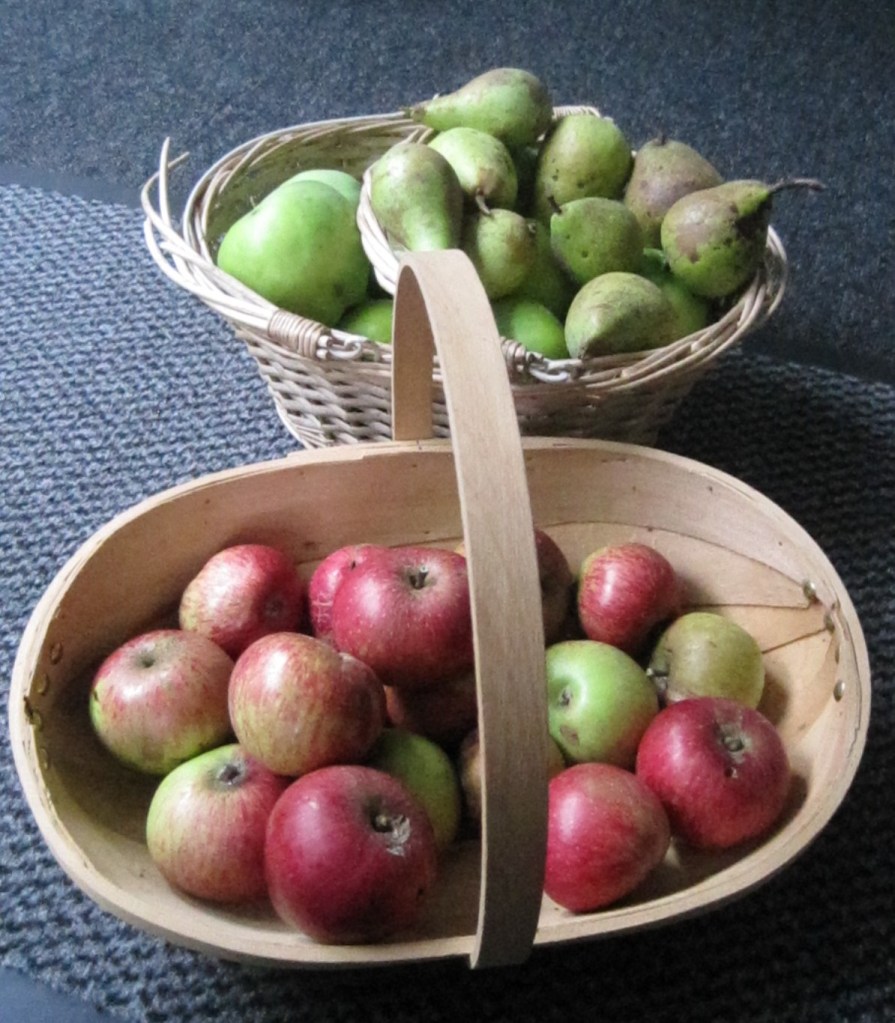
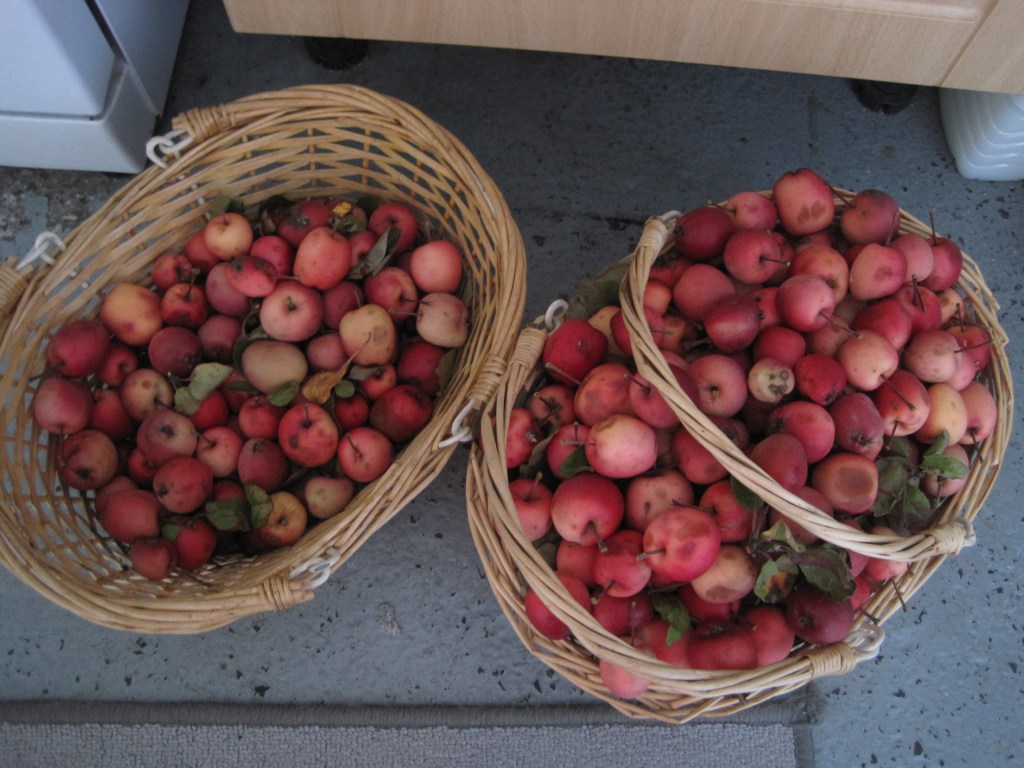
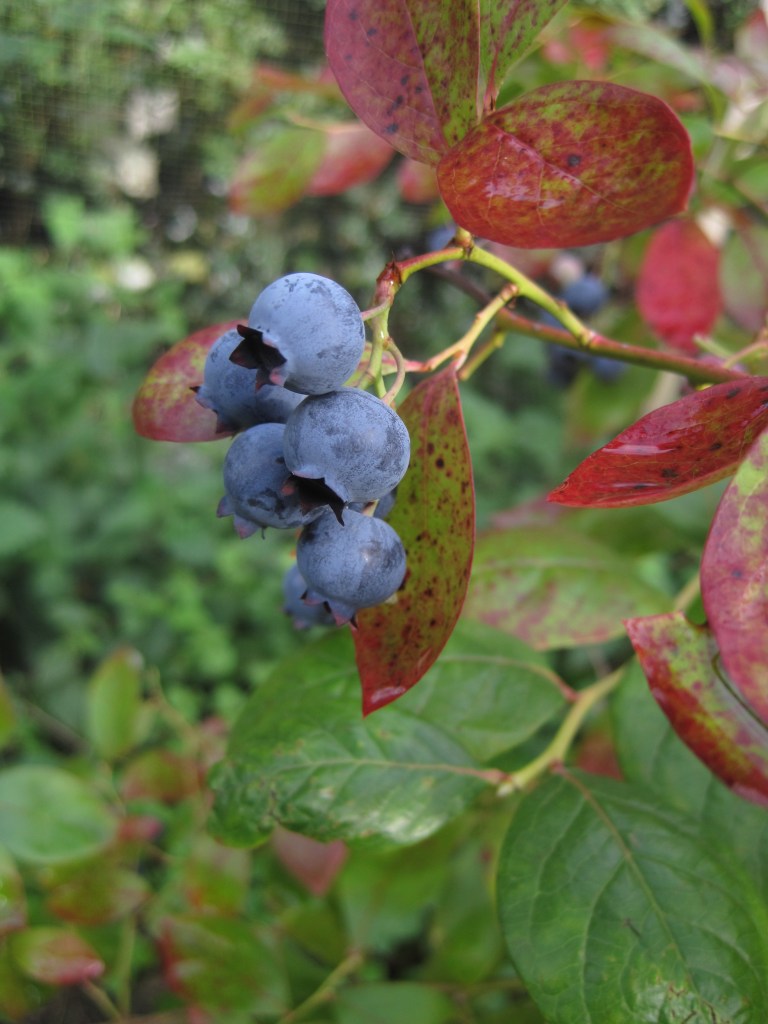
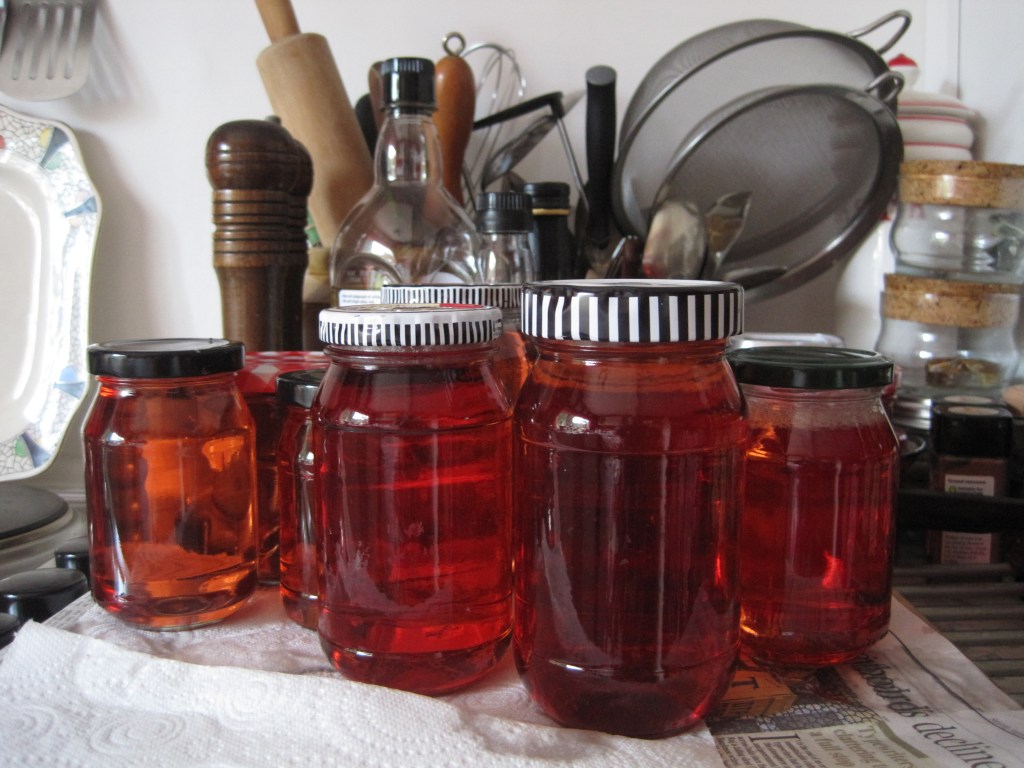
Sometimes I make crab apple jelly as in the photo above, but that’s another story.
My favourite jam is strawberry but a close second is my mixed fruit. You simply can’t buy that. It’s unique. Commercial jams are usually separate fruit flavours so the combination of garden fruit is deliciously different and the texture is so much more substantial. The apples help the setting process because they have a lot of pectin.
It’s easy to make jam as long as you’re organised before you start. I weigh the fruit and add roughly the same weight of sugar. Apples help it to set but you can also buy jam sugar which has pectin added. Don’t believe anybody who tells you to add lemon juice. There is no pectin in lemon juice however nice the flavour may be! You can of course just use ordinary granulated sugar but you might have to boil a bit longer to set it.
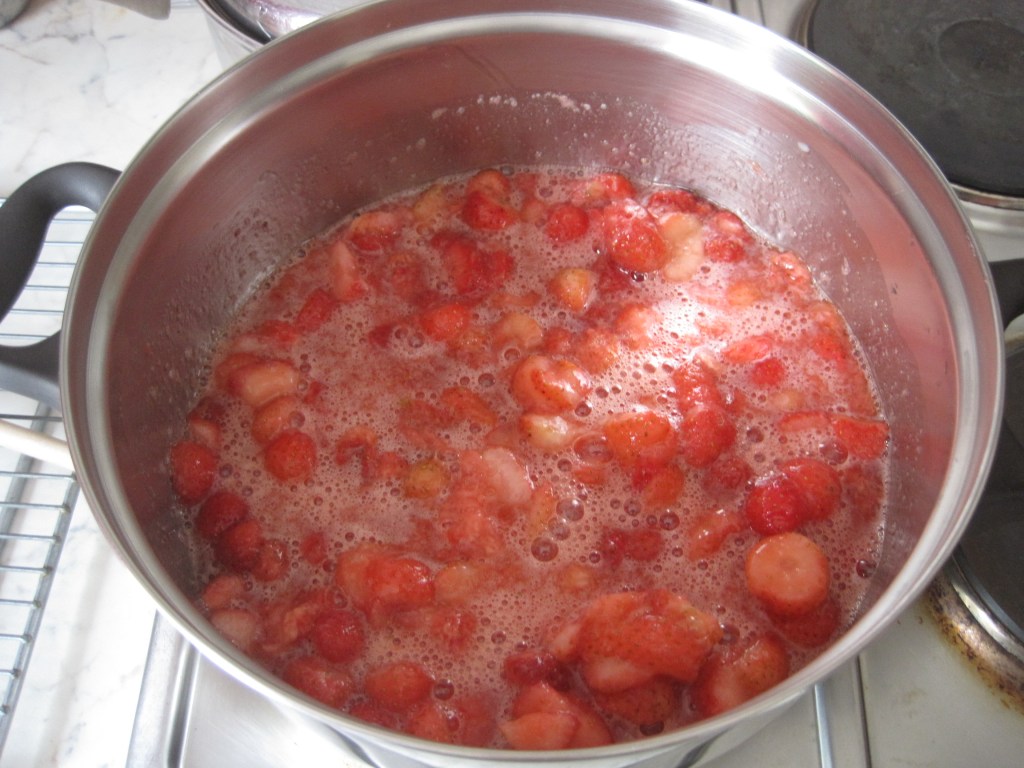
The fruit needs to be gently stewed in a small amount of water so that you draw out the maximum amount of juice and soften the skins.
While the fruit stews and before the sugar goes in it’s a good idea to assemble all the equipment. A large stock pan will do if you haven’t got a jam pan. Mine will take about 3 and a half pounds (about 1 and a half kilos) of fruit and corresponding sugar.
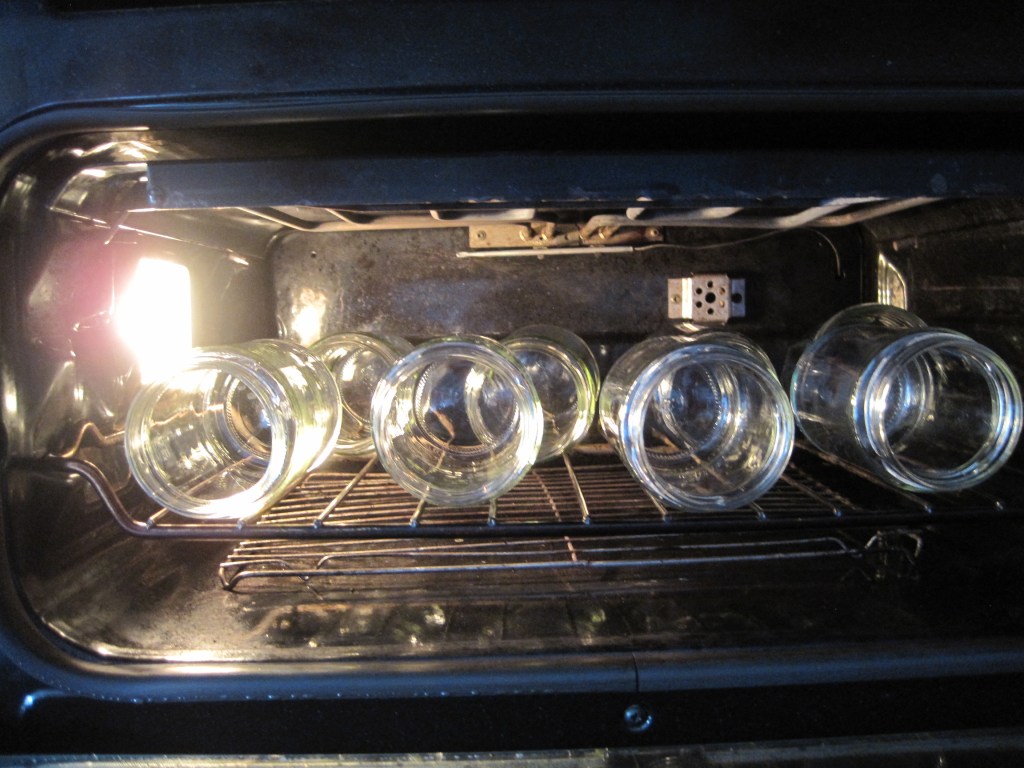
This makes about 5 jars of jam so I wash 6 just in case and I rinse thoroughly then place them in a cold oven and switch it to a low heat. The lids need to be dried on kitchen paper and put somewhere warm while the jam is cooking. Luckily I have a heater in the kitchen which is ideal for this.
I place a large wooden chopping board next to the hob with a layer of newspaper and some kitchen paper so that the hot jars won’t be shocked by a cold surface when I ladle in the jam.
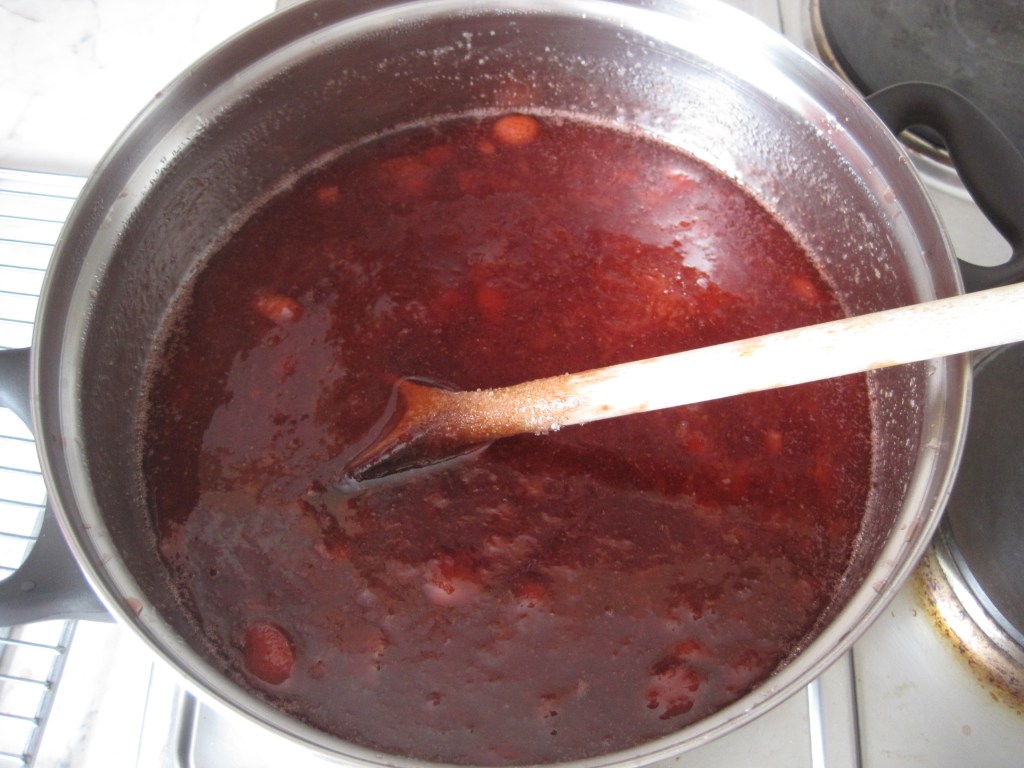
When the fruit is ready stir in the sugar until it has dissolved. Bring the sweetened fruit to the boil and allow to boil rapidly until it’s beginning to set. This might take 20 to 30 minutes so needs a stir now and then to stop it from sticking to the bottom of the pan. A very long handled spoon is a help with this as the jam spits and bubbles vigorously. Hot jam on the hand or arm is a serious business.
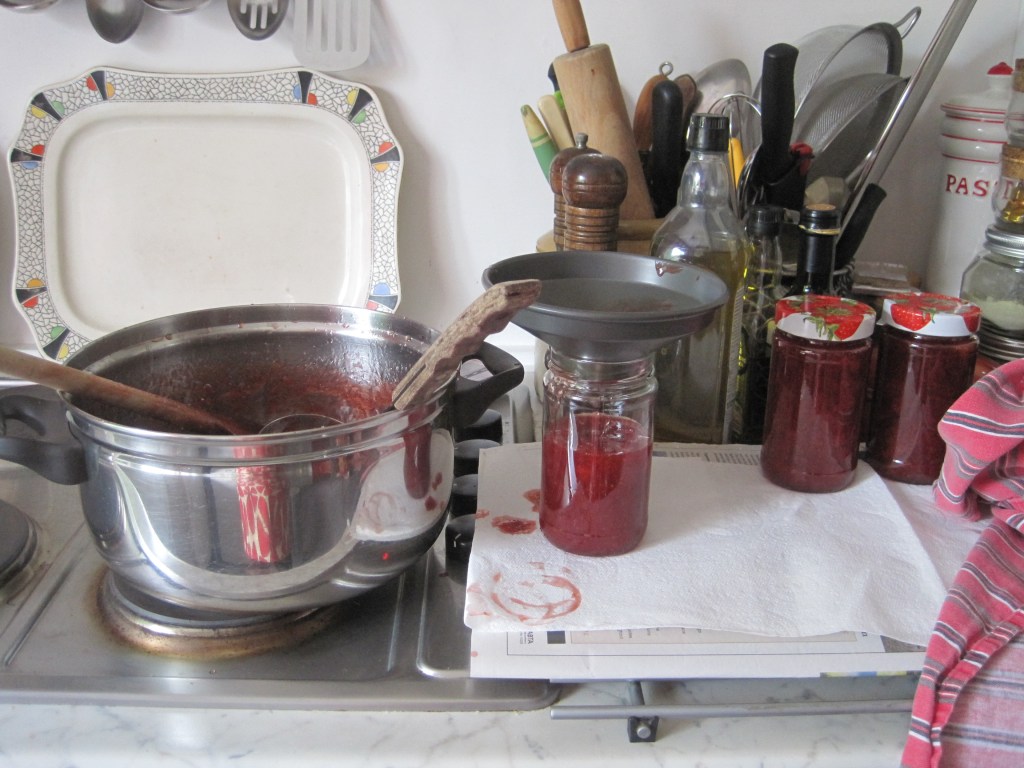
From time to time, after 10 to 15 minutes, place a small amount of the jam onto a cold plate and allow it to cool for a minute. When the surface begins to wrinkle the jam is setting and ready to put into the jars. A funnel which fits into the mouth of the jar helps to keep the side of the jar clean.
Keep the jam warm and stir any air bubbles back into the jam. No need to remove what’s often described as the scum. It isn’t scum, it’s air and will disappear as you stir. Ladle the hot jam in, leaving a small space at the top and screw the lid on firmly using a cloth to protect your hands.
As the jam cools in the jars you should hear a pop as a vacuum is formed which seals the lid. If this happens the jam will keep indefinitely because air can’t get into the jar.
Perhaps these photos of my strawberry jam will explain the process.
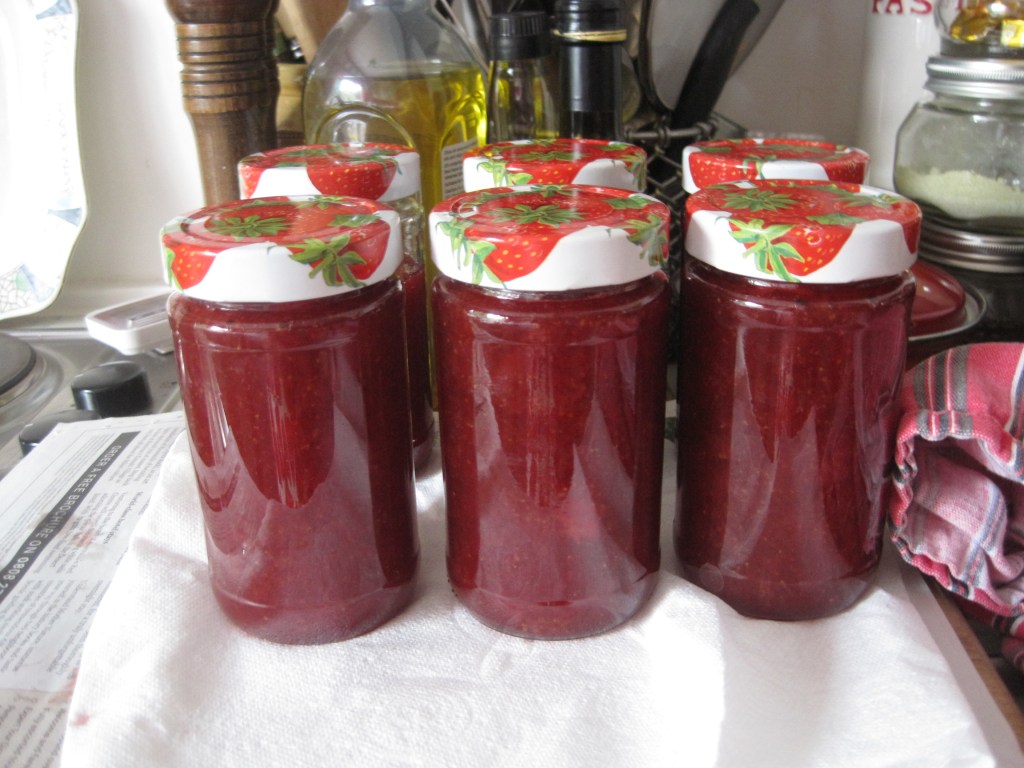
I hope you feel inspired to have a go if you have some fruit in the freezer. Apple and plum is a delicious combination and sets well. Strawberry is superb and any mixed fruit is yummy and satisfying on some hot toast or with some yoghurt.
With you again soon. I hope the snowdrops will be almost in flower by then. Whatever you will be doing I wish you well. Stay safe and warm and enjoy your home comforts.
 Living a contented creative life.