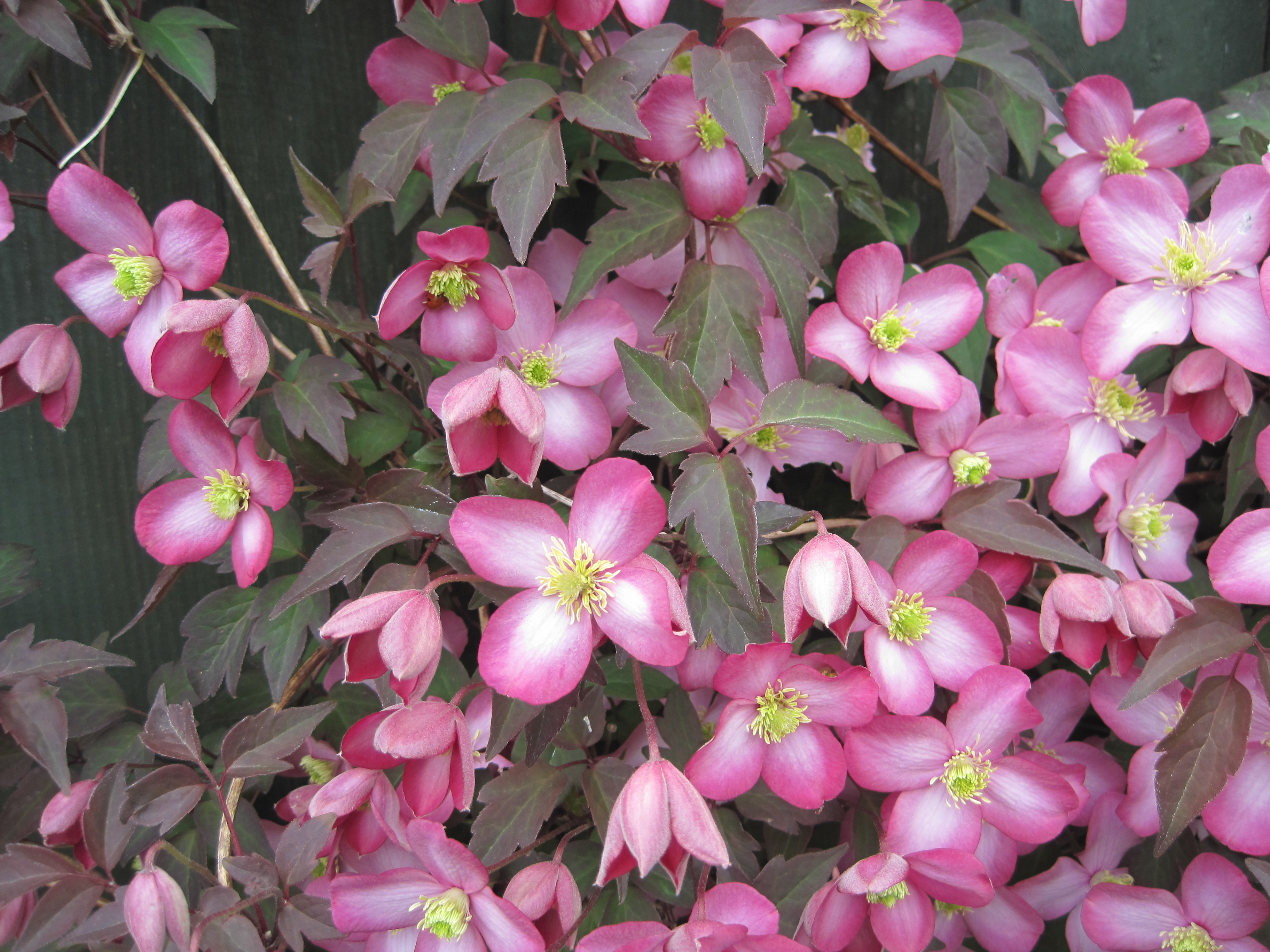
Halfway through September and the mood has changed in the garden. Leaves litter the paths and sunny spells are followed by damp mornings. A sense of winding down pervades the air.
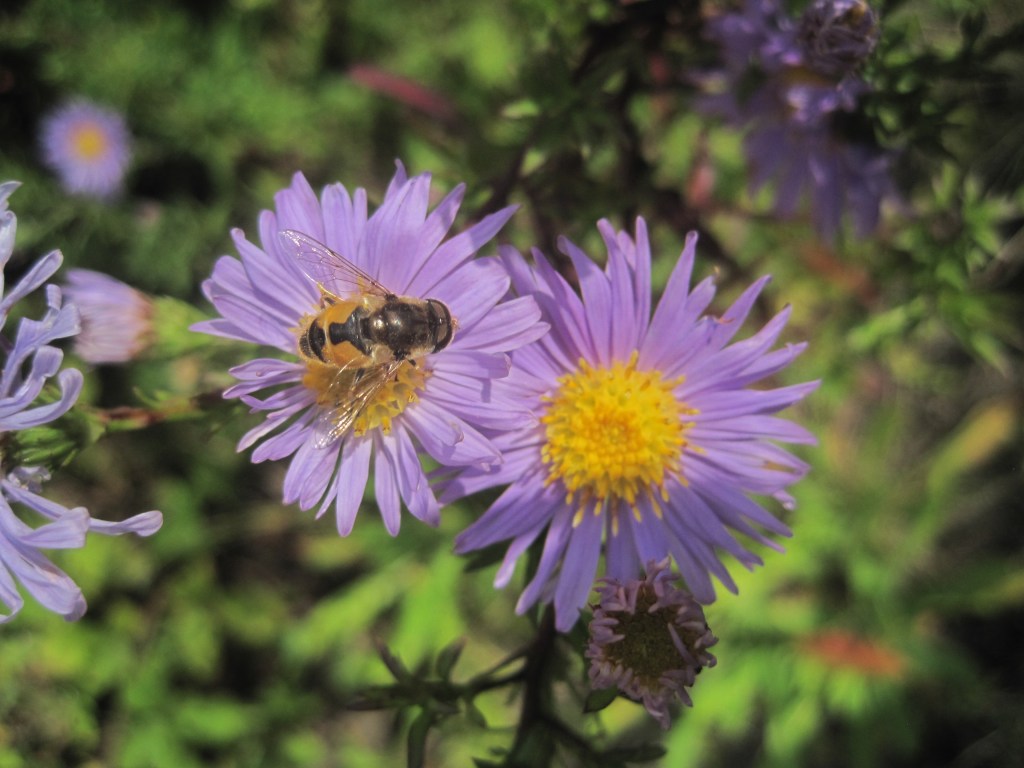
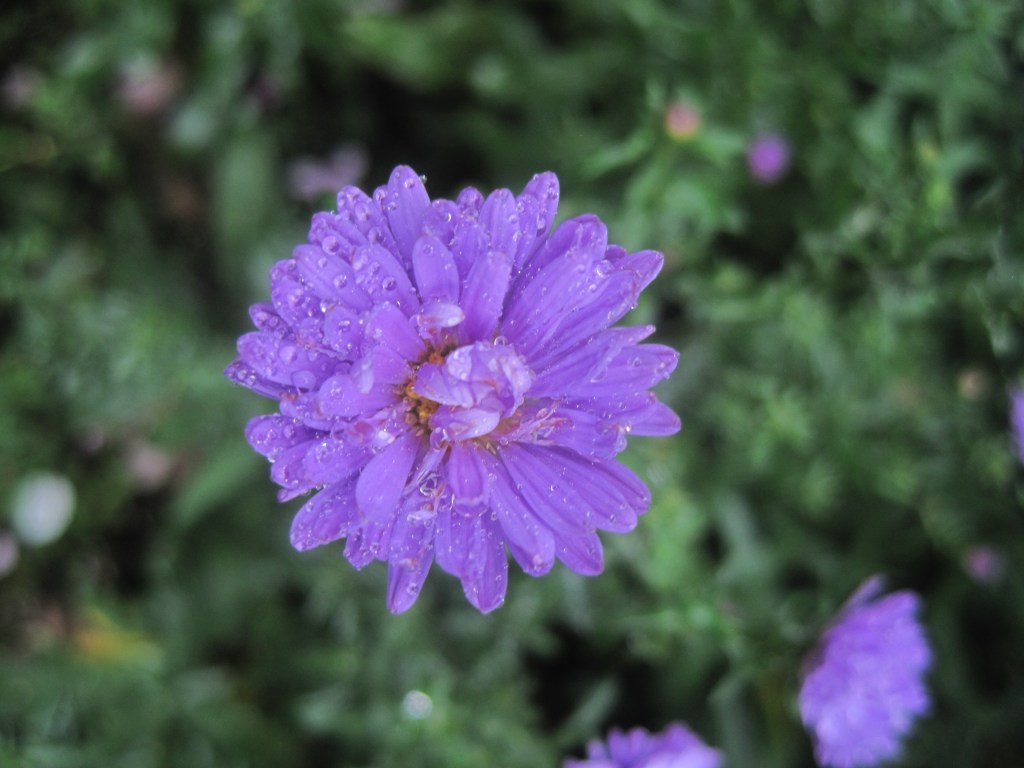
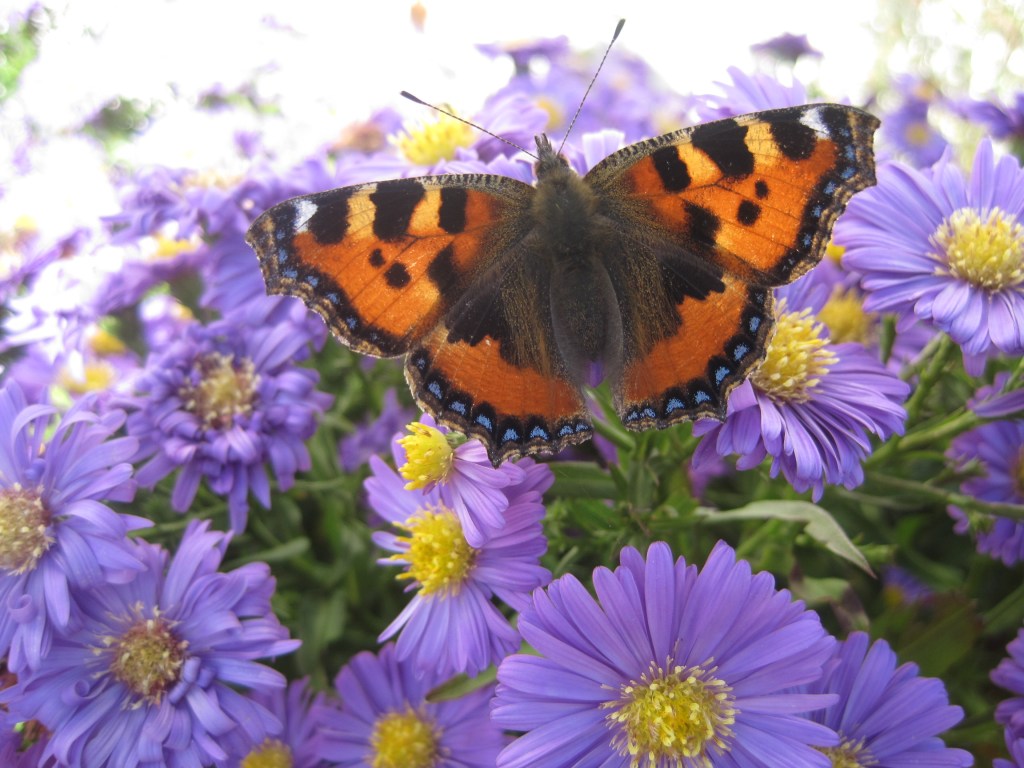
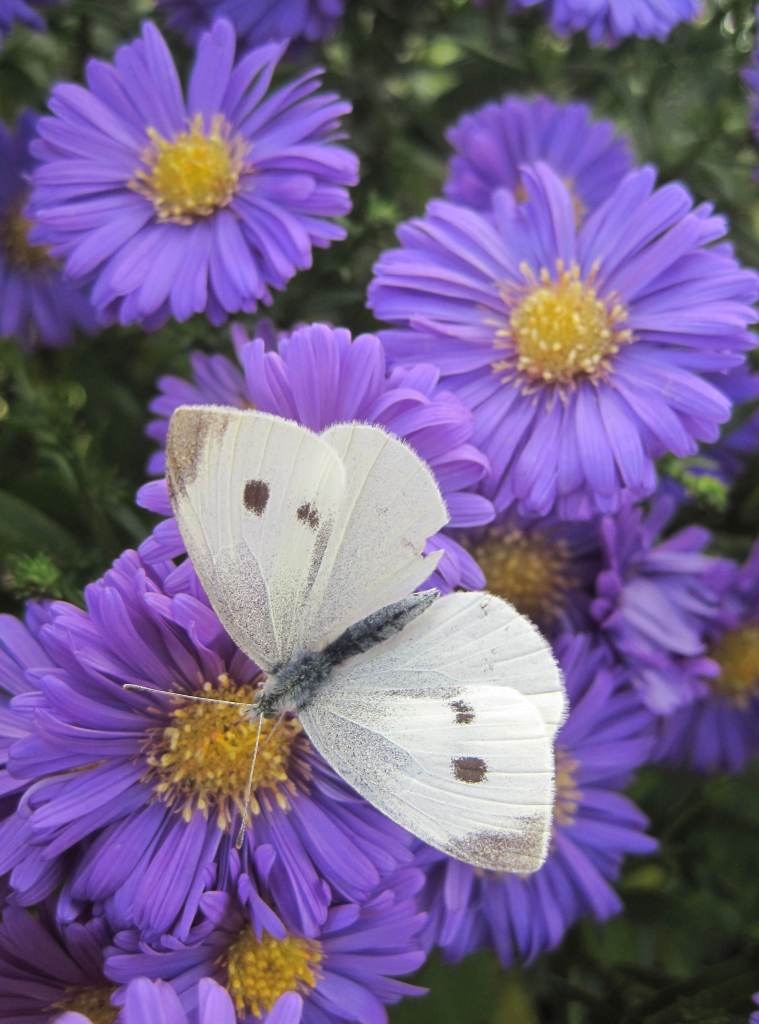
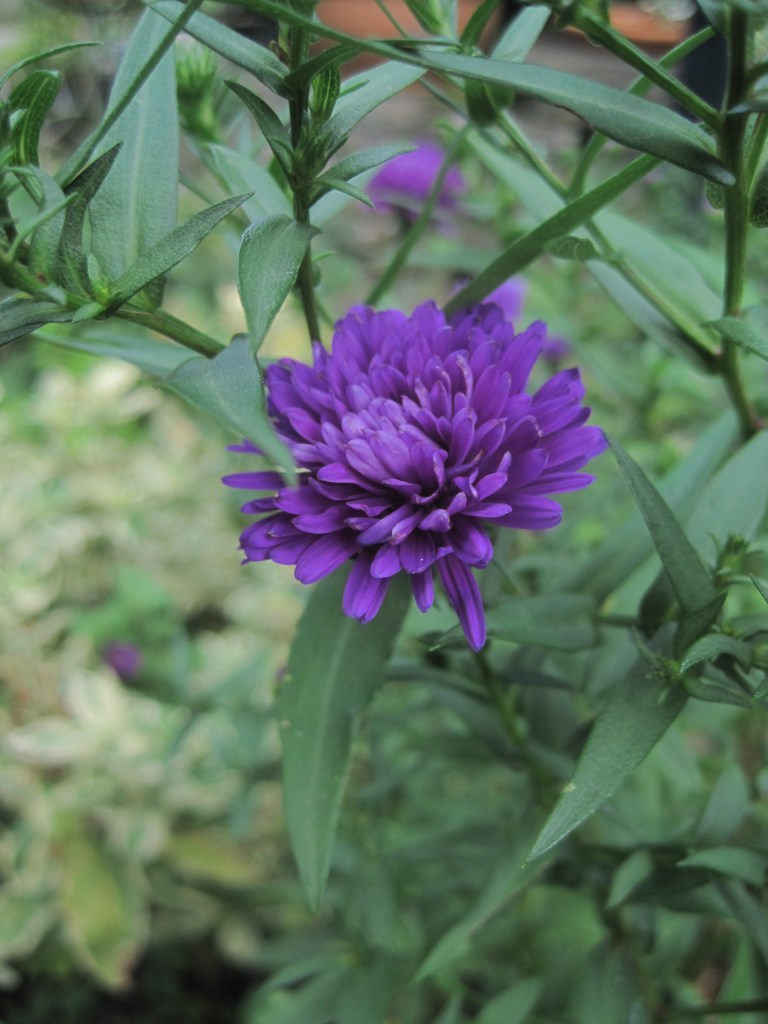
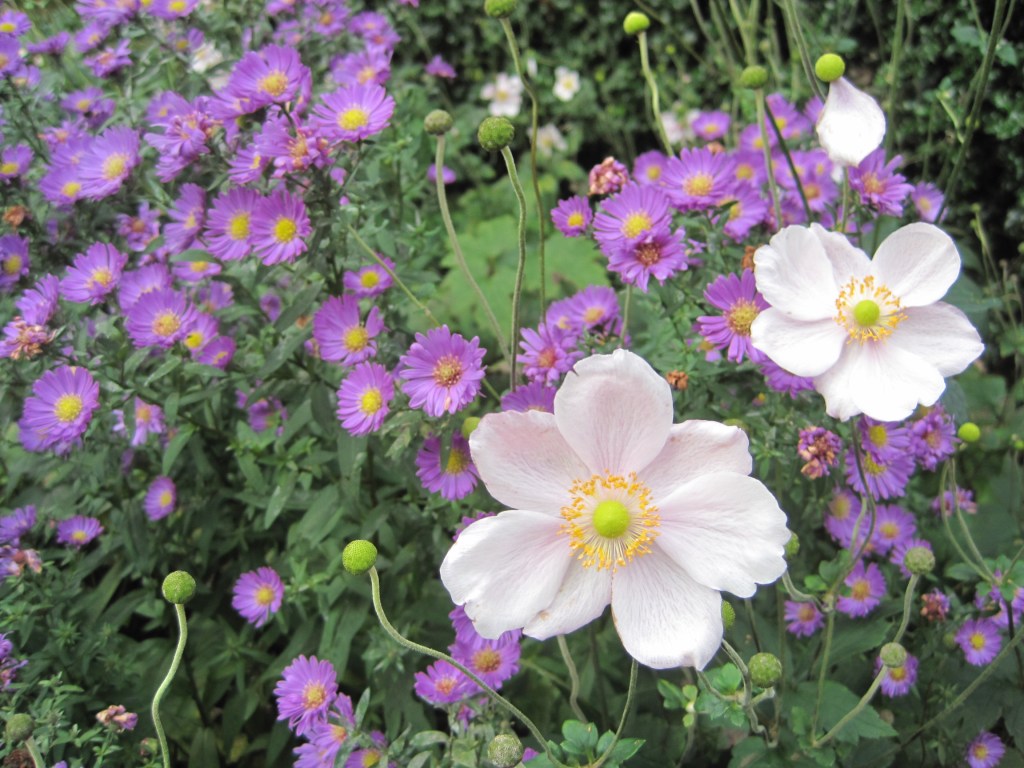
The asters are putting on their early autumn show. Their lovely shades of colour, from softest lilac to deep purple, make them some of my favourite flowers.
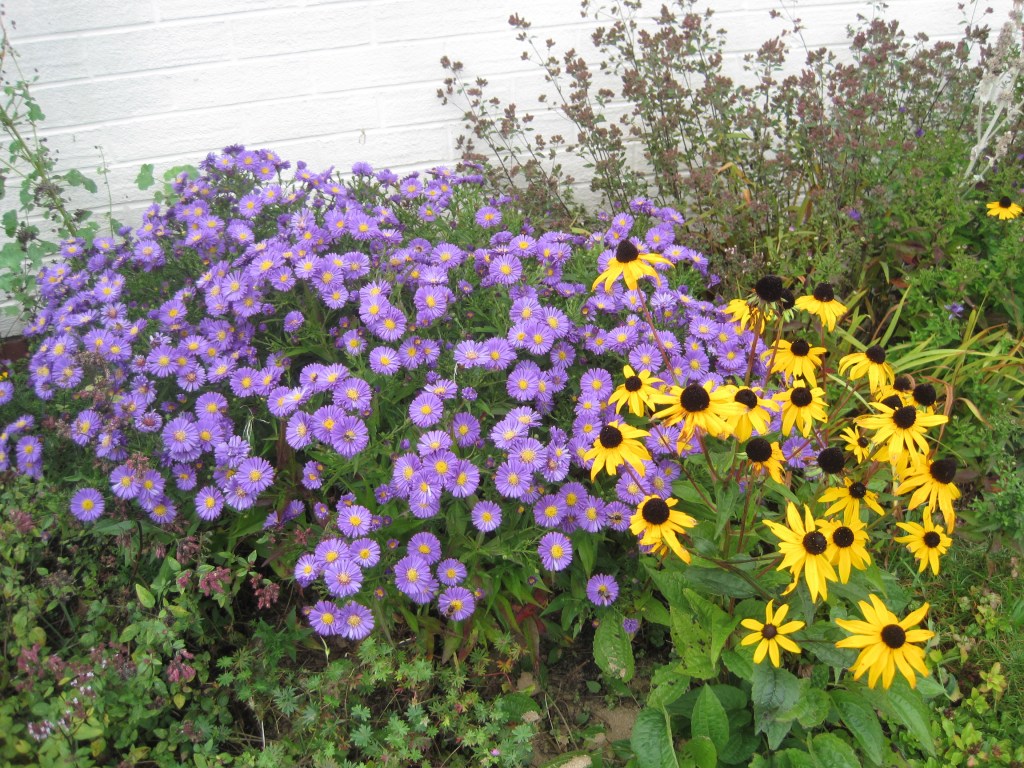
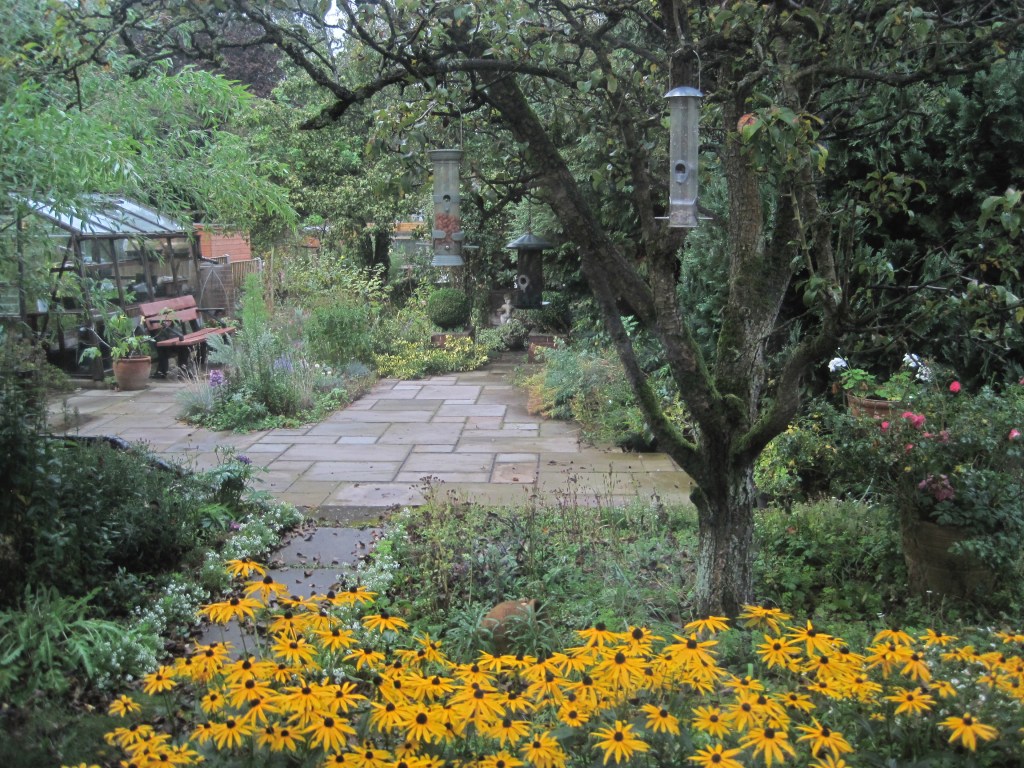
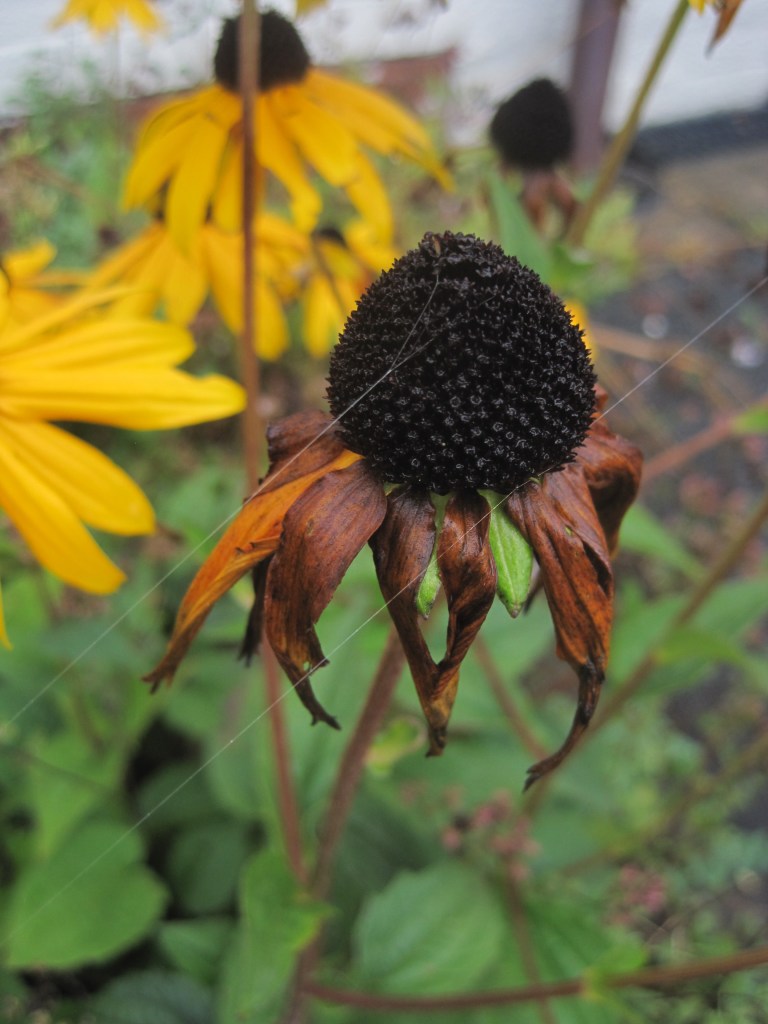
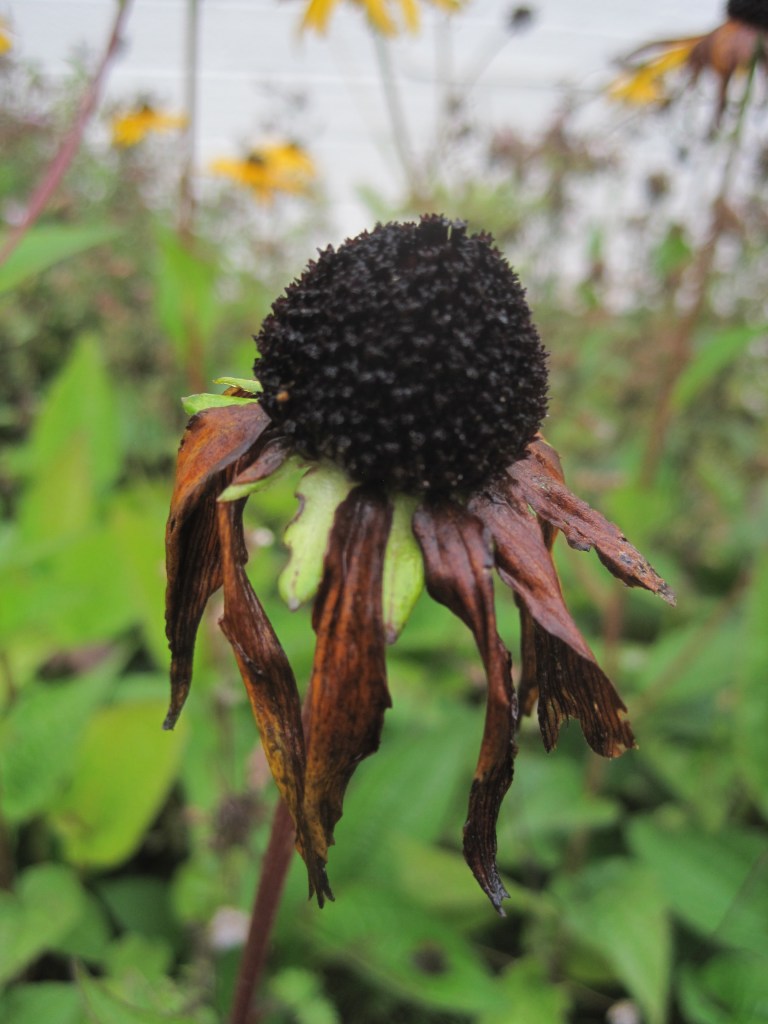
The rudbeckias glow even on the dullest day. A few have drooping petals after heavy downpours but this highlights their beautiful seed cones.
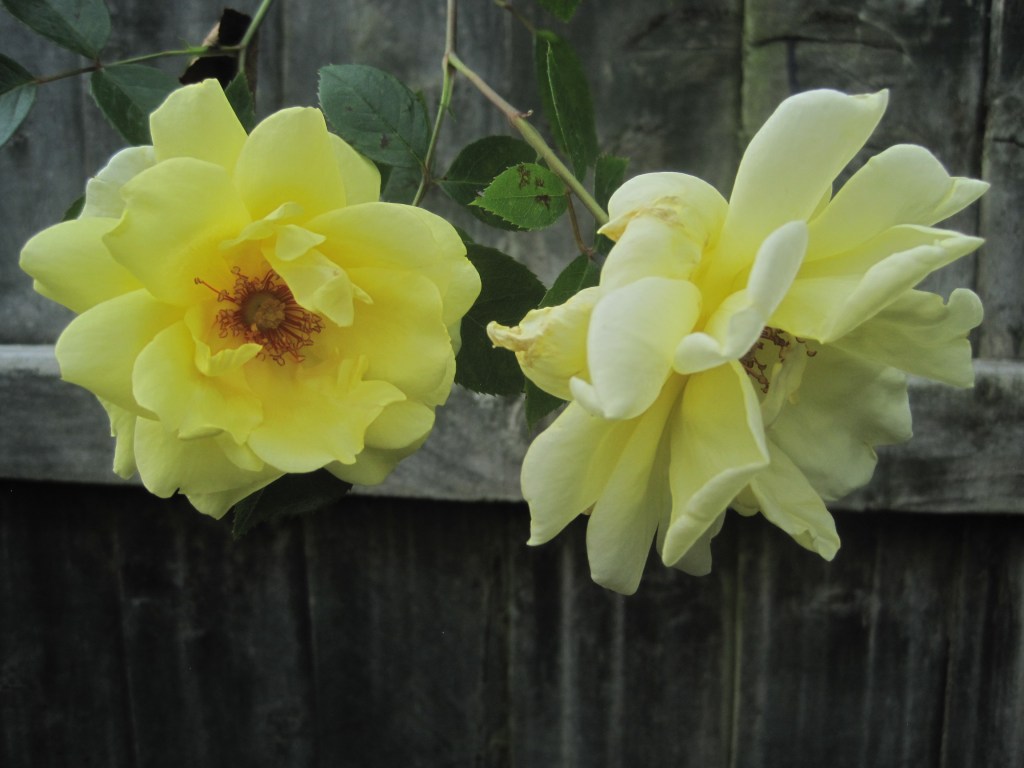
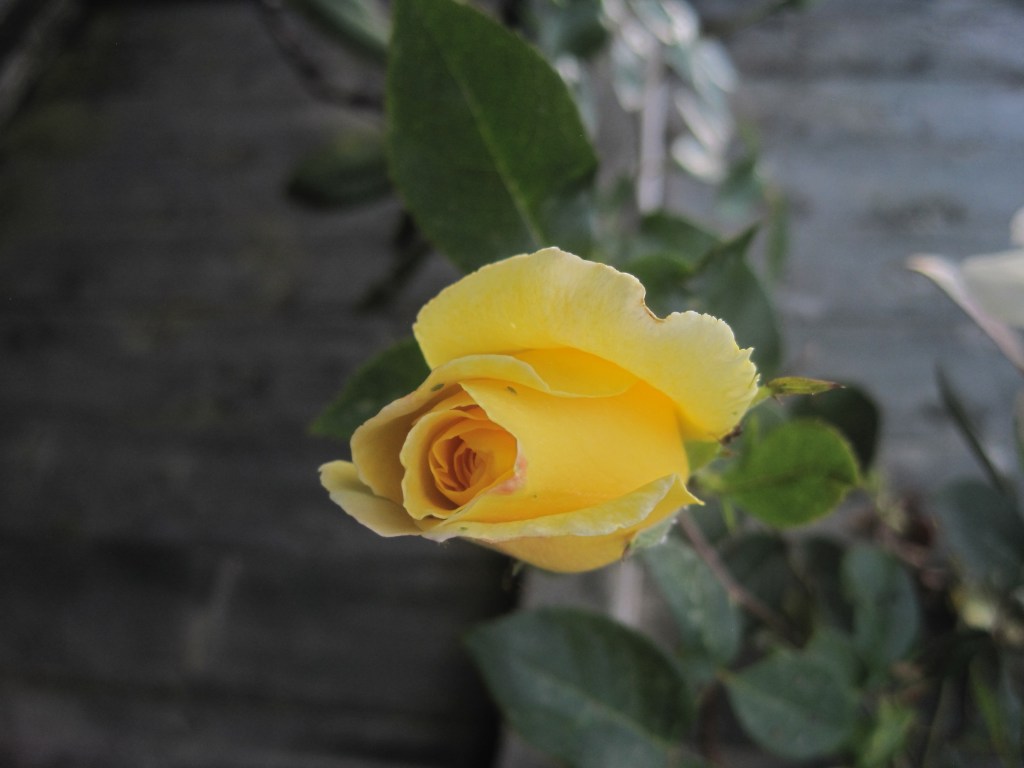
The roses are producing some blossom as a last fling before frost begins. In our poor, sandy soil, roses struggle and never flower generously so I cherish the few which appear.
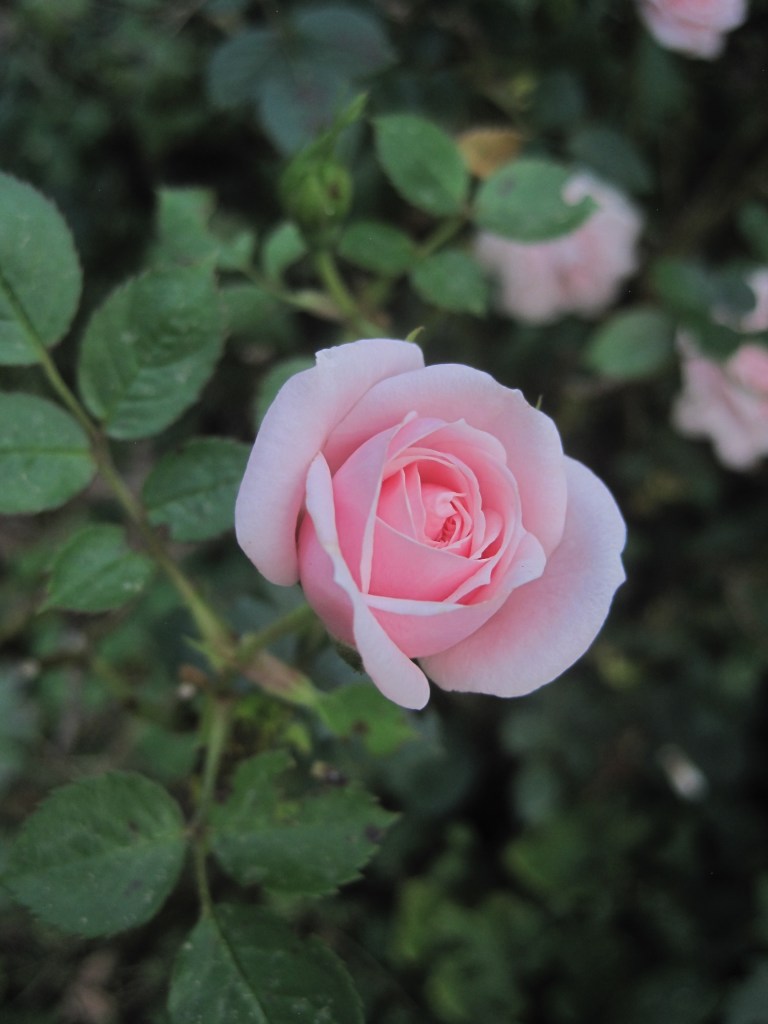
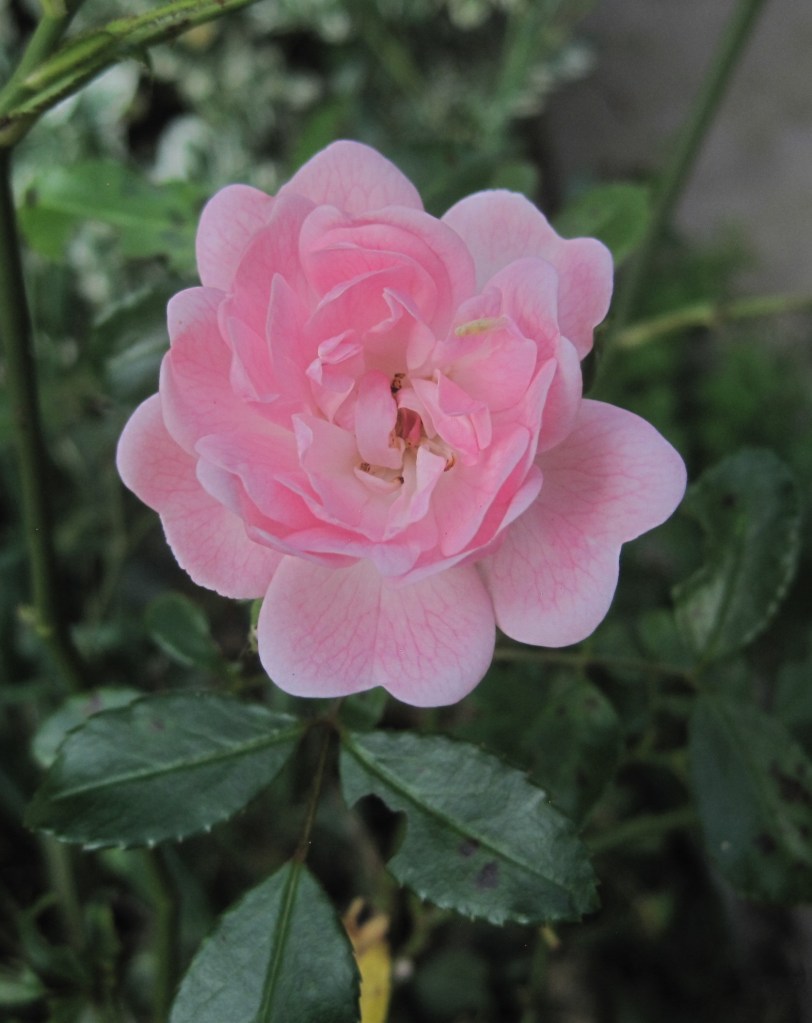
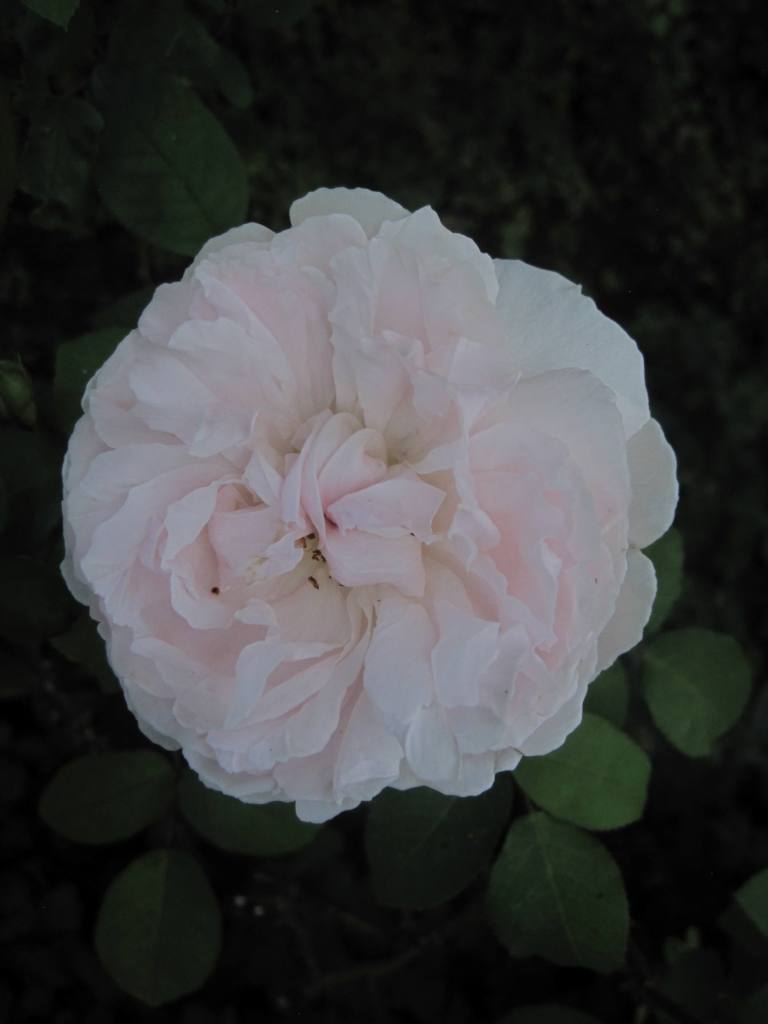
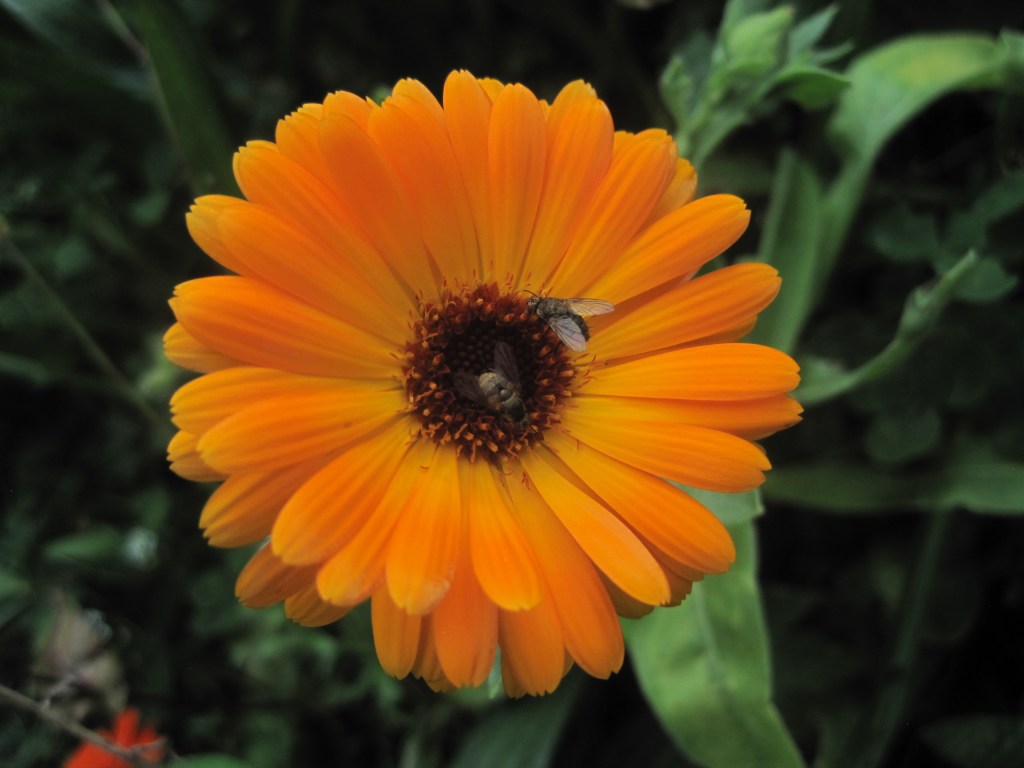
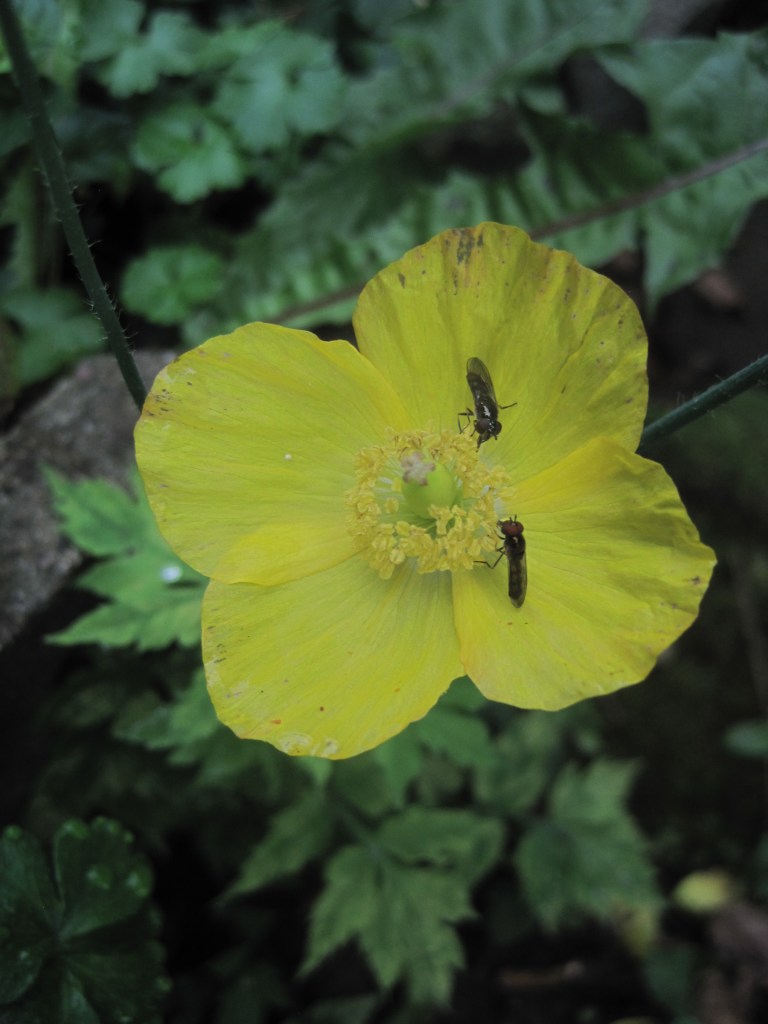
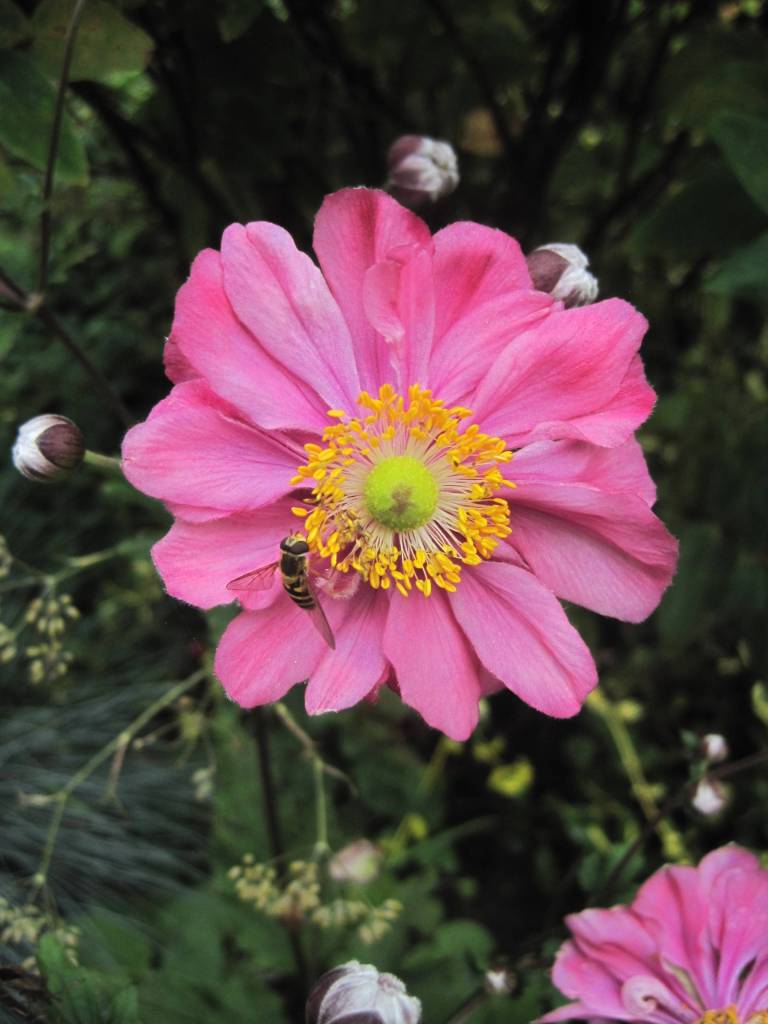
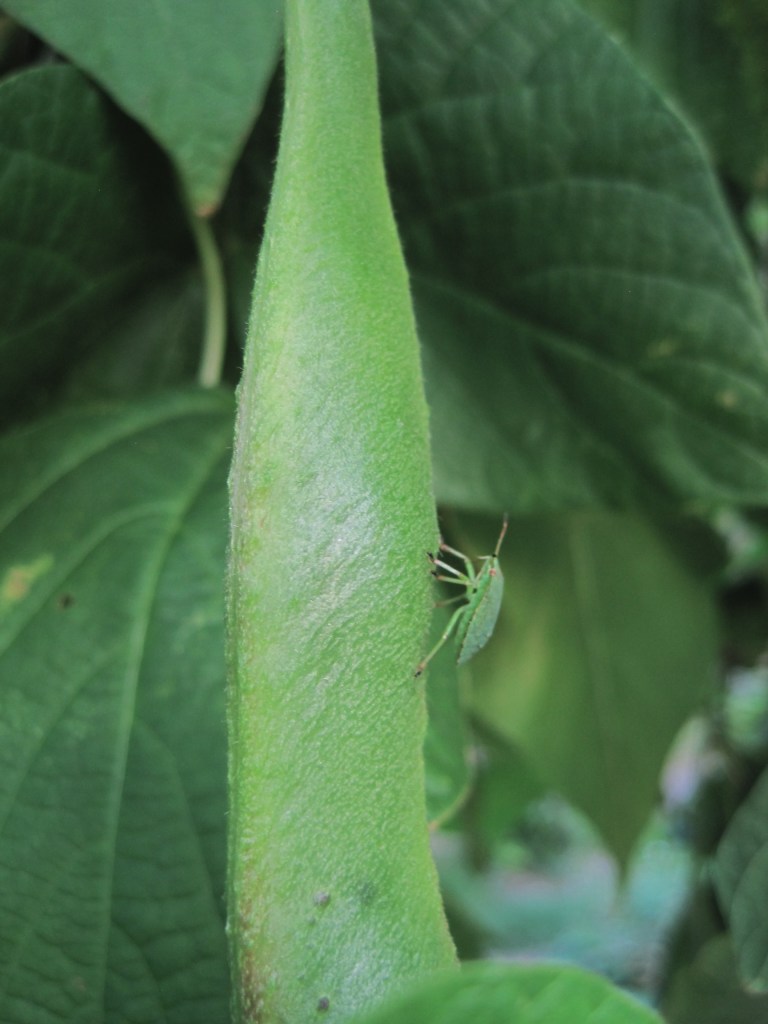
A garden is not just a collection of plants. Bees and other insects have flourished among the flowers. Of course the vegetables have had their share of visitors as well.
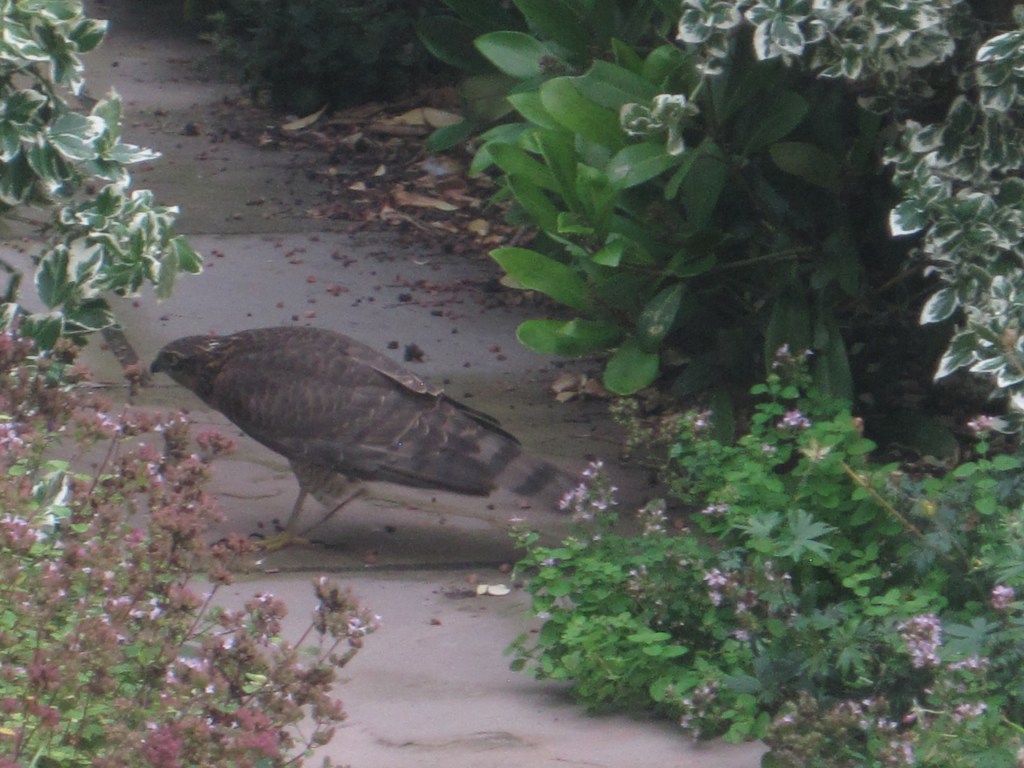
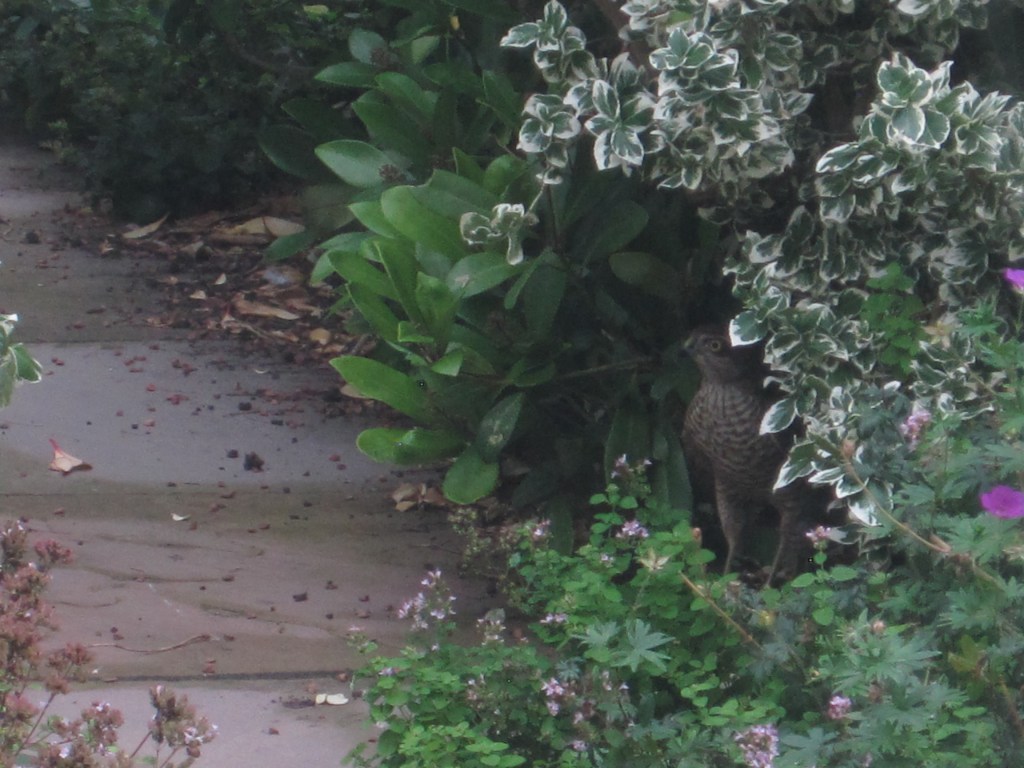
Birds have been very active around the garden. We spotted a sparrowhawk on the path outside the window. It was hunting a small bird which was hiding inside a bush. I managed to snap a couple of shots before the hawk disappeared.
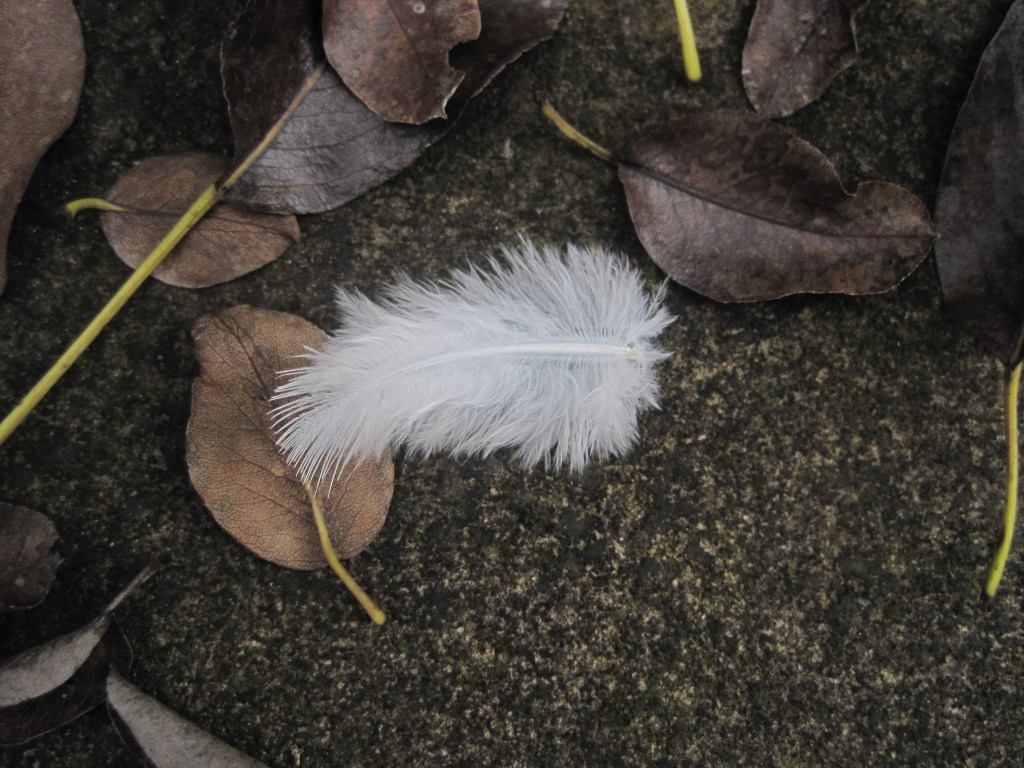
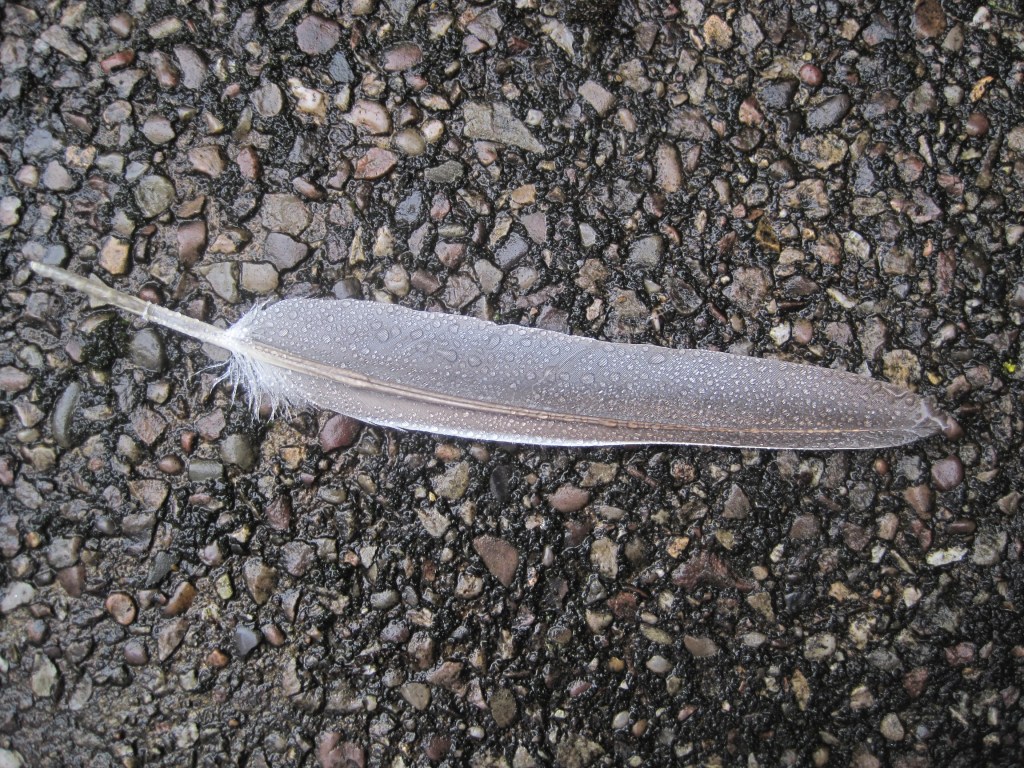
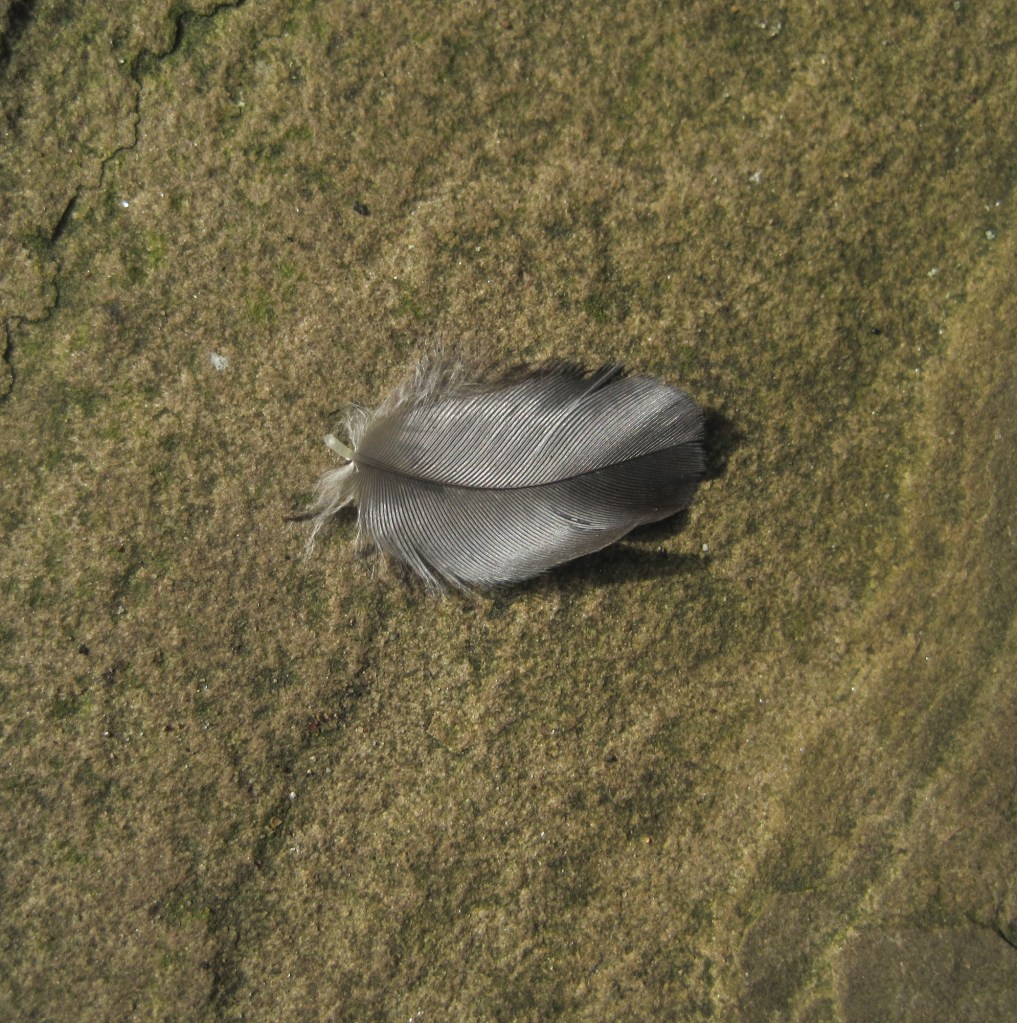
Feathers lying about are evidence of other visits perhaps, although birds do drop them naturally from time to time..
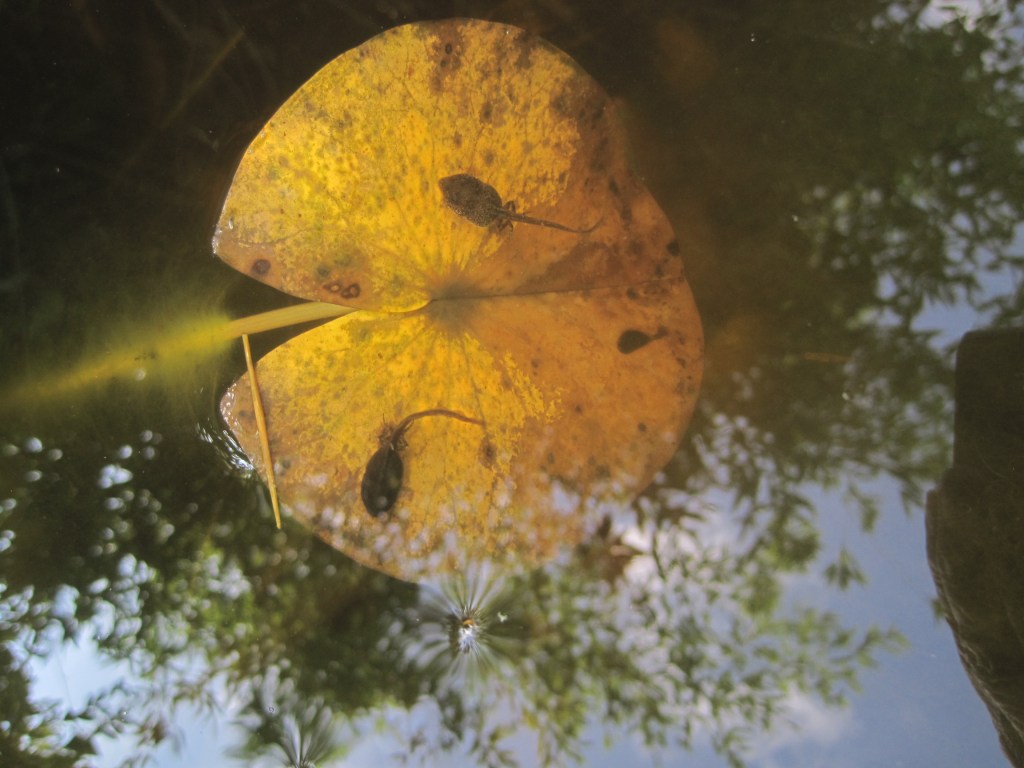
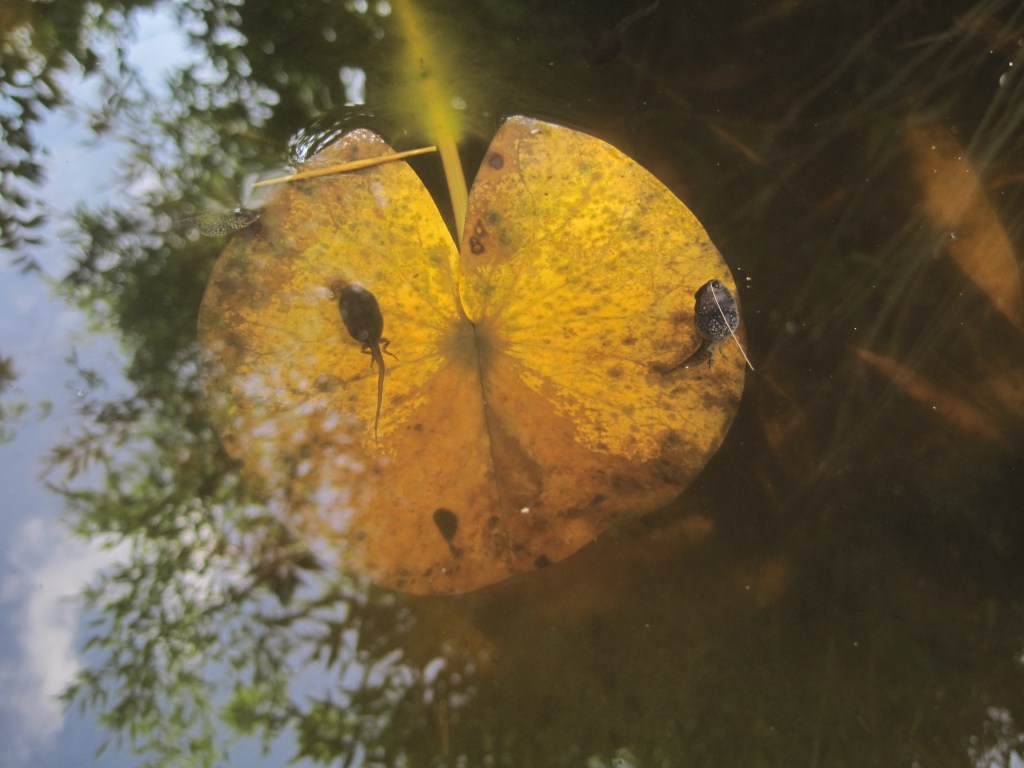
Little tiny frogs are jumping about the garden but it’s interesting to see that there are still tadpoles in the pond. They seem to develop at different rates. Some are still small and others have their tiny frog legs but not quite there yet.
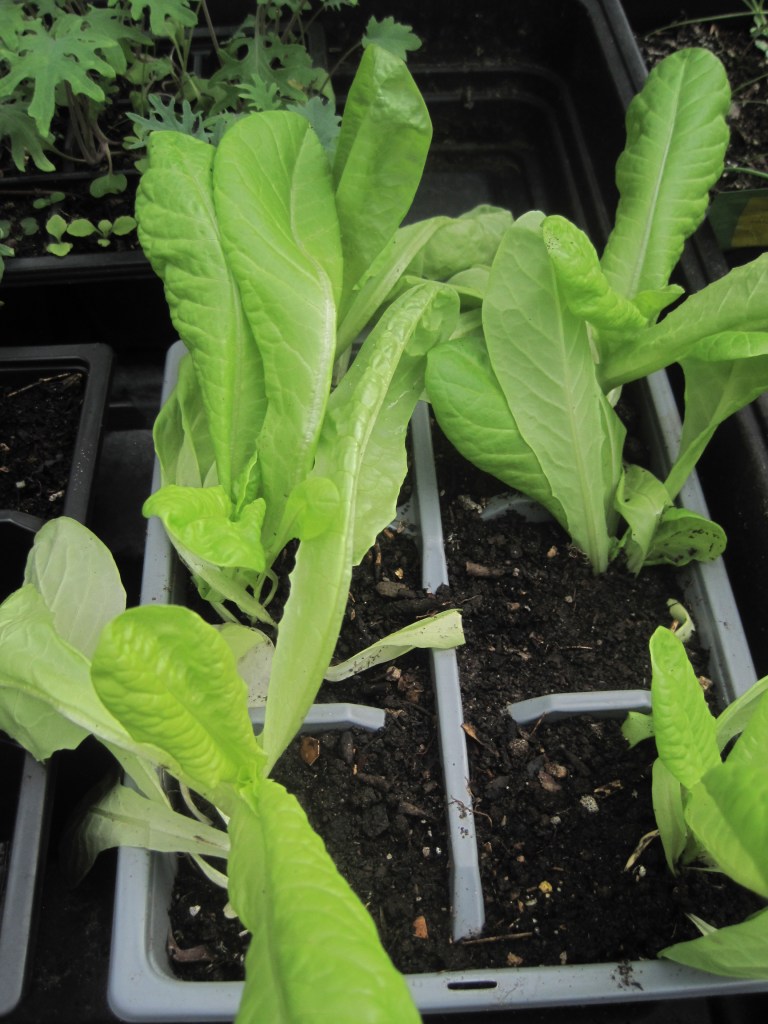
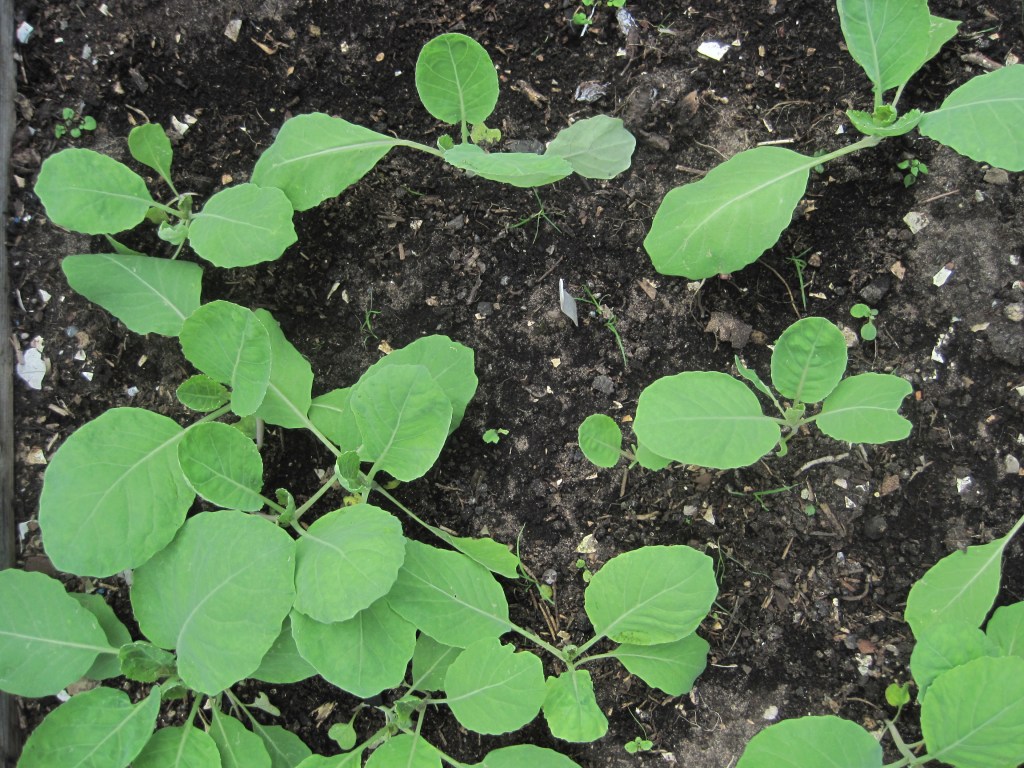
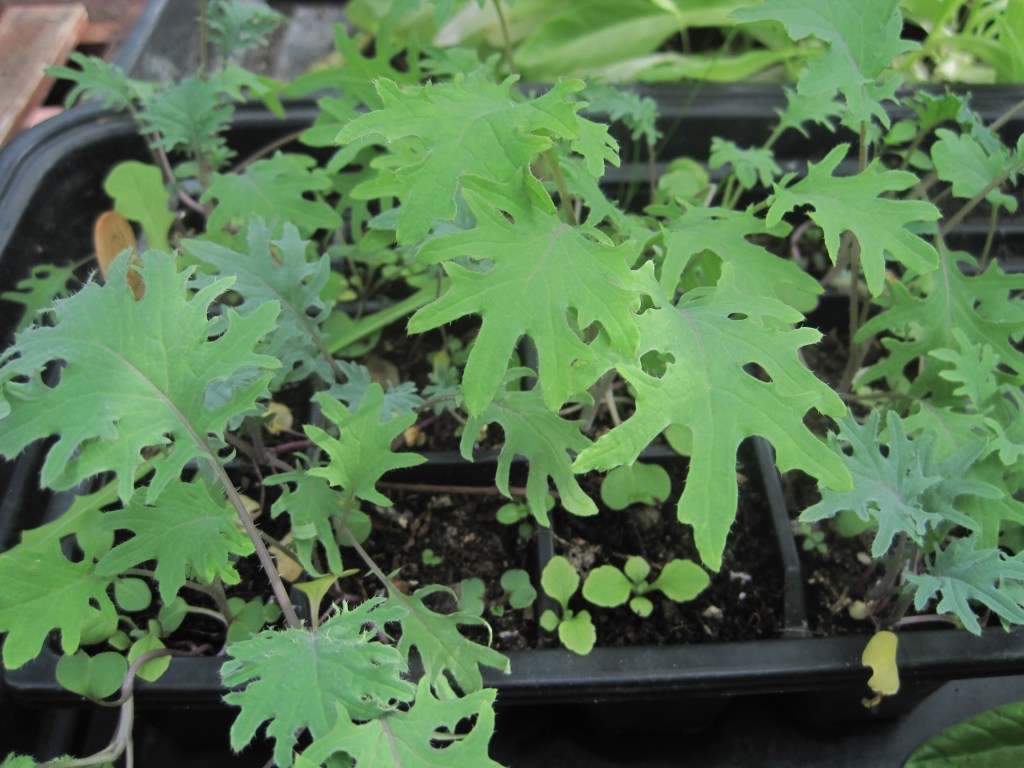
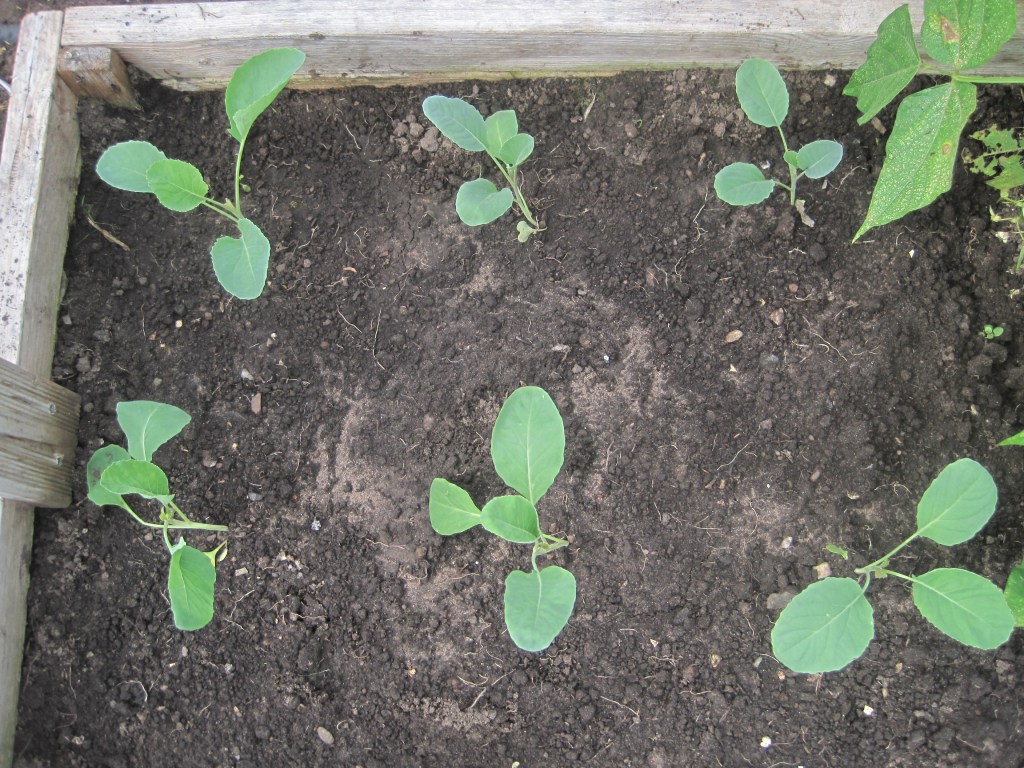
Although Summer is over, there is still much to do in the vegetable garden. I sowed seeds for winter lettuce, spring cabbages, kale and cauliflowers a few weeks ago and now they’re ready for planting.
Sadly my entire leek crop has been wiped out again. This time it was Leek Moth. For the last two years they were affected by Allium Leaf Miner so I doubly protected them with a fine mesh covering inside the polytunnel. Somehow, despite my careful efforts, a Leek Moth must have got in. The leaves turned to mush and when I cut open a couple of leeks I could see the tiny pale cream caterpillars. Had to throw them all away.
Gardening is always a gamble. You win some and you lose some. When you succeed it’s wonderfully satisfying but the wildlife in a garden has to eat, just as we do. Lots to be thankful for though so I never give up.
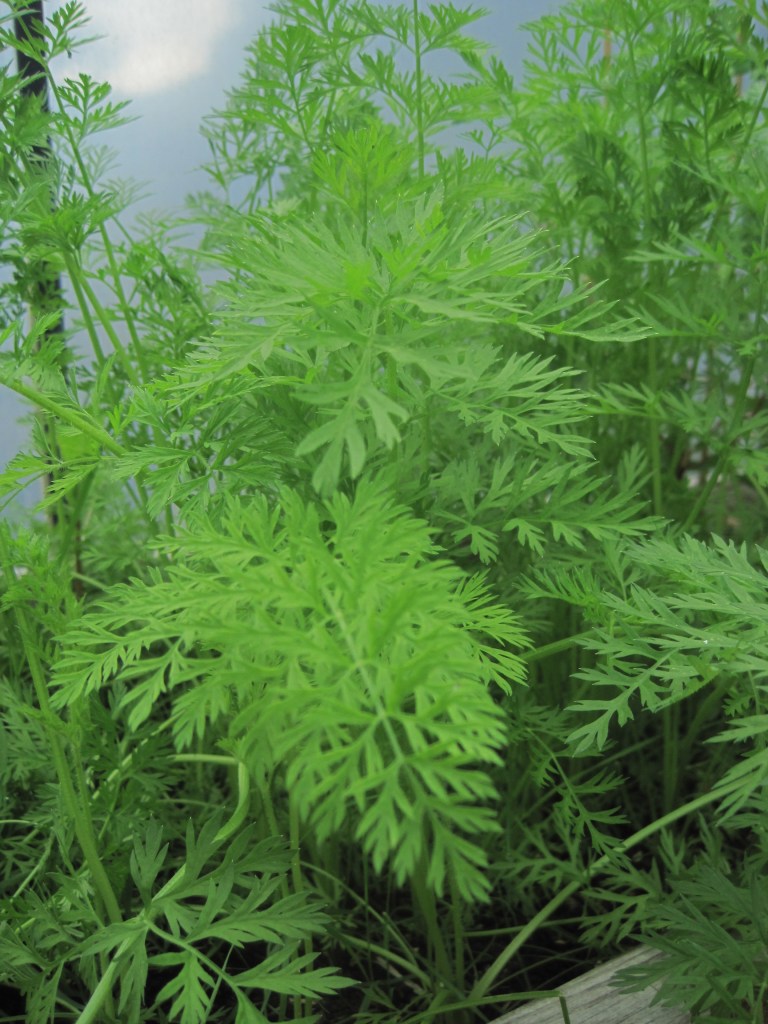
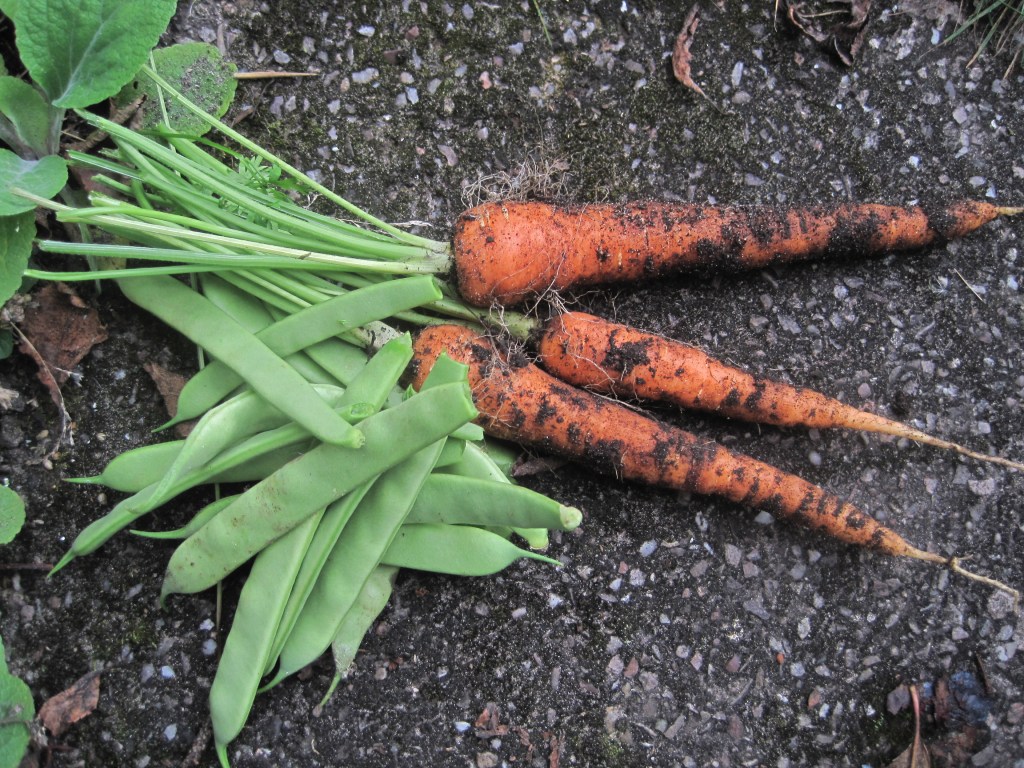
The carrots have been so good this year. I sow small amounts every few weeks so I don’t need to pull them all up at once. I simply take what I need and the rest stay in the ground. That way I have fresh carrots for most of the year.
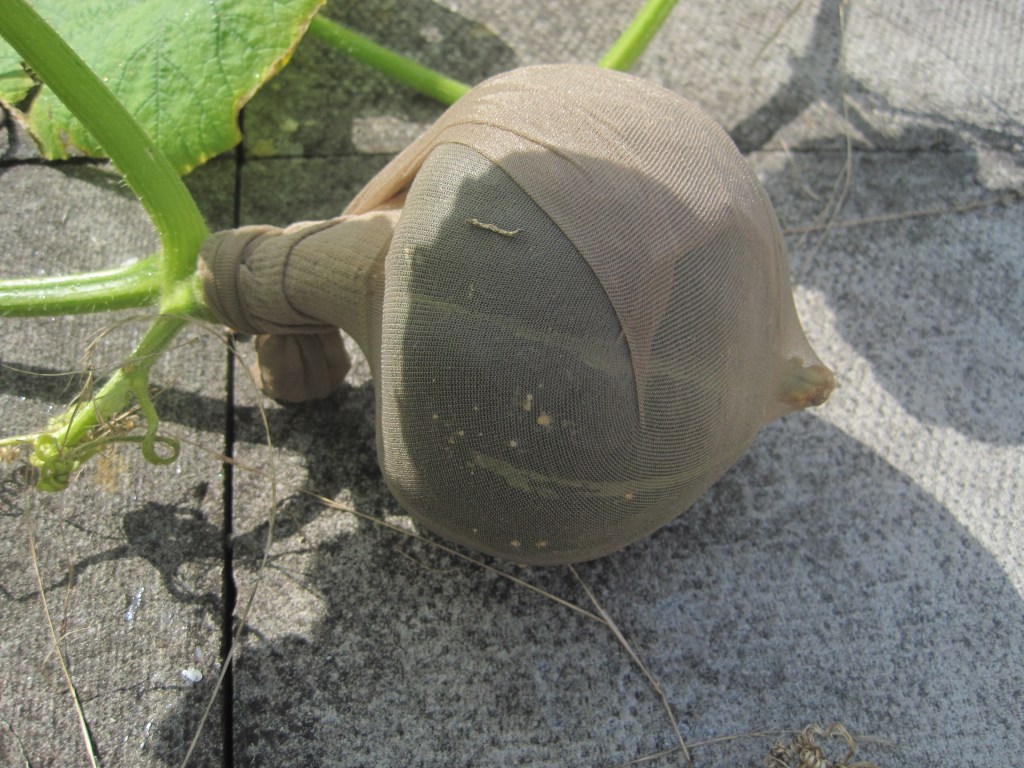
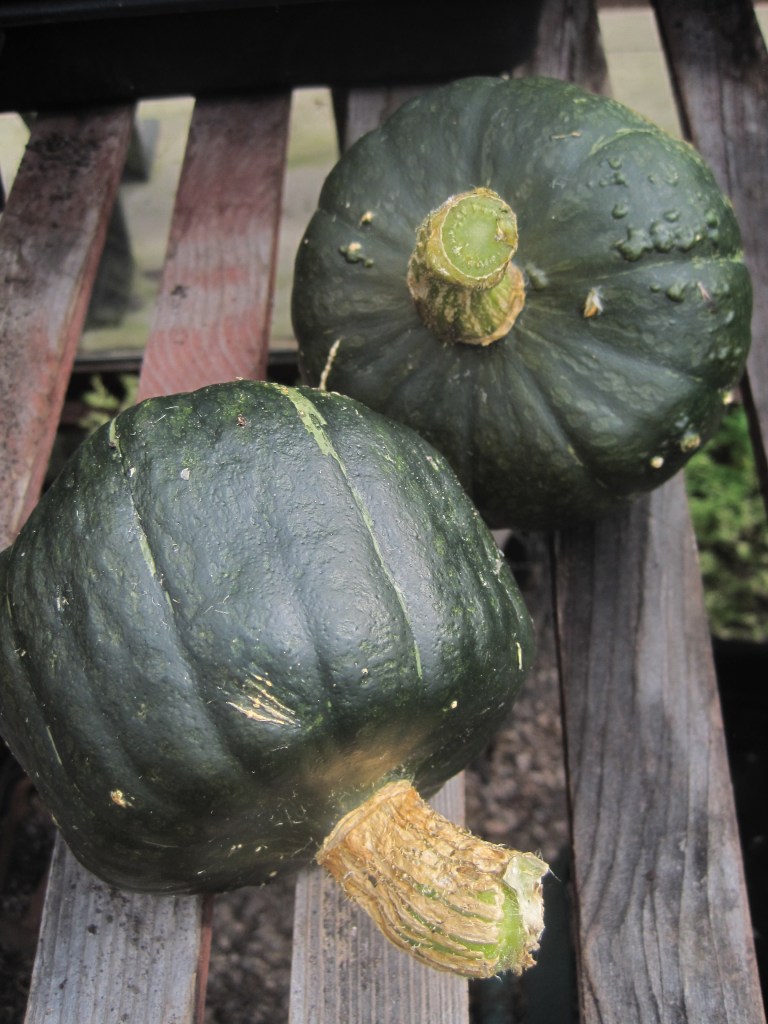
The last two squashes had their stems nibbled so I protected them with “popsocks”. This worked well. I finally brought them into the greenhouse to firm up their skins so they will store for a couple of months Then I will bring them into the house and keep them for winter meals.
This month, with an abundance of food, it’s an ideal time to preserve the harvest. Pickles, chutney, jams and jellies, freezing and canning are good ways to save the goodies that the garden has produced.
These are not difficult things to do but I have to admit it does require some hard work. It helps to be as organised as possible and to have the tools to make it easier.
Any kind of jar in perfect condition with a screw-on lid will do for jams, pickles and chutney. It’s important to only use lids in the best condition. Plastic lined lids are best for pickles and chutney because vinegar will react with bare metal and corrode the lid. It’s a good idea to save any jars throughout the year so plenty are available when preserving.
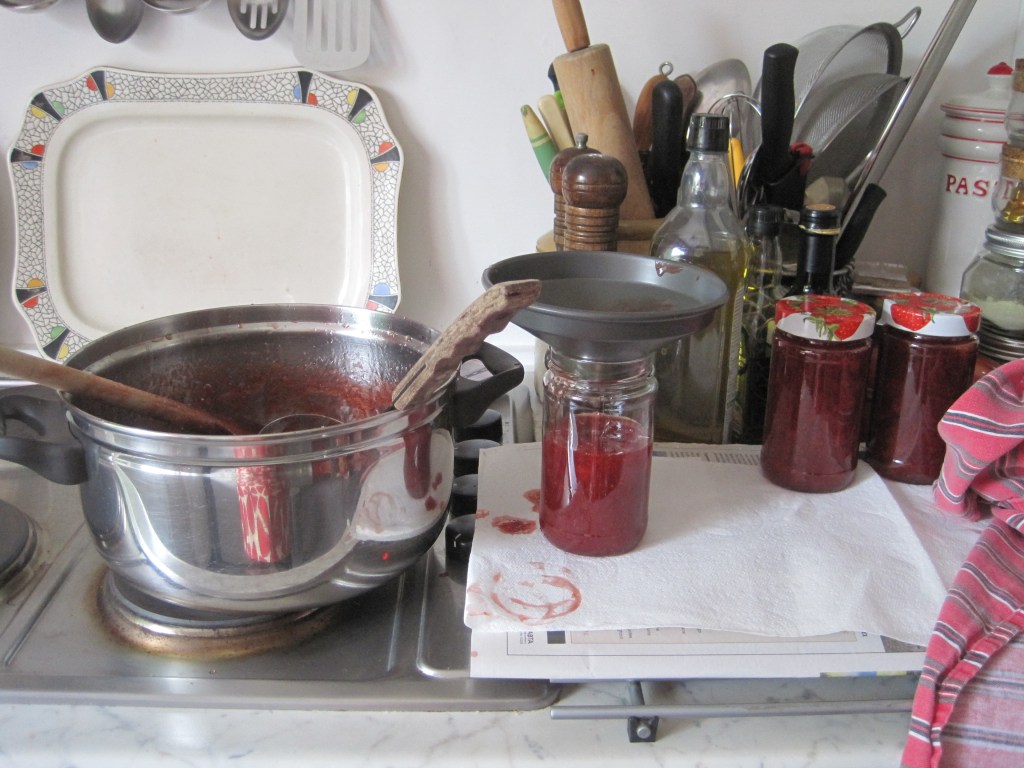
Jars should be washed and rinsed when the chutney or jam is being cooked, placed without drying them in a cool oven and heated at a low temperature until they’re needed. If the jars are filled while they’re hot, one at a time, using a funnel to keep the rims clean, and the dried lids screwed on immediately, they will seal. The jam or chutney should not quite fill the jar, leaving a gap at the top. There’s a popping sound as they cool which proves it’s sealed.
Jam making is easy. The fruit is washed, weighed, prepared and stewed in a little water, then an equal amount of sugar is added, stirred to dissolve, then brought to the boil. The mixture is boiled hard until a drop put onto a cold plate will wrinkle. That shows it’s at setting point.
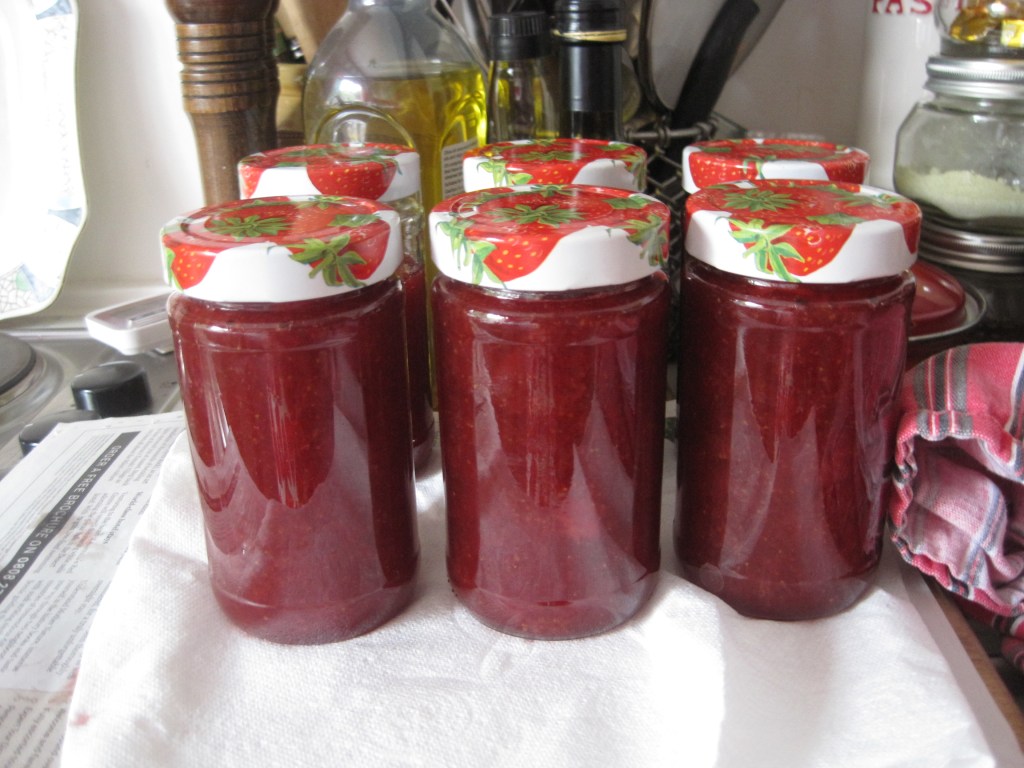
I save any bits of surplus fruit during the summer and freeze them, then I make mixed fruit jam on a cold winter’s day. Snug in the kitchen, it’s a nice way to pass the time and homemade jam is so delicious on hot buttered toast.
Lots more tips and instructions in my cookbook with two recipes for chutney and picallili.
I always feel slightly sad that Summer is over but when I look ahead I know that there will be pleasures from the garden even in winter. I was inspired to write another poem.
September's Song

September's song is in the air.
A melancholy melody of loss,
Of fading light and wear and tear,
And Spring's promise turned to dross.

A gentle melancholy, all the same,
Not lacking optimism or hope,
Without the bitterness of blame
To limit Nature's scope.

September's song is in the air
As early Autumn's mellow mood begins.
No time for sadness or despair,
The beauty of the season wins.

We look ahead with every falling leaf
While gathering harvest's welcome yield,
Reassured as usual by our belief
The world will once again be healed.

So we savour golden days,
Smell the dampened earth's sweet heady scent
And glory in the fiery blaze
Until at last the show is spent.
With you again in a couple of weeks. Enjoy all that September offers. Bye for now.
 Living a contented creative life.