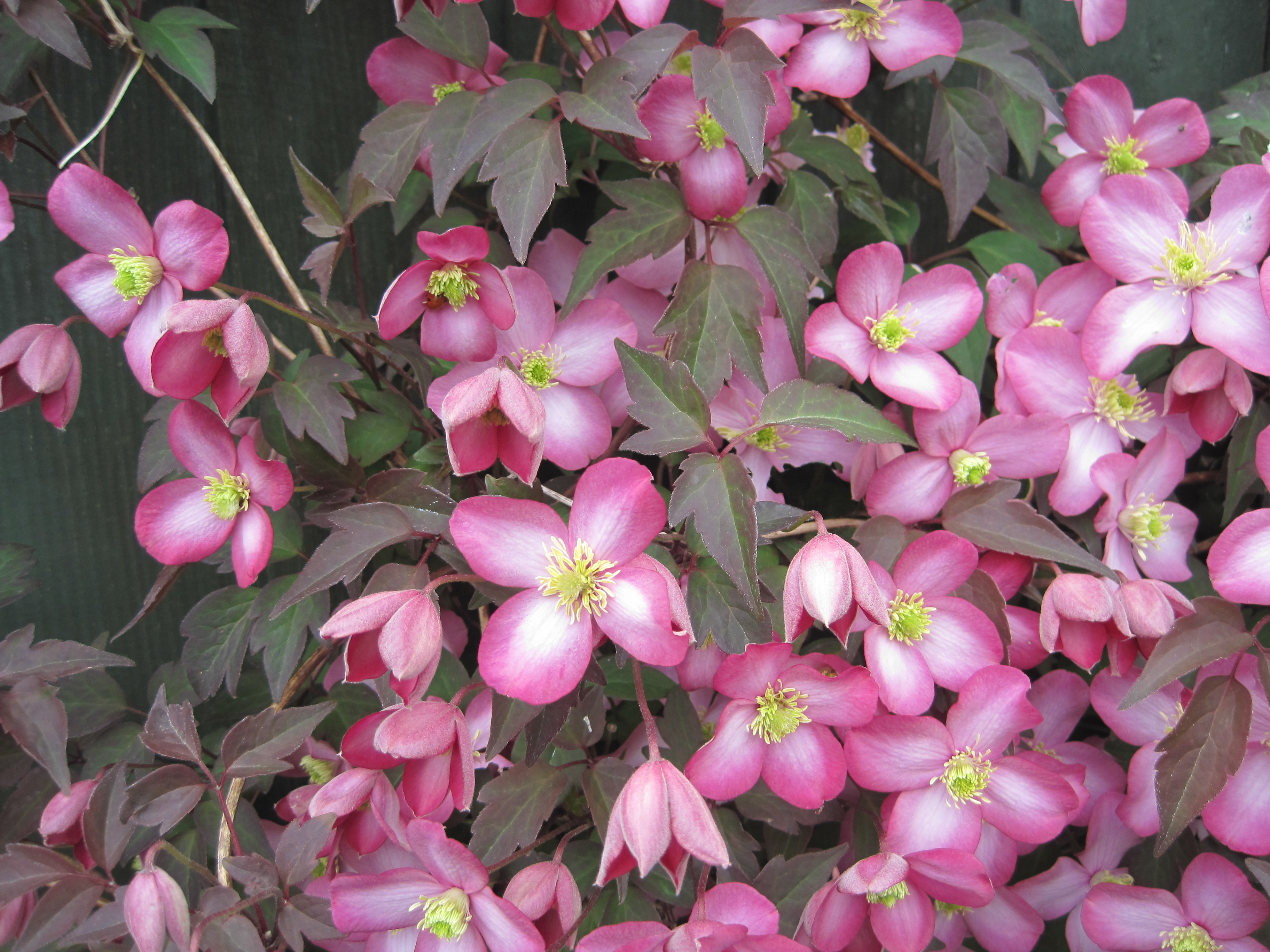
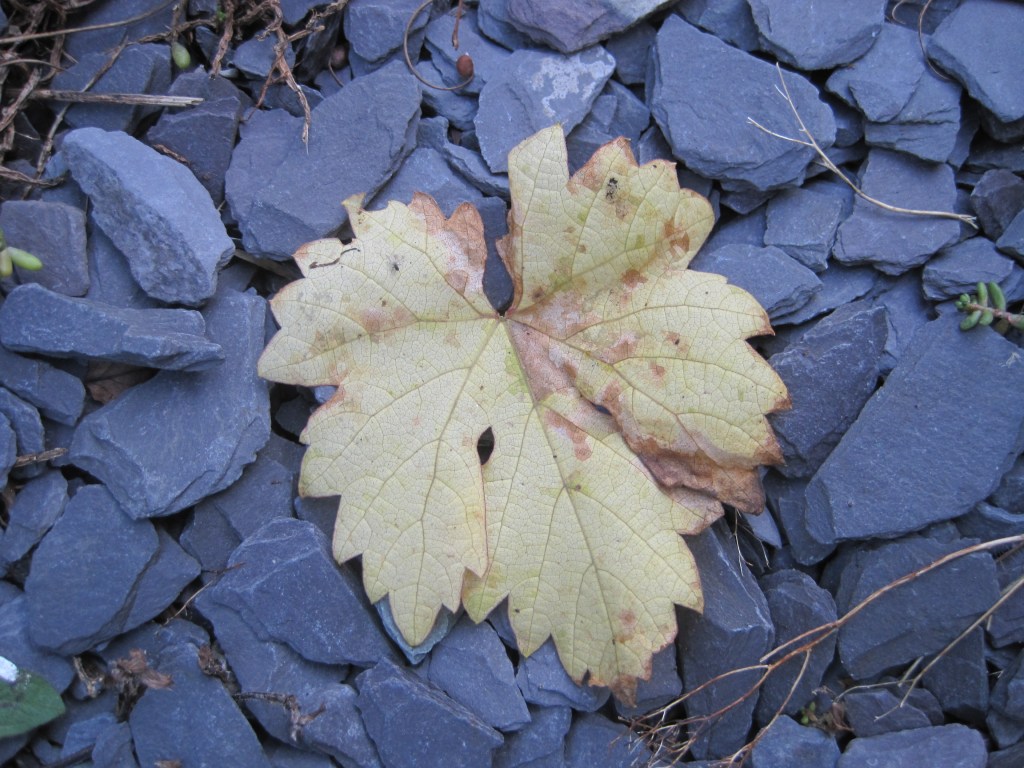
“Season of mists and mellow fruitfulness”. So true of late September. A gentle decay is taking place around the garden and a definite scent of autumn fruits and leaves.

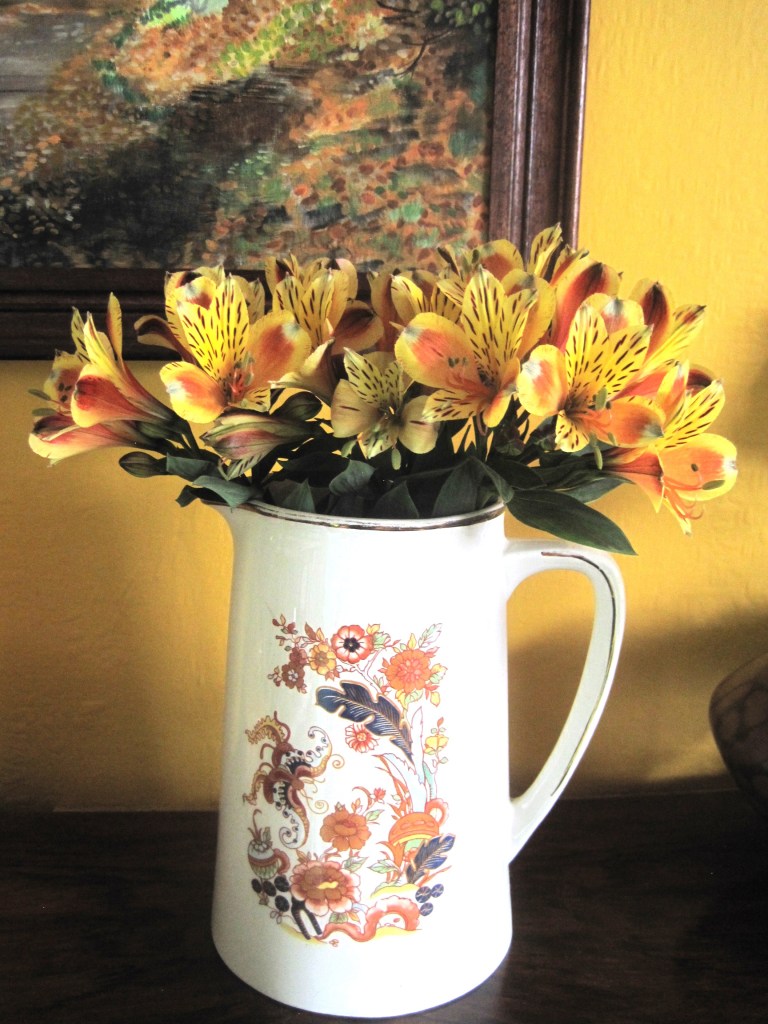
My Alstroemerias are flowering nicely. I brought in three stems for a vase and I love the autumnal look in the jug I put them in.

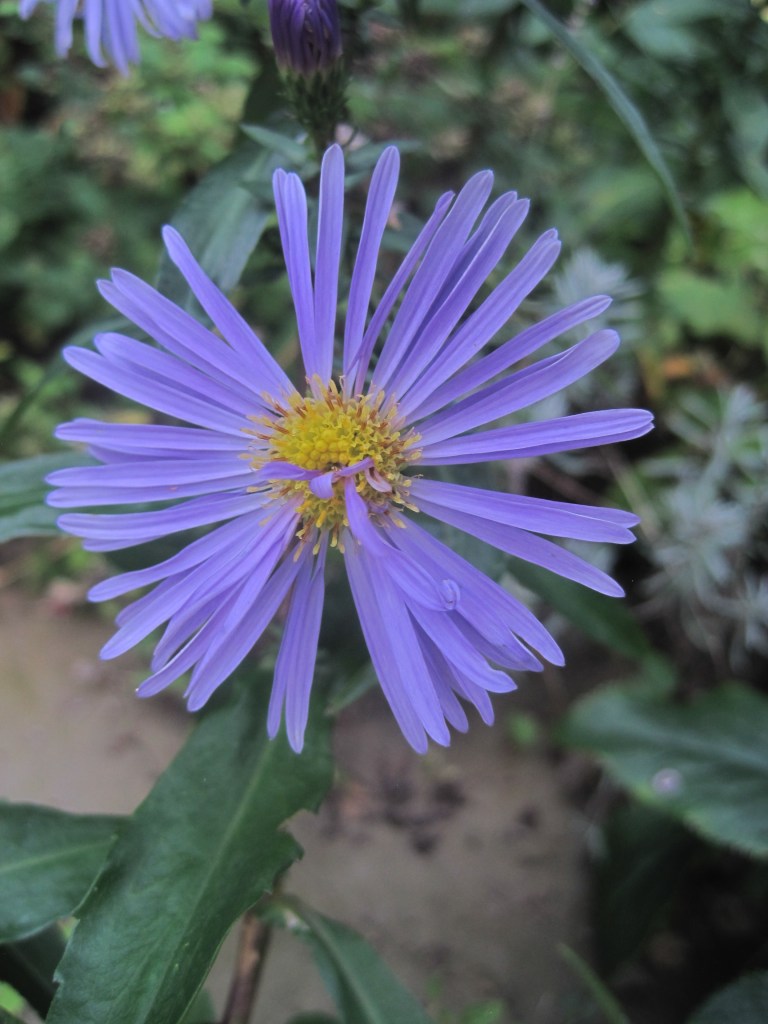
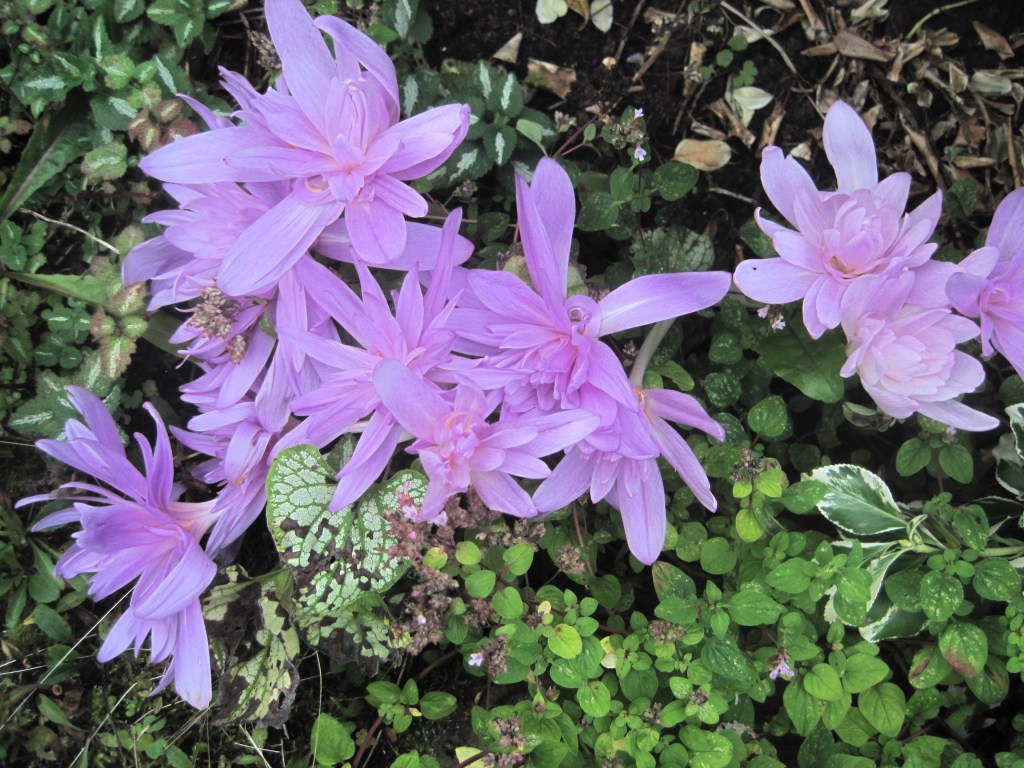
Asters and sedums are beginning to flower. The beautiful colchicums are at their best because the weather has been dry and sunny for a week. (Since writing this we’ve had storms and the poor colchicums were flattened.)


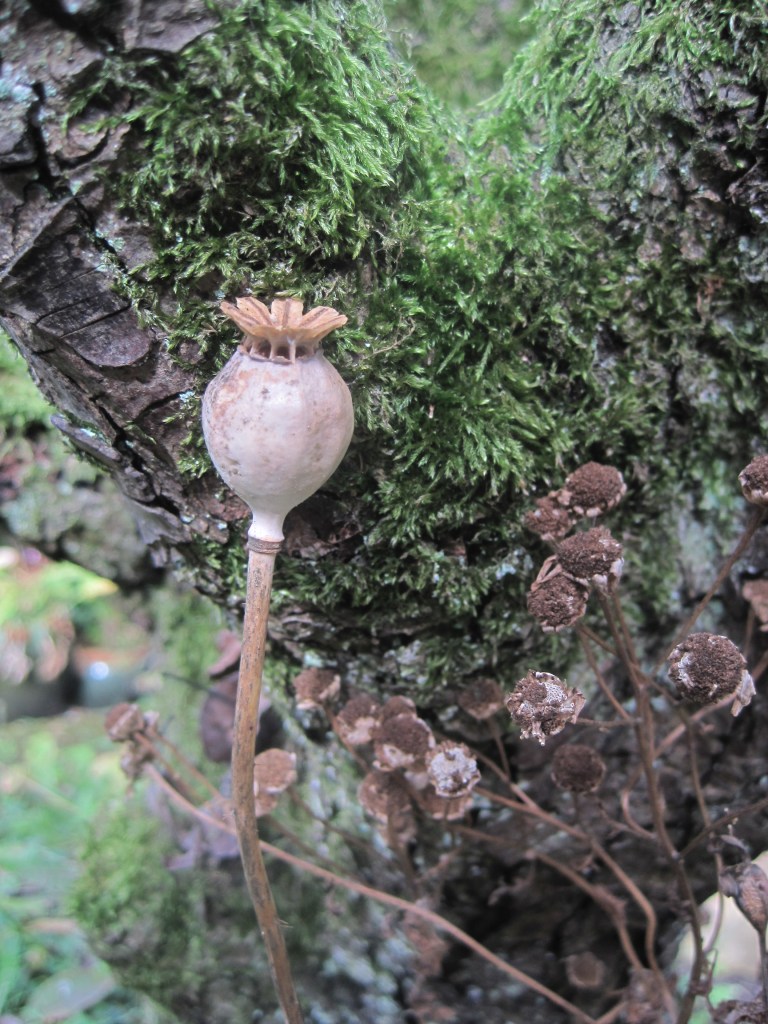
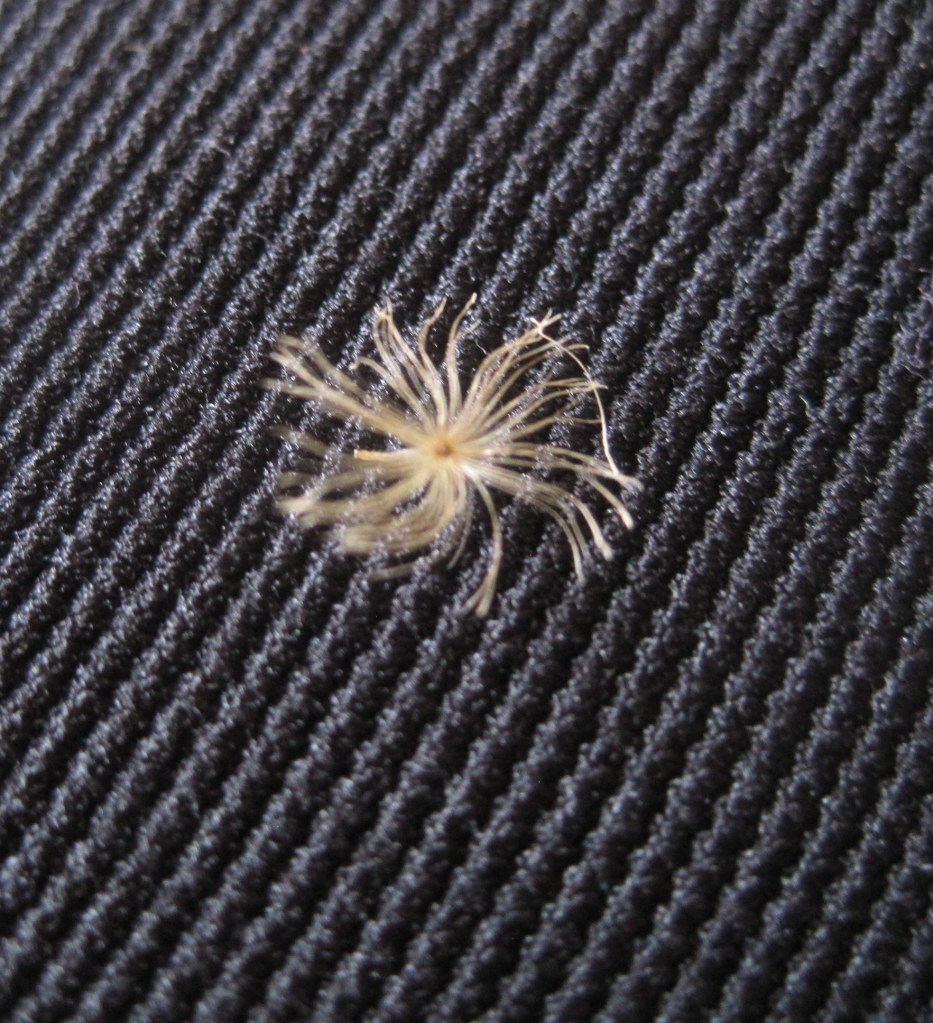
Lovely seedheads are developing and adding a faded beauty to the garden.


Hardly any butterflies, sadly, although the Cabbage Whites have been on a frustrated hunt for my brassica plants. I did spot a lovely Comma the other day and managed to capture a couple of photos.


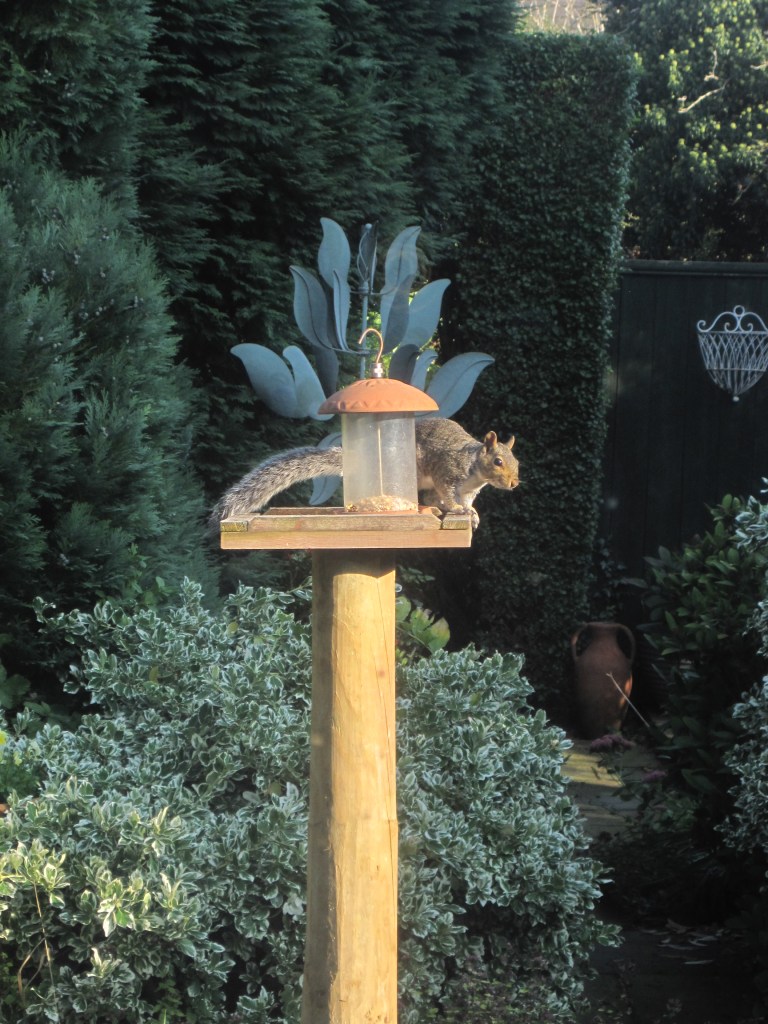
We’ve started feeding the birds again. I read that a Bluetit goes down to 10g in weight during the breeding season and needs to fatten up to 14g to withstand the Winter. The trouble is our small flock of sparrows is wiping everything out! Plus squirrels have been busy trying to access the feeders. Here’s one I snapped through the kitchen window.

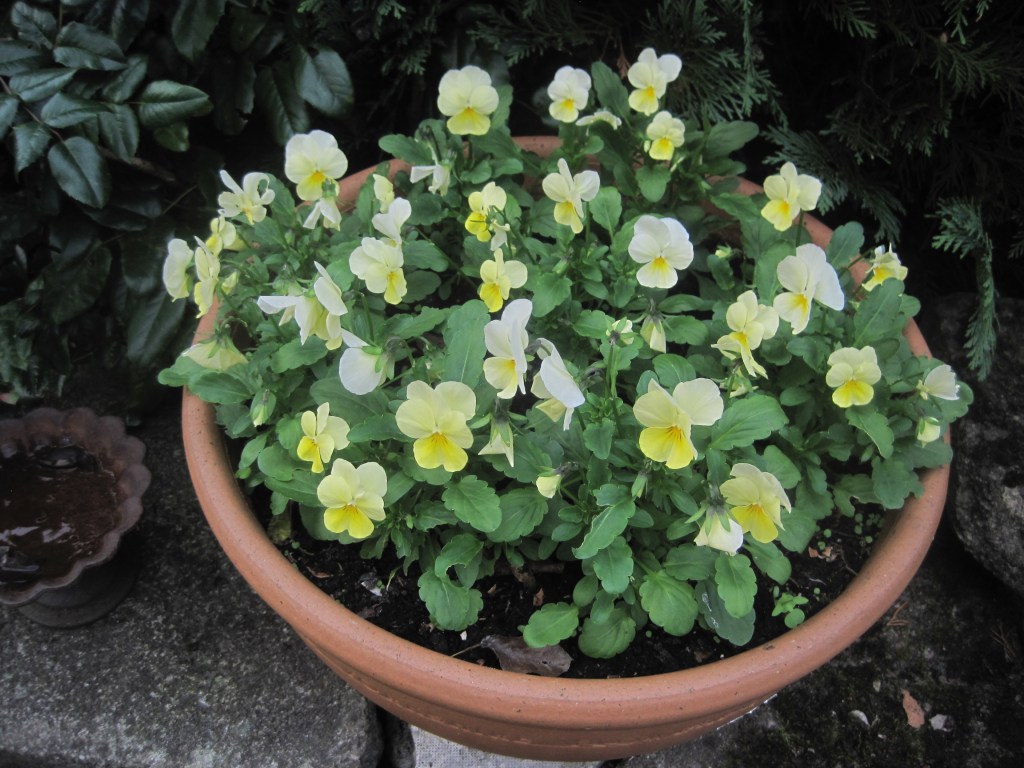
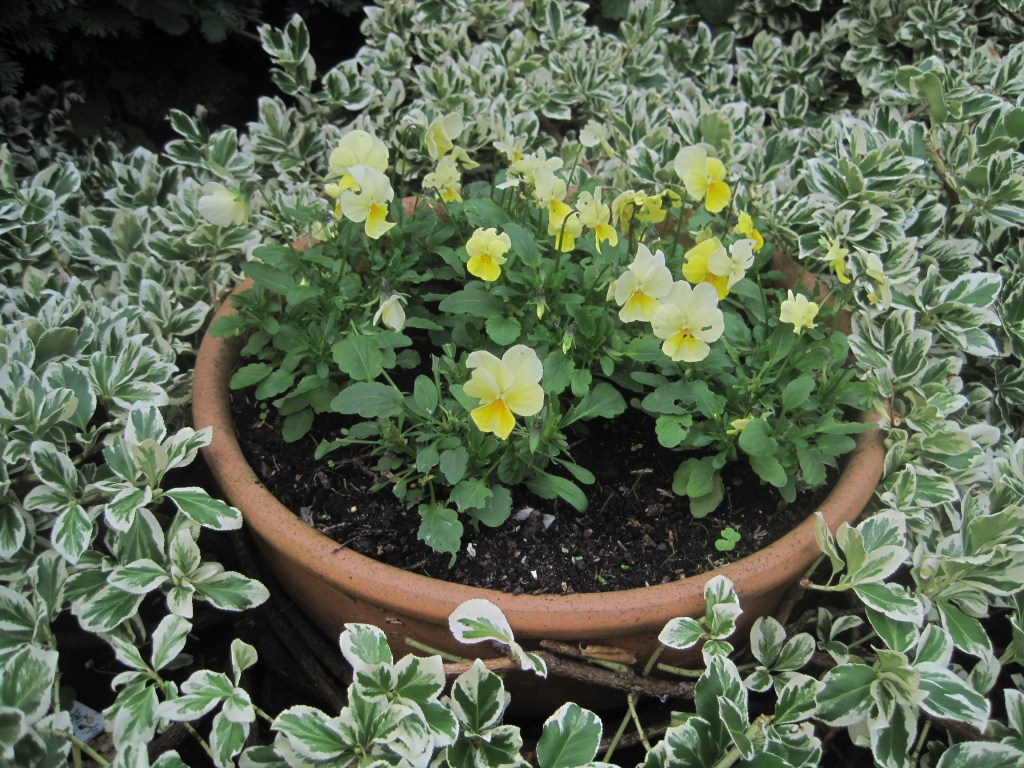
I’ve bought little violas to fill the pots. Cheerful yellow for most of them but two pots of a lovely pale purple as well. Such hardy plants and yet so delicate-looking and pretty.
My squashes have been a miserable failure this year. I had two very small ones which looked like they might amount to a small helping but when I went to look at them something had eaten most of the bigger one! Looks like it might have been a mouse. Doesn’t seem like slug damage. Oh well, next year I will try again,
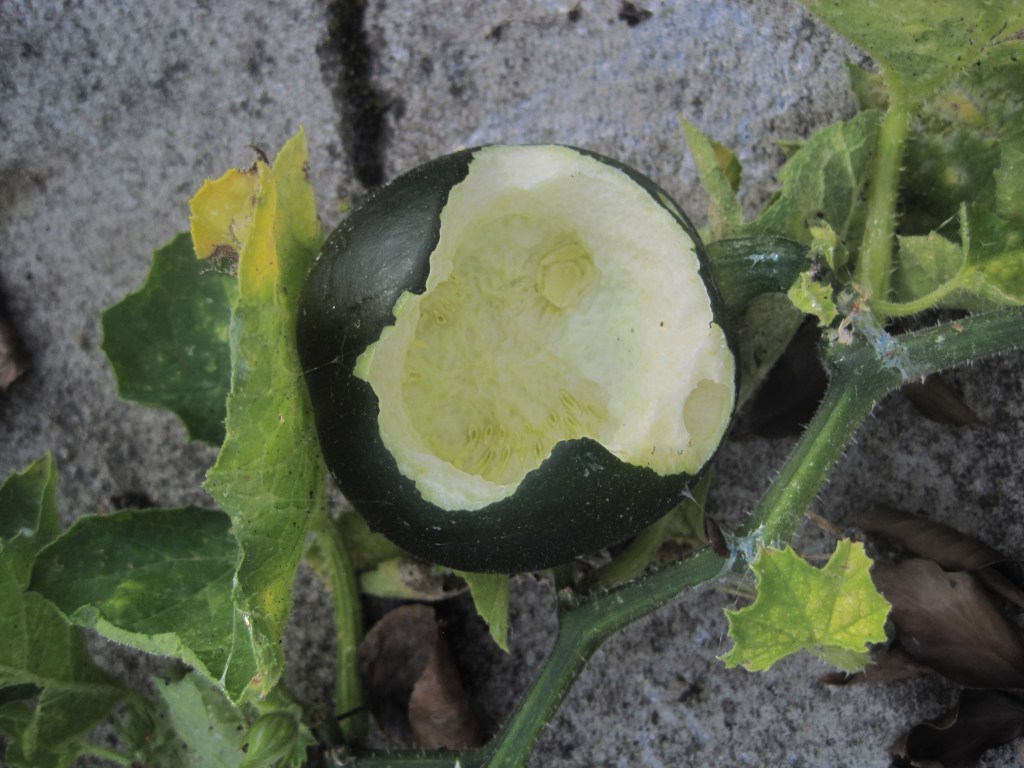
Gardening is always a gamble. Weather, pests, time and energy levels can interfere with the best plans. Over the winter I renew my anticipation for a fresh start when Spring excites me again.
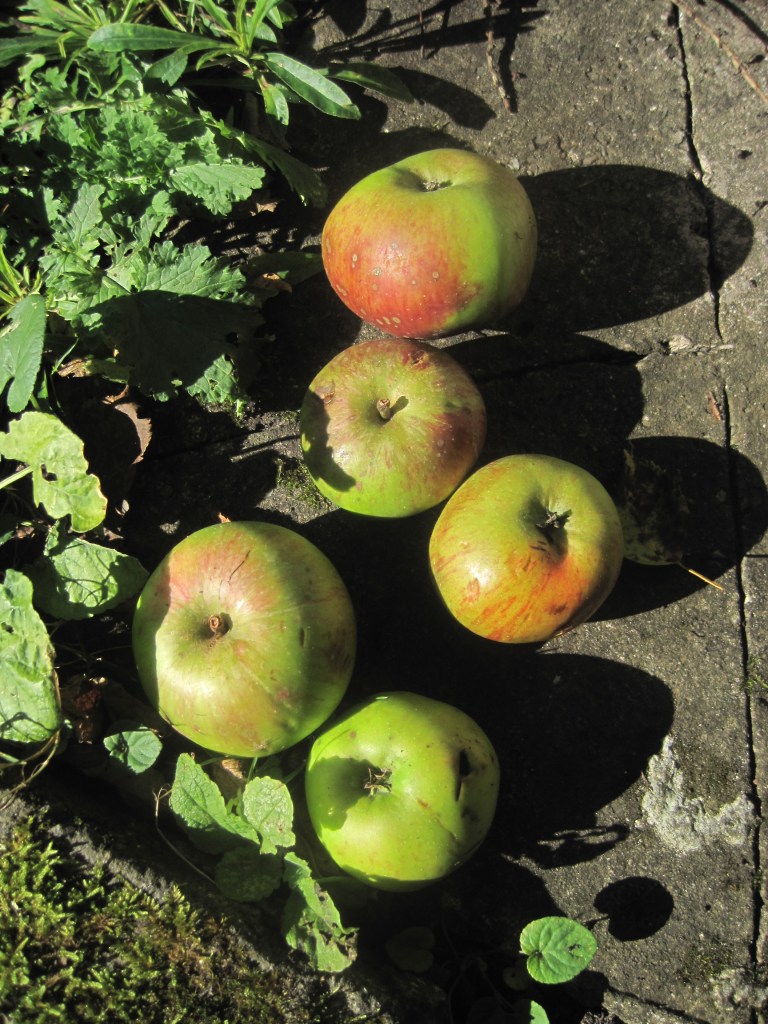
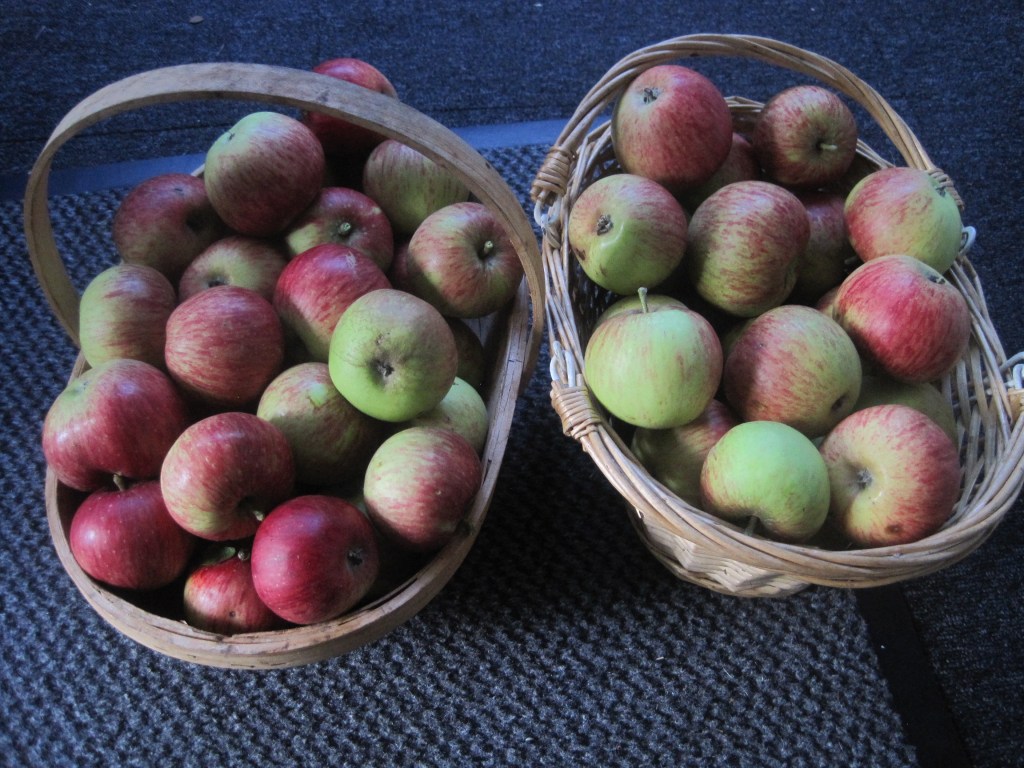
I have apples waiting to be preserved in some way. I used to store them in the shed but mice and then rats got in so it’s no longer a good idea. I have a book by Beryl Wood called “Let’s Preserve It”. It’s a very comprehensive collection of old recipes for preserving fruit and vegetables. I found one in the apple section for apple and ginger jam. I liked the sound of it but as usual I thought I could adapt it to make it easier and a bit more to my taste. It was easy to do once the apples and ginger were prepared. The end result is delicious. You will need ginger syrup. I make my own but a bought jar of stem ginger has plenty of syrup to use for the recipe.
Have a board by the side of the hob covered with a teatowel or kitchen paper to prevent cold shock to the jars. If you haven’t a large wooden chopping board, cover the counter with a folded teatowel. You will need a ladle and a funnel.
Apple and Ginger Jam
Makes about five small jars.
900g ( 2lbs) approximately, Cooking Apples
285ml (half a pint) Water
100g (4oz) approx. Stem Ginger
1 Lemon
3 tablespoons Ginger Syrup
680g Sugar
Wash the jars and rinse well. Place in the oven and turn the heat to low. Put lids to one side and keep dry.
Prepare the apples by peeling and coring. Slice into salted water to prevent browning.
Rinse the apples in a colander and drain.
Put in a pan with the water and simmer until soft.
Mash a bit to remove lumps.
Chop the ginger finely.
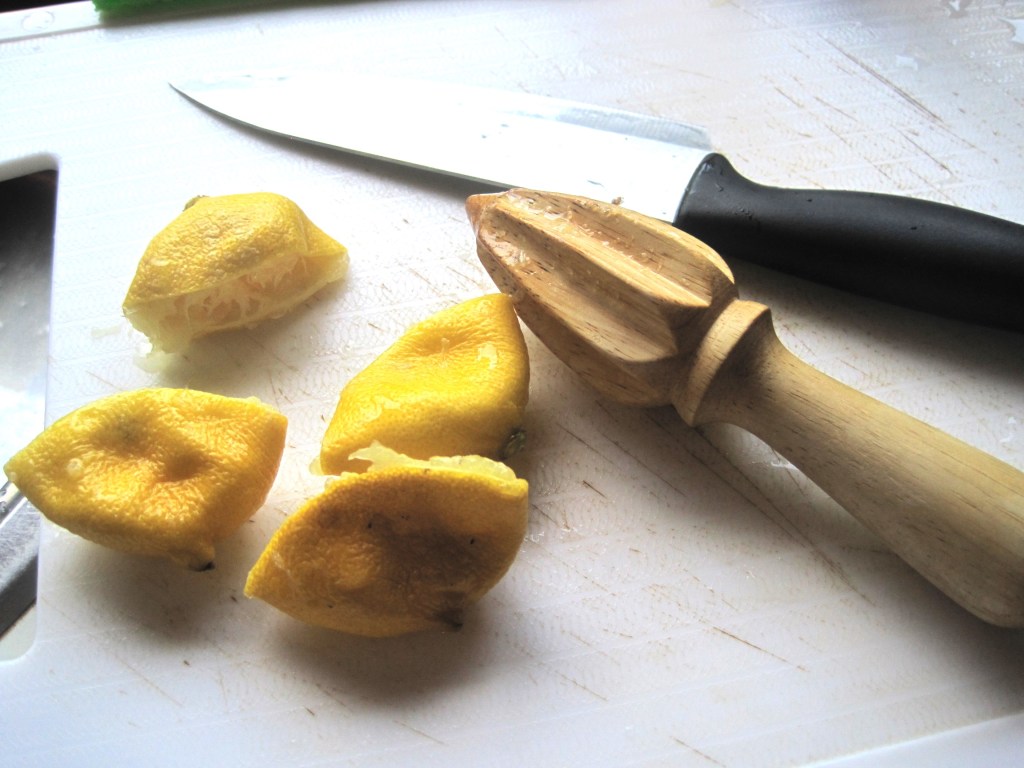
Add juice of the lemon, sugar, ginger syrup and chopped ginger to the pan.
Bring to the boil, stirring to dissolve sugar and mix ingredients.
Boil for ten minutes.
Test a spoonful on a cold plate for setting.
If the surface wrinkles as it cools it is ready for potting.
If not, boil for a few more minutes, checking after each minute.
I found ten minutes was enough.
Cool slightly and stir foam back into the jam.
Remove the jars, one at a time, from the oven and ladle the hot jam in, leaving a slight gap at the top.
Screw the lid on immediately and tighten.
As the jars cool they will seal. You will hear the lid pop if this has happened correctly. They will keep for a couple of years if they're sealed.



As the colder months approach I’m thinking of satisfying hot meals. I love one-pan cooking and most of my meals with vegetables, meat or fish are made this way now. It’s not only an easy way to cook, it uses less fuel and there is little washing up to do afterwards. Above all though, it’s the most nutritious way to cook a meal because the vitamins are not poured down the drain. The small amount of water I use ensures all the goodness is retained along with maximum flavour.
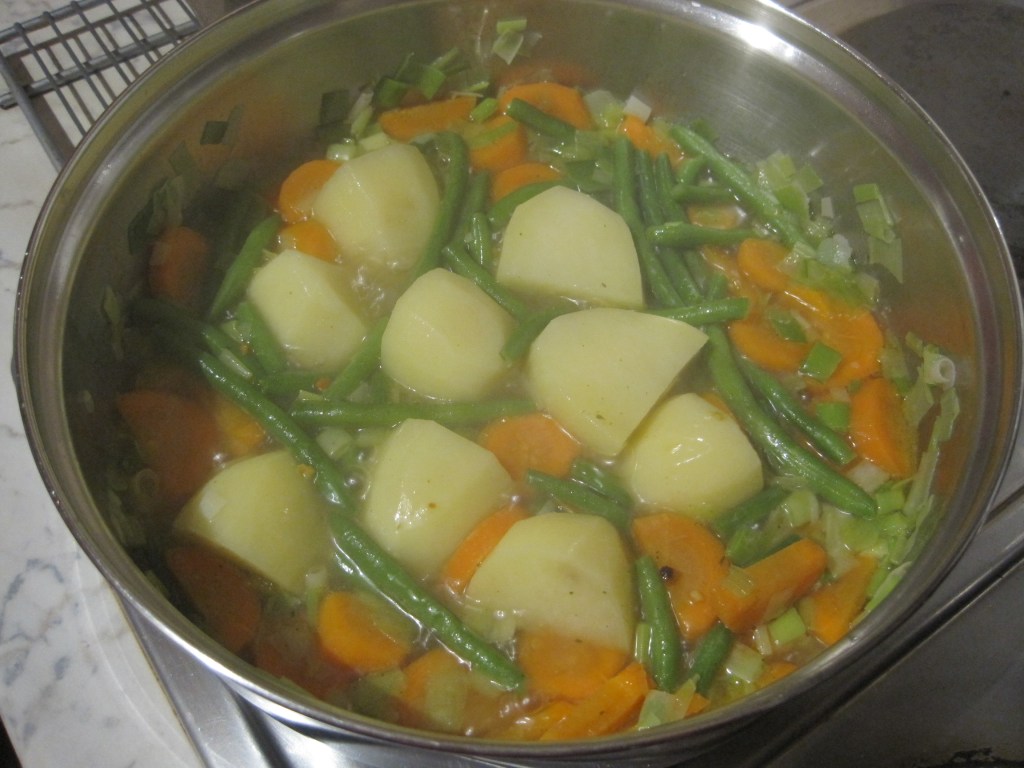
Many cooks talk about their secret ingredients. No secrets with my cooking; I’m happy to share ideas. Of course I use ingredients and methods which I believe make a dish that bit better.
There are two ways I ensure the tastiest out come with these one-pan meals. One is, as I said above, not to use too much water, so that the vegetables partly steam and the other is to use good stock. I always use Kallo organic vegetable or chicken stock cubes. This is an essential base for flavour and for making a sauce if needed. Sauce or gravy can be made in the pan by stirring in a little dissolved cornflour. Deliciously savoury.
Ideas for these simple, tasty and nutritious meals are in my Earthy Homemaker’s Cookbook. Here’s my link if you would like to see them.
I hope you’re enjoying the harvest and the pleasures of September. With you again in a couple of weeks. Bye for now.

 Living a contented creative life.