Glowing Colours, New Beginnings and Cheese Scones.

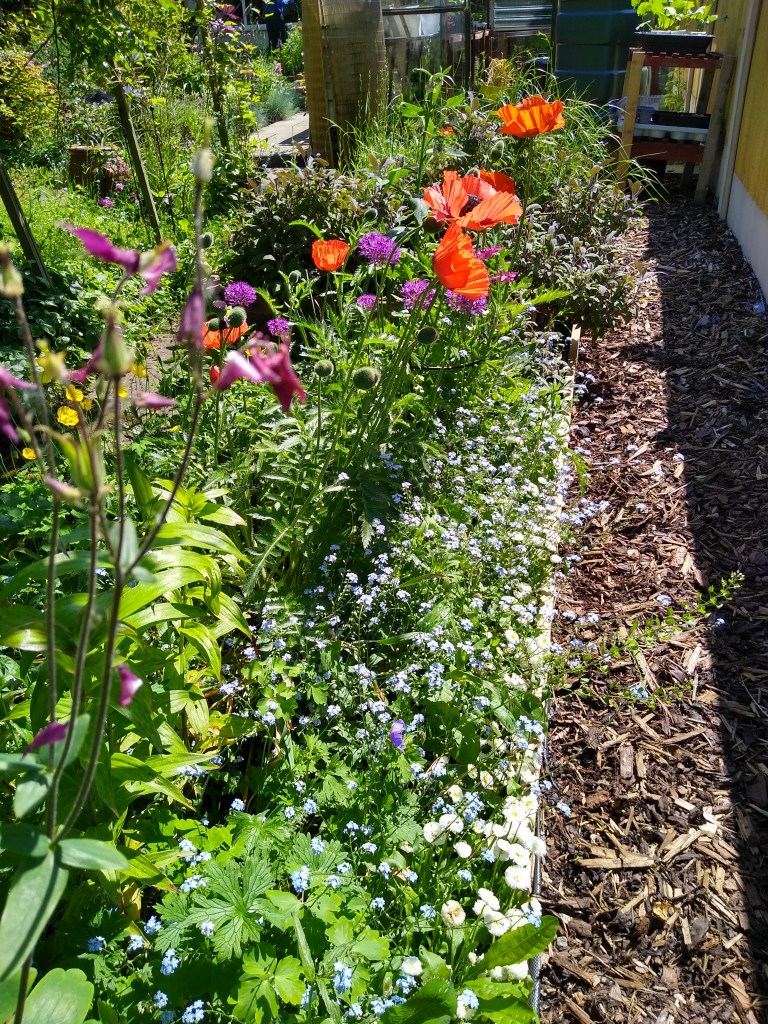
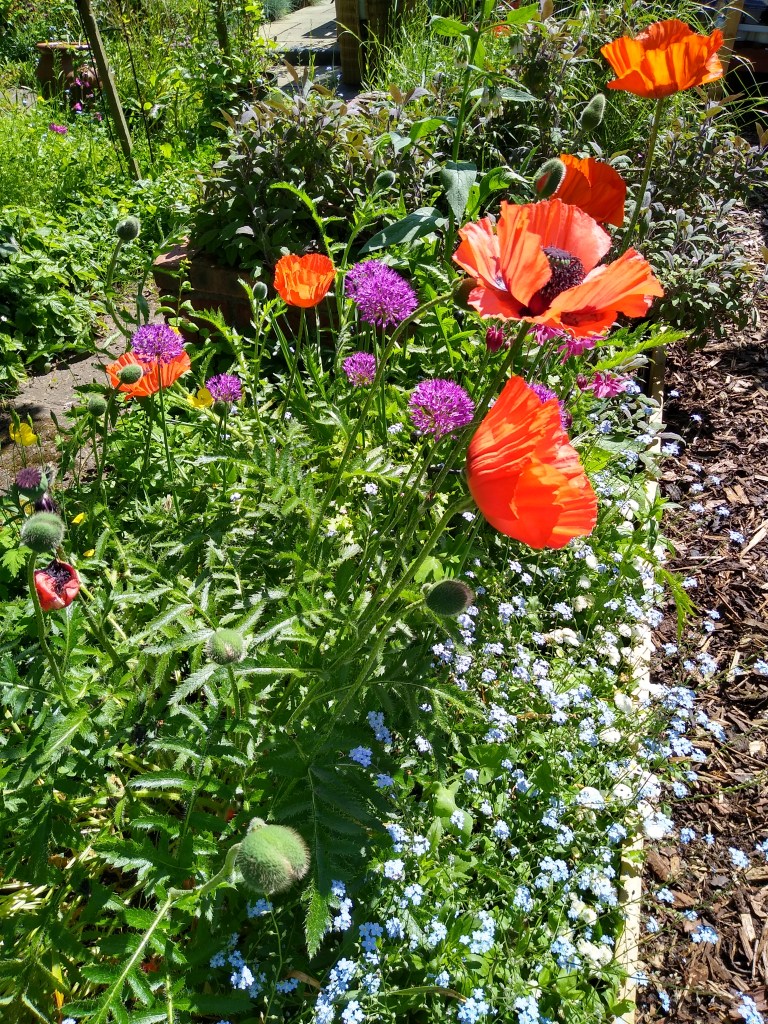
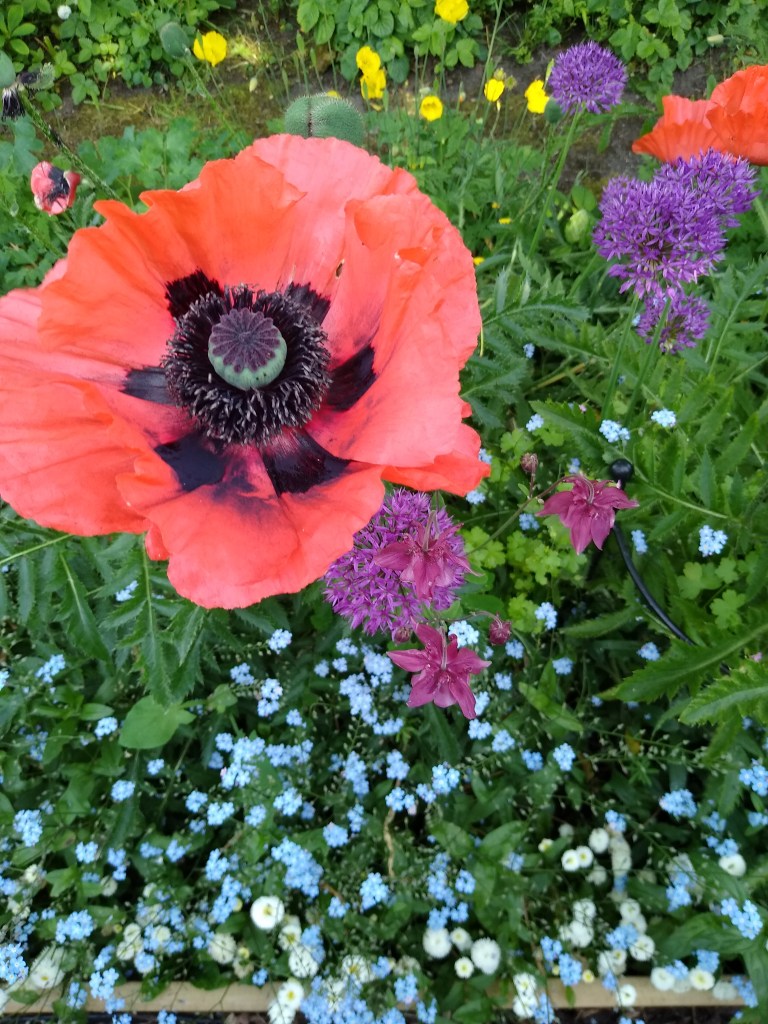
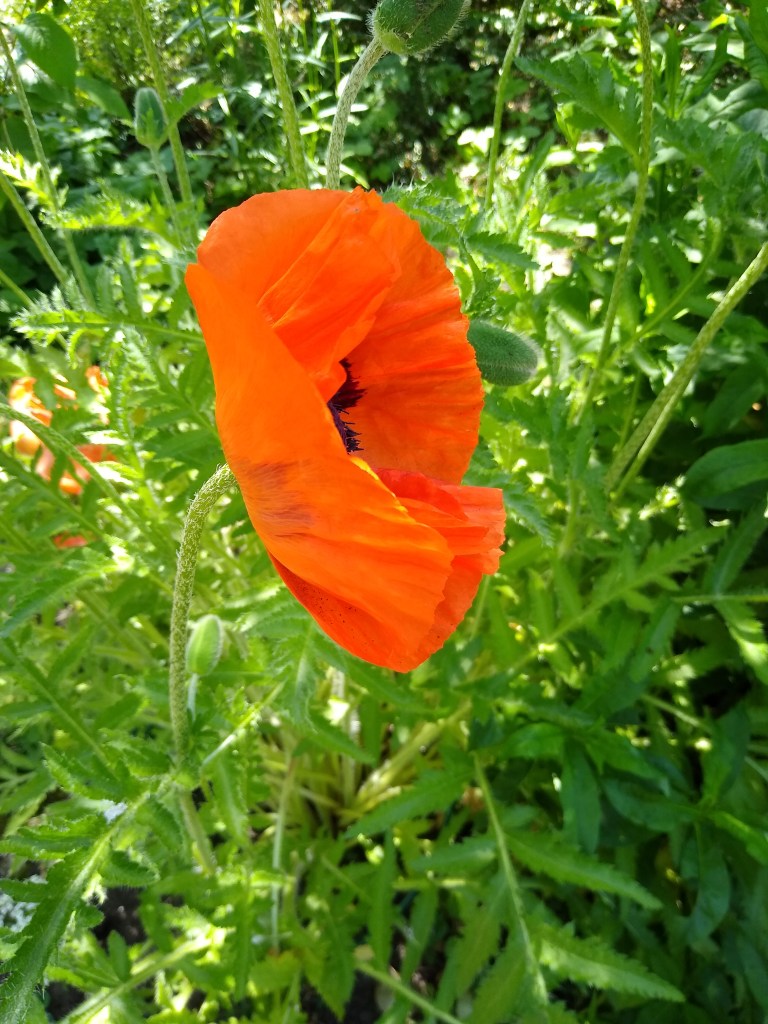
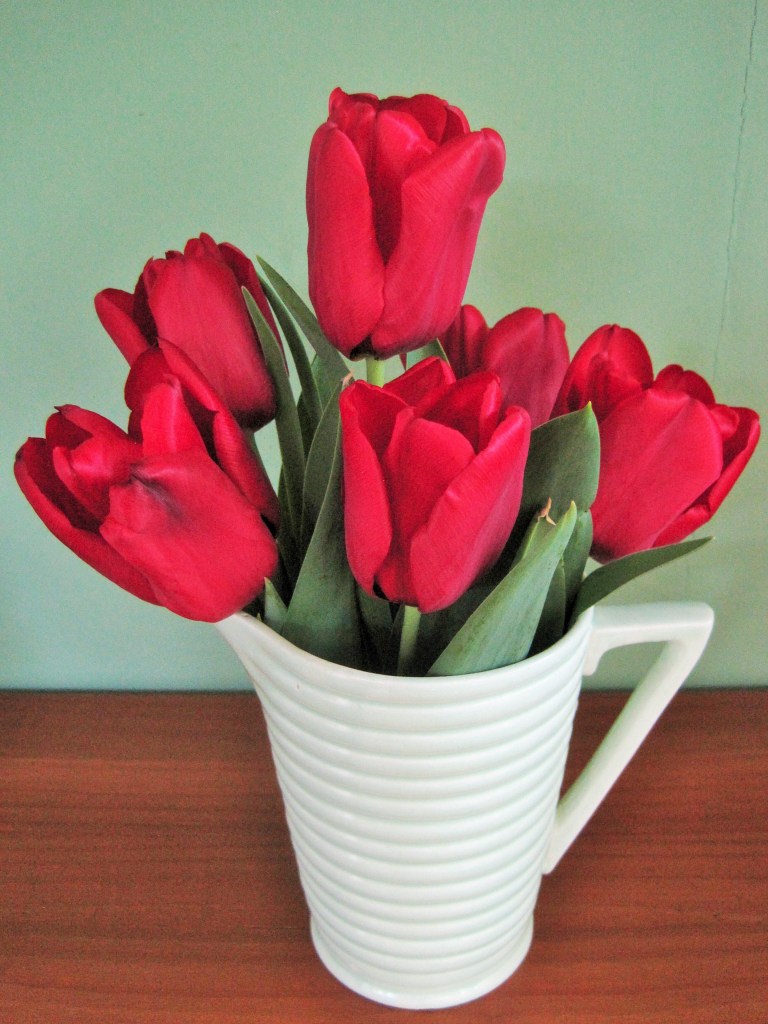
It’s the Vernal Equinox this week! The days and nights will be of equal length. The garden is responding to the extra light and so am I. Every sunny day is a bonus to be treasured and filled with garden activities.

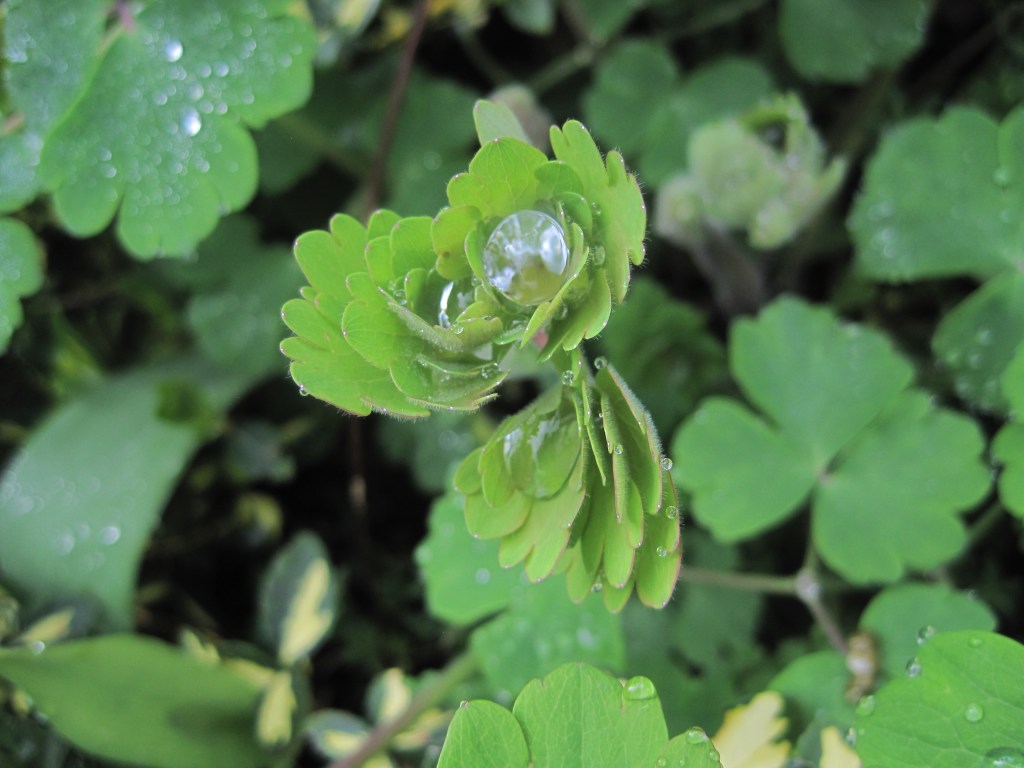
There are some beauties filling out the borders. I’m urging them on, greedy for more flowers, but patience is a virtue which every gardener learns.

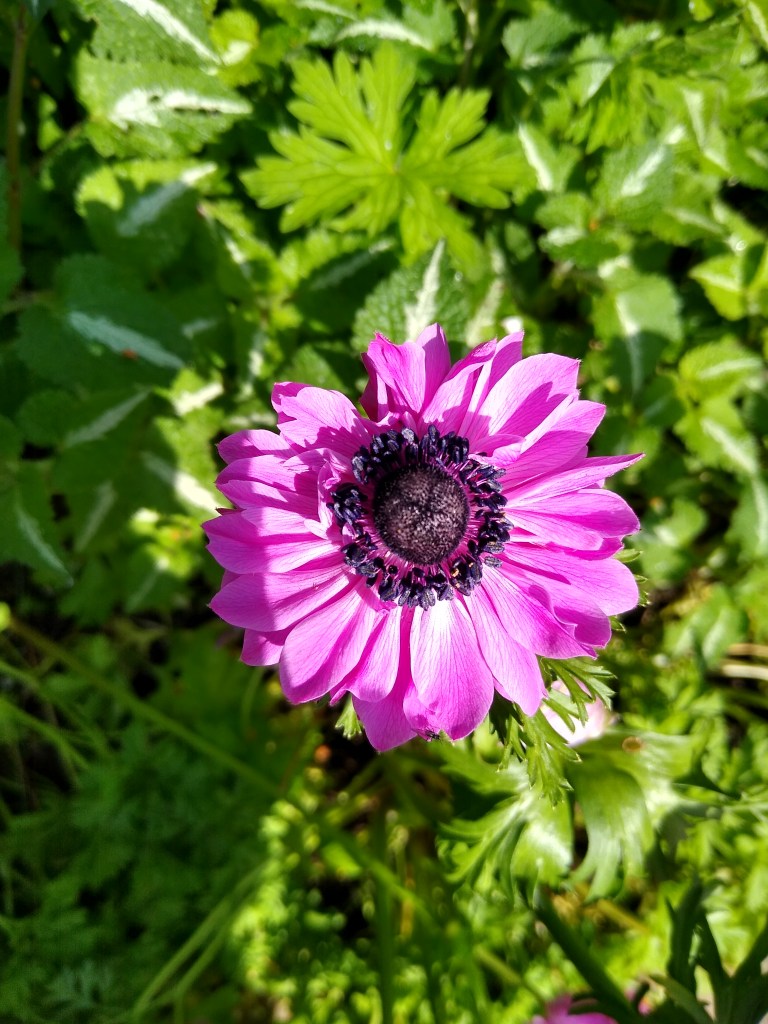
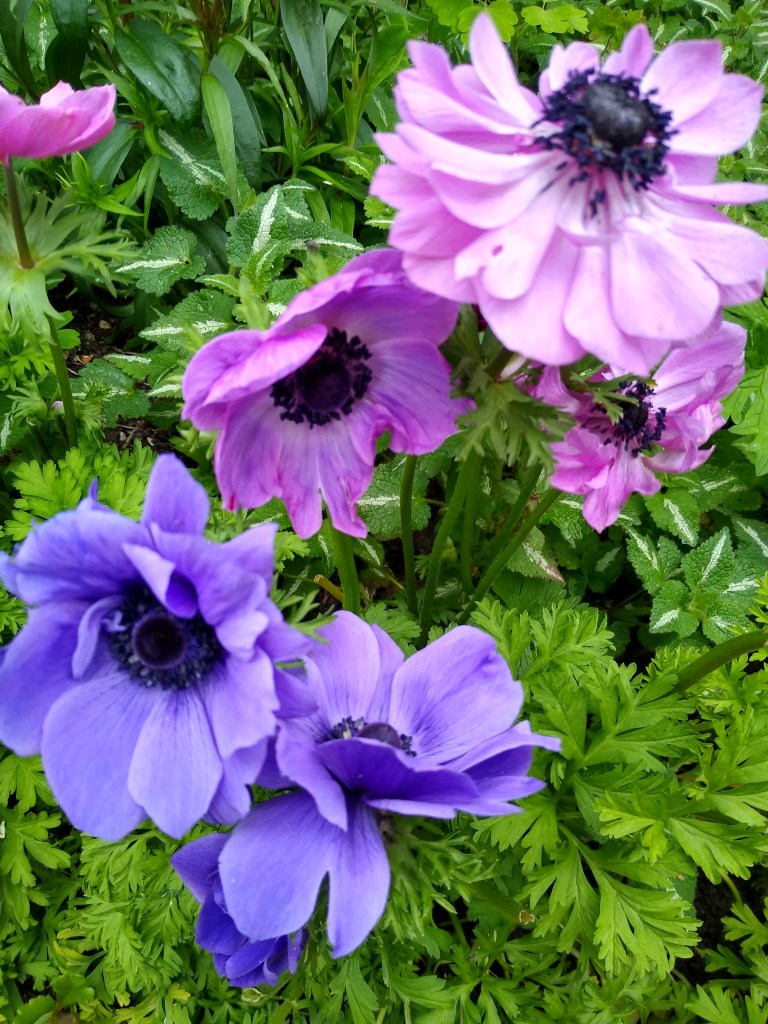
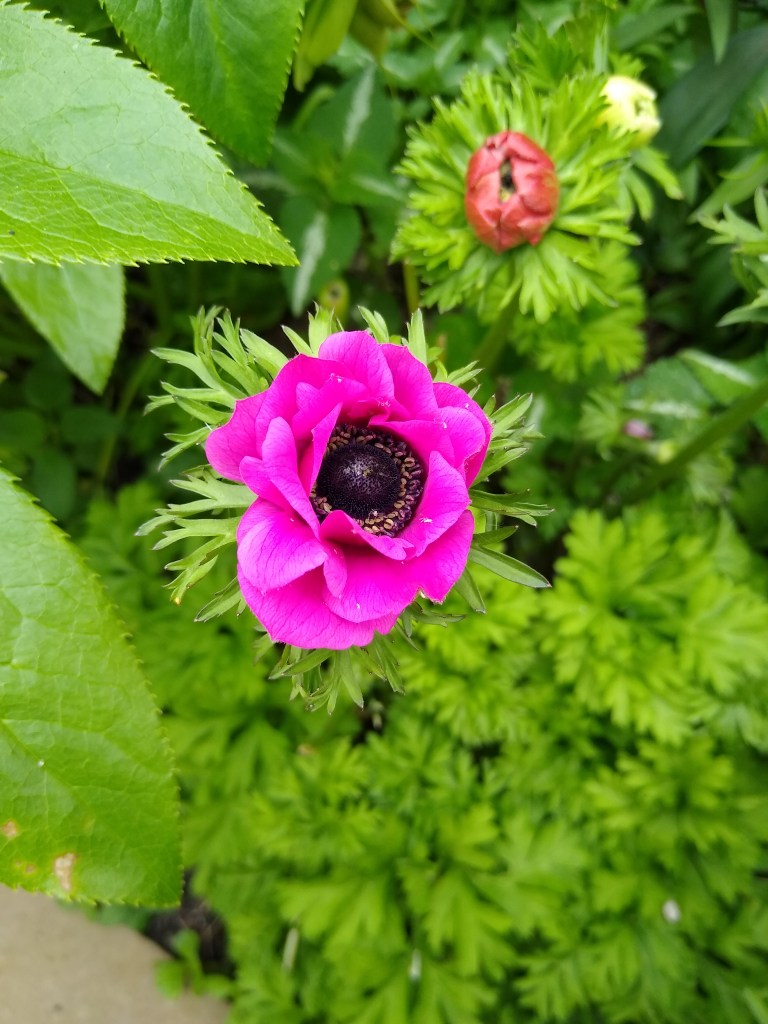
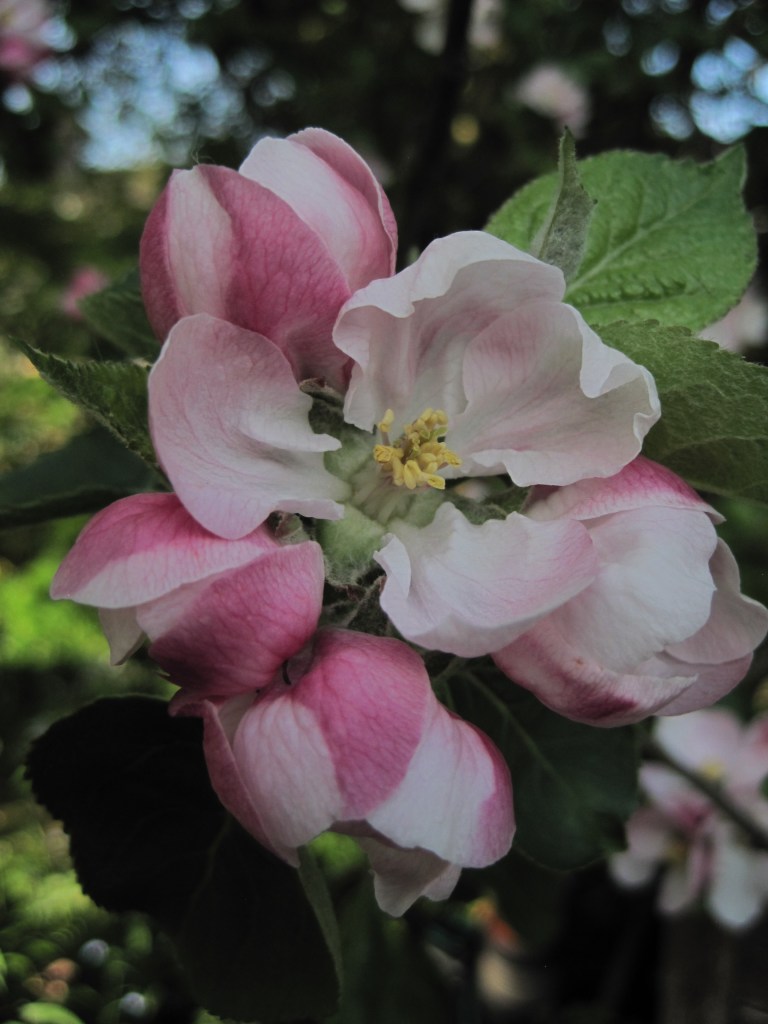
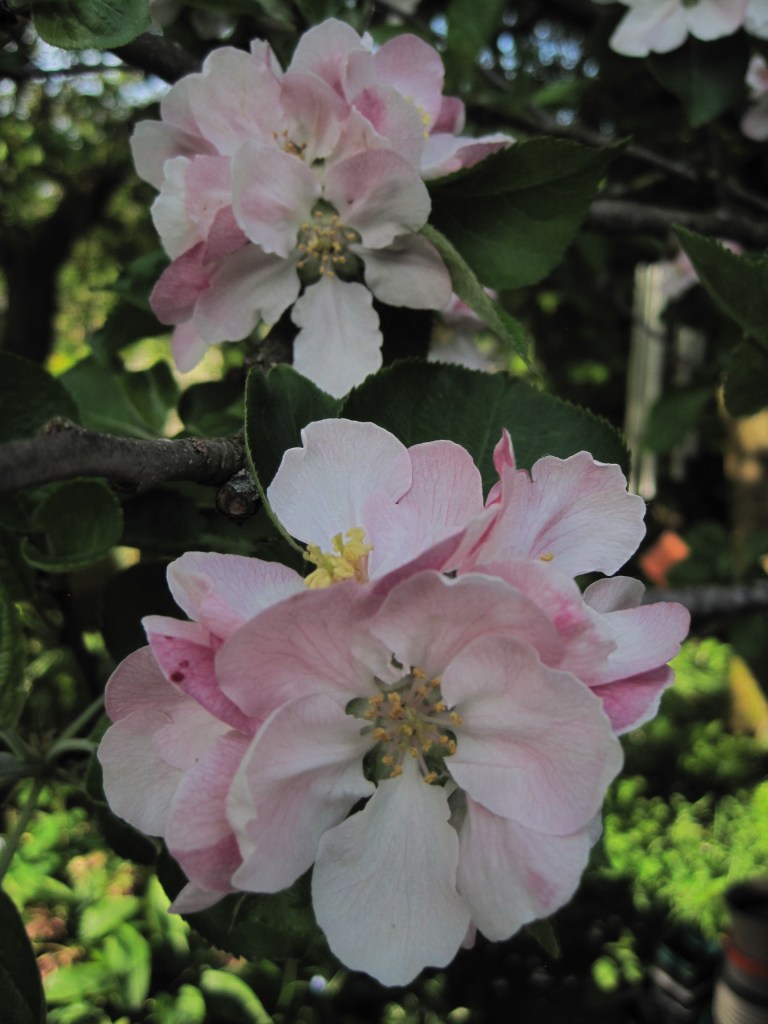
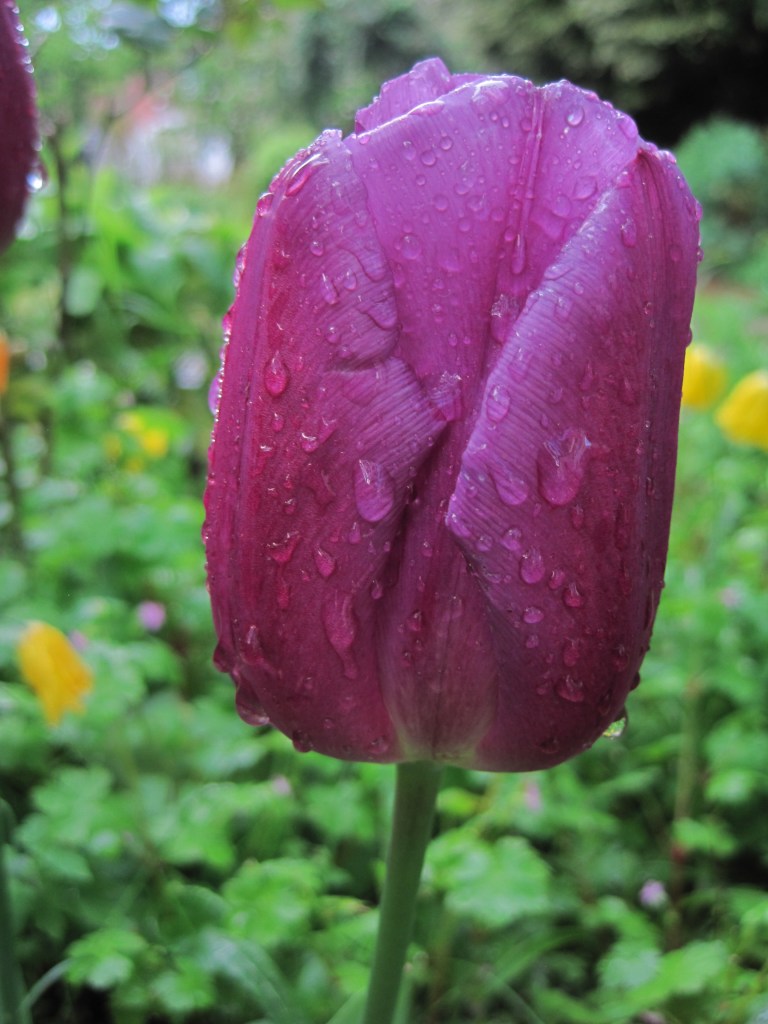
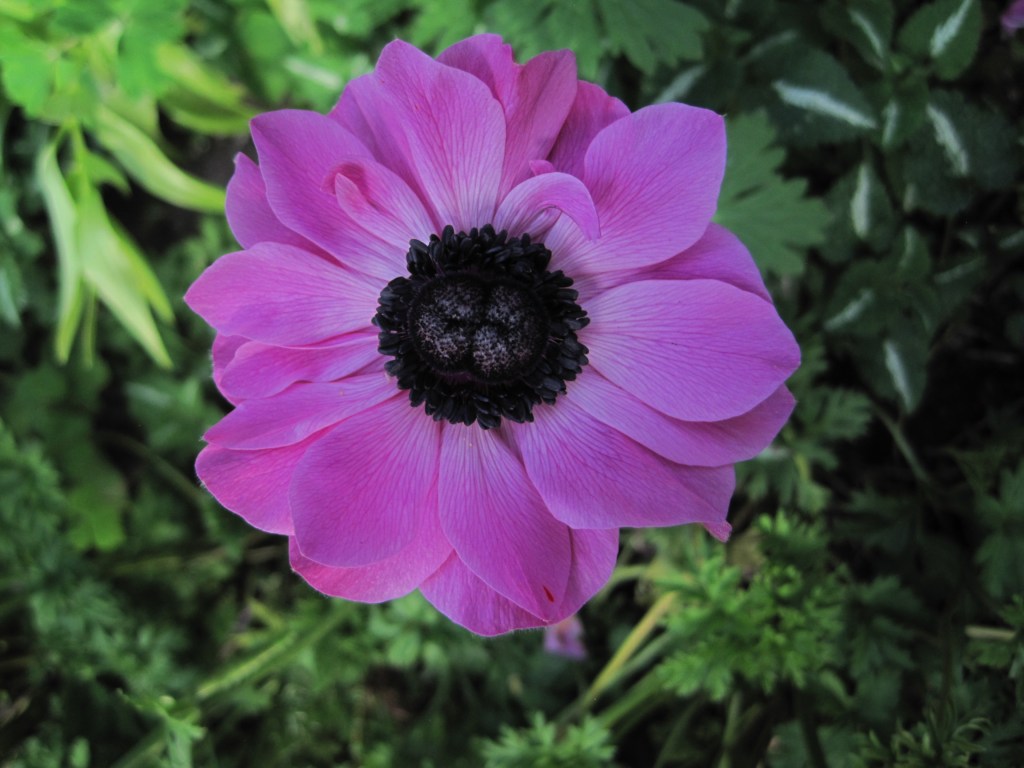
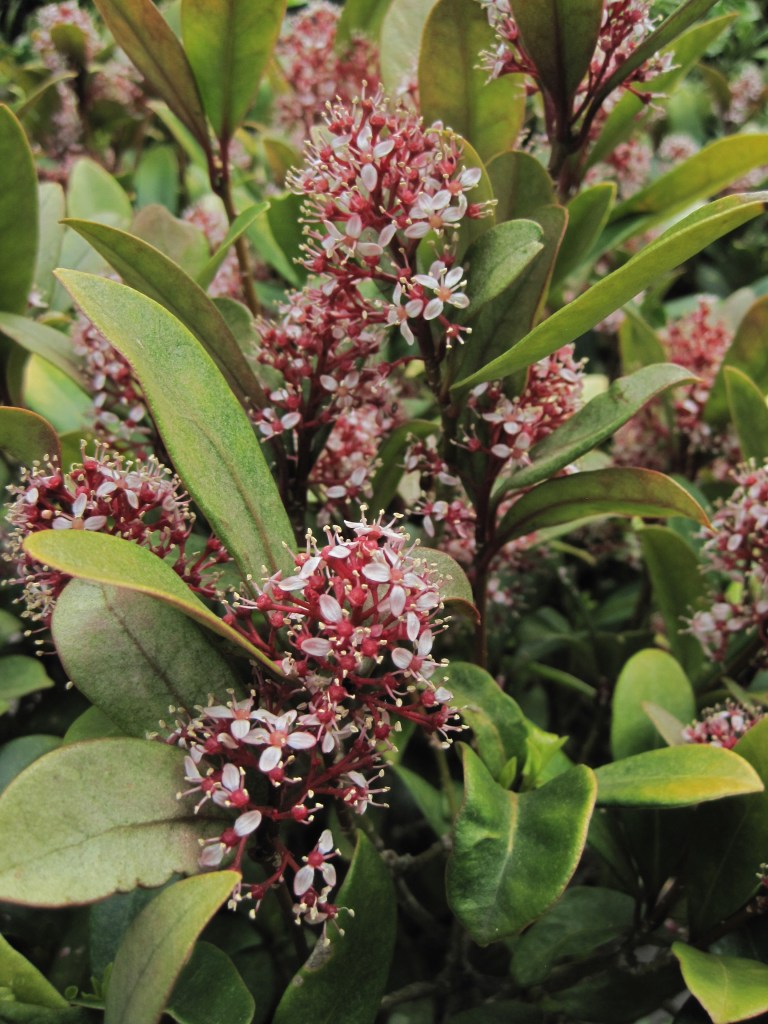
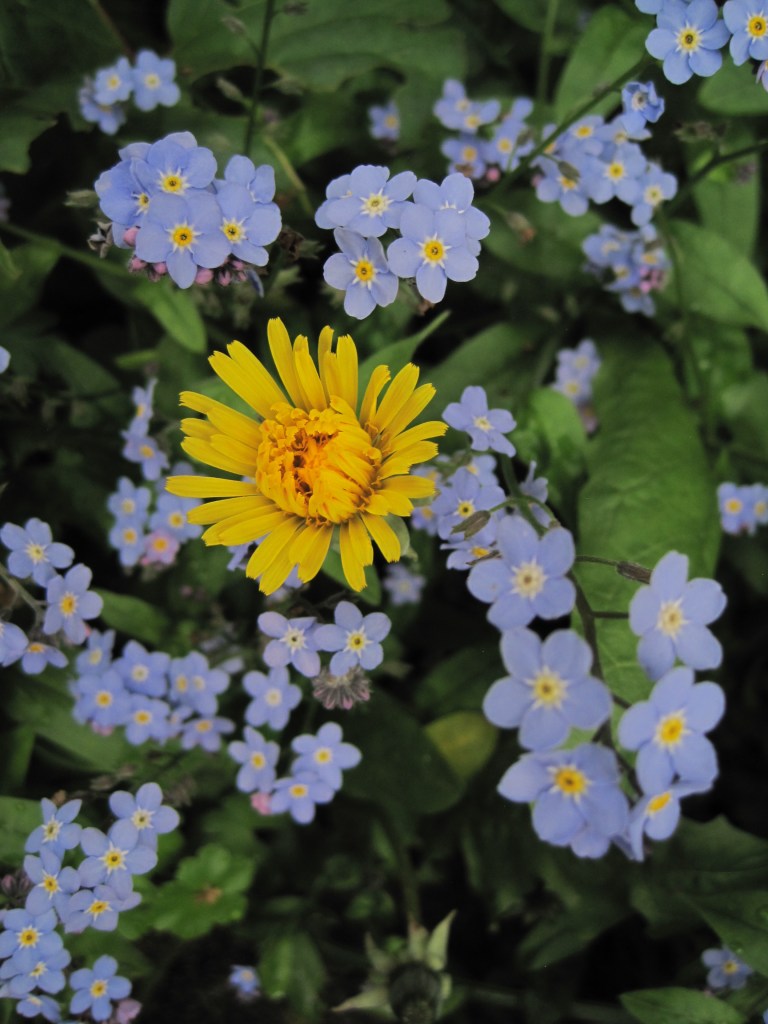
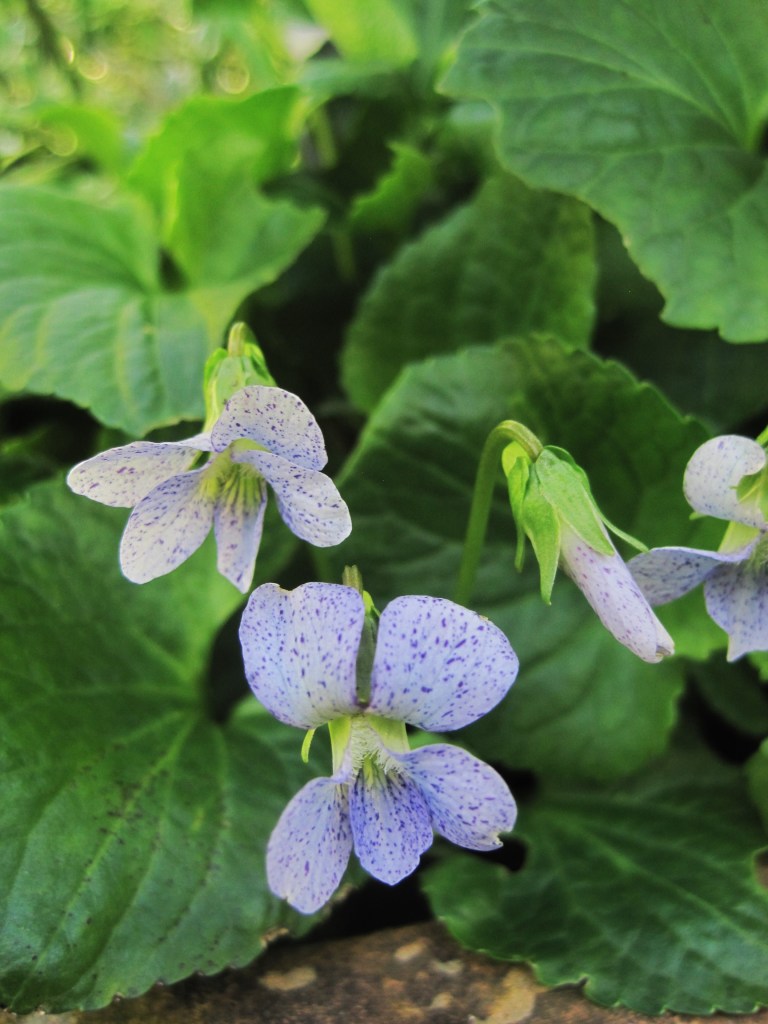
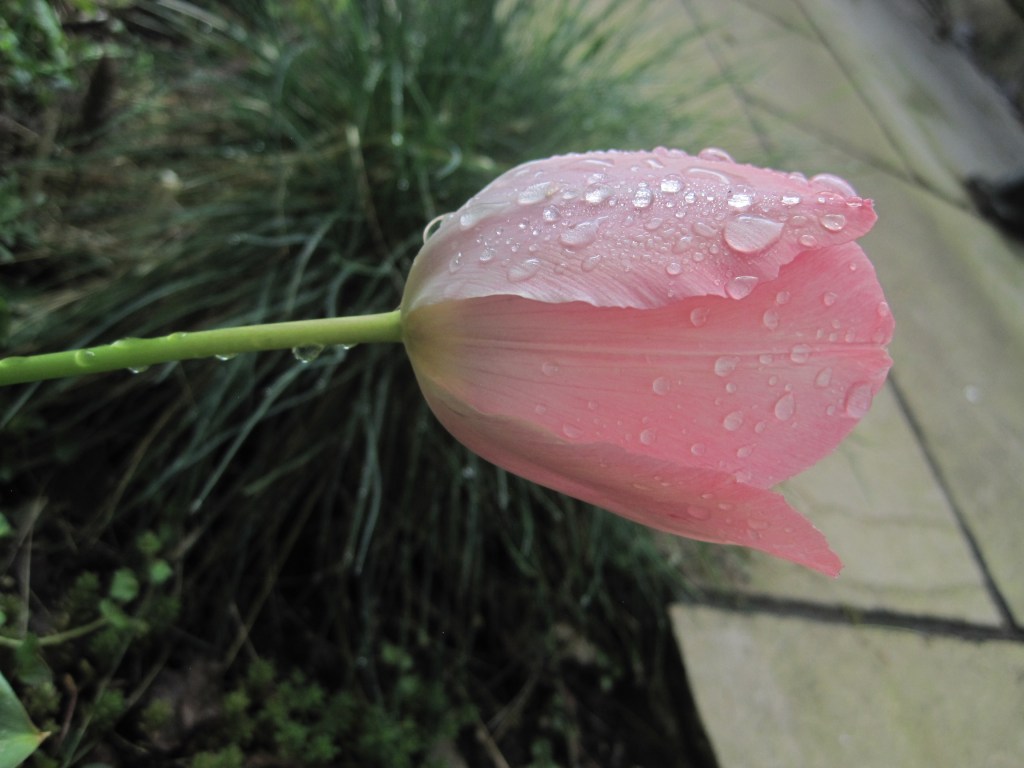
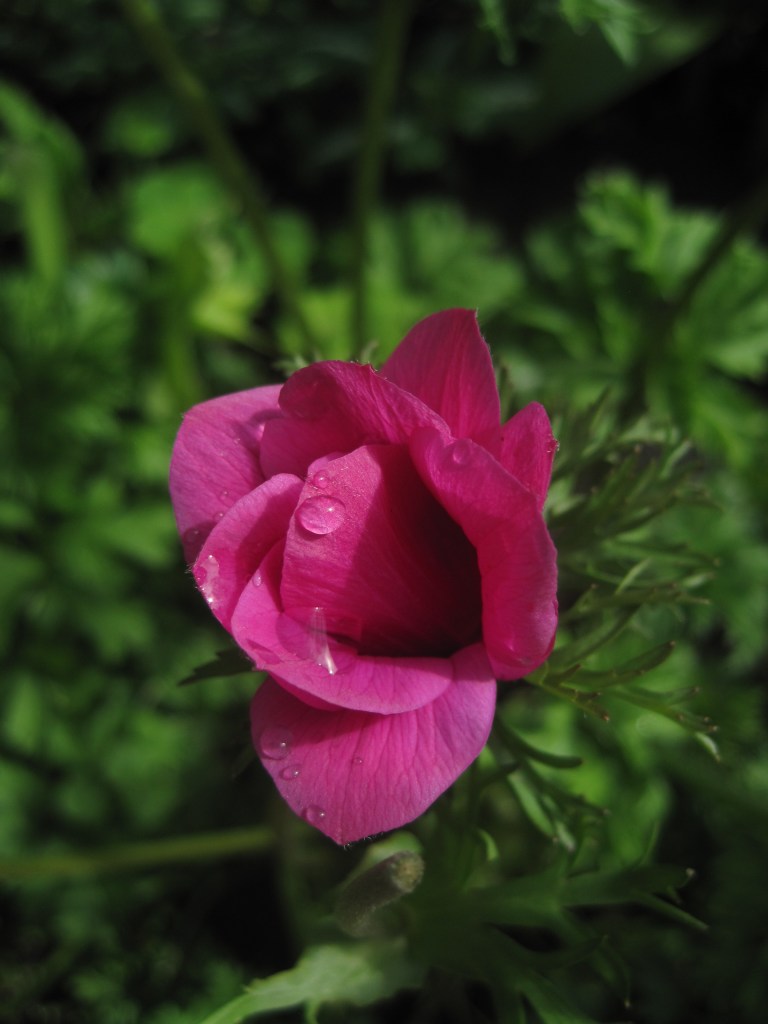
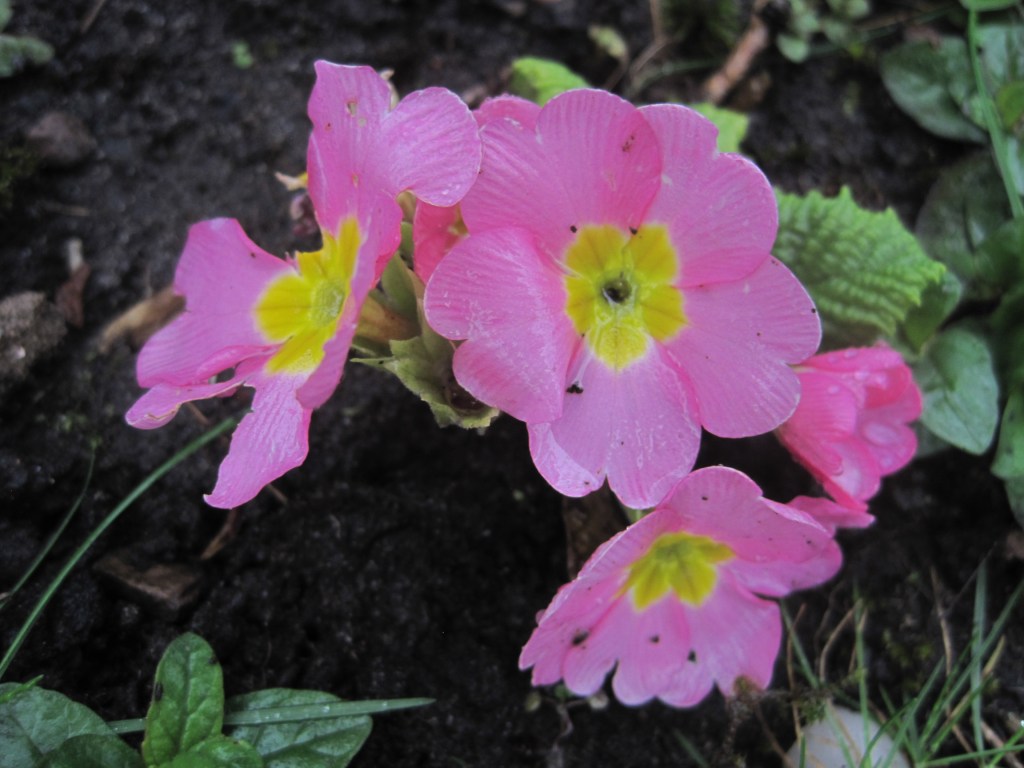
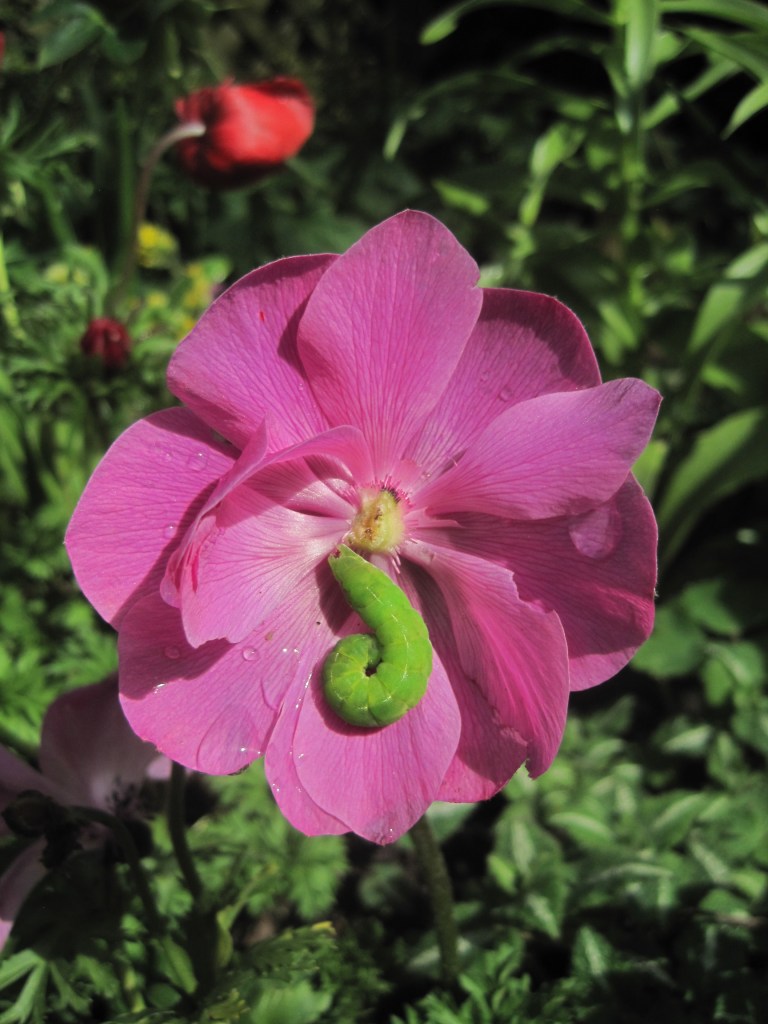
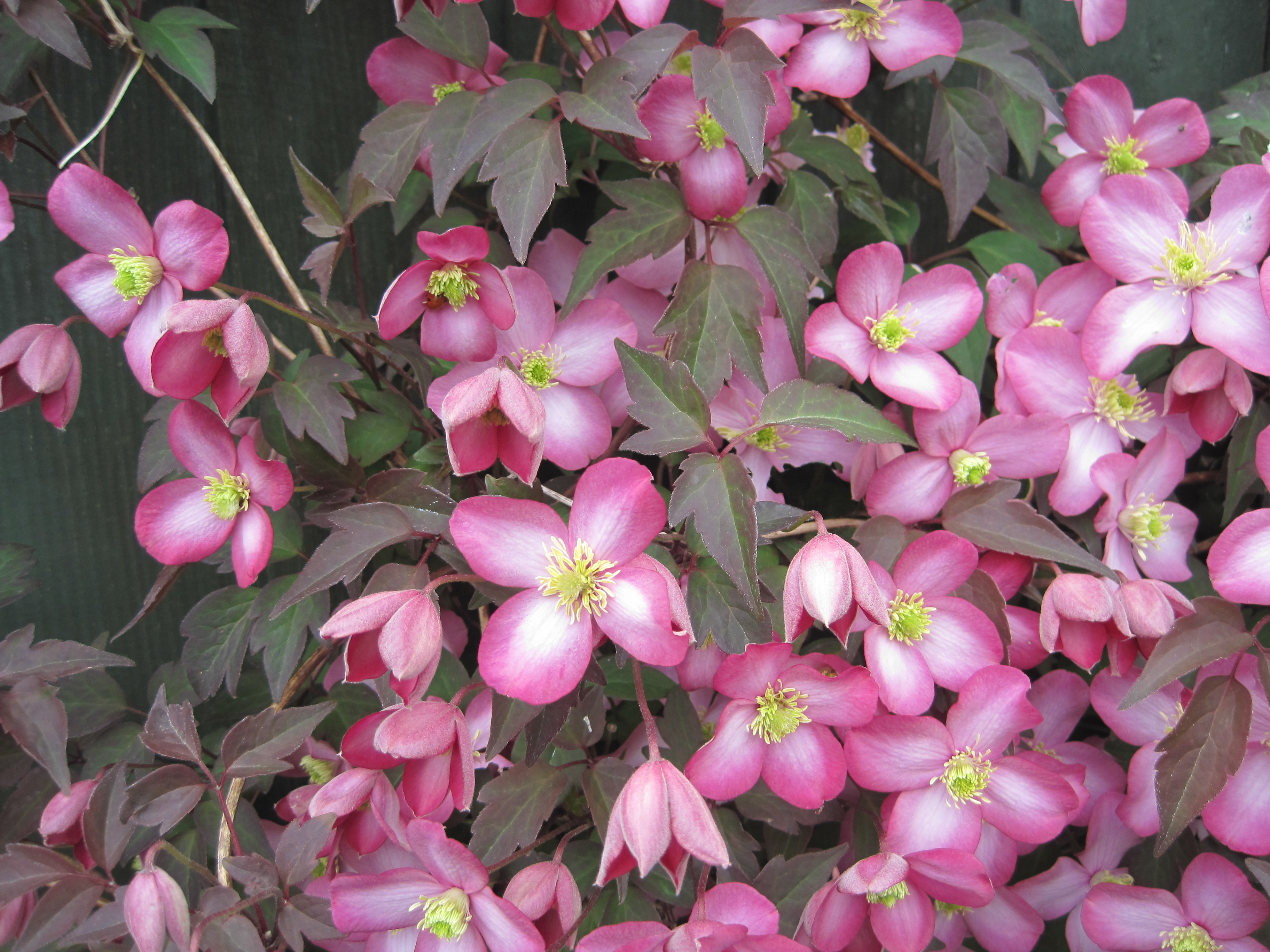
The crocuses are fabulous, the cyclamen are still putting on a show and the primulas and anemones are glowing with vibrant colours.

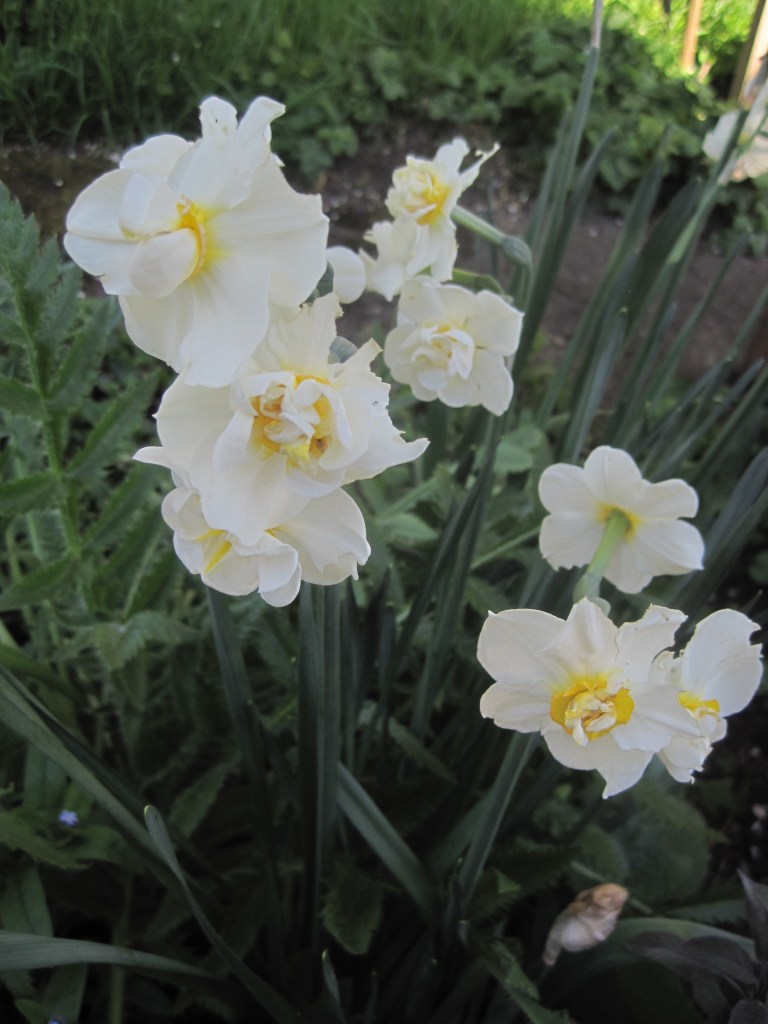
I have only a few daffodils. Many of them forget to flower after a year or two in my light, sandy soil, but I have a few new ones to bloom a bit later.

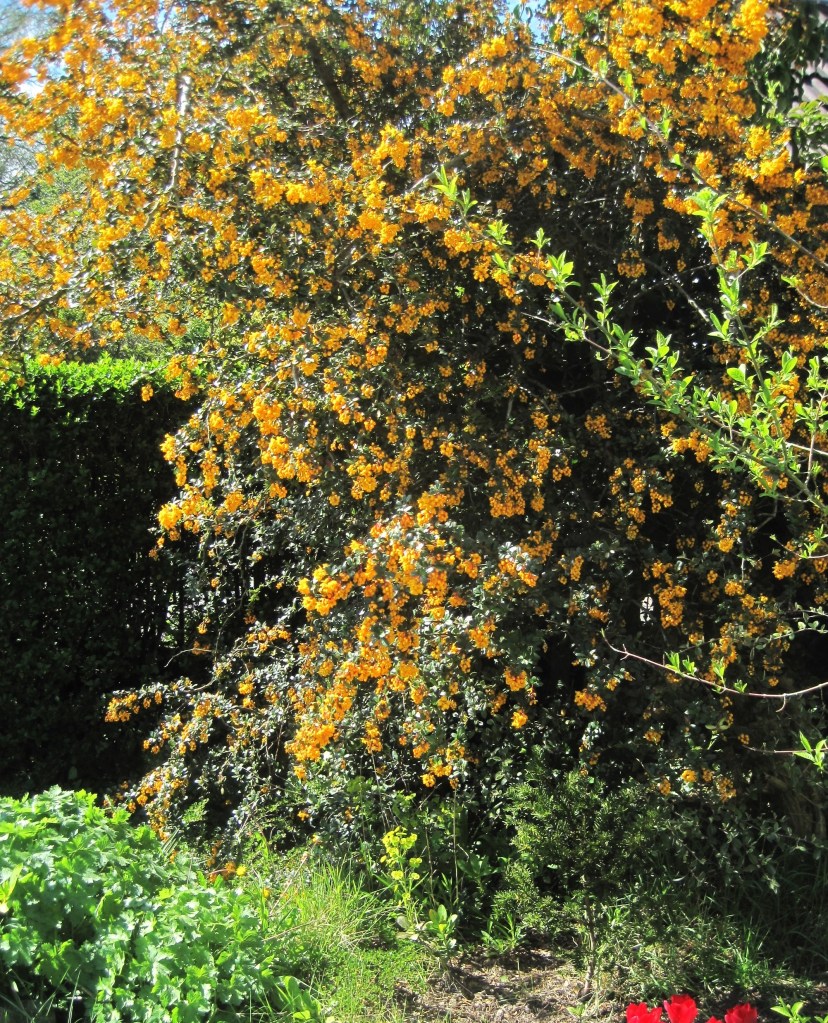
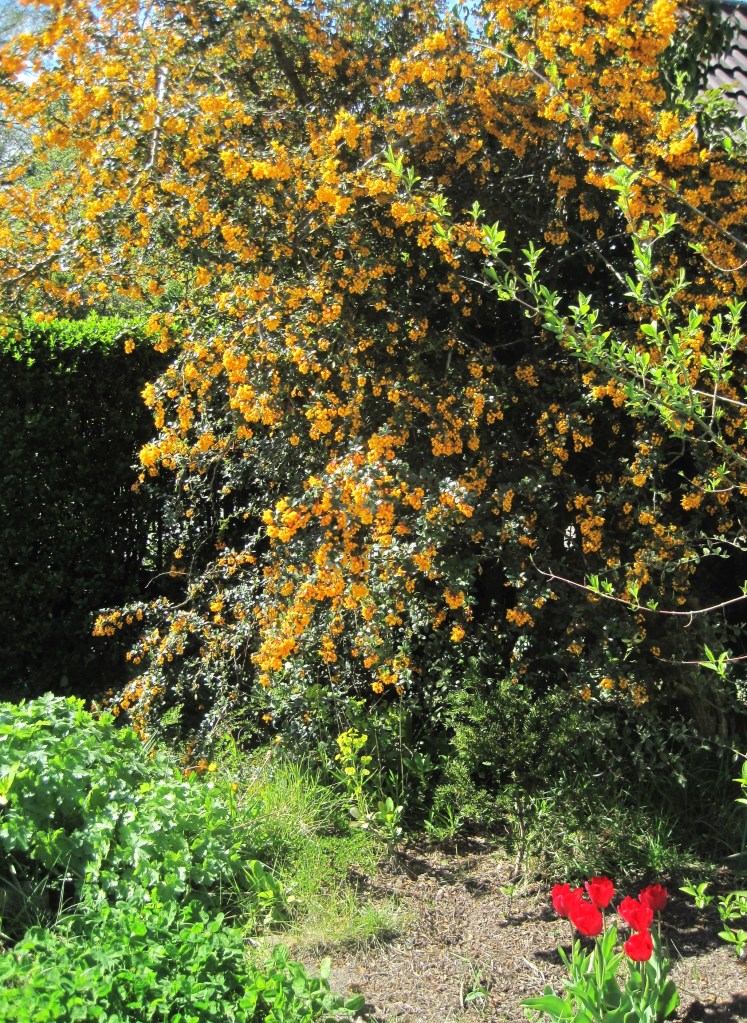
The shrubs are budding and showing promise for Spring. The Mahonia though is flowering now. A welcome evergreen bush which thrives in Winter. Its glossy, spiky leaves and sulphur yellow blossom look lovely during these early days.

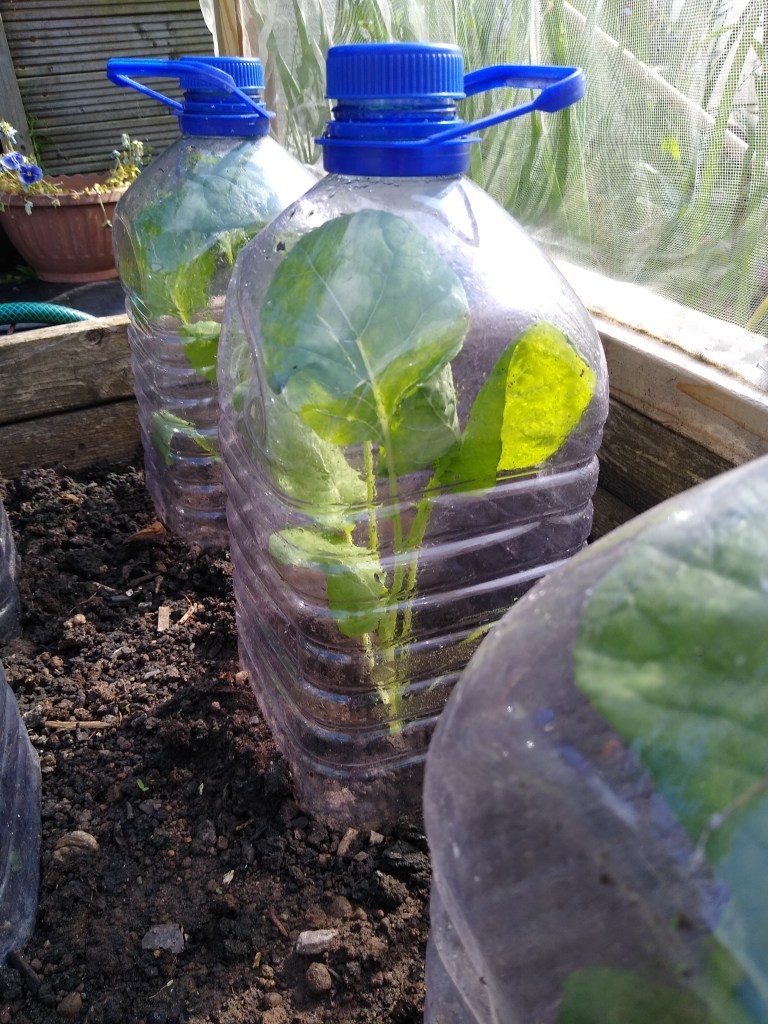
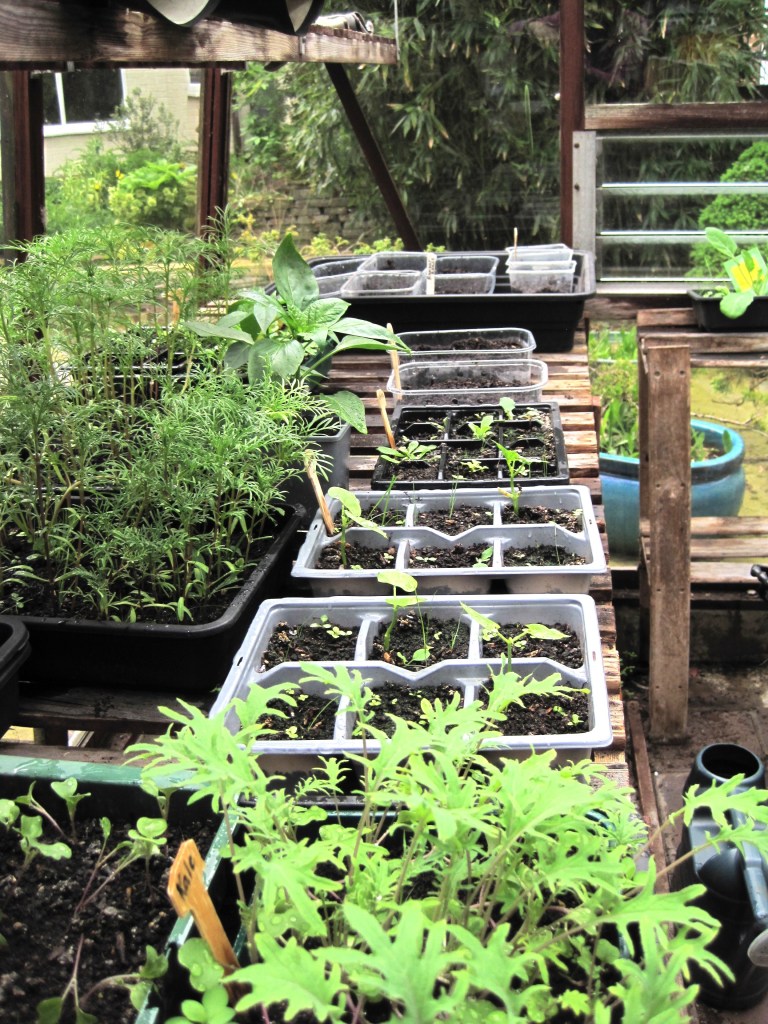
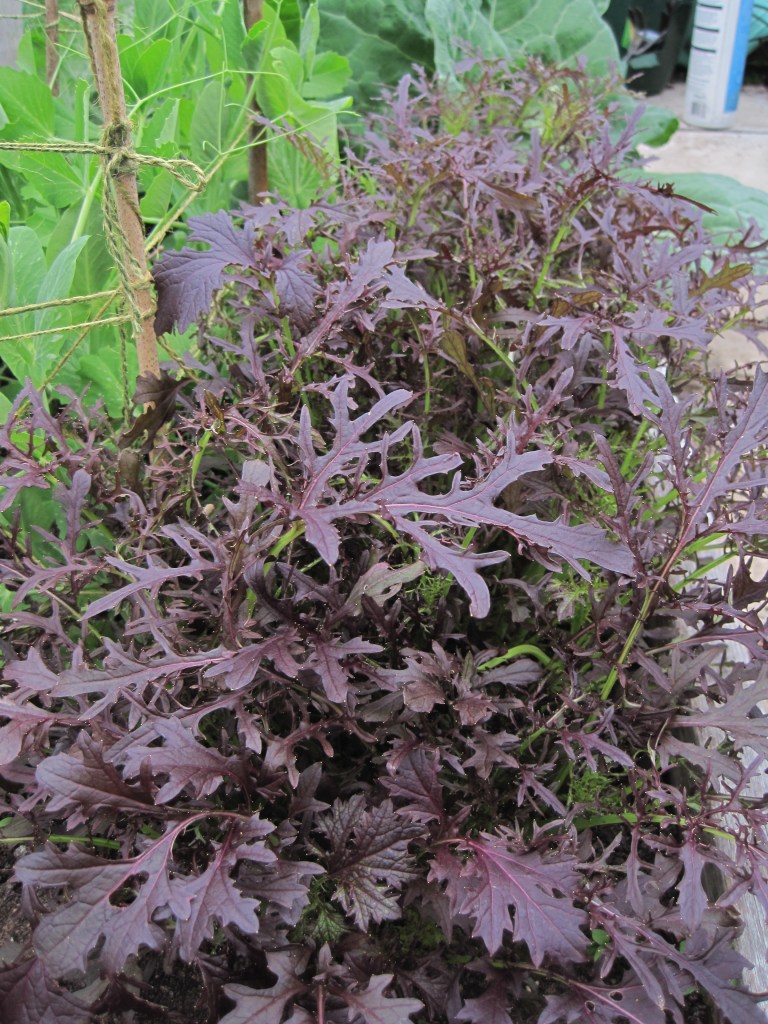
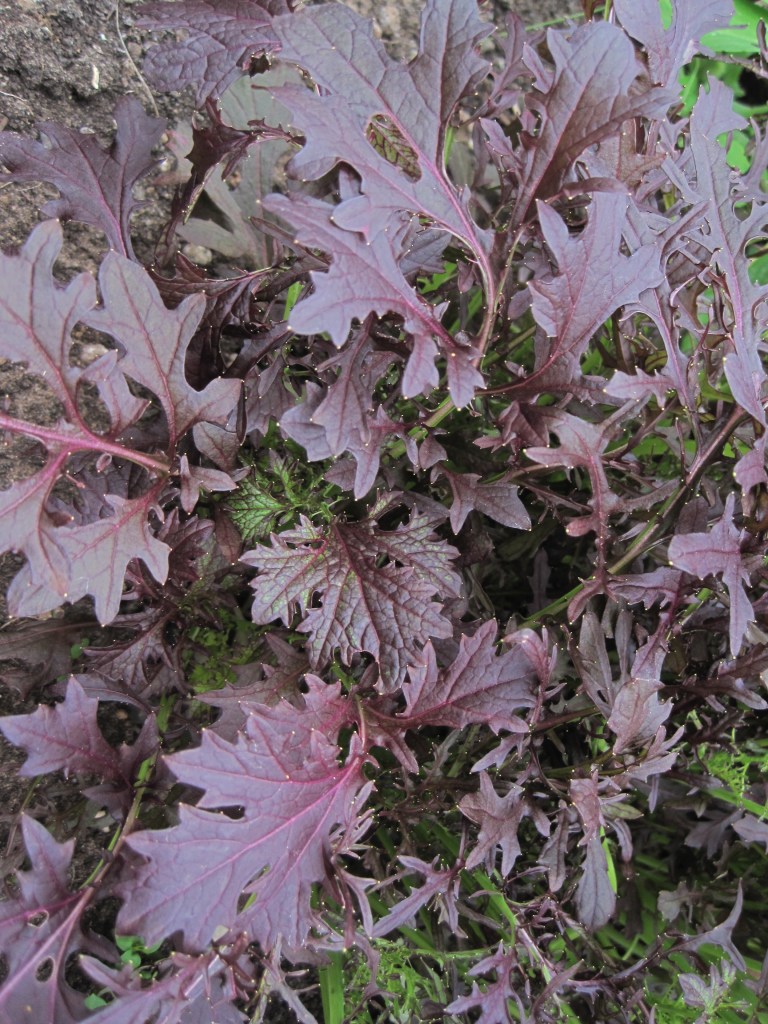
All the seeds I put into the tunnels have germinated and tiny fresh shoots are growing. Mang-tout pea “Sugar Ann”, “Little Gem” lettuce, “James Scarlet” carrots, mustard leaves and kohl rabi are promising some tasty meals in a few weeks time.

Next I want to sow parsnips. I love “Tender and True” parsnips, a sweet variety which grow well in the polytunnel. They don’t mind the intense heat during Summer as long as they’re watered and they stay tender for a long time after Christmas.

Leeks are also vegetables I love to have in Winter. Unfortunately, I’ve had my crop wiped out a couple of times with a pest called Allium Leaf Miner. This is a tiny fly which lays eggs on the leaves, then the grubs which grow from the eggs tunnel into the leeks and destroy them. The only remedy is to keep them closely covered with very fine mesh at all times to prevent the flies from finding them. It also affects other alliums like garlic and onions. Gardening isn’t always easy!

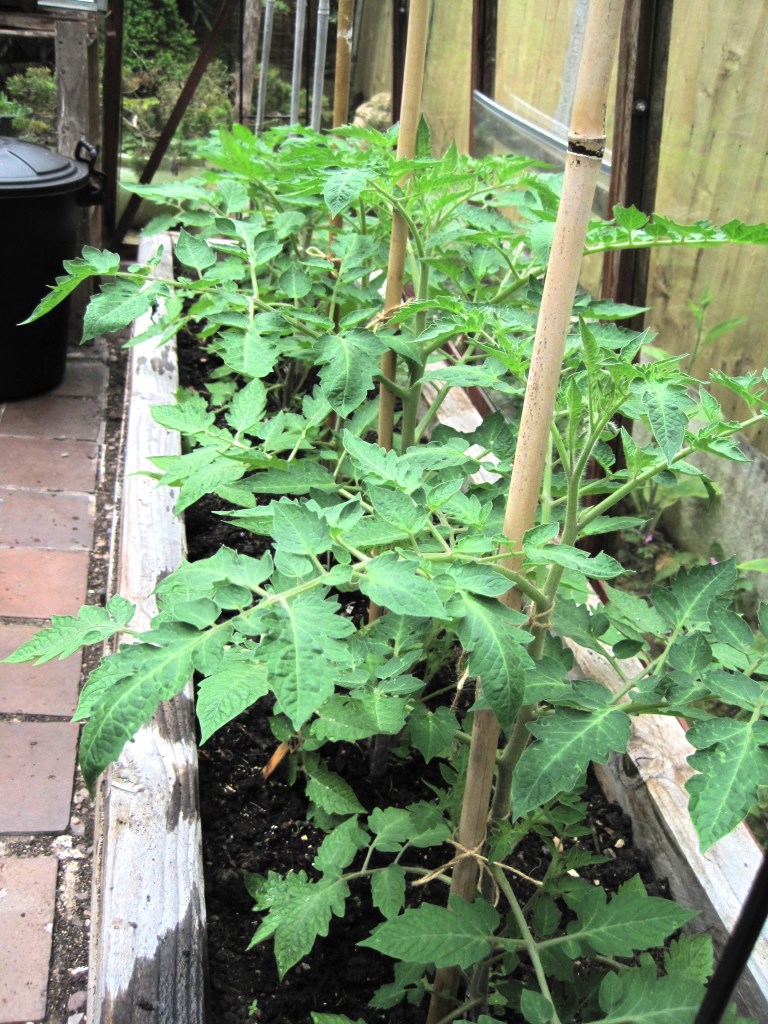
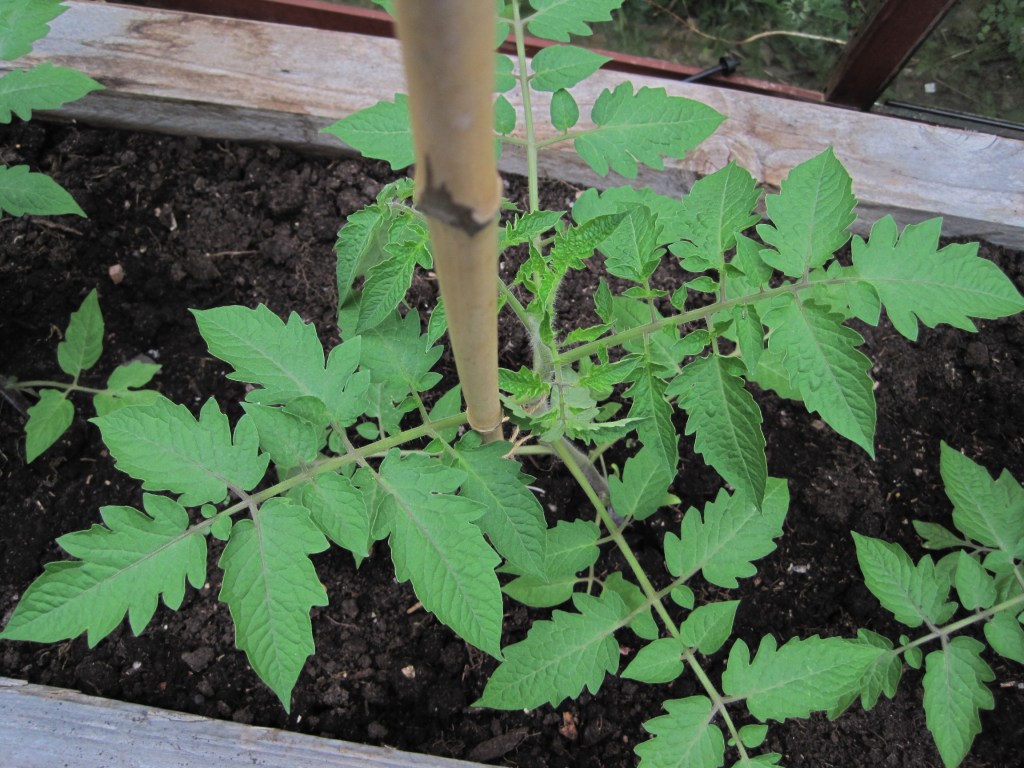
My tiny tomato seedlings have developed their first true leaves and are doing well on the windowsill.

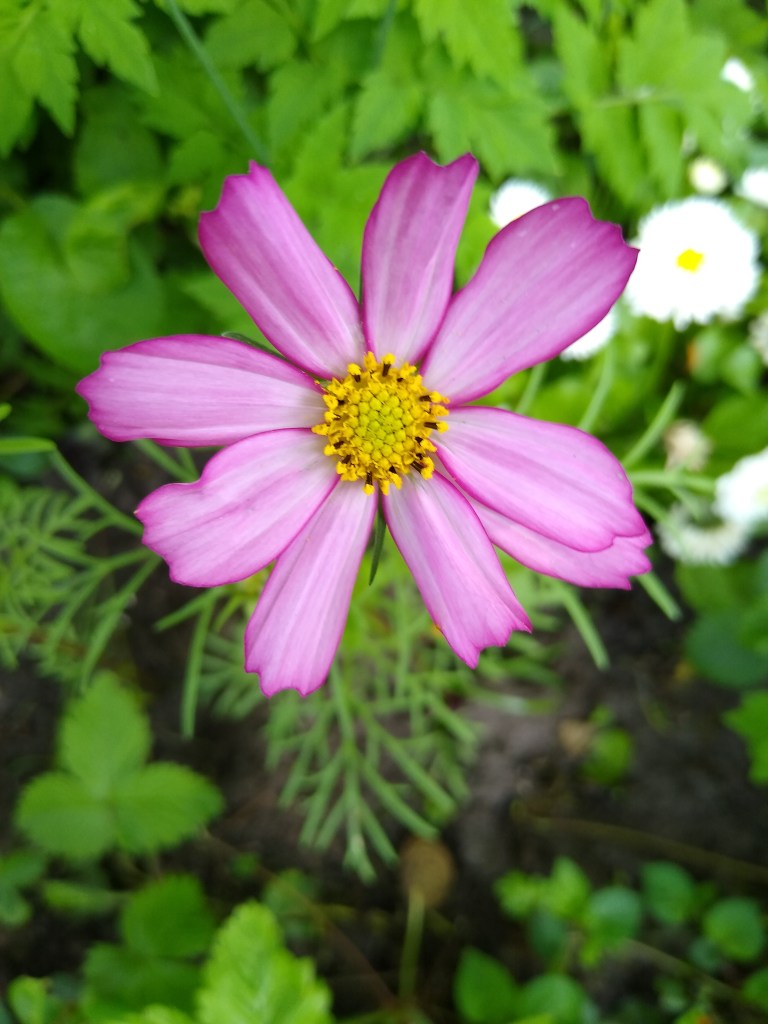
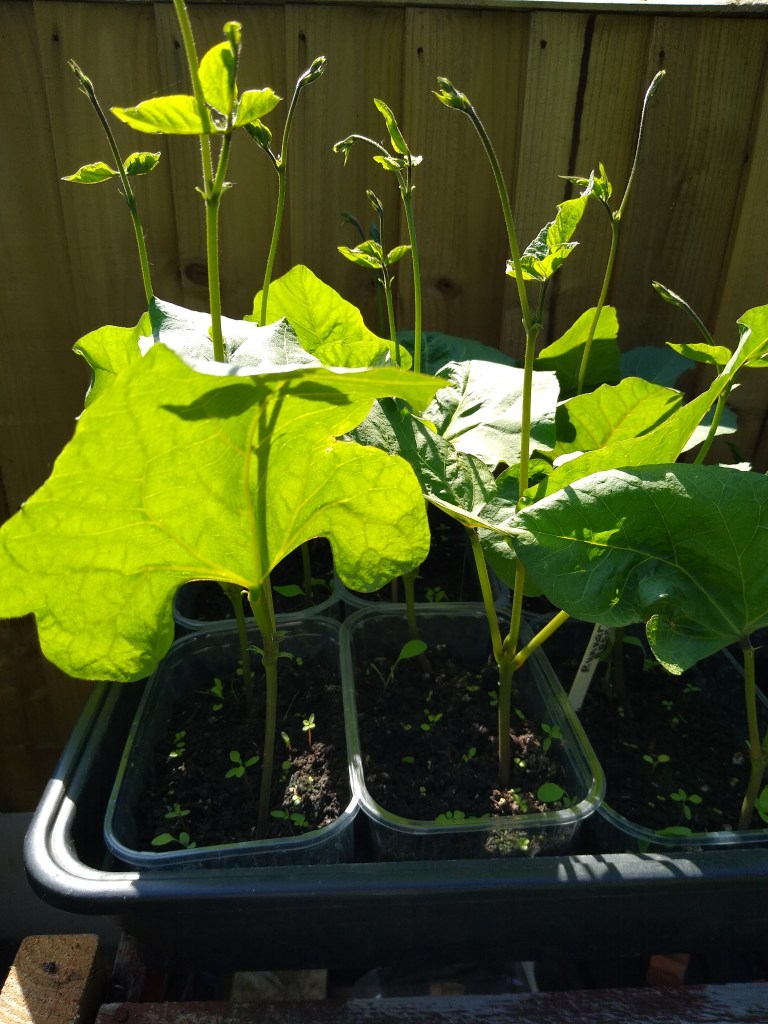
I’ve sown two trays of Cosmos flower seeds in the greenhouse. One tray has a pink variety tinged with a darker edge, called “Picotee” and the other has one called “Dazzler” which is a deep pink or crimson. Should be fabulous!

I saw Monty Don on “Gardener’s World” using a tamper to gently press the seeds onto the soil. I said to my husband that I could do with one of those. The next day he made me one. Very resourcefully, he made it from an old breadboard which I’d discarded. Needless to say, I’m delighted.

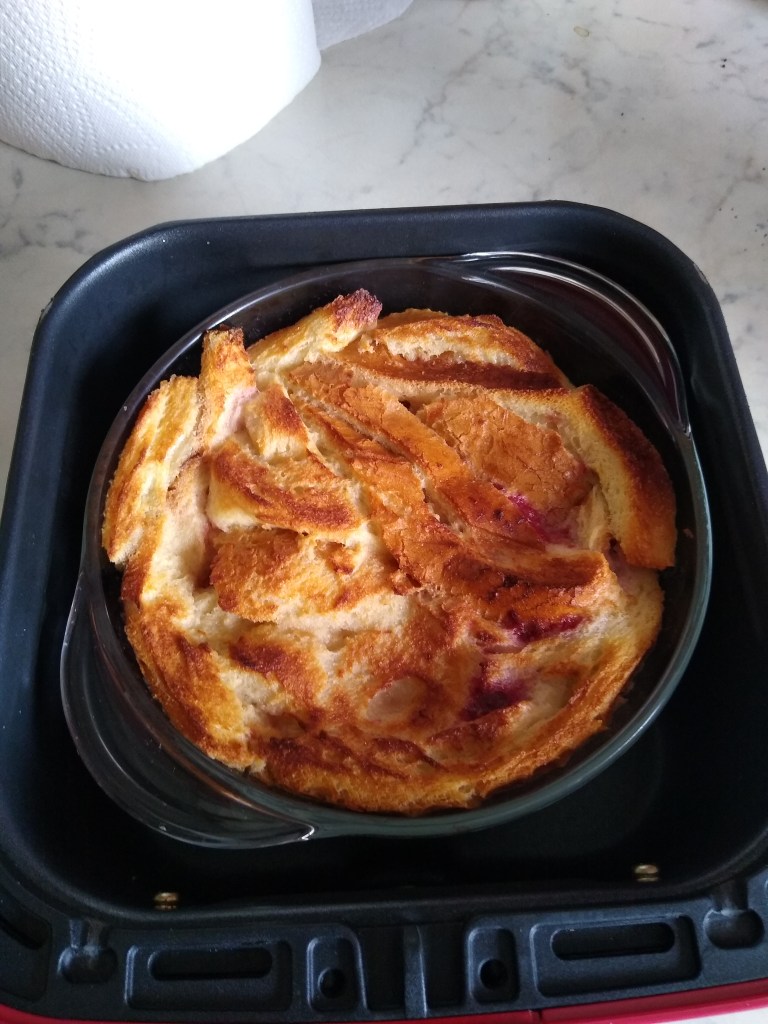
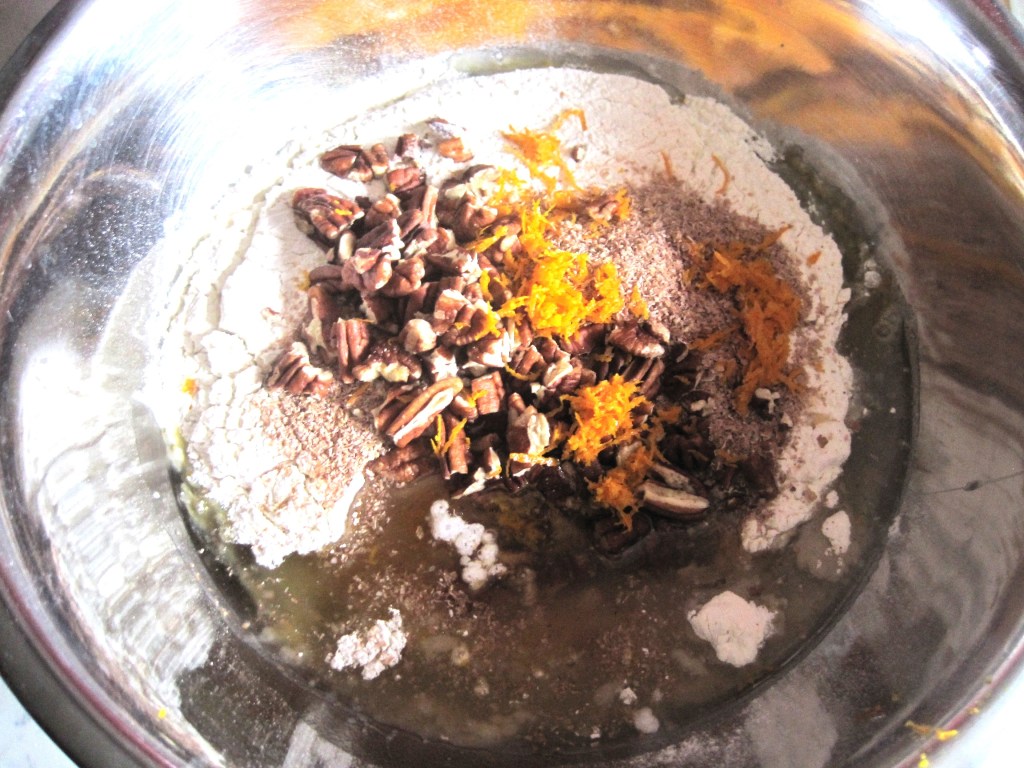
Back indoors, I’ve been experimenting again with my airfryer. I saw a recipe on Facebook for cheese scones cooked in one and I had a bit of cheese which needed using up. My airfryer is only tiny but I thought it would manage the quantity. As usual, I changed a couple of things in the recipe to make it easier, to suit my taste and to make it my own version.

I was pleased with the result. Slightly moist in the middle, crispy and savoury on the outside and very simple to make. Good with apple slices and sauerkraut. Here is my recipe, if you’d like to try it.

Airfryer-Baked Cheese Scones
Makes four.

1 cup Self-raising Flour
1 teaspoon Baking Powder
half a teaspoon salt
half a cup of grated Cheddar Cheese. Approx 50g
2 tablespoons Sunflower Oil
two thirds of a cup of Milk (I used Oatly)
Have a square of lightly oiled foil ready.
Put ingredients in a bowl and mix well.
Separate the mixture into four equal quantities and place them on the foil, slightly apart.
I removed the tray from the bottom of the airfryer and baked on the bottom of the basket.
Preheat the airfryer on the Bake setting, for 180C, and set the time for six minutes.
When the temperature is reached, carefully drop the foil and scones into place. 
Cook for six minutes.
Turn the scones over and cook again for another six minutes.

Good warm or cold.
A silicone spatula is useful for turning them over. Try to make them evenly sized. My last one was bigger and had to be cooked for another minute. Mine looked a bit lumpy but tasted delicious.

These made a nice change from sandwiches and are a good way of using up a small lump of cheese. I also tried them with Lancashire cheese but I think the texture of cheddar was better suited and had a stronger flavour. I will experiment more with them. Might be good to add snipped herbs, crushed garlic or bits of tomato.

I hope you have plenty of sunshine, garden pleasures and tasty cooking. Bye for now, with you again next week.
Seeds, Soup and Cacti

Almost mid March and the beginning of a busy time in the garden. Lots of seed packets waiting, promising good things for summer and next Winter.

Unfortunately, Allium Leaf Miner has been a menace in the garden for the last few years. I was dismayed to discover that it’s active in March. The fly lays it’s eggs in onions, leeks and garlic, then the larvae destroy the plants. My entire leek crop has been wiped out twice. The only defense is to cover the plants closely with fine netting.

I have onions which have been growing over Winter in an outdoor bed, so my husband has built a net-covered frame around them. Fingers crossed that the onions will be safe. He also put fine-mesh cloches over the garlic in the polytunnel.

I removed the last few parsnips from the polytunnel to make room for the leeks. One of the parsnips had an enormously long root.

After I’d cut off the thin bit I cleaned up the good part and cooked it in some lovely vegetable and lentil soup. A good way to use up whatever I have. This one had parsnips, onions, squash, carrots, parsley, celeriac, potato and red lentils.

I find the key to tasty soup is to use good stock. No need to go to the trouble of producing fresh stock, although the stock produced when I’ve cooked chicken in my thermal cooker is delicious. Good quality organic vegetable stock cubes are excellent for vegetable soups and chicken ones for a hearty chicken soup. Onions are another essential. They give that savoury, satisfying goodness to the taste.

Red lentils are good for thickening soup and provide protein. Potatoes also add consistency, especially if the cooked soup is blended. Cheap ingredients but nutritious and tasty.

Parsley is a nutritious addition to many meals. I’ve had an abundant supply of fresh green leaves all winter in the polytunnels. It’s so easy to grow, doesn’t need feeding and mostly trouble-free. I used to freeze it but it grows so well, even during Winter, that I now prefer to use it fresh.

For plants which do need feeding like tomatoes, I mostly use liquid seaweed. Sometimes I make comfrey feed. If you have comfrey in the garden, it’s so easy to do. Just stuff the leaves into the leg of an old pair of tights, tie a knot, then put into a bucket of water and allow to soak for about ten days. Dilute the feed before using. It does smell but it’s very good stuff.

A home brew barrel is ideal for this. They have a tap and if the barrel is raised onto a stand of some kind, the watering can will fit under the tap. Then it’s easy to draw off the amount you need. Sometimes these barrels are found at car boot sales. People often try home brewing, then the novelty wears off and they sell their equipment. I have had one for years and find it ideal for comfrey feed.

If you want to grow comfrey for this, “Bocking 14” is the best type. Comfrey is also available as pellets for spreading into the soil or soaking to make liquid feed. The pellets are dried comfrey leaves and can be put into a bag, made in the same way as above, before soaking. The mushy residue can then be added to the compost heap and the liquid used for direct feeding..

The flowers have withstood the sleet and snow over the last week and are looking lovely.

The pansies have picked up since February and are showing cheerful little faces to glimpses of the sun.

Indoors, I’ve kept my cacti on the dry side all Winter because they’re in the porch where it’s quite cold. They’re fine with low temperatures as long as they’re not too damp. I never know the names of my cacti and I have a love-hate relationship with them. They’re fascinating but I really don’t like the prickles.

My sister gave me a couple of tiny off-shoots years ago and the cactus they produced has grown long, extended shoots which reach the floor. A bit creepy but interesting.

I haven’t painted for a few months but here’s a very old one I did years ago. Drawn from my own photograph and painted with gouache.

Fruit is a favourite subject for Still Life. The shapes, colours and three dimensional qualities make them appealing to artists. I have done a few of these, in different bowls. I prefer to use gouache for its depth, especially for bold shapes and strong colours like these.

I hope your days are filled with creative pleasures and your garden is blooming. Much to look forward to at this time of year. Until next week, bye for now.

Garden Pleasures, Cranberry Cakes and Old Books.

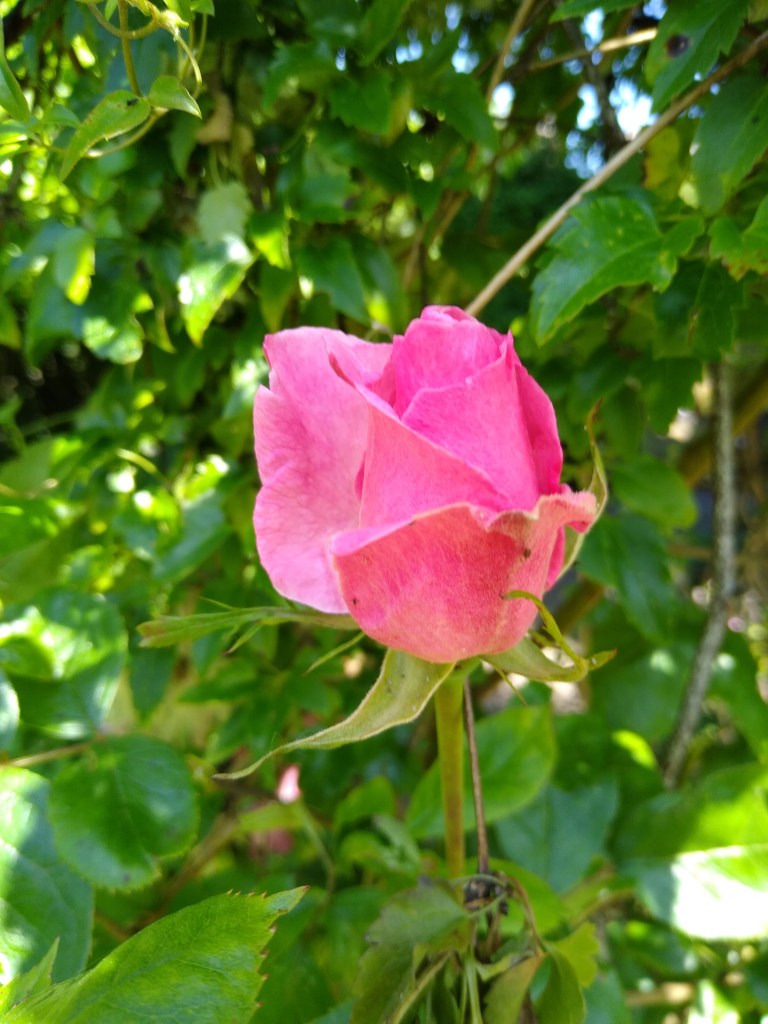
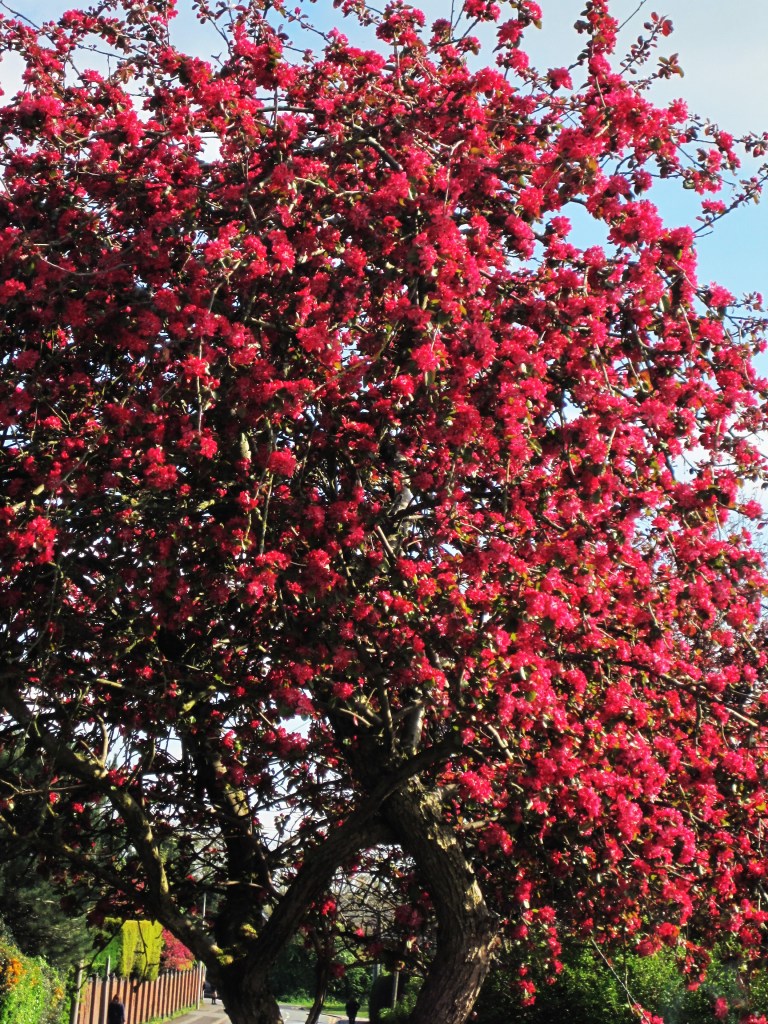
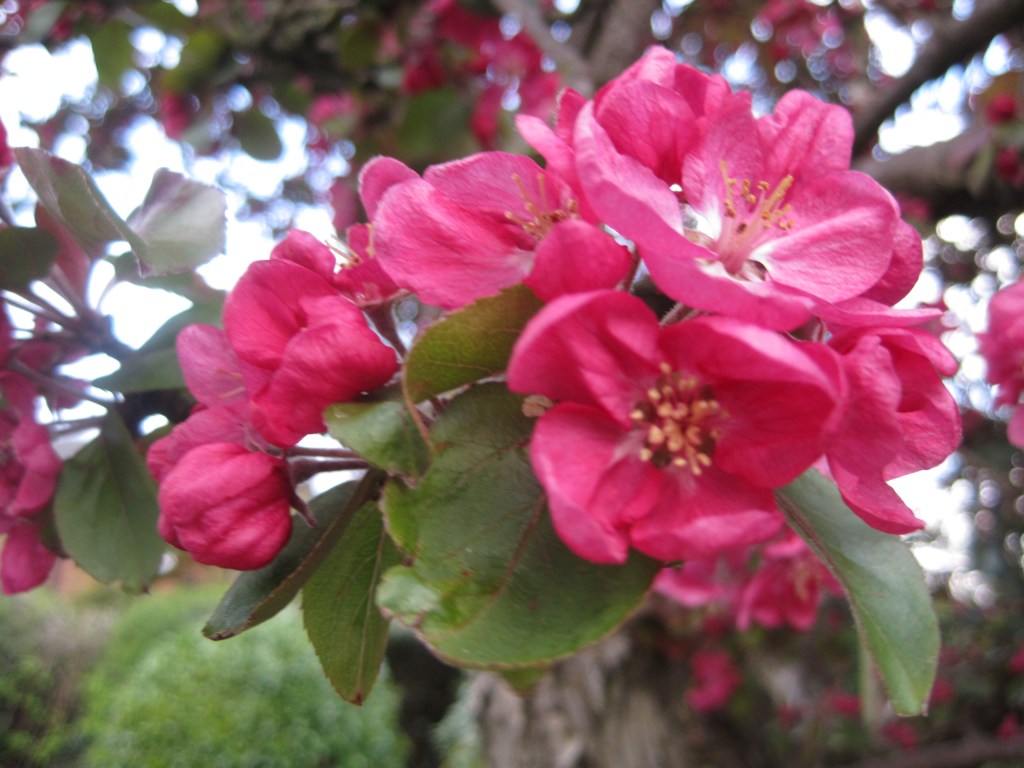
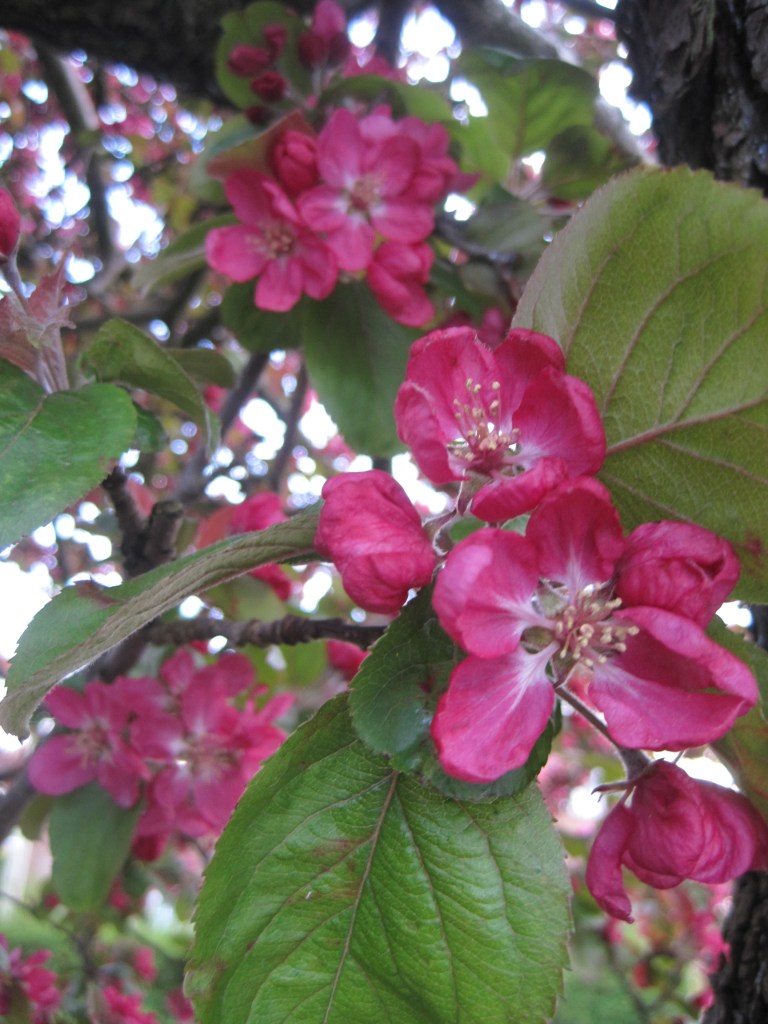
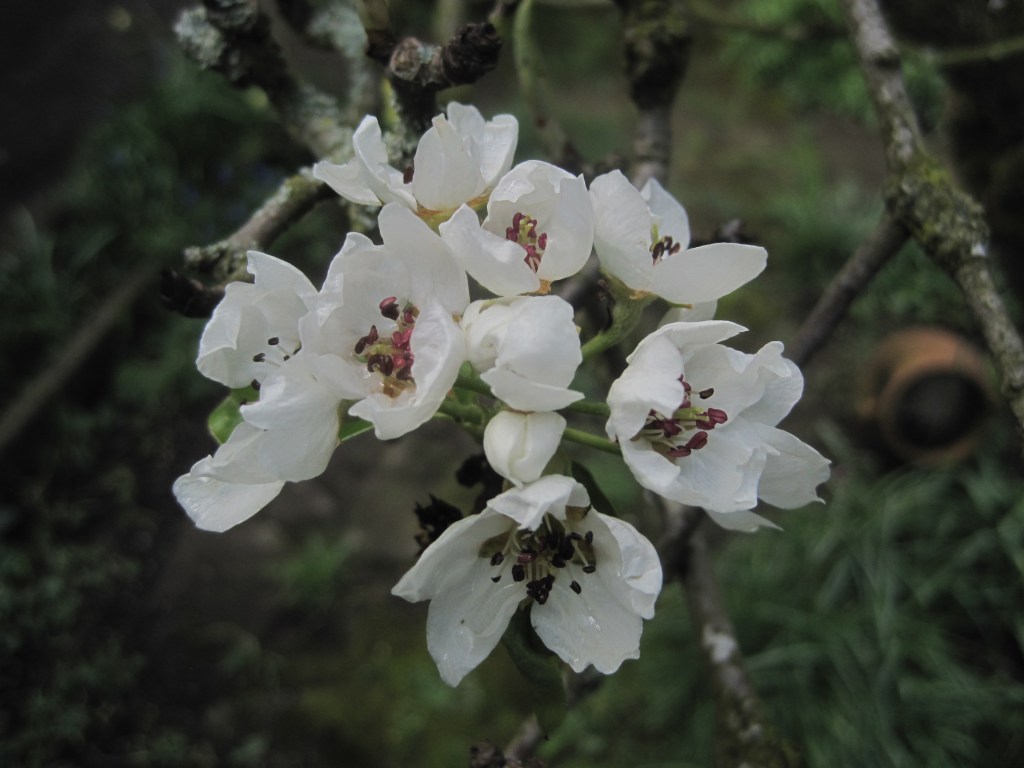
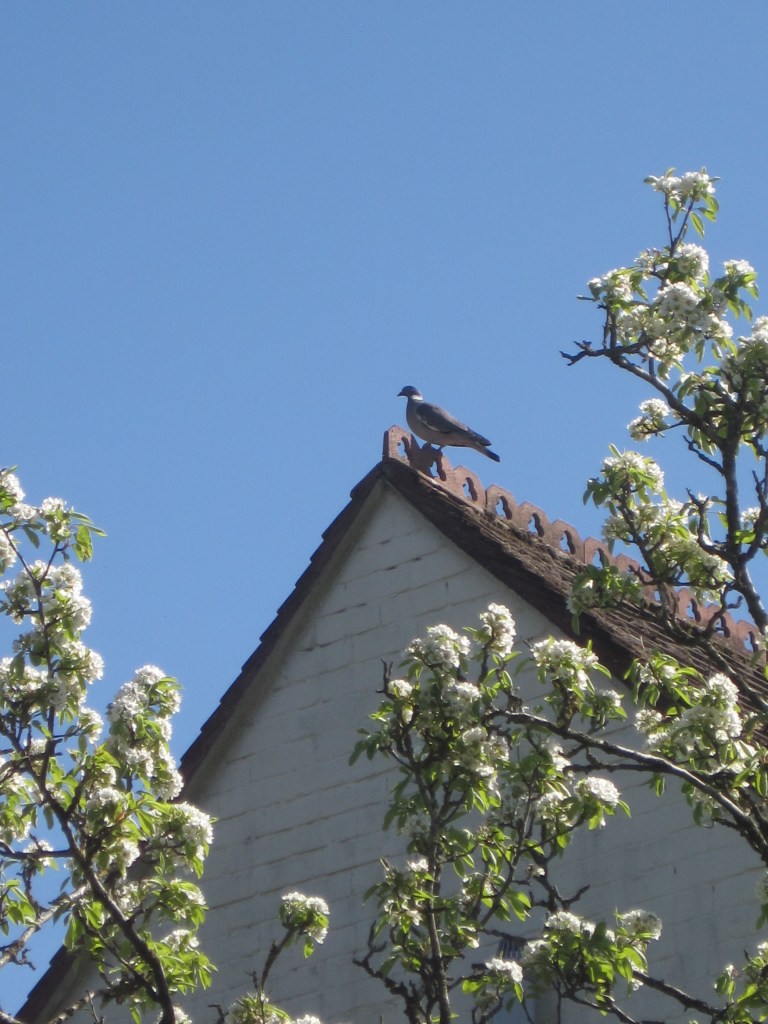
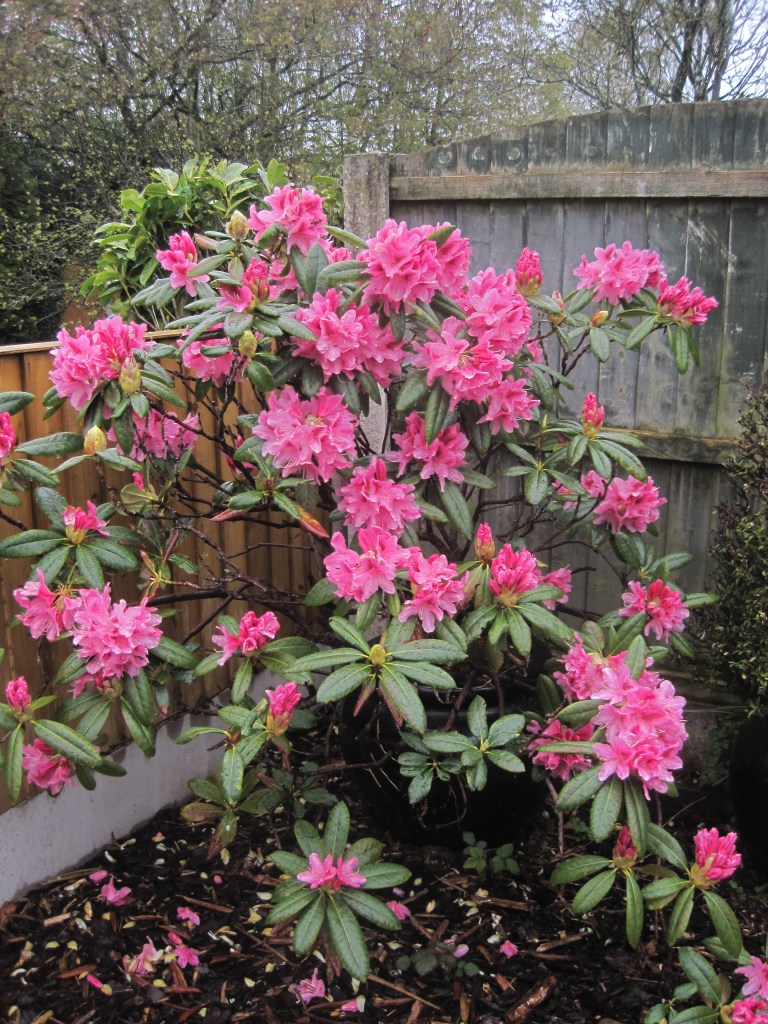
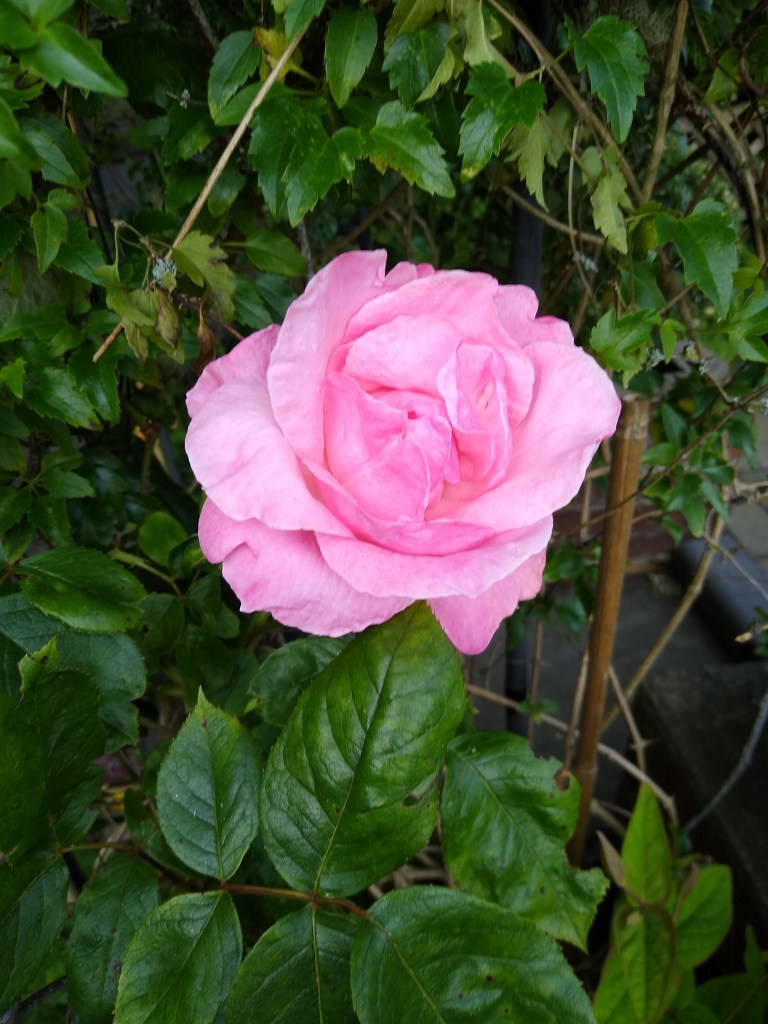
Another week has flown by. The birds are calling and the buds on the pear trees are swelling. The pink blossom on a tree nearby is giving it’s annual show. A little more blossom to come and then it will be magnificent.

We have the first frogspawn of the year in our pond. I’ve planted a white water lily, so next year the frogs will have a little more cover from the herons. I hope the plant will grow and put on a beautiful display.

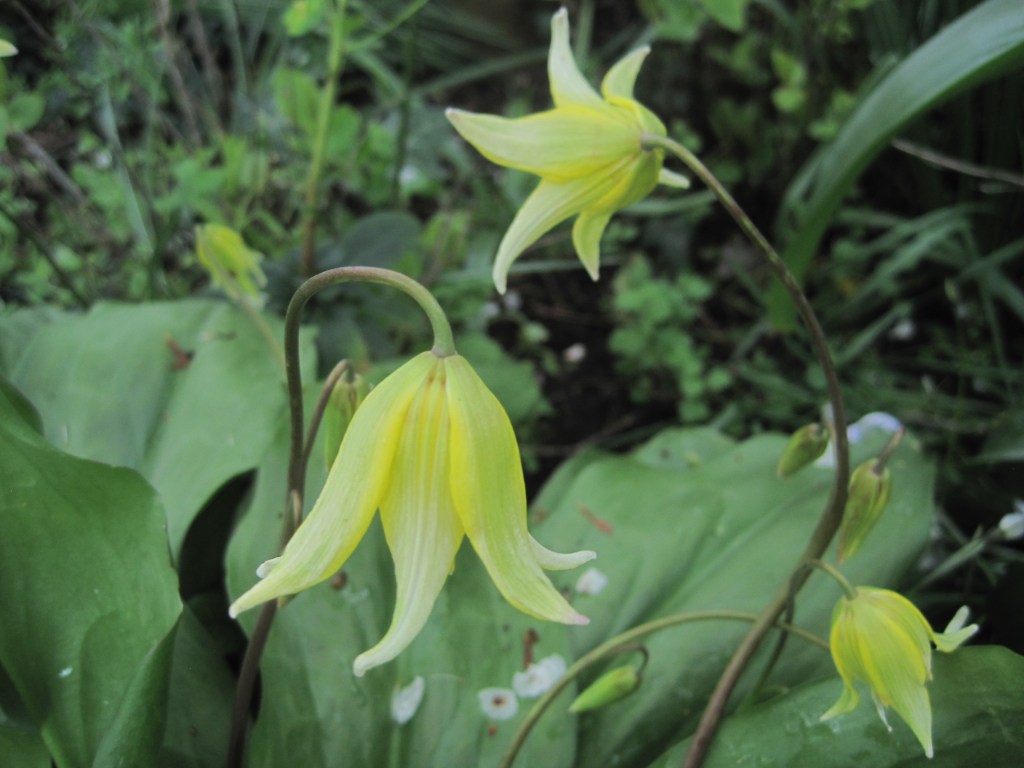
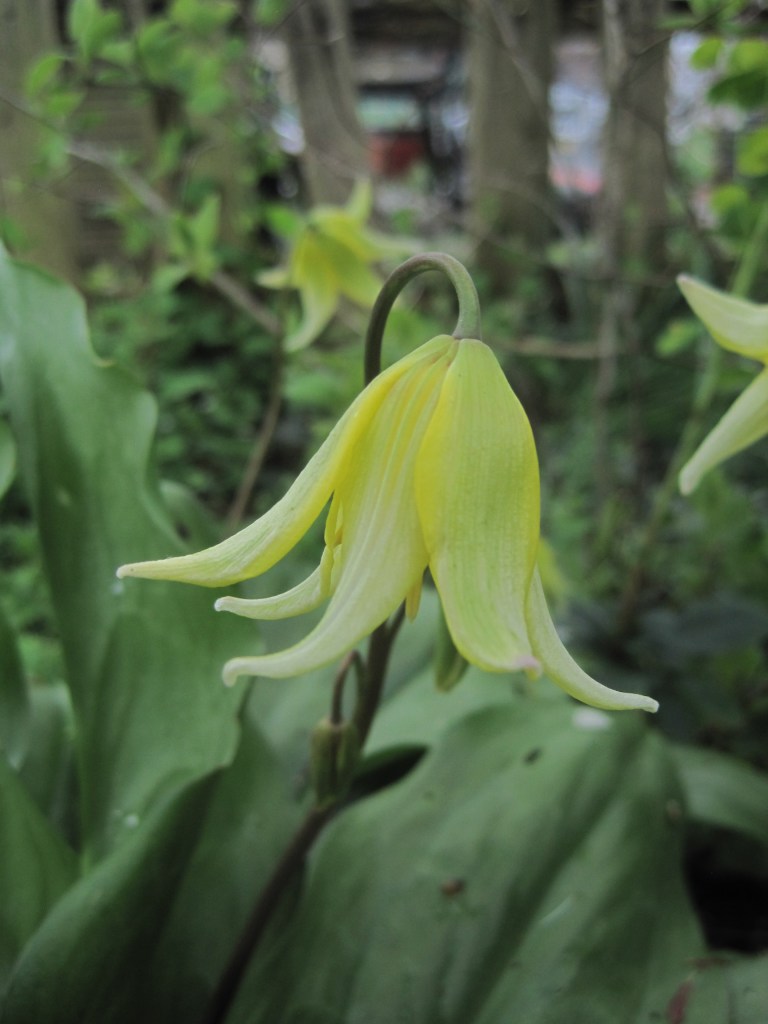
There are more lovely crocuses, pansies and hellebores adding colour to the garden. I have an unusual pale yellow hellebore. Very pretty but only two flowers on a small plant and, it seems, most tempting to nibblers.

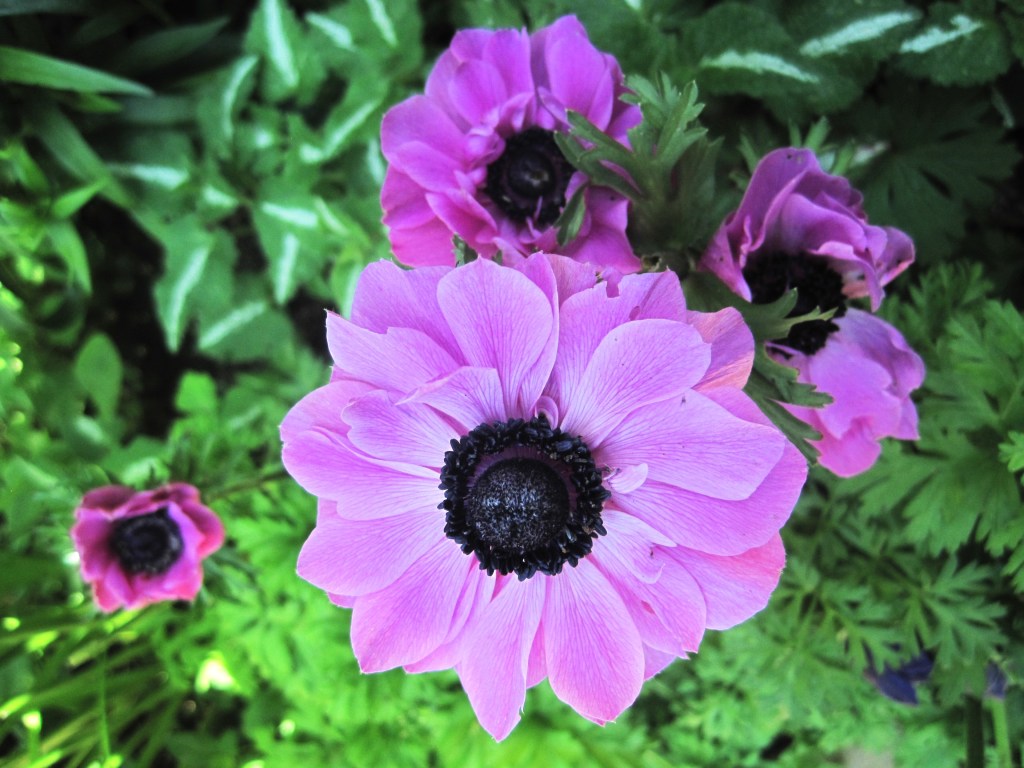
I planted some beautiful anemones. They have my favourite colours of purples and pinks. They’re half-opened and look so lovely as they unfurl their petals.

Time now to sow a few seeds. I’ve made some seed-sowing medium from homemade leafmould and compost. Roughly one scoop of compost to every two of leafmould. There were a few rough bits so I used the riddle to remove scraps of wood and stones. Mixed it together in a big bin so it’s ready when I need it.

I’ve used some to grow tomatoes. I filled two plug trays with my compost and brought them indoors to germinate. After a few days of warmth and moisture they’re just peeping through the soil. It will be weeks before I can plant them in the greenhouse, so I will pot them when they’re big enough and keep them indoors until it’s time.

This year I’m growing “Roma”, an old favourite. I’m also trying “Lampadena Marzano”, which I’ve had from the Heritage Seed Library run by Garden Organic. Both tomatoes are plum types. We like them because they’re fleshy without too many seeds, thin skinned and delicious. They preserve well in sealed jars, processed in my pressure cooker.

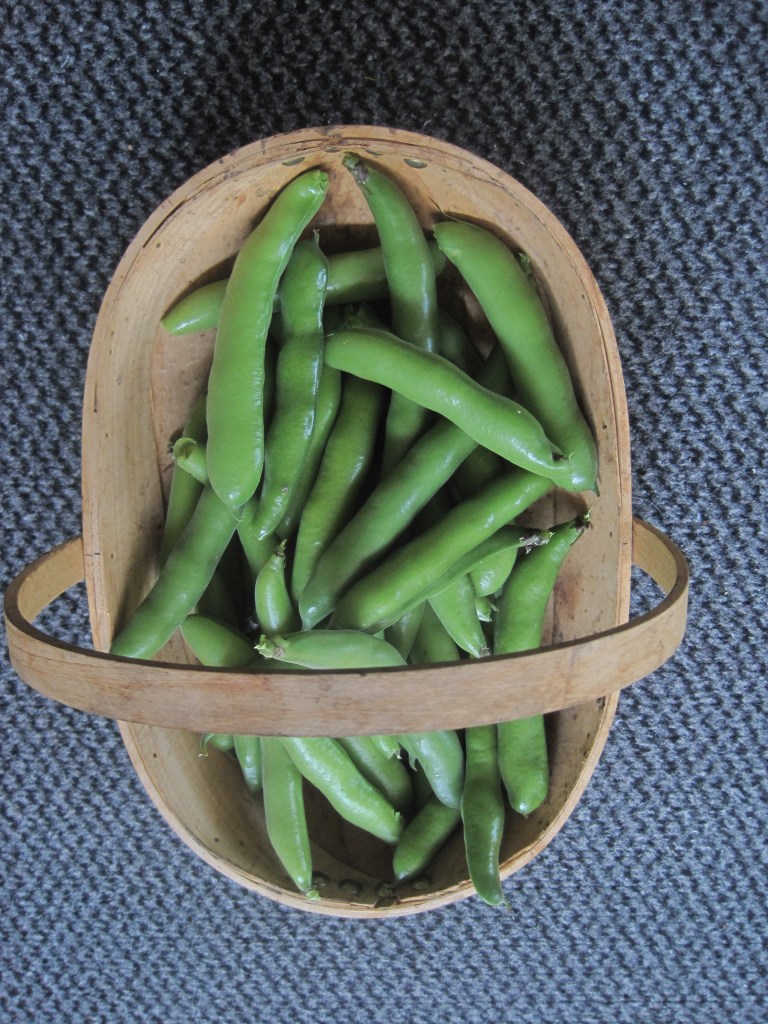
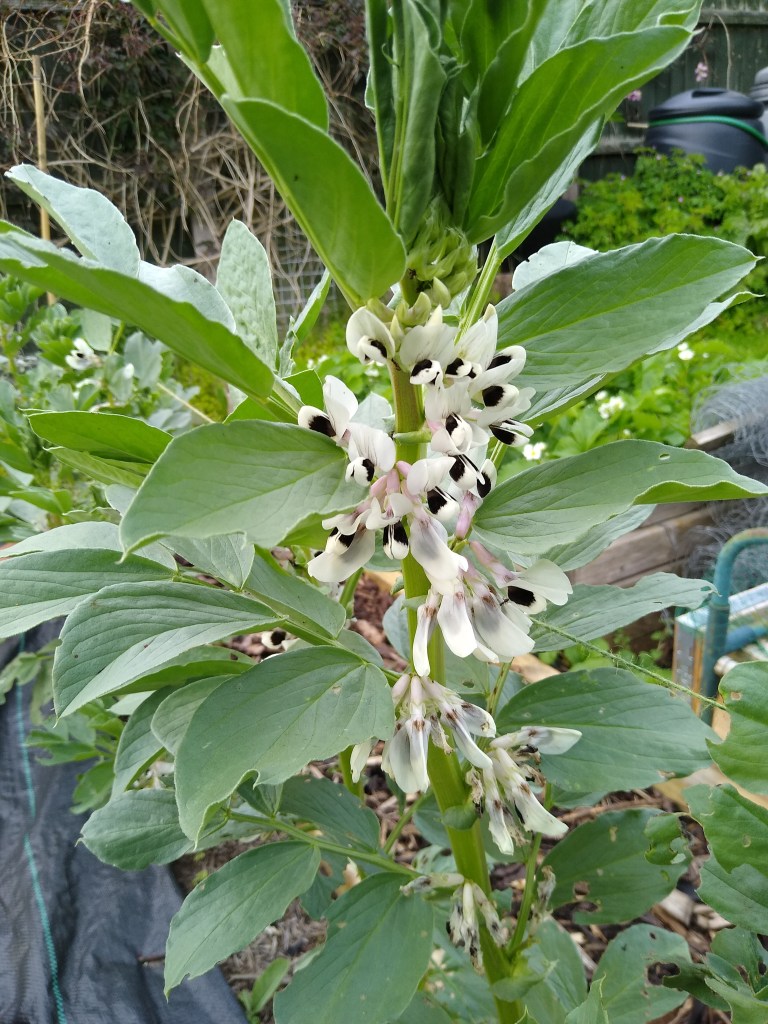
My mange-tout peas, called “Sugar Ann”, are coming through the soil in the polytunnel. The broad beans have not germinated, so after two false starts I bought some lovely, sturdy plants from our local nursery. I planted these outdoors because they’re very hardy, but they’re covered with netting to keep off the wood pigeons. The variety is called “Bunyard’s Exhibition”. They look like they’ll do well.

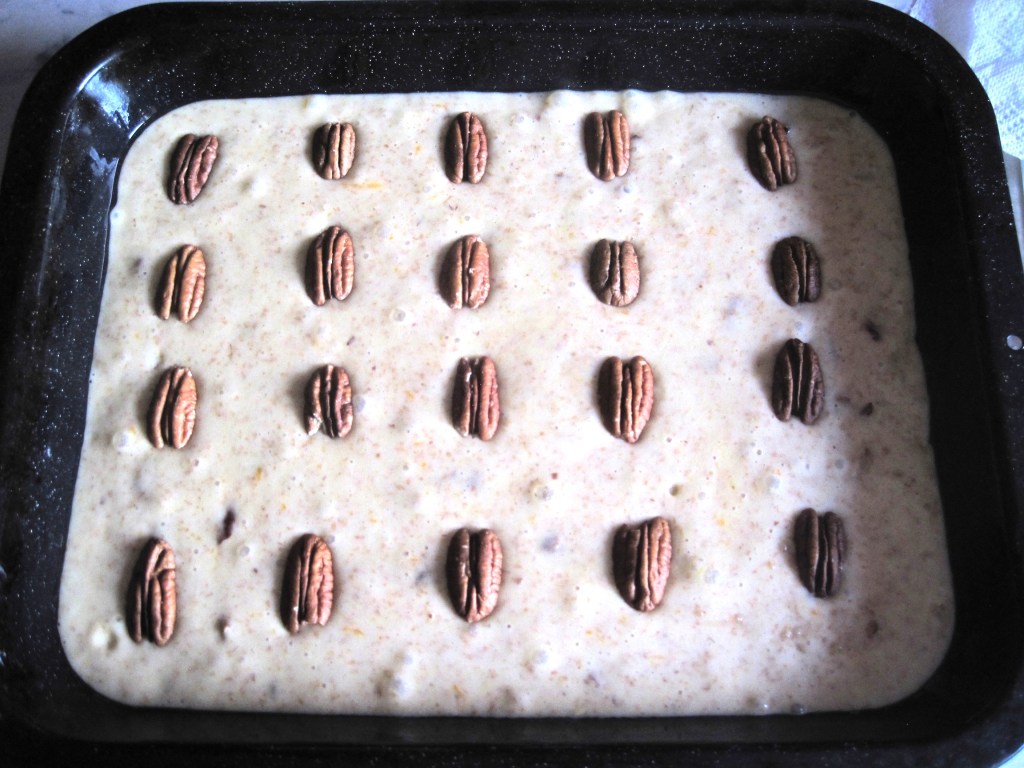
Still cold out there. Nice to be busy in the kitchen. Last week I mentioned I had a new recipe. I love cranberries and I keep packets of the dried sweetened ones at the ready for my banana loaf. They’re like little ruby jewels with a sweet and sharp taste. I thought it might be good to enjoy some in my “sweet-treat squares”. Here’s the recipe, in case you’d like to try it.

Cranberry Squares

200g  Caster Sugar
4 Eggs
200g Self-raising Flour
2 rounded teaspoons Baking Powder
15g Bran
200g Sunflower Oil
1 tablespoon milk
150g pkt dried Cranberries

Grease a large baking tin or roaster,30 x 25cm (12 x 10").
Heat the oven to 180C/160C fan oven.
Put all ingredients except the cranberries into a bowl and mix thoroughly. 
Add cranberries and stir well.
Spread the mixture in the greased tin and bake for 25-30 minutes.
Test the middle with a skewer. If it comes out clean it's done. If not, give it a couple more minutes.
Allow to cool and cut into squares. Lift out with a palette knife.
Also enjoyable as a pudding.

My airfryer is fast becoming a favourite bit of equipment. I had one last squash to use from last year’s harvest and it’s so good roasted. So I did it in the airfryer with mushrooms and potatoes. A couple of minutes on roast setting for the squash pieces while the potatoes boiled for a few minutes. Then I added the mushrooms with potatoes on top and roasted for another ten minutes. I found the best way to add a sparse amount of olive oil was to pour it into my cupped hand then rub it over the vegetables. The potatoes were a bit too hot to do that though, so I gently spooned a little around them before adding them to the basket. So quick, easy and economical, with delicious results.

I haven’t painted a picture since before Christmas. Been reading a lot. Currently reading the latest book in the Strike series by J.K.Rowling under the name of Robert Galbraith. Wonderful writing. The television programmes are excellent . The acting is superb and the cast is right for the characters.

Years ago I collected old books because they had lovely and interesting covers. You don’t see that stamped leather or cloth any more. In my opinion, they make a home look cosy and interesting, as well as being good to read. Admittedly, some of my titles are a bit obscure. “Seed Crushing in Great Britain” being one example! But I love to see them and the older they are the more I like them.

A colder spell is forecast again, so I hope you stay warm and enjoy some good home comforts. Bye for now. With you again next week.
Pansies, Pottery and Poetry

March begins this week. A step nearer to Spring. The vernal equinox is on the 21st. That’s when the day and night are of equal length and the natural world goes mad in a riot of colour and activity. Can’t wait!

Things are definitely stirring though. The birds are calling for mates. I saw the first frog of the year in the pond two days ago and daffodils are glowing in the garden.

The tiny tete-a-tetes are so beautiful and some are a bit lost behind one of the polytunnels, so I brought in a few to enjoy. Their miniature trumpets and dainty petals are a joy to look at. I have them on the kitchen windowsill to gaze at while I work.

Also indoors I have my amaryllis to admire. It has opened two flowers and two more will follow soon. Perhaps a bit full-on, but so gorgeous.

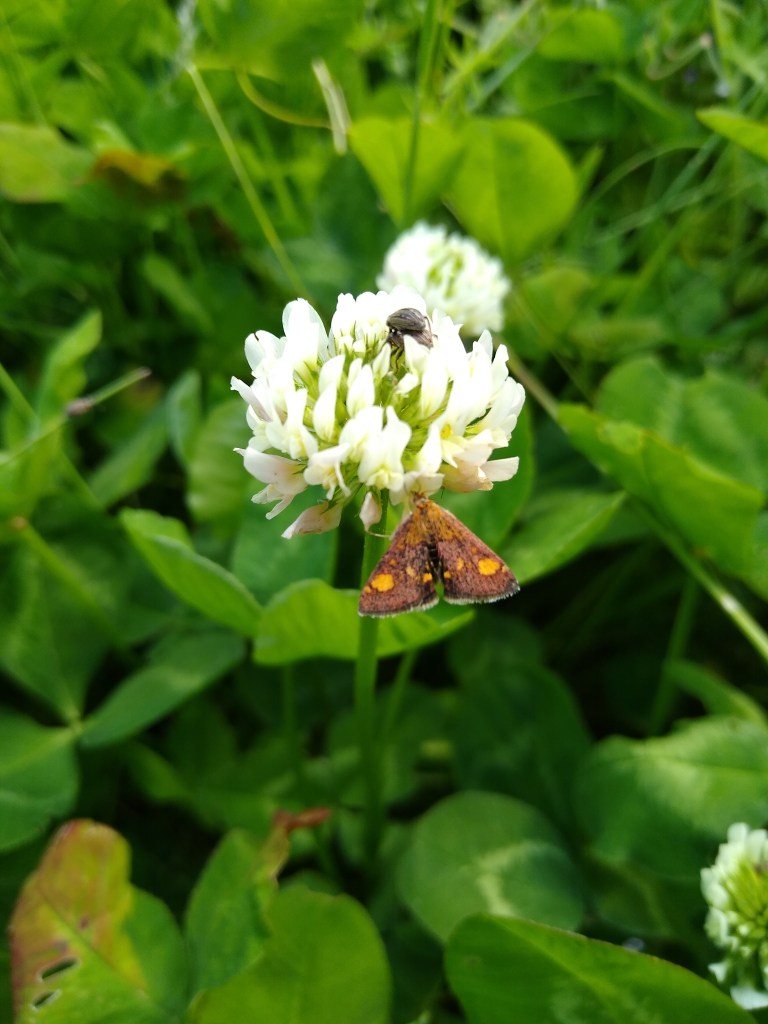
A butterfly was visiting the potted pansies and basking on the sunny house wall. It looked a bit ragged but was a welcome sight.

The pansies took a beating during the extreme cold a few weeks ago but they’re flourishing now and more flowers appear by the day.

There’s a lot of moss in our garden. Many parts are shaded by the trees and this and the light sandy soil seem to encourage it . I even find it on the potted conifers, draped across the branches.

More crocuses are popping up. Their inner petals have stripes so delicate that they look like they were painted with the finest watercolour brush .

The kale is growing well now and I picked some to make my cheesey potato bake. The smallest leaves are so tender and sweet I was nibbling them while I prepared to cook them.

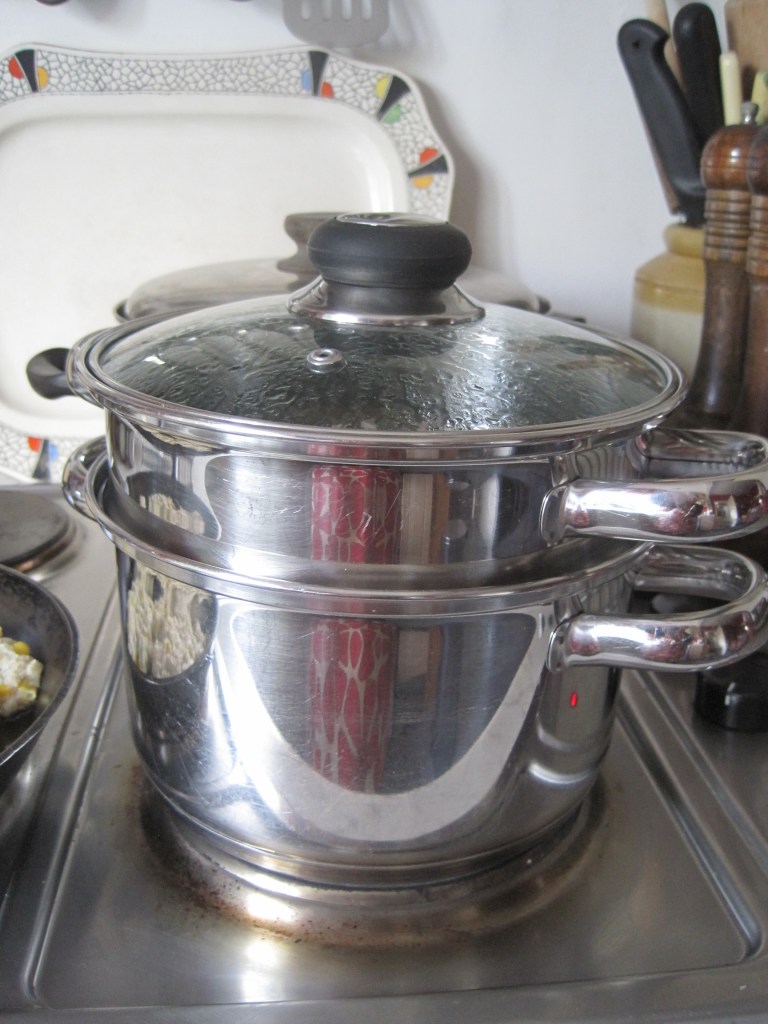
Normally, with this, I steam the kale over the boiling potatoes and when I’ve added the cheese to the mash, I spread it over the kale and softened onion, then bake it for about thirty-five minutes to brown the cheese. This time I tried my airfryer to do the browning. Wow! It took four minutes instead of thirty-five in the conventional oven. Fantastic. What a saving in fuel.

The result was pleasing. It wasn’t quite as heated through but I could have used the bake setting for a few more minutes if necessary. It was perfect for eating immediately, so I was completely satisfied.

The full instructions for making my Cheesey Potato Bake are in my Earthy Homemaker’s Cookbook. https://geni.us/eANQu

An easy, nutritious and economical meal. Very tasty, and satisfying, with chutney or your favourite sauce.

Next week, I have a new recipe for you. I had some dried cranberries to use, so I rustled up some delicious cakes. As usual, it’s an easy recipe which takes only a few minutes to make.

Fresh cranberries are very sour but the dried ones are sweetened with fruit juices and plump up really nicely when baked. I use them in my Banana and Cranberry Loaf, a great favourite of ours, which I know some of you have tried. This new recipe is for cranberry squares and is very simple. More of this next week.
I had such a response to my studio pottery photos two weeks ago that I thought you might like to see a few more.

Finally, here’s a poem I wrote at this time last year about the pleasure and poignancy of renewal all around us.

Early Spring Flowers

Snowdrops nod their dainty petals,
With daffodils not far behind
Where every foraging bee settles
When the faltering sun is kind.

The colours of these early blooms
Lift the dullness of the season,
Banish winter's deadening glooms
And restore again life's reason.

Each satin crocus shining bright.
In all perfection, pure and clean
Is pointing upwards to the light,
To which each one of us should lean.

Regeneration is our goal,
We welcome signs of early Spring,
Cherish this food for the soul
And shrug off Winter's cruel sting.

Let’s hope the weather remains kind. At least we can go out into our gardens and countryside and enjoy the early show. Bye for now. With you again next week.

Early Flowers and Parsnip Wine

I’m hoping this spell of good weather will last. The garden is looking better by the day but Winter has a nasty way of surprising us at times like these. February is not Spring, although we all like to believe it is. Grateful though for every opportunity to admire the few flowers daring to brave the cold nights and shine in the daylight.

The snowdrops are a fine show right now and the early crocuses are very pretty.

I planted primulas to give a cheerful greeting by the front door. Their leaves have suffered because of the cold but the flowers are just beginning to open and will be lovely in a week or so.

The hellebores continue to put on a splendid show. I planted a very dark one a few years ago and it’s been very slow to flower. At last it has produced one sophisticated bloom, almost black and very lovely. Not fully open yet but here’s a glimpse to be going on with,

Others are luscious shades of pink and white, some with double petals and fascinating centres.

I bought a collection of mail-order hellebores a few years ago. When they arrived I was dismayed to see the tiniest of plants. I potted them and kept them in the greenhouse for a year. Planted in the garden, they grew slowly and have never made big plants. They produce very few flowers. In contrast, when I’ve bought well-established plants from our local nursery they have flourished and produced abundant flowers. So, my conclusion is not to buy mail-order hellebores. Pretty they may be, but only two or three flowers don’t give enough satisfaction.

I find herbs are very good plants. Often they’re regarded as just useful for cooking but many of them are beautiful too. The well known ones like rosemary and marjoram are evergreen and have lovely flowers. My prostrate rosemary, which splays on the ground in a pleasing way, has delicate blue flowers at the moment. Sage makes a woody shrub which looks good even in Winter.

Indoors, I’ve been waiting for my amaryllis to bloom. It has grown an enormously tall stem and I wondered if it would actually produce a flower. I’m pleased to see a few pretty petals emerging at last. In a few days it will be lovely. I’ll put another photo on when it’s fully formed.

I had to use the last of my stored cooking apples. A rat had chewed through the floor of the shed and everything was a mess! Only a few apples were spared but I didn’t want to waste them. I think in future I won’t store them like that, although I have done for many years. I will freeze them as stewed apples and lots of cakes.

After a good clean up and peeling I used the last precious few to make my apple and cinnamon squares. A firm favourite of ours. The recipe is in my “Earthy Homemaker’s Cookbook”. Very easy to make and absolutely delicious. If you’ve tried the recipe, here’s a tip. One day when I forgot to sprinkle sugar over the apples before covering them with the cake mixture, in desperation I sprinkled the sugar mixed with cinnamon on top of the cake mixture before putting it into the oven. To my relief and surprise it made a delicious, crispy topping. Now, I always make them like this. They also make a lovely pudding with some Greek yoghurt or ice-cream. We love them and I hope you will too. You’ll find my cookbook with this link:

https://geni.us/eANQu

Regular readers might remember that I make wine. Nowadays I just make parsnip but I tried many different kinds in the past. Parsnip is a really good, warming, Winter wine. Just a hint of sweetness and leaves a gentle glow in the chest as it goes down. It’s a pleasure to make and a joy to drink. It’s time to rack off my last batch.

When it was made and put into the demijohn to ferment it was very cloudy.

Now, after a few months, it’s clear and ready to be racked off the yeast into a fresh demijohn to mature for a while in a cool, dark place.

There is absolutely no need to add chemicals to home-made wine to make it clear. If you’re keen to have a go, my recipe and full instructions are in my cookbook. See my link above for details.

Last week I talked about my liking of studio pottery and showed a few from my collection. I had a lovely response. Obviously, there are like-minded readers out there. Thank you to everyone who commented. It’s always appreciated and good to know I’m not posting in vain.

With you again next week. Wait patiently for Spring and enjoy the early flowers in the meantime. Bye for now.

Potatoes and Pottery

Almost halfway through February. So glad to see the days growing longer and some opportunities to do a few jobs.

Indoors, it’s time to “chit” the seed potatoes bought at our local nursery. This means putting them in a light spot to encourage shoots before planting. The light is necessary to produce firm little green and purple sprouting growths, not the long white ones which develop when they’re kept in the dark. We don’t want those. Best positioned with the majority of the “eyes” pointing upwards. Egg boxes are useful for this because they separate and support the potatoes. I will plant these in a few weeks time when the soil has warmed a bit.

The garden is slowly coming to life with bulbs pushing upwards and a few flowers here and there. Some sunny afternoons have lit up the garden, while interesting clouds have painted the sky.

My little garden friend has been bobbing about, in and out of the trees. I love to see his bright eyes and pert little body. Very bold, but still quite cautious so it’s difficult to snap a crisp photo.

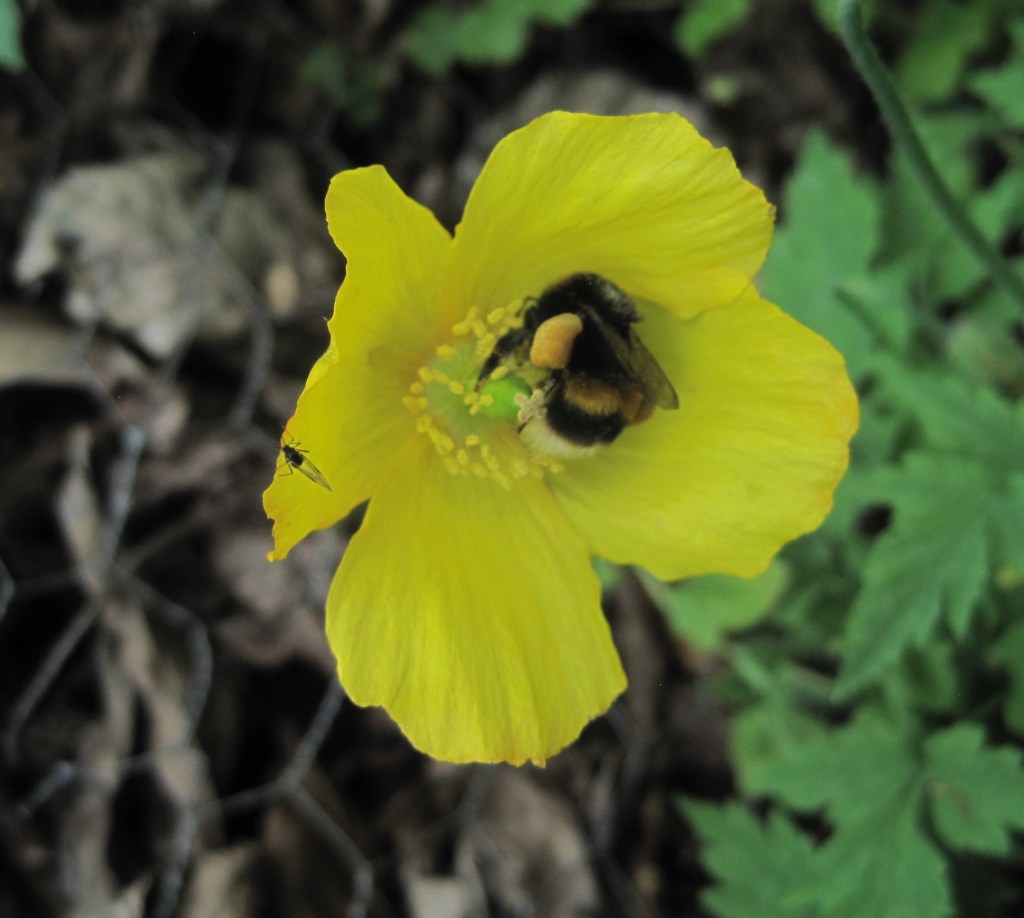
The bumble bees are busy going about, in and out of all the flowers. I caught this snap of one in a green hellebore.

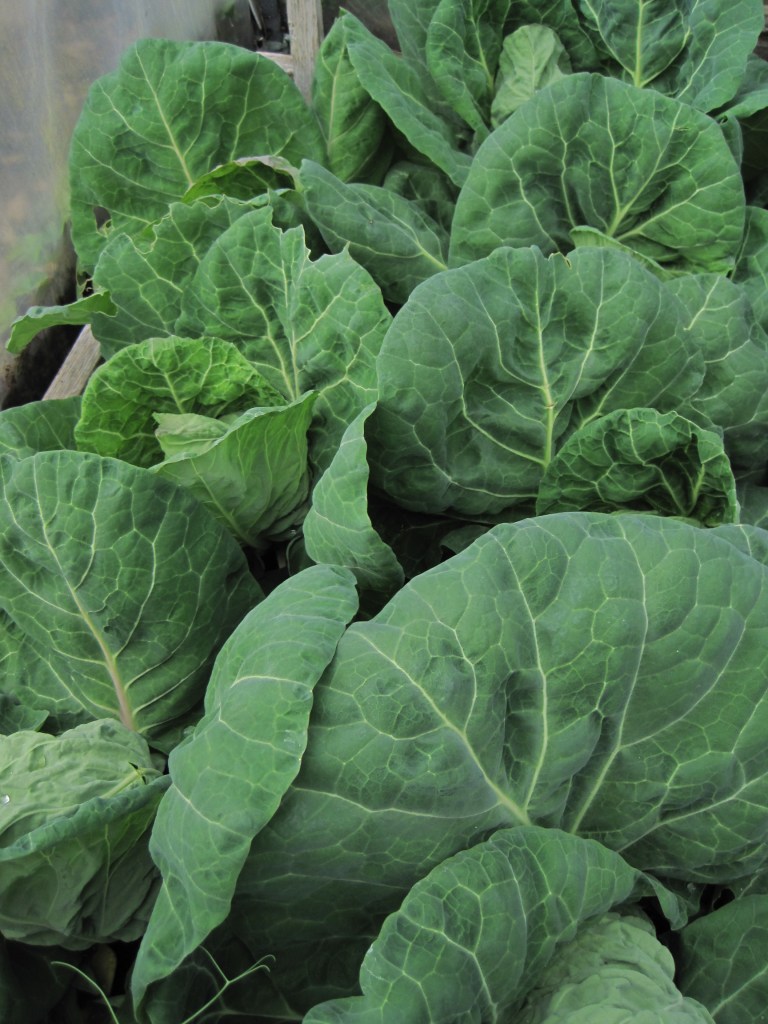
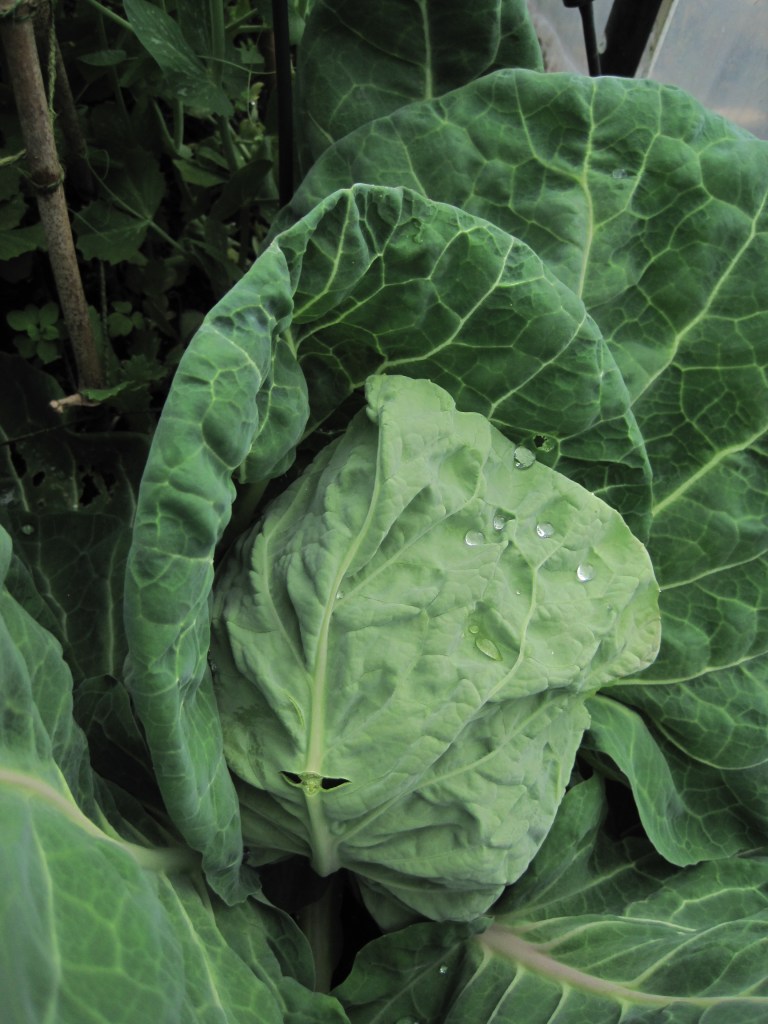
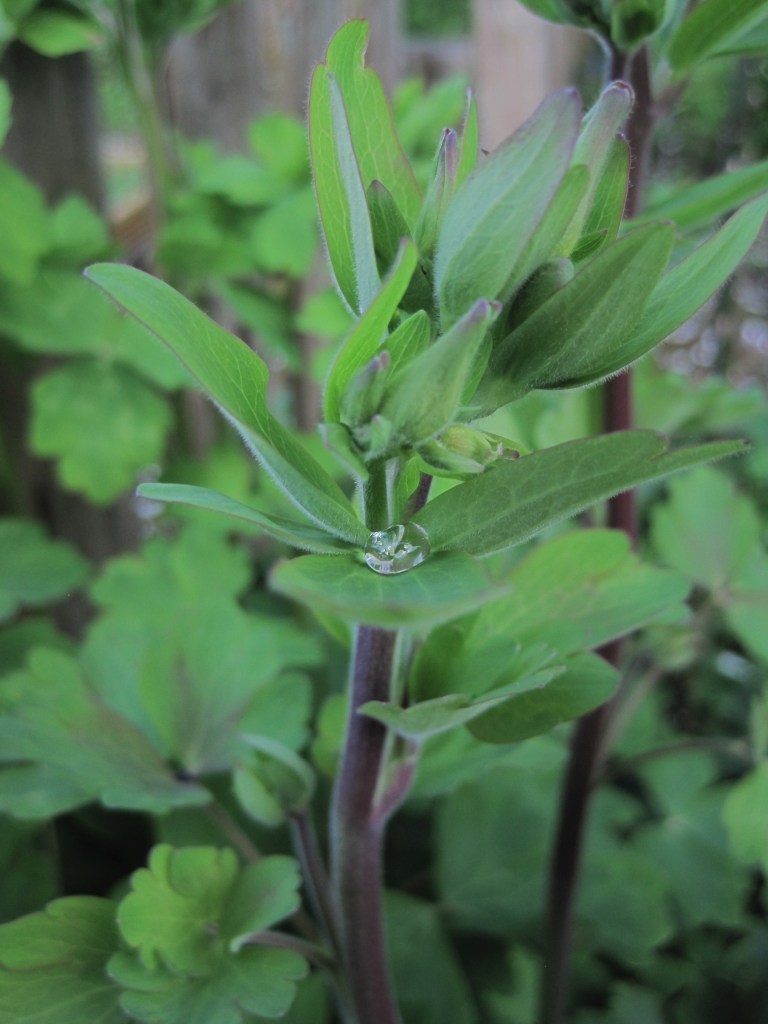
The lengthening days encourage the Spring vegetables to grow after their Winter sleep. The lettuces in the greenhouse are perking up at last and the cabbages in the tunnel are sprouting new leaves from the centre. A drop of water on a leaf looks like a gleaming diamond. I’ve had an abundant supply of fresh parsley all Winter. Hardy with a bit of protection, they grow really well in the polytunnel.

I like to add chopped parsley to my chicken soup. It makes a hearty meal. I use two Kallo organic chicken stock cubes, half a vegetable one, two sticks of celery, a chopped leek or onion, diced potatoes, one medium parsnip, two carrots, parsley, and cooked chicken cut into small pieces. I add about one and a half litres of water and 50g of red lentils, bring to the boil and stir well to prevent the lentils from sticking. Then simmer until the vegetables are tender. When it’s ready I thicken it slightly with a hand blender.

When I make soup, I simmer for just ten minutes then place the pan into my thermal cooker. It continues to cook without any electricity. I’ve mentioned my thermal cooker in previous posts. A fuel-saving device well worth having.

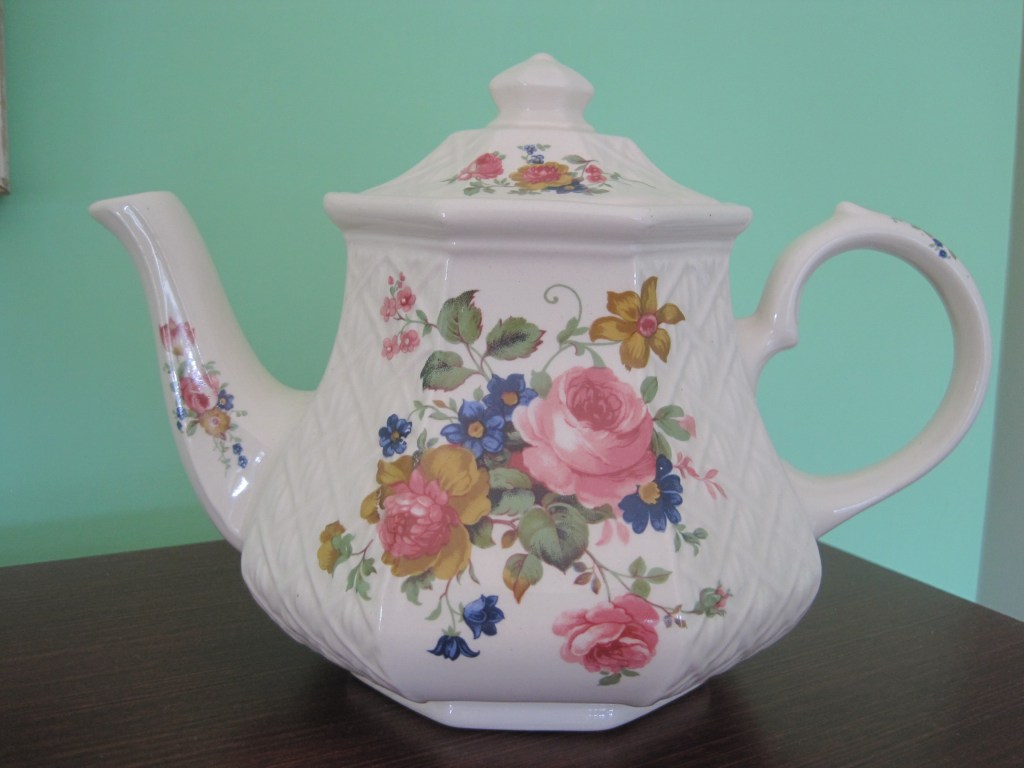
Regular readers will know that I love pottery. Over many years I’ve picked up pieces from charity shops, flea markets, boot sales and so on. I have plates, serving dishes and ornaments from many different periods and factories.

Although I love old items I also enjoy examples of the potter’s craft in the form of contemporary studio pottery. These are one-off items made by hand, so they’re very special in their own way. I’ve bought some of these from galleries and individual potters. I’ve occasionally found them in charity shops. Because they have a potter’s mark instead of a factory backstamp they’re often overlooked.

I appreciate the art and skill, the texture of the clay and the different glazes. Here are just a few examples of some of my favourites.

I hope you enjoyed seeing these examples. Finally, here is a painting I did of a favourite pot made by a friend and some little boxes made by my husband. I painted these with acrylics on a canvas board.

Winter will soon be over and our gardens will blossom again. Stay warm, well-fed and contented. With you again next week. Bye for now.

A Sweet Treat

The garden is gradually coming back to life. The snowdrops have opened more of their snow-white flowers but there are many more to follow. Tipping up the dainty blooms allows me to see the delicate green markings on the inner petals. So pretty! I’m surprised every year when I discover one tiny clump of double ones. I forget that I have them and it’s only when I tip up the flowers that I realise they’re there.

I might buy more double ones if I see them for sale. You can’t have too many snowdrops. So welcome in Winter when the garden lies dark and drab.

The hellebores are awakening. Their lovely petals come in beautiful colours with splashes of red, pink or green on the inside. Some have double petals and lovely stamens.

Such lovely flowers and so hardy. These are the oriental hellebores. I recommend them if you want colour in the colder months.

Even the Yucca has sent up a flower spike. It might not withstand another blast of hard frost but I’m keeping my fingers crossed. It will have beautiful creamy-white bell flowers if it succeeds.

I bought a dozen primulas from our wonderful local nursery and edged a path with them. Nothing to show yet but I’m hoping they will be glorious in two or three weeks.

Round about November I sowed seeds of broad beans in the greenhouse. Sadly, the weather changed drastically and the compost became too cold and wet. The seeds came up but the tiny plants rotted, unfortunately. So, I’m trying again. I’ve sowed seeds straight into the bed in the polytunnel. They should be protected there and with a bit of luck will do better. Then I will plant them outside later.

Lots of birds visiting the garden. Lovely long-tailed tits have been flitting about in the trees and visiting the feeders.

Of course, these smaller birds do attract predators. There was a beautiful sparrowhawk in the pear tree behind the house the other day. Looked sleek and well fed! A privilege to see it close up though. Couldn’t manage to take a photo. They’re nervous and the slightest movement from me scared it off.

Mice have got into the tool shed where the apples are stored. They’ve munched their way through some and made a right old mess. Time to use what’s left. I had a few in the house too and a new recipe was forming in my head, so tried it out. Very pleased with the result, so I’ll share it with you.

Apple and Pecan Flan.

You will need a flan dish, approximately 8"/22.5cm in diameter.
1 cup Plain Flour
third cup of Sunflower Oil
quarter cup of cold water

Put all these in a food processor and whiz to combine. 
Grease the flan dish with the residue oil in the cup measure.
Remove the pastry ball and press evenly into the flan dish, ensuring it's fully covered and a little up the sides.
Pop into the fridge while you prepare the rest.

2-3 Cooking Apples
50g Pecan Nuts, broken into pieces
1 Egg
50g Caster Sugar
50g Self-raising Flour
1 level teaspoon Baking Powder
50g Sunflower Oil

Add salt to a bowl of cold water ( about 1 tablespoon to 500ml).
Peel and core the apples. Cut into small pieces and put them into the salted water, as you work, to prevent browning.
Heat the oven to 190C/170C fan oven.
Mix the egg, sugar, flour, baking powder and oil in the food processor, to make a cake batter. 
Rinse and drain the apples. Place evenly in the bottom of the pastry case.
Carefully spoon the cake mixture over the apples.
Sprinkle the nuts evenly over the top.
Bake for 25 - 30 minutes.
Test the centre with a skewer. If it's clean, it's cooked through.
Delicious as it is or served warm with ice-cream.

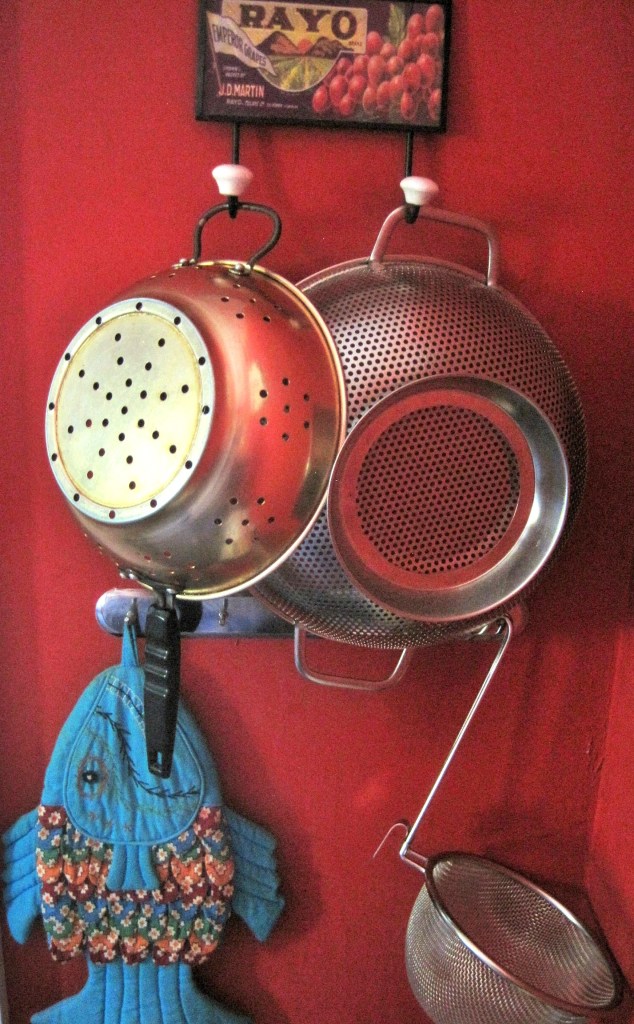
The kitchen has been described as the “heart of the home”. I certainly agree with that. Baking is one of my favourite activities . The creative process, the aroma, the visual appeal and the sensual enjoyment of eating the end product are all part of the pleasure. I even love the cooking tools I use.

Whatever you’re doing, I hope it’s enjoyable. With you again next week with more photos and a bit of chat.

A Few of my Favourite Things

Almost February. The days are gradually lengthening and the garden is slowly stirring. Time for a bit of trimming of dark, dead stems and soggy leaves, to make room for emerging green shoots. Whenever there’s a dry day I shall be out there tidying and making ready for the Spring show.

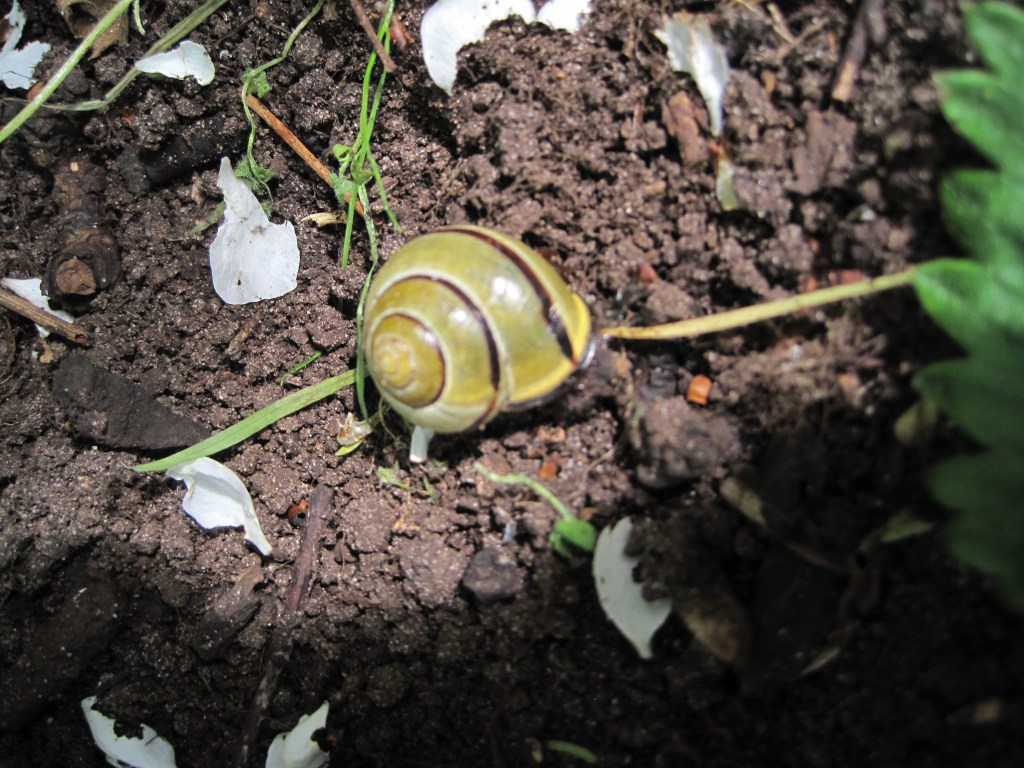
One day last week I had an opportunity and ventured out to do a little work. It’s surprising what you find in a garden. I discovered a lovely leaf, just like a piece of lace and some beautiful empty snail shells.

Birds are busy already. The woodpigeons are nesting again in the beech tree. It has a lot of ivy which helps to hide the nest and provides berries throughout the Winter. Sadly though, it’s not a perfect hiding place because the jackdaws and magpies often find it and take the eggs. Perfectly natural, but hard on the pigeons!

The crow’s nest in the birch trees just behind our garden has been there for three or four years. It’s stayed intact through some heavy storms and I think it has been reused. Crows certainly return in Spring and we hear their loud cawing and flapping about.

I love to see the jackdaws flying overhead to their night roosts in the late afternoon, and the sparrows gathering in the hawthorn trees.

We seem to have a lot of rain. The snowdrops and hellebores are sometimes a bit mud-splashed. Raindrops do look so nice on things though.

In the polytunnels, the Spring cabbages are a bit slug-nibbled but they’re holding their own and in a couple of weeks they’ll start to shoot up. I fed the garlic with some comfrey pellets because some of the leaves looked a bit pale and floppy.

Almost time to start sowing seeds but I’m usually cautious. It’s easy to start seeds off in the warmth of the house but it’s a waste of time and effort to plant them out while frosts threaten. Later sowings soon take off when the ground has had time to heat up and the nights are no longer freezing. I might risk a few kohl rabi and mizuna in the polytunnel where they’re protected from extremes, but most of my sowing will happen in March and April.

Indoors, a warm kitchen keeps me happy. I made more mince pies. I know Christmas is long gone but I have lots of home-made mincemeat. We love a warm mince pie dusted with icing sugar. Mmm. Delicious. I baked two dozen and froze some. Twenty-five seconds in the microwave heats two frozen ones to perfection.

Often, when I bake, there is a bit of pastry left over so I make jam tarts with these scraps. So easy and such a treat. Because the pastry has been rolled a couple of times the tarts are often mis-shapen but it really doesn’t matter. They don’t need to look posh. Still taste so good.

It’s important to dilute the jam with a few drops of hot water and stir it to dissolve it slightly before filling the tarts. The jam boils in the oven and becomes too thick and chewy if it isn’t diluted before baking. Result is toothache, if it’s too concentrated!

Time when I’m not busy means time to appreciate small things. I always ask my son to give me an amaryllis bulb at Christmas. It’s growing now but not yet flowering. The stem is very tall. I noticed a fascinating pattern of sunlight on the wall around it one afternoon. The light was shining through glass with a rippled effect, around the door. It made a lovely pattern and striking shadow. I took a shot.

The same light was playing on one of my paintings.

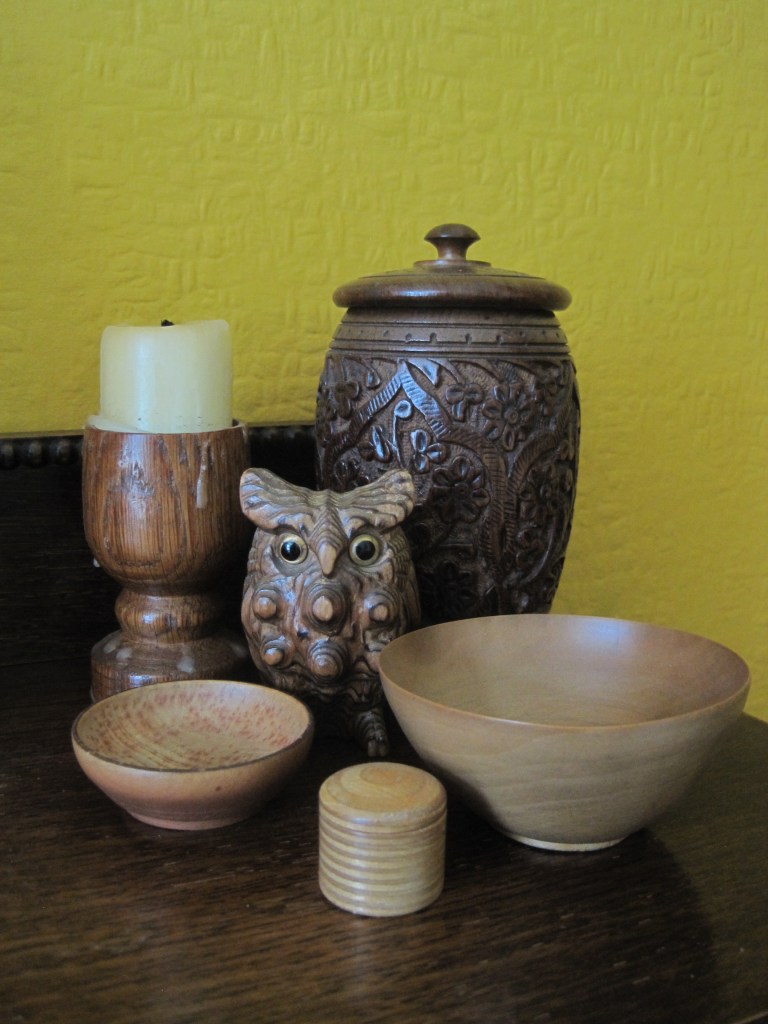
So many little things around the home can give pleasure. The way the light falls and makes shadows, the shapes of simple kitchen tools, lovely pottery, are just a few examples. Here is a small selection of things which caught my eye..

Enjoy your own pleasures as we all wait for Winter to pass. With you again next week. Bye for now.

Survival and Resourcefulness

Snow and ice! A cold garden, covered in a white blanket last week. Not a favourite of mine but even so, an opportunity to see some lovely sights.

The birds have been tucking in on the bird table and feeders. Although they’re very elusive I snapped a few through the window,

Signs that spring is only weeks away are emerging around the garden. Lovely hellebores are slowly unfolding buds. Snowdrops, daffodils and tulips are pushing skywards. I found a couple of primula flowers blooming despite being full of melted snow.

Always plenty to see, whatever the weather.

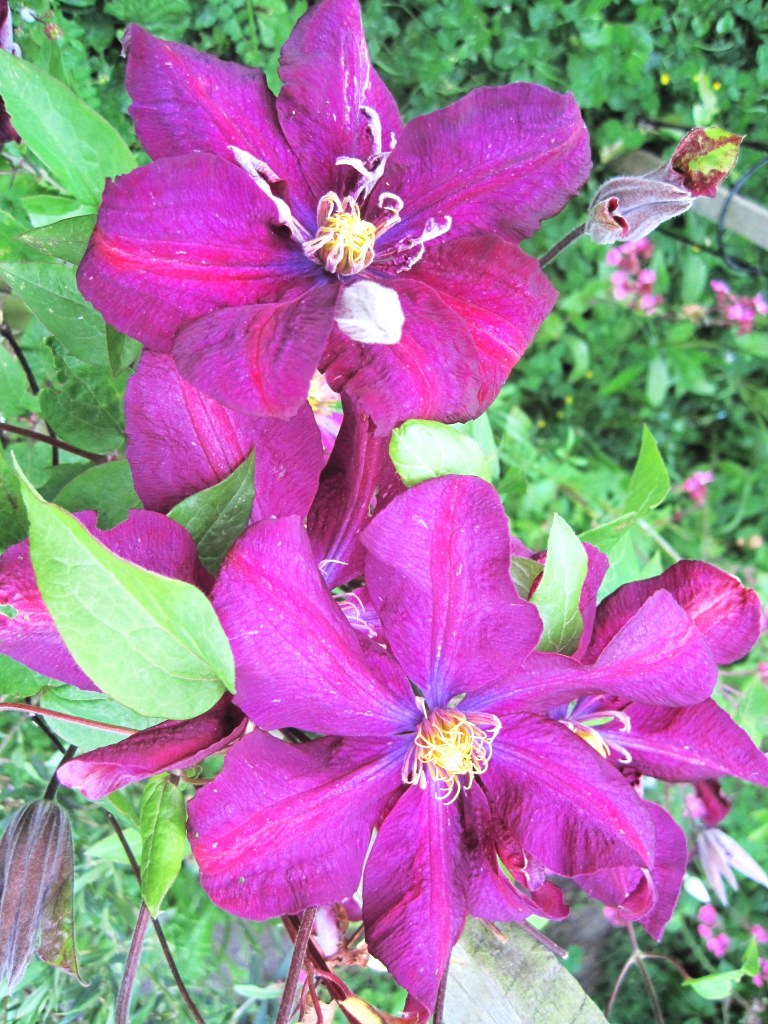
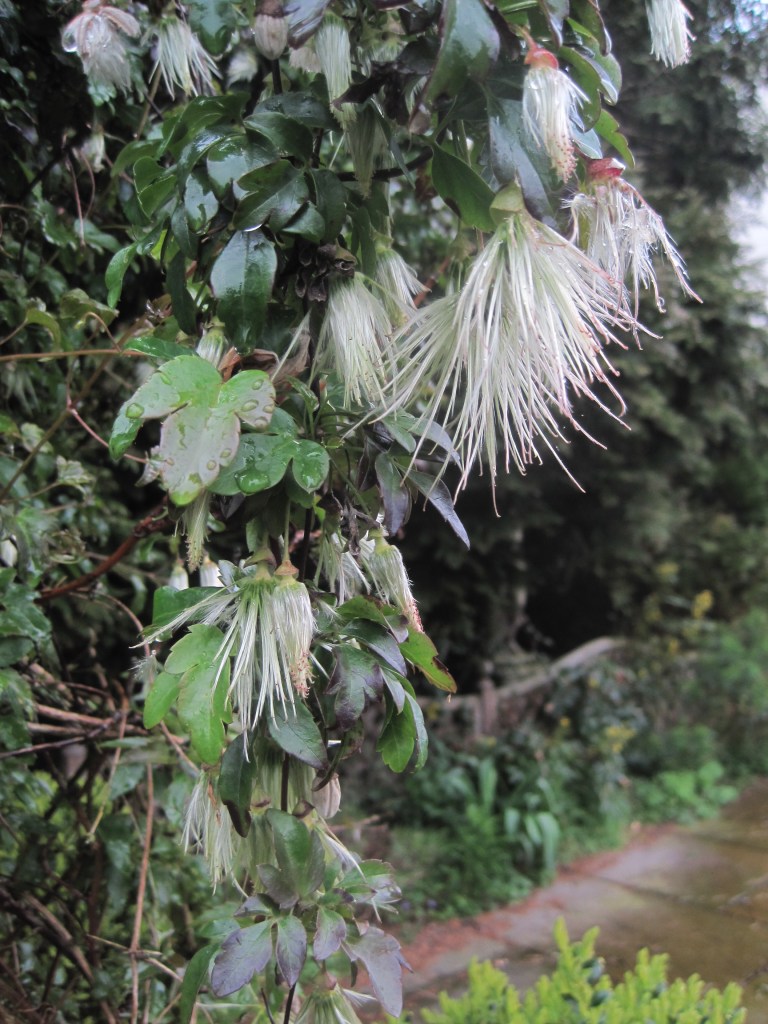
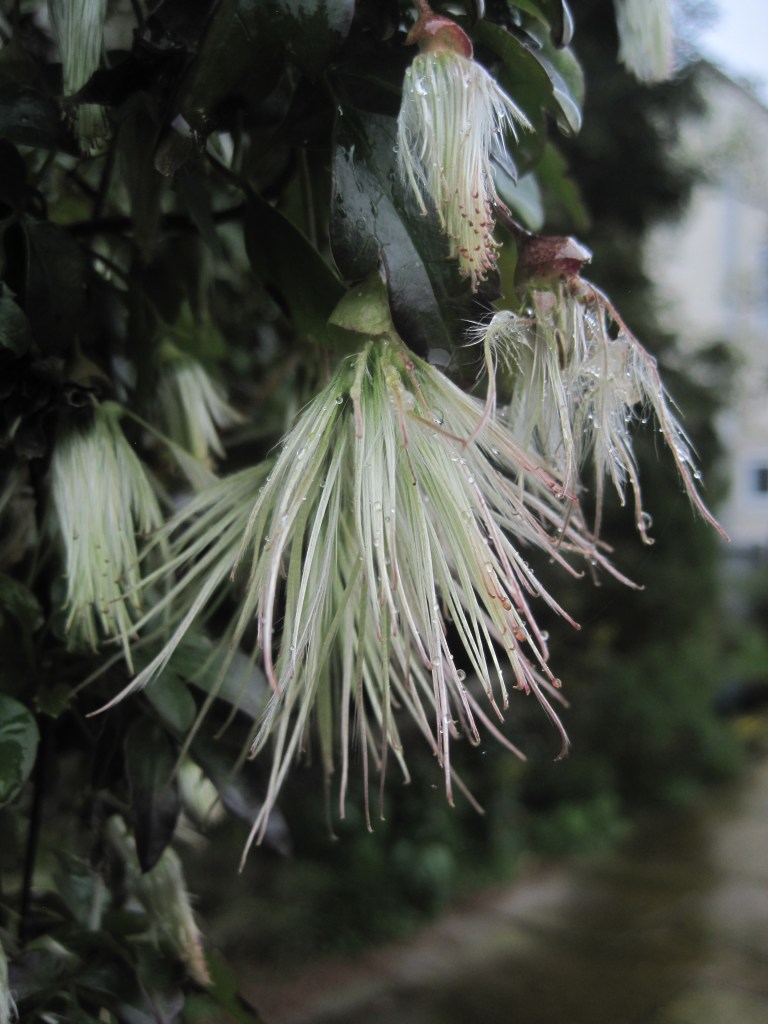
The winter clematis are beautiful. I have two varieties of Clematis cirrhoza draped over an arch. One side has “Wisley cream” and the other side has “Freckles” I think the photos explain which is which.

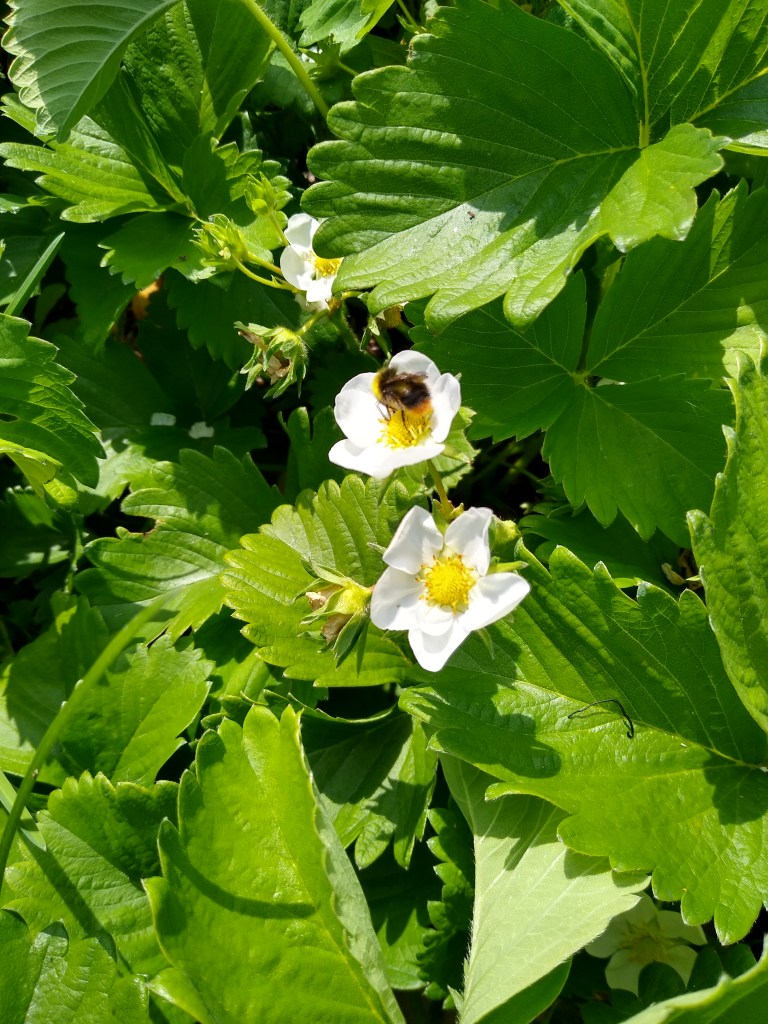
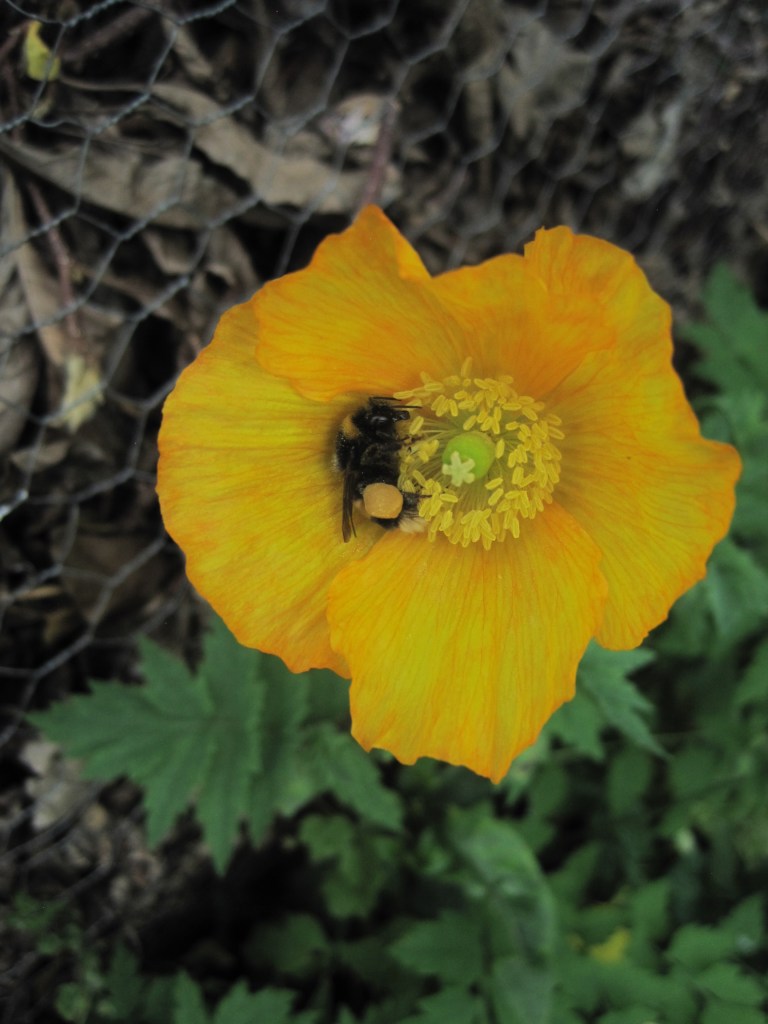
Despite the icy conditions, I found another bumble bee, busily visiting the clematis flowers and the small white blossom of the scented winter honeysuckle, Lonicera fragrantissima. He was very quick but I managed to snap a couple of photos.

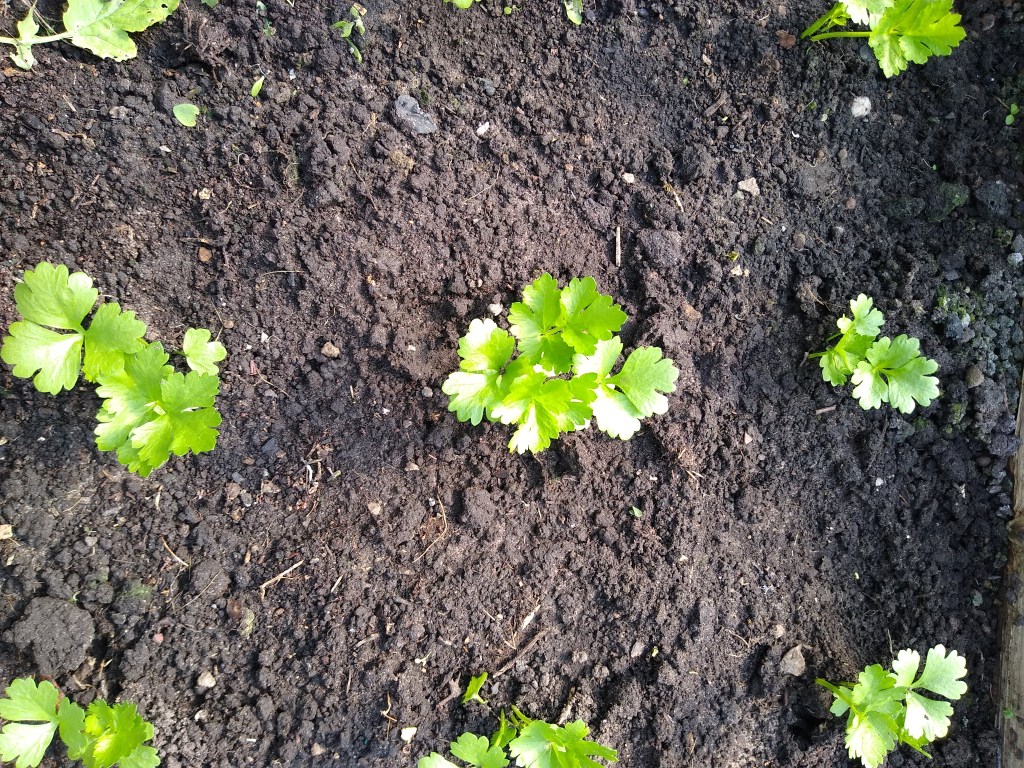
I even found a beautiful, fat, green caterpillar among the carrot leaves in the polytunnel. I hadn’t the heart to throw it out. Didn’t seem to be doing any harm, and moths and butterflies are declining. Who knows what a beauty it might become? I left it to do whatever it needed to.

Indoors, I have been reading a lot. I need to do some baking but I’ve been learning about food science. “Food for Life” by professor Tim Spector. Extremely interesting, sensible stuff, nothing to do with eating fads and all that nonsense about “superfoods”. All food is good if it’s not over-processed. I find it fascinating to learn about food and what it contains. You can always discover something you didn’t know.

Regular readers will know that my recipes are simple and don’t involve exotic ingredients. Comfort food, in a way. Basic ingredients which produce satisfying, nutritious and tasty meals. I have a few tricks and must-haves up my sleeve but anyone can cook using my methods.

I think we all need to be able to look after ourselves and the cost of living is so high now that it’s important not to waste anything. With that in mind I had two ideas last week for easy ways to use up bits of food.

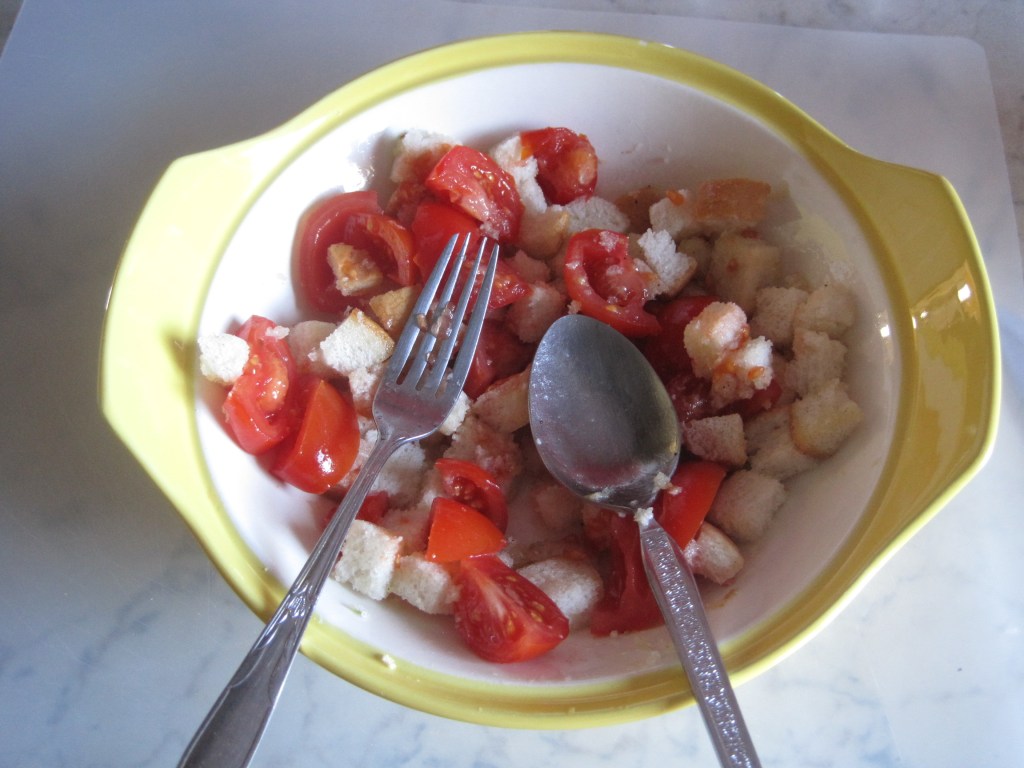
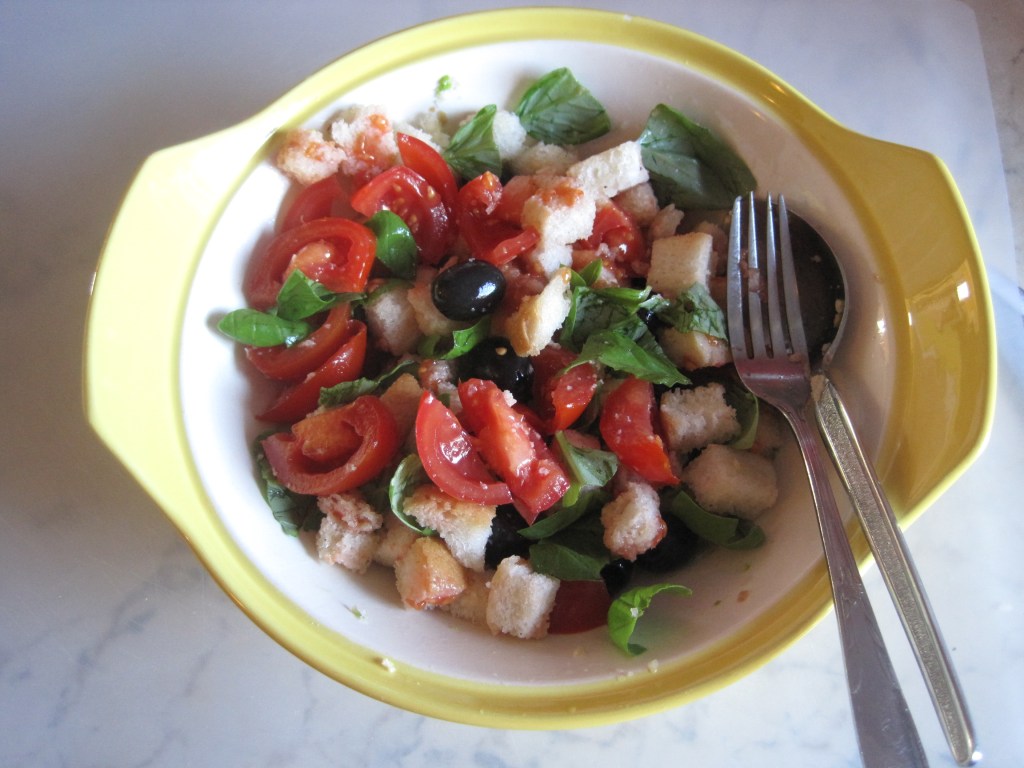
My first one was a bacon and bread pudding. I had two strips of bacon and a few dry slices of bread. Not good for much on their own. So, I snipped the bacon into bits, chopped an onion and a tomato and tore some basil leaves. I put these with pieces of bread into a baking dish and mixed them together. I beat two eggs with about 300mls of milk and a little pepper, then poured this over the bread mixture. Allowed the bread to soak up the moisture, then baked in the microwave for 10 minutes. A tasty meal served with some vegetables and nothing wasted.

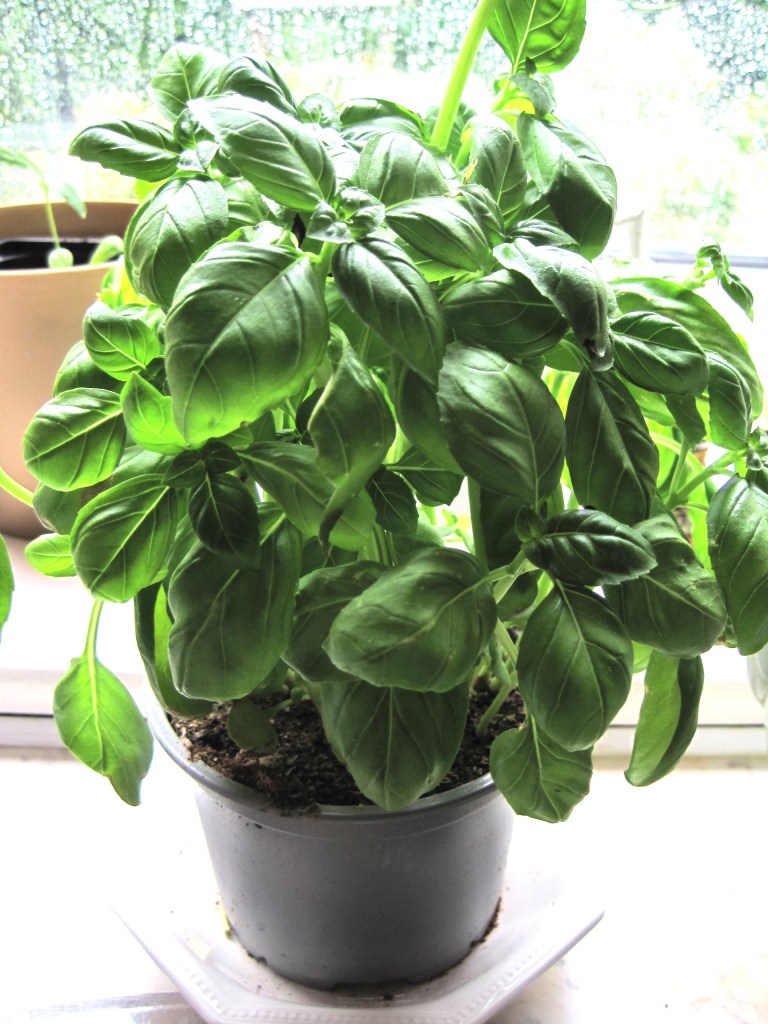
This would work in the electric or gas oven for about half an hour and parsley would be just as good instead of basil. I grow beautiful basil in my greenhouse in the summer but it doesn’t like the cold. In Winter, I buy a pot of growing basil from the supermarket. I keep it on the kitchen windowsill and feed it with cold tea every day. It keeps going for a couple of weeks and I can use it for a few meals.

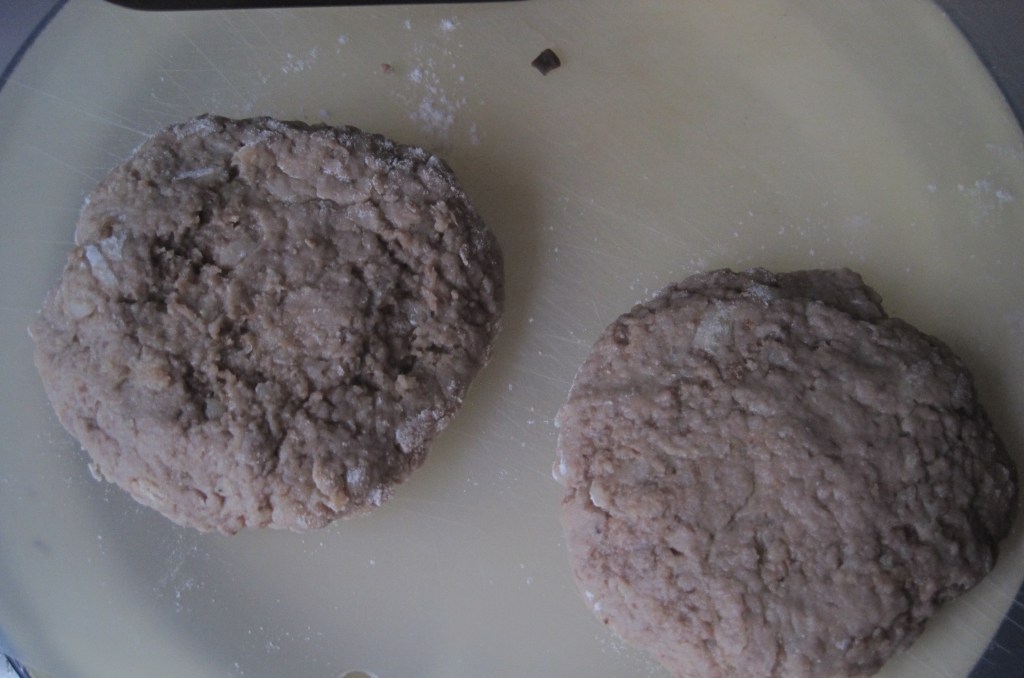
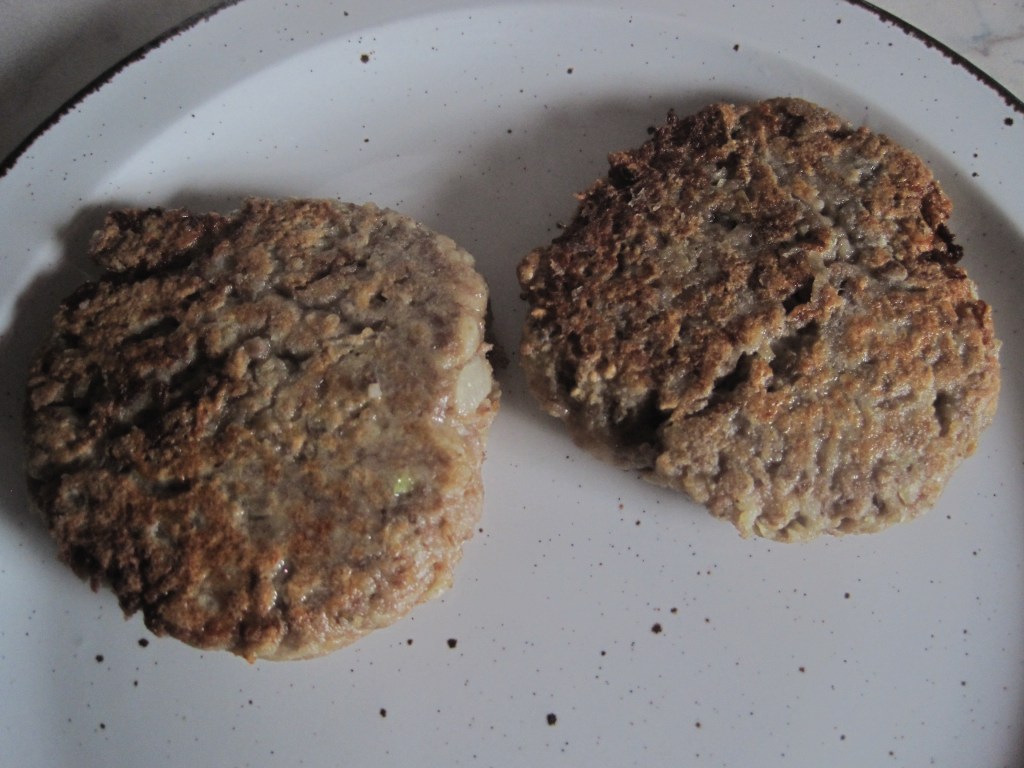
Another idea came about in a similar way. I had a small piece of cooked chicken. Not enough on it’s own but combined with other ingredients it made a delicious meal. Using the food processor, I added the chicken with sliced onion, basil leaves, a couple of slices of bread, salt and pepper and an egg. Whizzed them together, formed the resulting mash into flattened patties and fried them in a little heated oil in the frying pan. Cooked for a few minutes until golden brown on each side and served with vegetables and chutney, they were delicious.

This way, what seems like a scrap of food can be turned into something nutritious and appealing. The eggs give extra protein and the bread pads out the texture to make a filling meal. They’re easy to do and don’t use a lot of fuel. Again, any kind of herb like parsley, sage or marjoram would do, if basil isn’t a favourite.

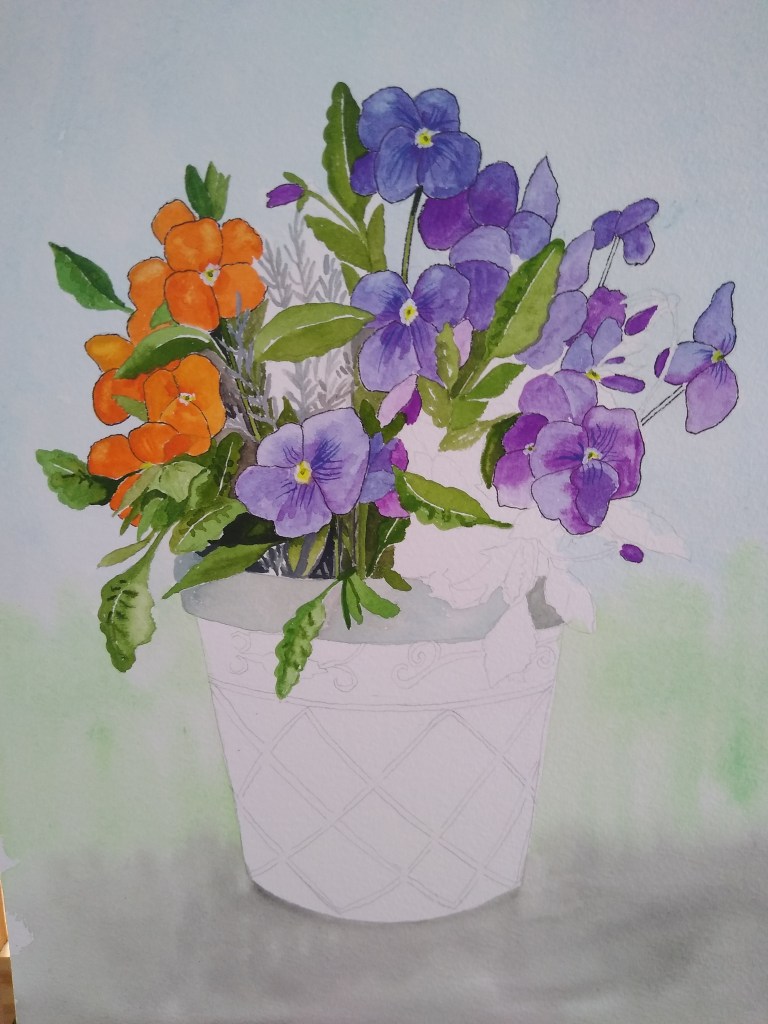
Finally, here’s a cheerful little painting to brighten the Winter.

I hope you’ll join me again next week. Stay warm and healthy. Bye for now.

Hearth and Home

Halfway through January and Winter is truly underway. It has been relatively mild although the forecast is for colder weather soon. This is when I appreciate hearth and home more than ever. Enjoying baking in my warm kitchen and snuggled up by the fire at night.

But then I have always appreciated being at home, no matter what the season. Home is the hub of all my activities. Gardening, cooking my produce, baking delicious cakes, knitting, painting, using my camera and writing my blog. All my treasured possessions have a place here and it provides me with a base for enjoying the things they enable me to do.

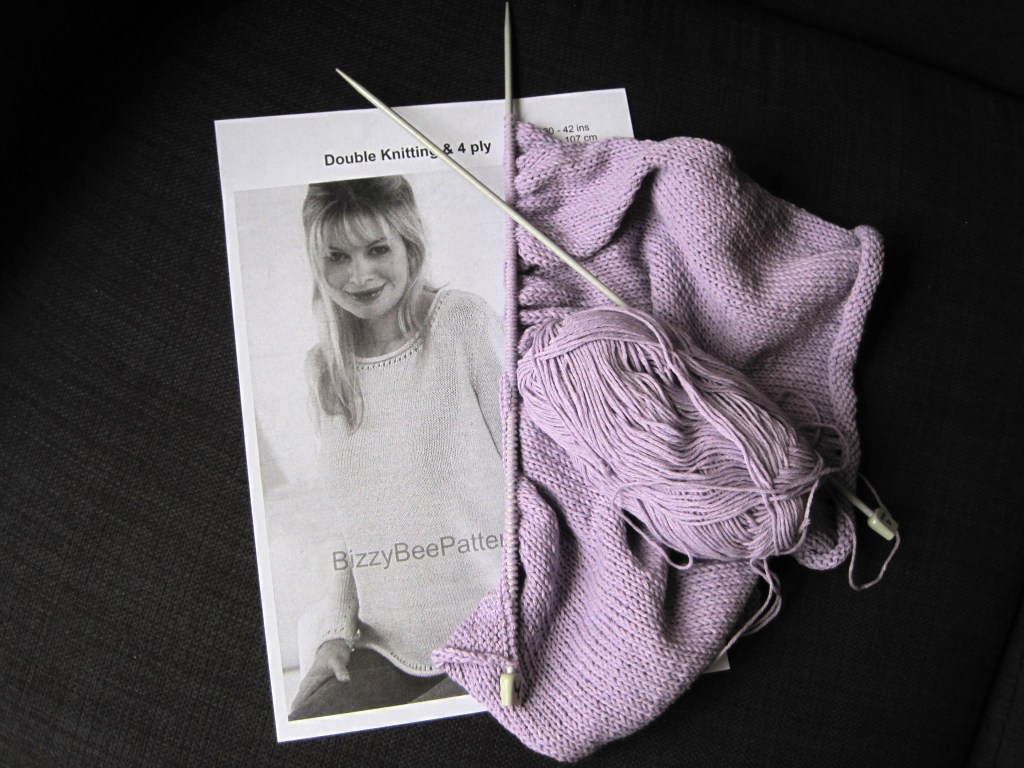
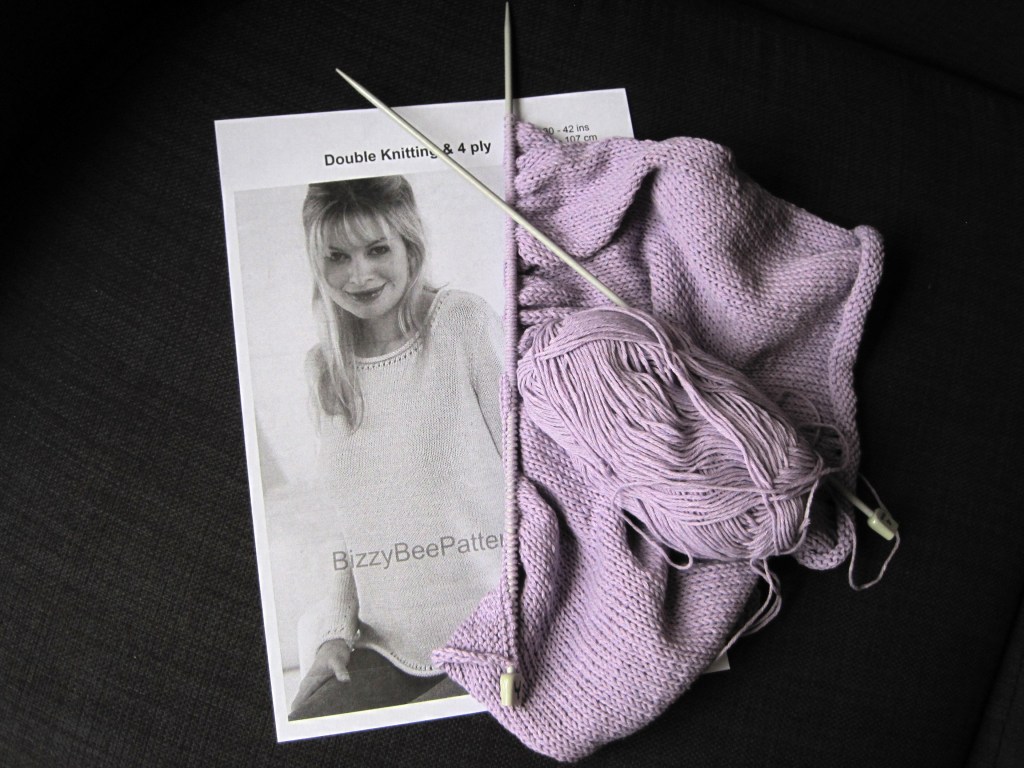
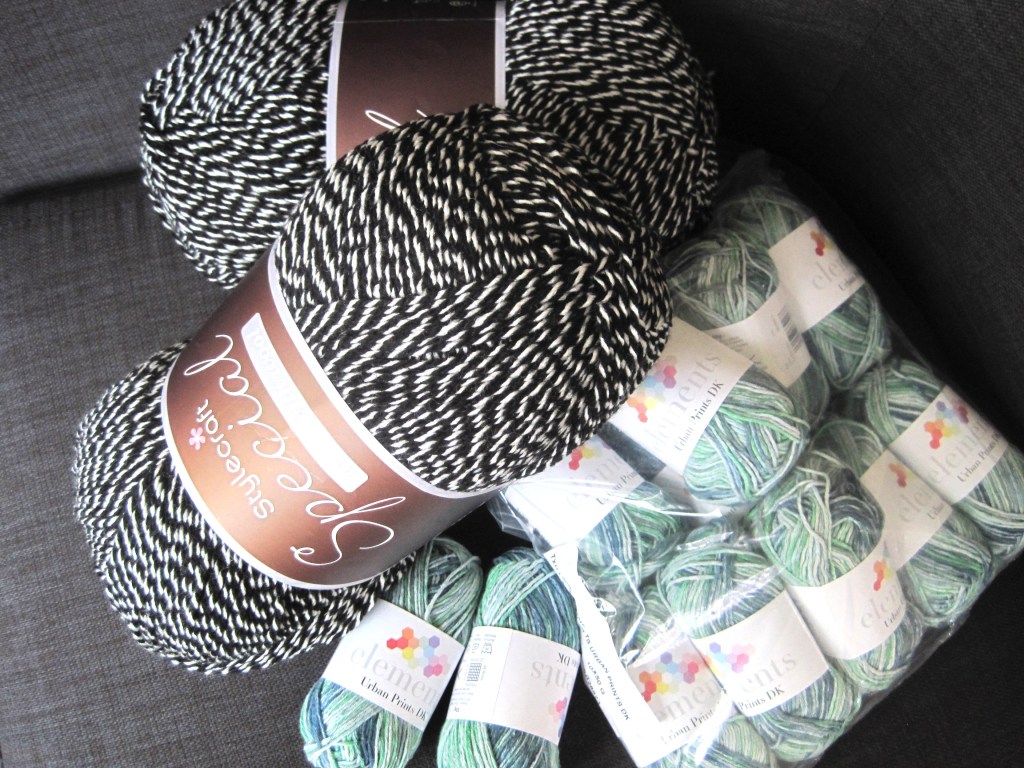
I enjoy creating. It’s lovely to have an item to use and appreciate when you’ve spent some energy. I have been knitting a warm jumper. A pleasant way to pass wet, cold, days when the garden looks forbidding. The needles are no longer clicking. I can actually wear it now. Here’s the result.

The colours are cheerful and cosy looking.

Since I last mentioned I was knitting, a few readers have told me that they would love to knit but can’t quite master it. My advice is to keep trying. It took me years to do it well. I can only cope with simple patterns , even now, and I still make mistakes if I lose concentration but it’s a very satisfying hobby when you persevere. Here are a few helpful hints which patterns never tell you.

Patterns don't tell you practical tips such as the following:
*With a highlighter, mark the number of stitches and rows throughout  the pattern for your individual size, before you begin. Saves confusion as you work.
*It's helpful to have a pencil and notepad on hand while you knit. Then you can mark off the rows while counting them. If you have to answer the phone, you will know where you are in your pattern when you return to your knitting.
*Always pull the yarn very tight when you knit the first stitch in every row. That way you will have a neat edge when the knitting is finished.
*When you begin or end a piece of knitting, leave a length of yarn so that you can weave it in with a darning needle when sewing the pieces together. That secures it very well and leaves no unsightly knots.
*Once you've mastered the basic stitches of knit and purl, casting on and casting off, you can tackle most things. Knitting small toys is often a good way to practice these skills. They're quick and simple and fun to do so you don't feel daunted by a huge project.

Don't give up. Invest in a good book of instructions if you find that's a good way to learn, and don't be put off by examples of fancy patterns. You don't need to do them! If you progress though, you might find them enjoyable.
I hope I can encourage you to keep trying. It's a nice way to pass winter hours. Please believe me, if I can do it, anybody can! I'm not a "natural", I have to work at these things.

The garden is included when I talk about the appreciation of home. It’s part of my feeling of being grounded and essential to my sense of who I am. I try most days to go into the garden, if only for a look around. Much of it looks soggy and dark right now but pretty little flowers are peeping out here and there and the snowdrops are pushing up. The bellis daisies are so fresh and appealing in their simplicity and the cyclamen announce their arrival with vivid colour. Won’t be long before the daffodils cheer us with their astonishing brightness.

I noticed a log with some weed leaves splayed beautifully over it. The texture of the bark was lovely to see and the fresh leaves were green and shapely.

Beauty is around us if we choose to look. It’s surprising where you can find loveliness if you notice small details.

I hope you’re finding lots of pleasurable pastimes during the dreary Winter. One pleasure is cooking warming and sustaining meals. Since Christmas I’ve been making a lot of my one-pan meals with simple, seasonal ingredients like carrots, sprouts, kale, celeriac and parsnips. Because I cook them all together in very little water, all the goodness and flavour are retained and they’re delicious. The vegetables combine well with potatoes or rice. Ideas, and instructions, are in my Earthy Homemaker’s Cookbook.

These can be meat or fish based or vegetarian and I’m inclining more and more to vegetarian versions. Some ground nuts or a handful of red lentils, added to the pan, make a nutritious and tasty alternative. Ideas are buzzing around in my head all the time.

Something I’ve developed recently is a small addition of yoghurt, creme fraiche, or soured cream. I wait until the vegetables are cooked then remove the pan from the heat and stir in a dollop of one of these. It combines with the stock and makes a flavourful sauce. A very satisfying meal to make and eat and so simple.

I hope you’re enjoying your own home comforts. With you again next week. Bye for now.