Baskets Full of Goodies

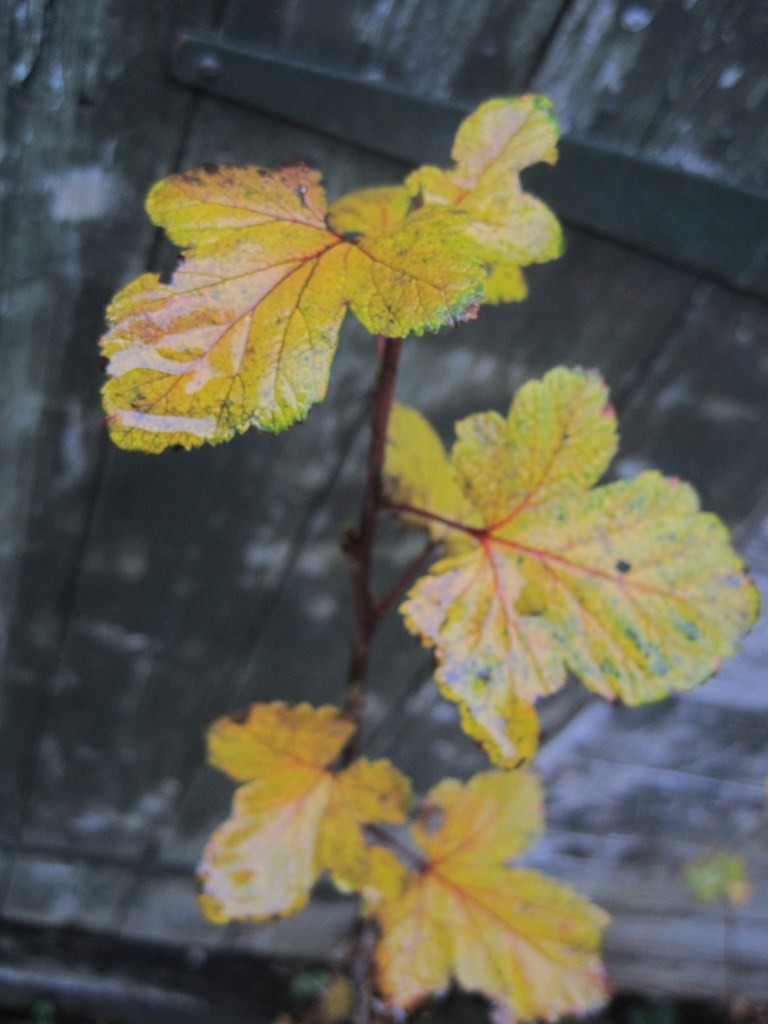
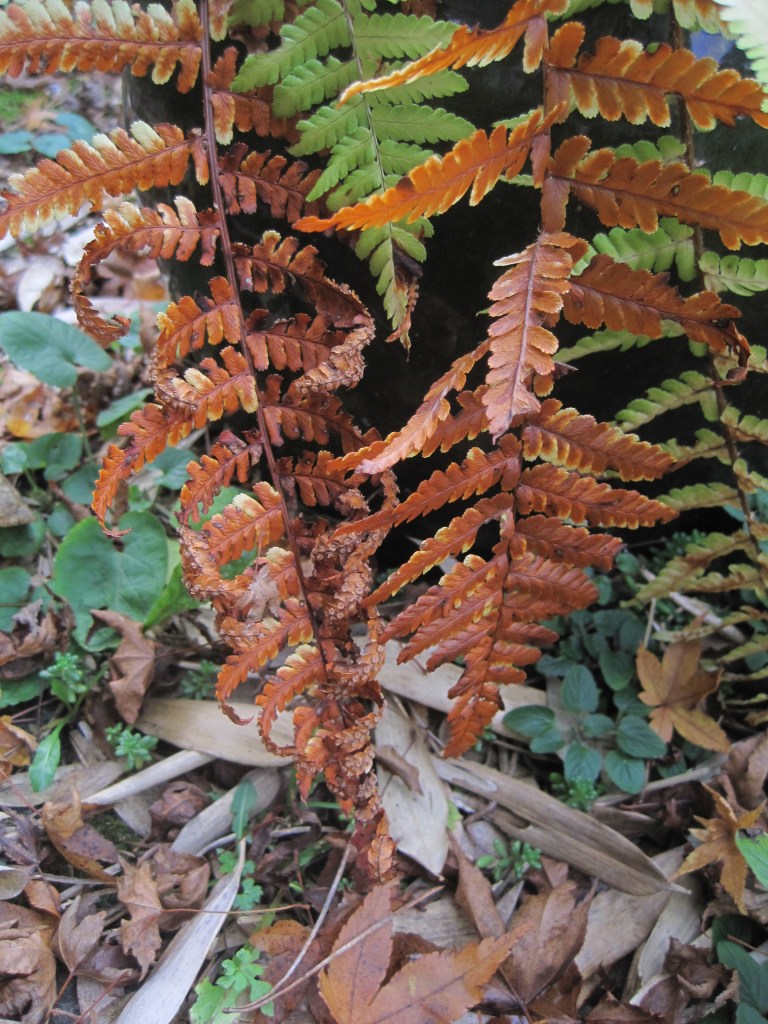
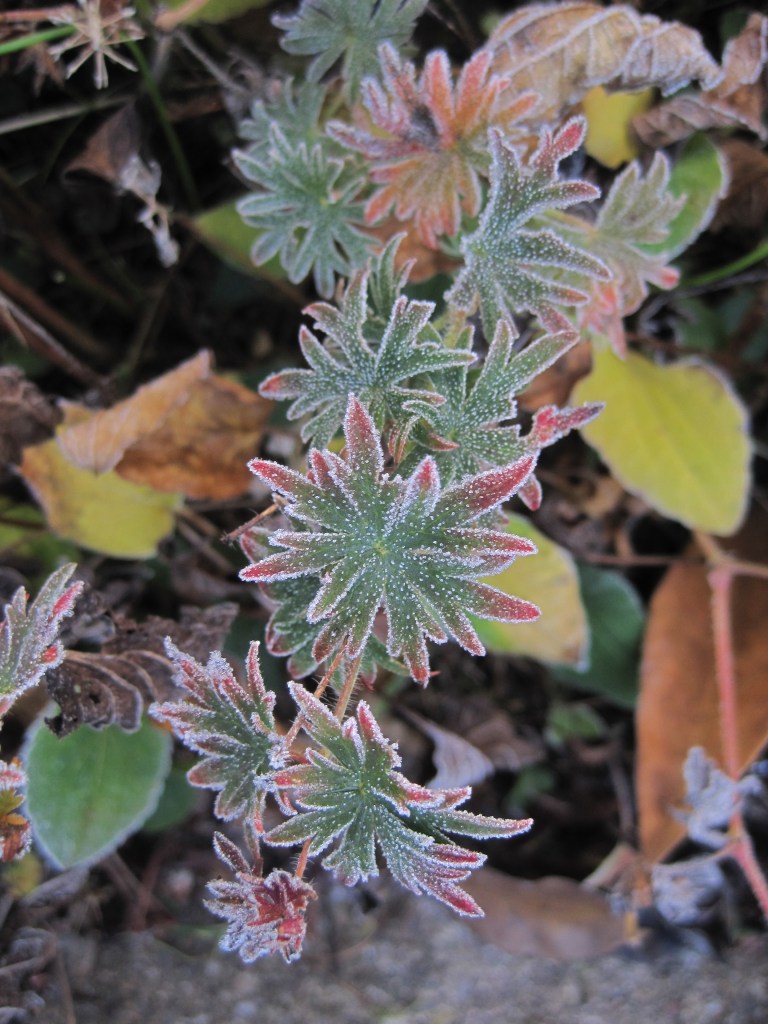
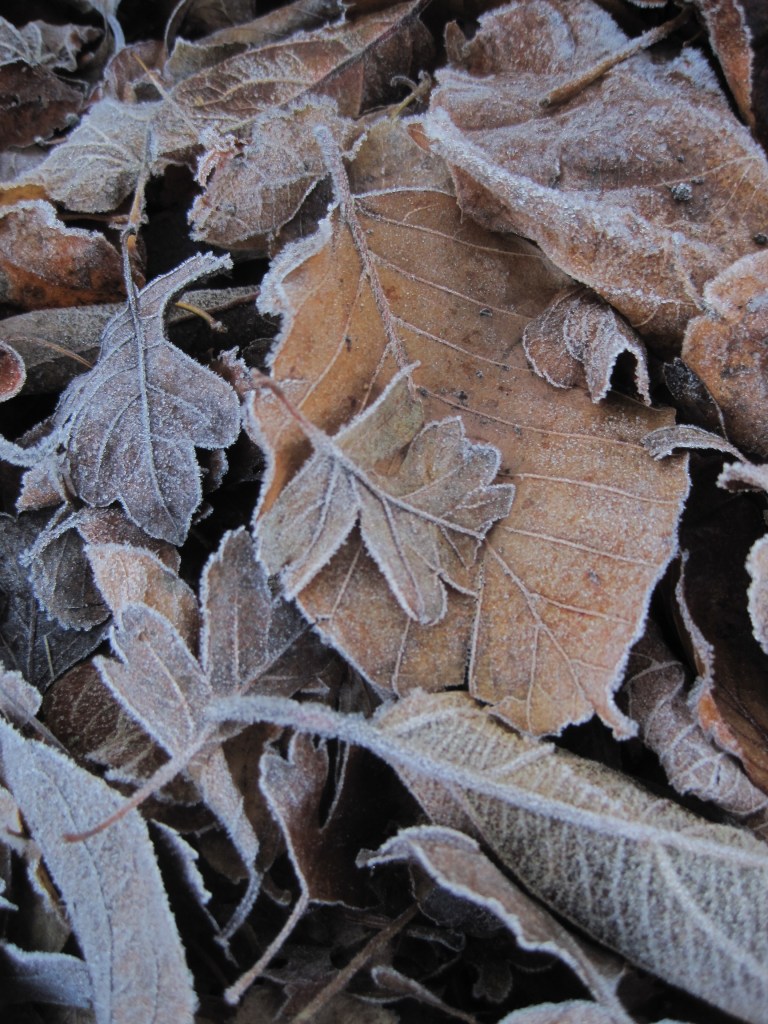
Leaves cover the paths now under the fruit trees. Damp and scented, they form a carpet on the earth.

Sweeping is a constant job at this time of year but it’s good to leave a few leaves to shelter creatures over the winter.

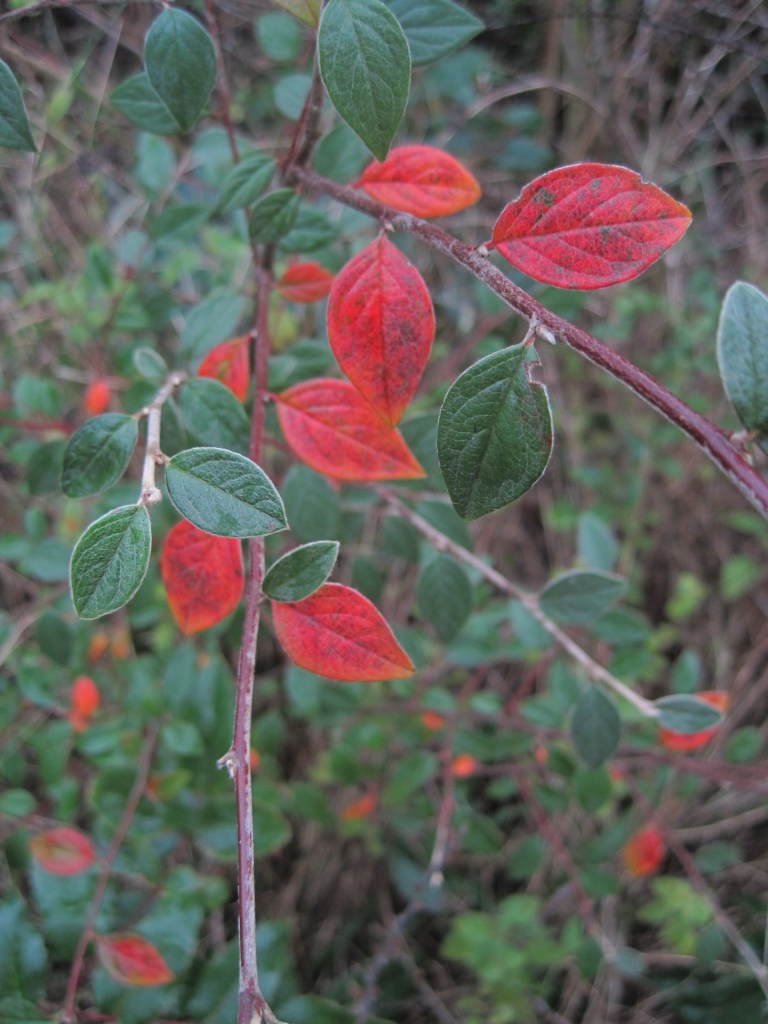
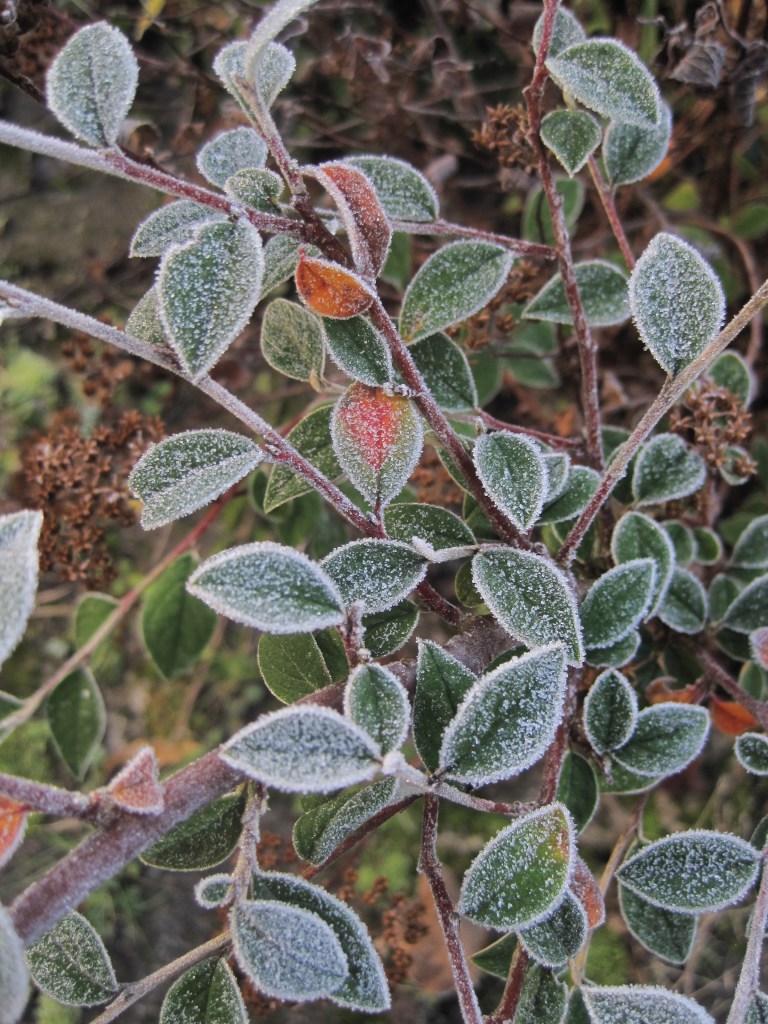
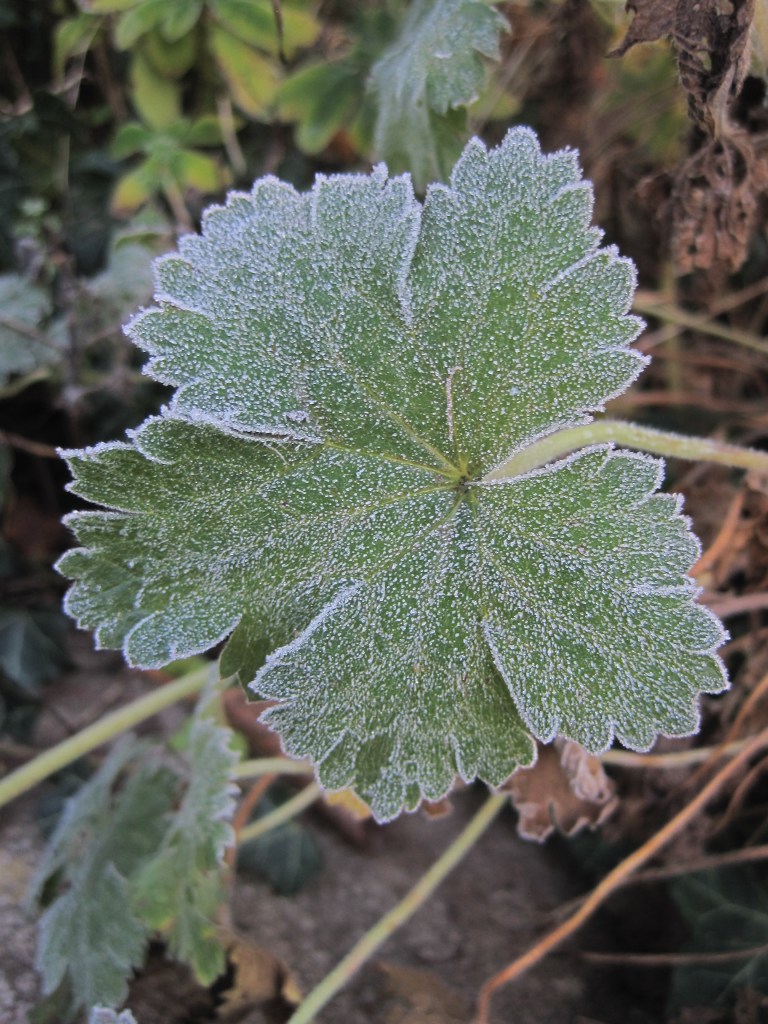
Mellow autumn is turning the garden colours to shades of gold and red as plants fade from their summer splendour.

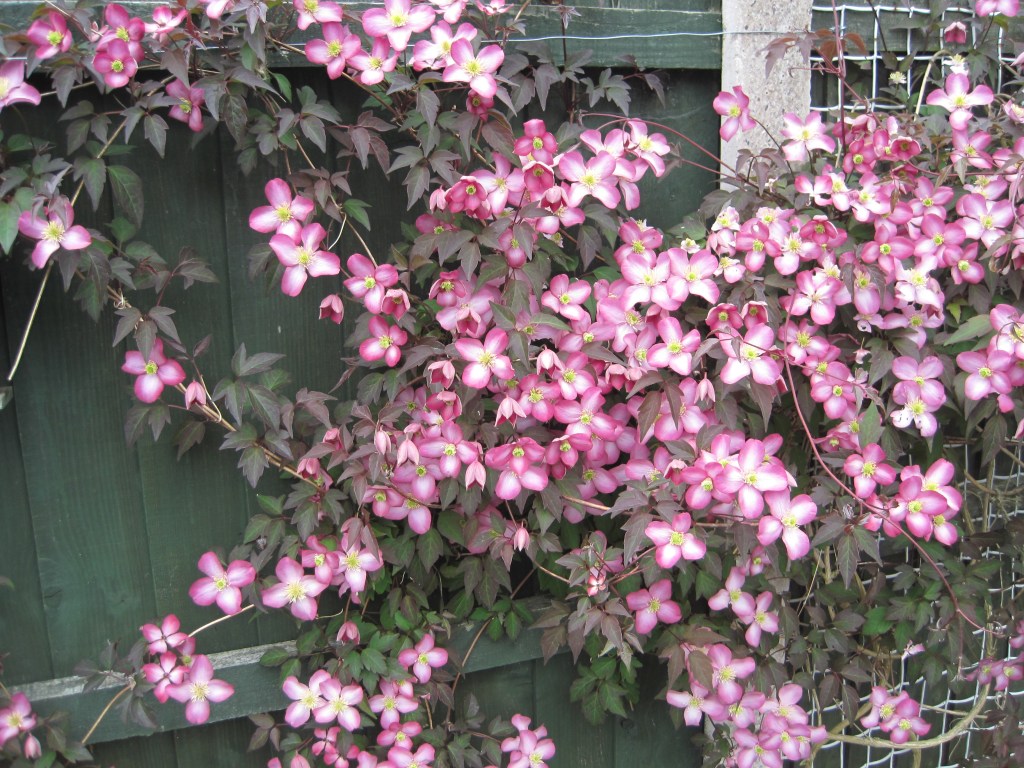
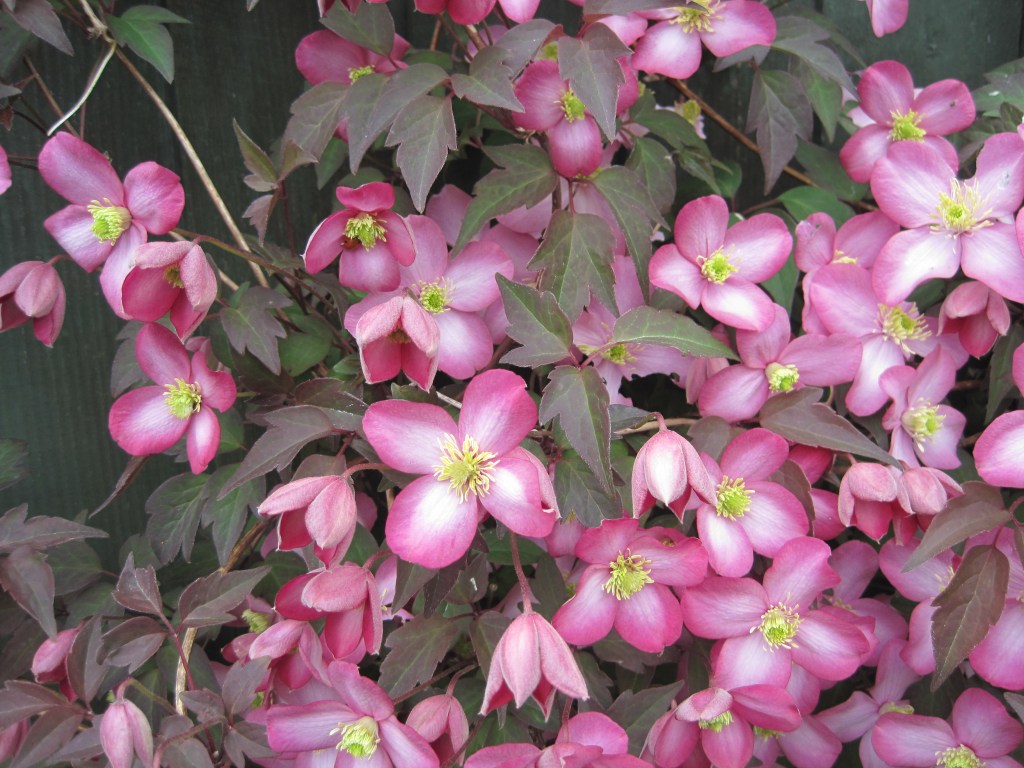
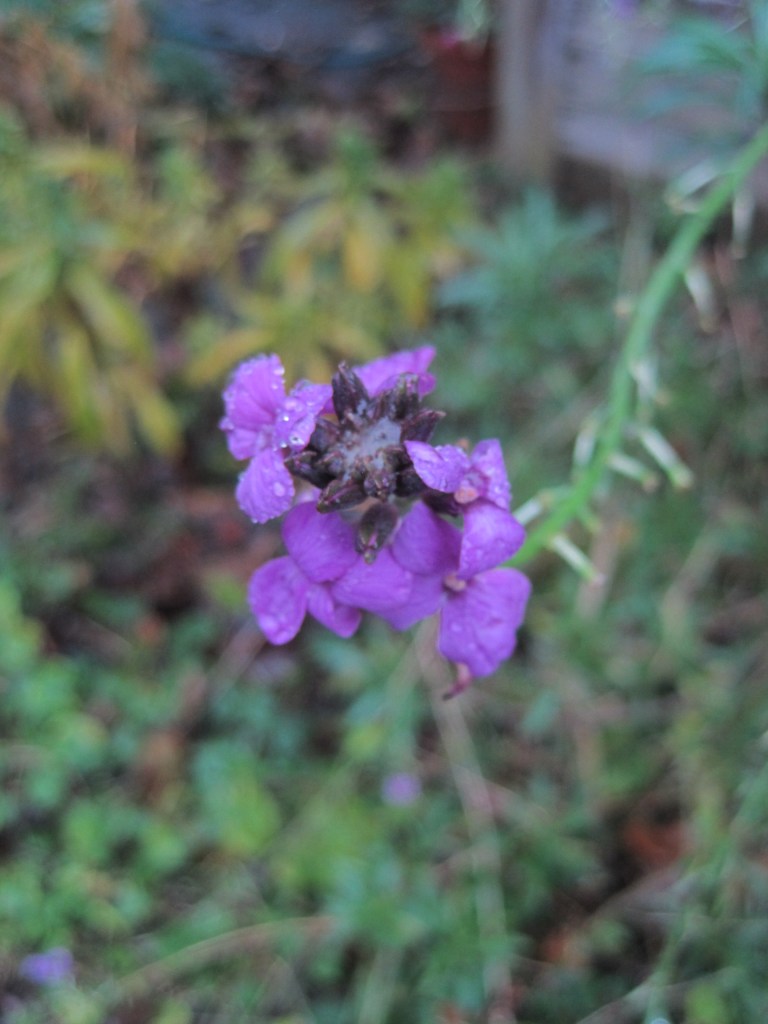
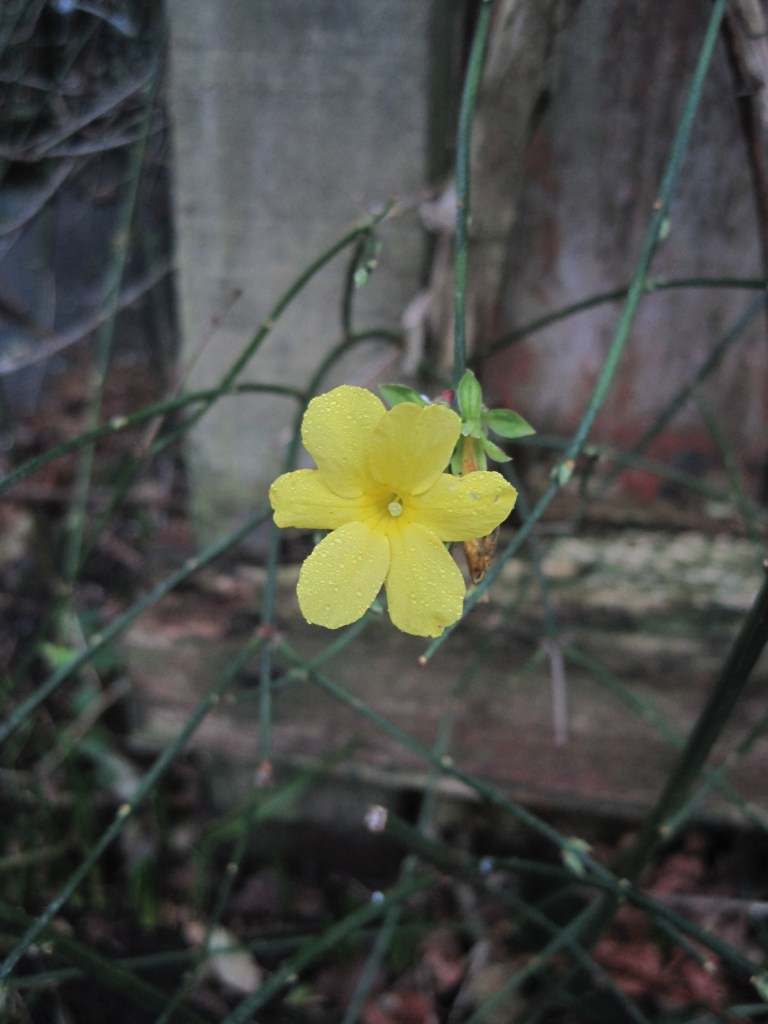
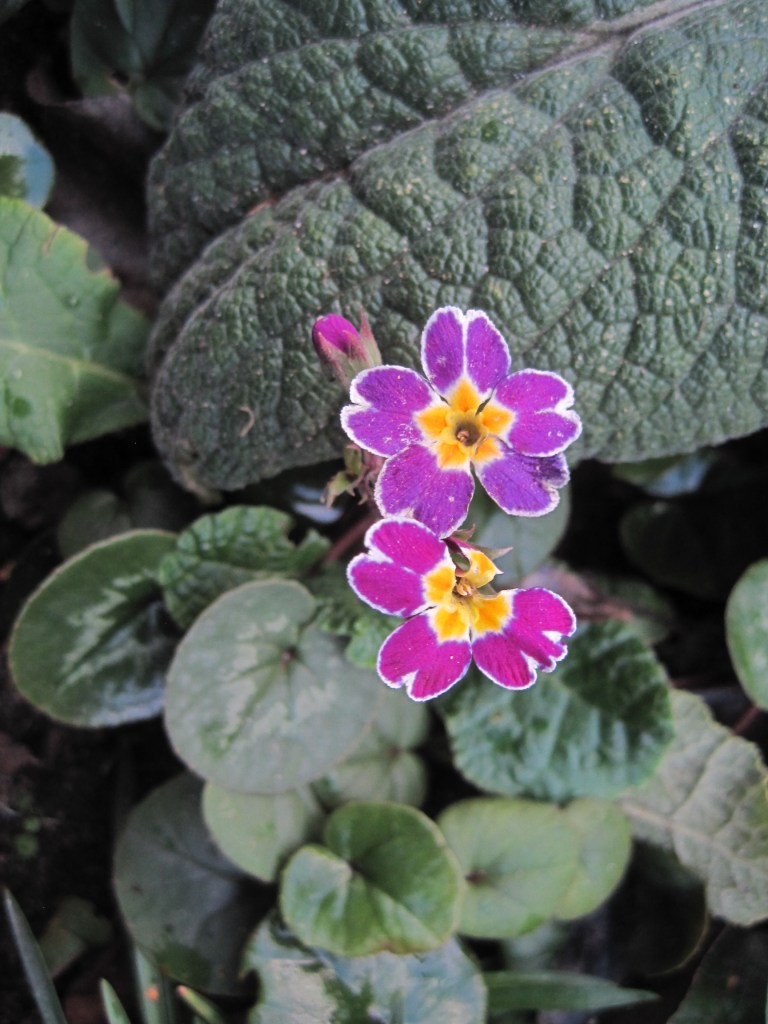
A few late flowers sing out their vivid colours and are welcome as the garden fades.

Time to plant winter veg so I’ve been popping things in where space allows. I’m hoping the sprouts will produce some lovely little buttons for Christmas. Cauliflowers and purple sprouting broccoli will be welcome in spring.

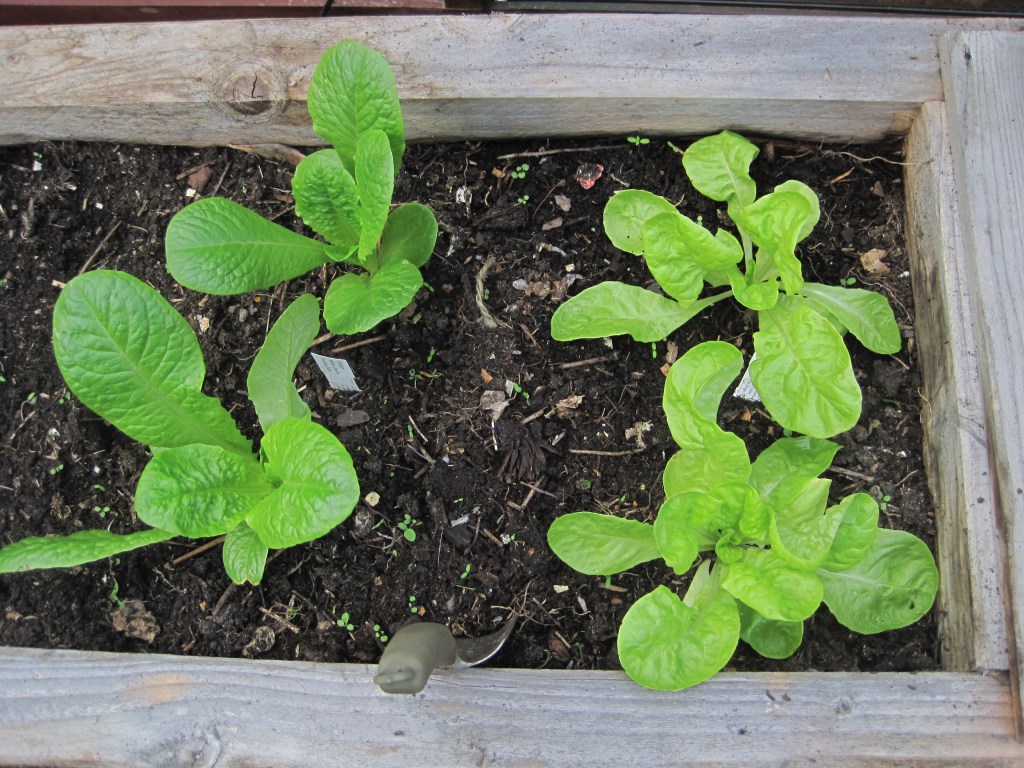
The tomatoes have finished so the plants could come out and the greenhouse bed tidied for hardy salads. Lettuce and other salad leaves will grow slowly through the winter then take off in February.

Most of the apples are gathered in now. A basket of fruit is such a lovely sight.

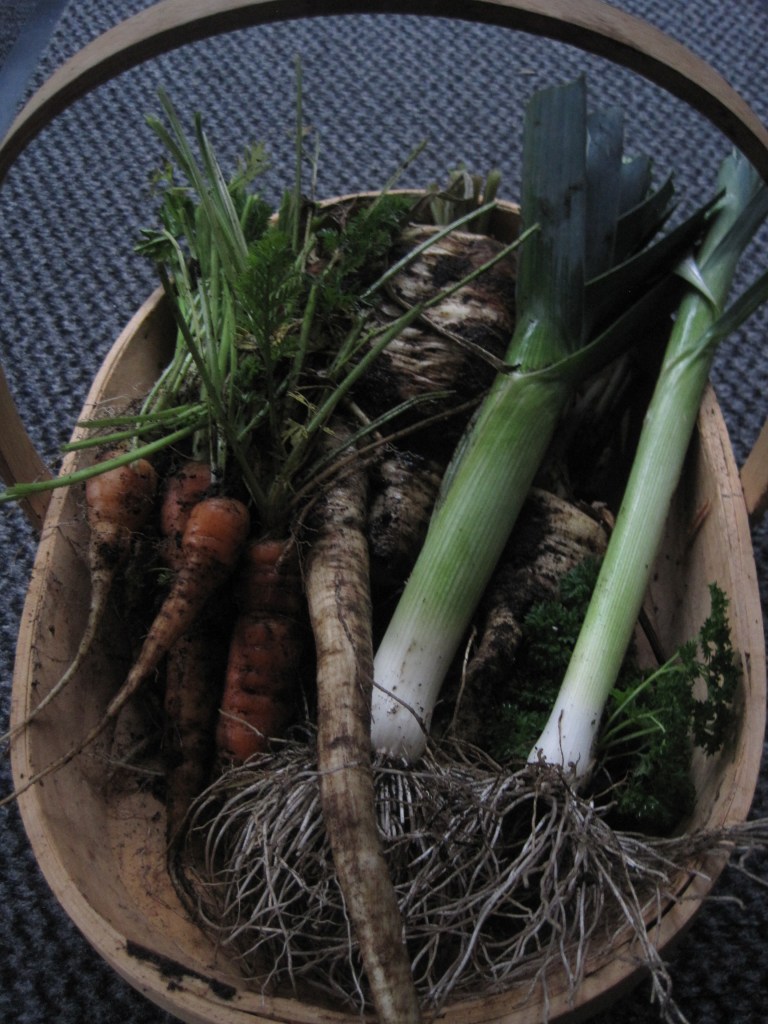
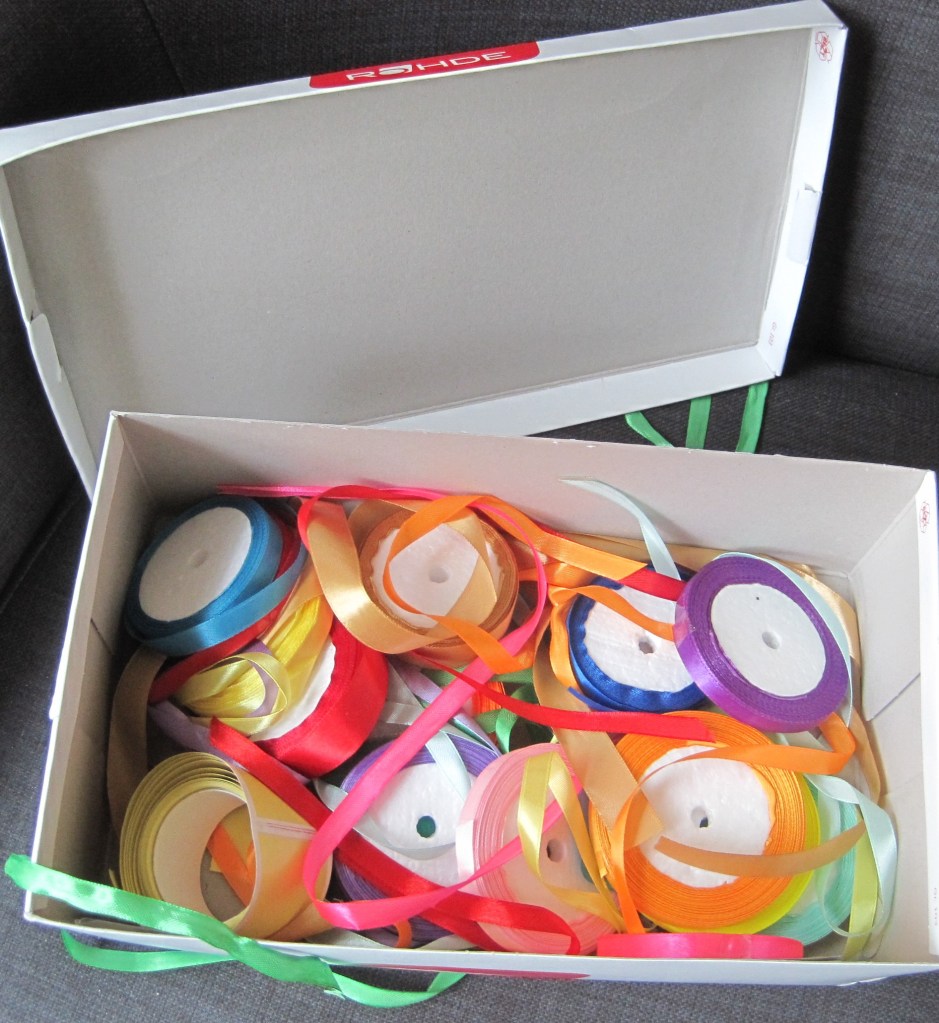
In fact, a basket of anything pleases me. I use baskets for so many things. Fruit and veg, knitting yarn and needles, embroidery thread; they all look pleasing in a basket. Here are a few of mine.

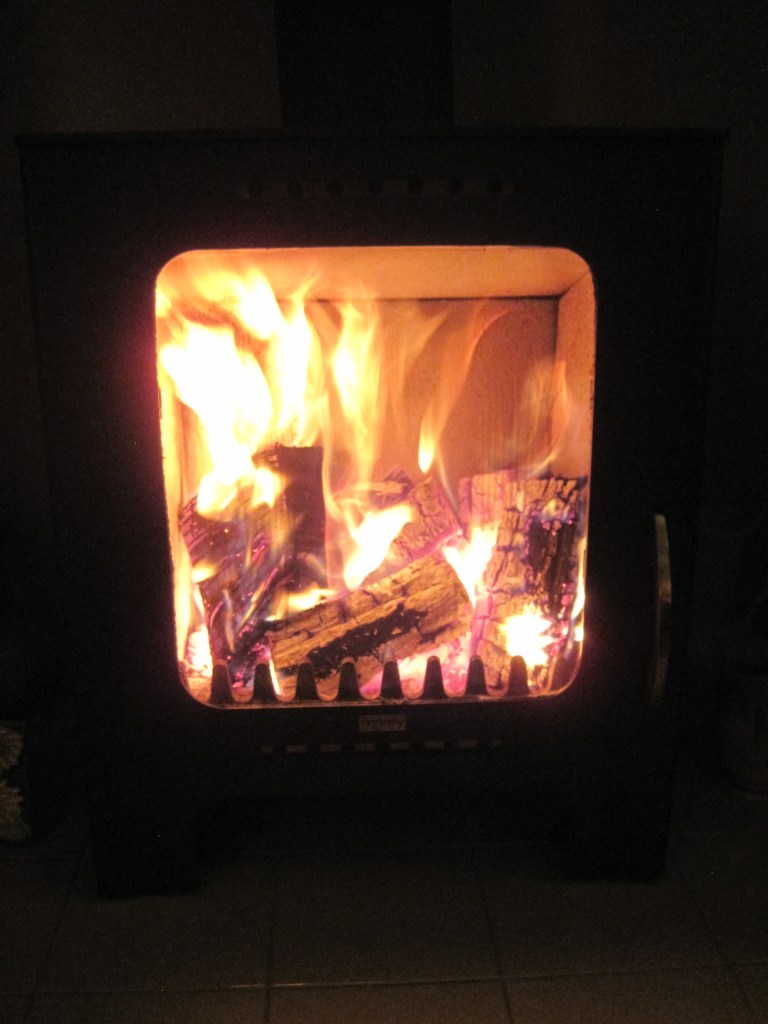
And here’s a sketch I did of our log basket by the fire.

Autumn is a slightly melancholy time despite its beauty. The prospect of dark, cold months fill with me with dread but “hope springs eternal” as the saying goes. I turn my thoughts to making the most of the here and now and better days to come. Here’s another little poem which this feeling inspired me to write.

OCTOBER DAYS
Sunny spells and sudden rain.
Rustling leaves and drooping flowers.
That time of year is here again
With daylight's fleeting hours.

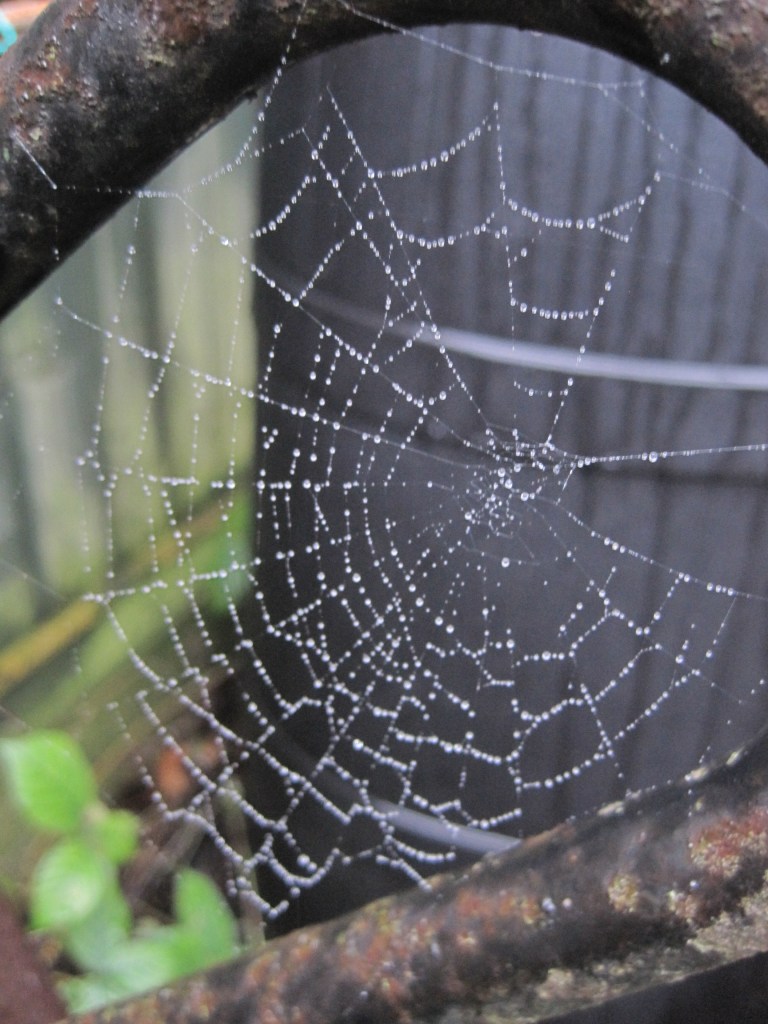
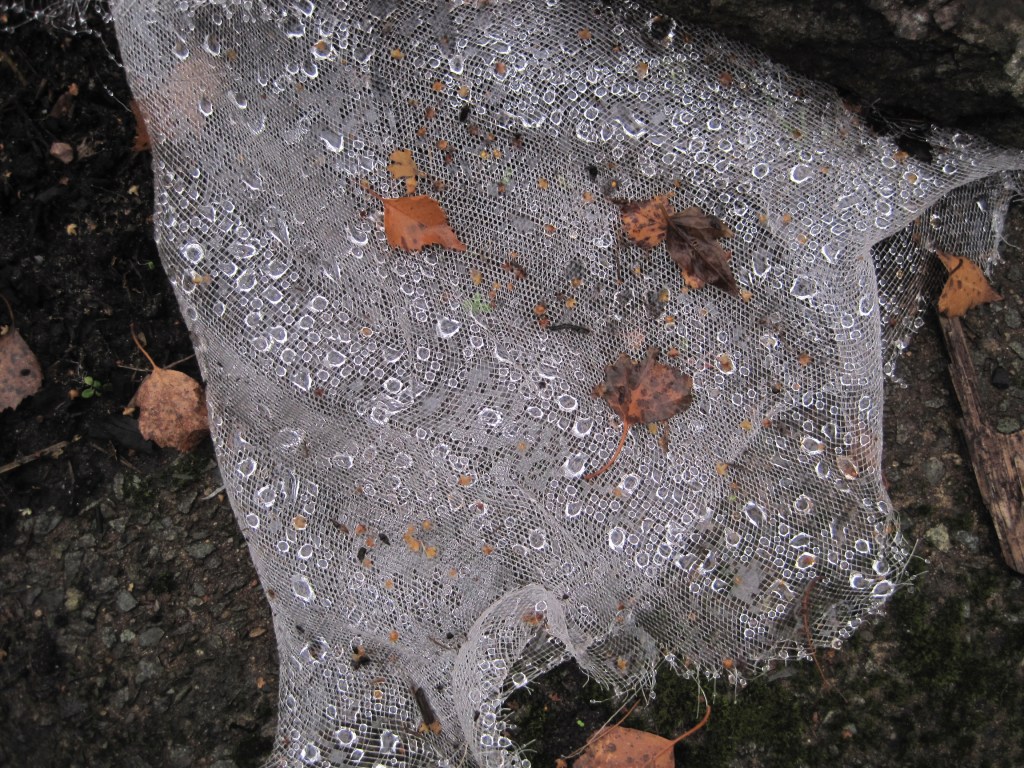
Spider webs are glistening wet.
The moss is emerald green.
Sombre clouds, a constant threat
And whipping winds are keen.

Then the sun bursts through again.
Golden light upon the wall,
Glowing on the windowpane
Where the raindrops fall.

Scents of earth perfume the air.
Damp morning mists arise.
The trees are very nearly bare
As the restless wind moans and sighs.

Darker days lie just ahead
And though Winter may be cruel
We need not fear or dread
As we plan for Spring's renewal.

I hope you have plans yourself to keep you occupied and happy. With you again next week with a new cake recipe. Bye for now.

Cosy Blankets and Chutney

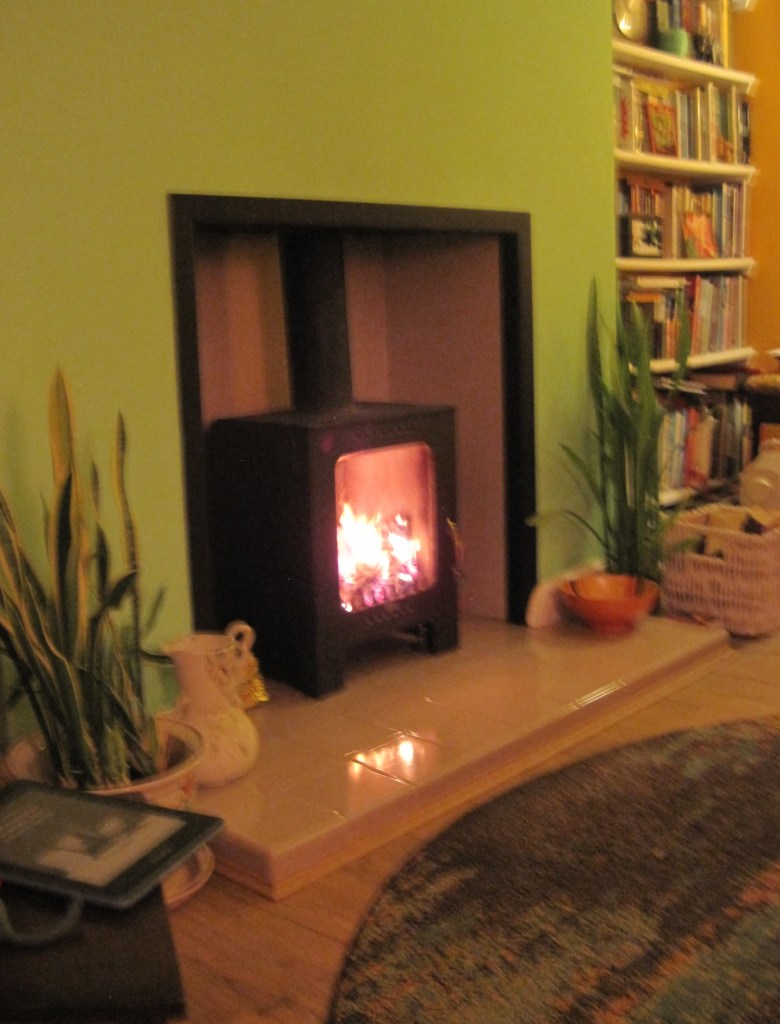
The longer evenings are drawing in and with them a feeling of needing to be snug and warm. Not quite time for a log fire but a cosy blanket is welcome. A time to knit, read and paint a picture or two.

Before winter sets in I like to be busy storing away my jars of preserves.

With that in mind I’ve been making chutney. One of my recipes is my husband’s favourite. It’s dark, sweet and a little fruity with raisins, apples and brown sugar. Although I love making it I prefer a more piquant taste so I made up another recipe. That way we’re both happy.

Here’s the recipe for the dark chutney.

Dark Sweet Chutney

1kg Courgettes
600g Tomatoes
200g Apples
700g Onions 
1 red Chilli Pepper
2 cloves Garlic, crushed
110g Raisins
600ml Malt Vinegar
1 teaspoon Salt
1 teaspoon Mustard Powder
1 tablespoon Paprika
450g Brown Sugar
half teaspoon Celery Salt
2 teaspoons Mustard Seeds

Wash, trim and chop all vegetables into small pieces.
Put all ingredients into a large stainless steel pan and stir well to combine.
Bring slowly to the boil then leave to gently boil for two hours.
It will gradually thicken. This can be hastened if the pan has no  lid on but this makes a lot of condensation and vinegary aromas around the house. I prefer to put the lid on but not let the contents boil over.
Stir from time to time to ensure it doesn't stick.
After an hour, carefully wash and thoroughly rinse jars and lids. It makes approximately six jam jars of chutney. Never use damaged or rusty lids which will react with the vinegar.
Place the rinsed jars into the oven and heat on a low temperature until the chutney is ready.
Wipe the lids with kitchen paper or a very clean teatowel and put somewhere warm to dry (a shelf over a radiator, for eg.)
Place a board on the work surface next to the stove covered with newspaper and a layer of kitchen paper. A thickly folded teatowel will do if a board's not available.This will prevent the jars touching a cold surface which would cause them to crack.
You will need a clean ladle and a funnel which will fit into the tops of the jars to keep them clean. A jam funnel is ideal.
When the chutney is ready and the jars are hot remove them one at a time from the oven using a cloth and fill immediately. Leave a small gap at the top of the jar. Screw the lid on tightly straight away.
As the jars cool they will seal if everything was kept hot during the filling and the lids were tightly screwed on. As the chutney cools you will hear a popping sound when a vacuum forms at the top of the jar and pulls the lid on securely.
Leave to cool for 24 hours, then label with the date.
Store in a cool dark cupboard.

I was happy to be in the kitchen with the rain lashing the windows. It was a couple of days since I was able to snap a few beauties in the garden. Asters, sedums and fuschias are putting on a show now and attracting a few butterflies.

I brought some asters in to enjoy in the house while I wasn’t able to wander around outside.

Wild strawberries are still popping up their little jewels of berries for the birds to eat. I discovered one half eaten the other day.

There is always something of interest in the garden. New shoots developing, buds, seedheads and fading flowers or delicate feathers left behind by beating wings.

Another week has flown by. I hope you too are finding plenty of satisfying things to do.

Thank you to all those lovely readers who read the blog last week and enjoyed the sketches of my 1960s clothes. Your kind comments were much appreciated.

Bye for now. With you again soon.

The Swinging Sixties

The old plum tree has surprised me with a pretty good crop this year. A couple of years ago it was suffering from a fungal infection and the few plums it produced were horrible, distorted things. Fortunately it’s recovered. Often though the plums are blown down and bruised, or nibbled by birds and other garden creatures.

Although they weren’t ripe we harvested a couple of kilos. I washed, stoned and froze them. During the winter I’ll make plum and apple jam with them. They will be fine for this.

I was pleased to find that every one was perfect. No grubs or other imperfections, just nice juicy flesh. Satisfying work.

I’ve planted about a dozen little spring cabbages in the polytunnels. These will grow slowly over the winter and mature around April or May. These have ball heads and are delicious shredded in salads as well as steamed.

The late flowers are now colouring the garden again. The asters are lovely in shades of purple or pink and among my favourite flowers.

A few other pretty sights catch my eye as I wander around with my camera.

Time to feed the birds again soon. Many people put dry bread out for them but the RSPB says that this swells inside them unless it’s thoroughly soaked. Mouldy bread is very dangerous for birds and must never be given. I prefer to treat them to sunflower hearts. There are are so many other good ways of using leftover bread.

I often have a few dry slices to use but I find them endlessly useful. I make puddings, savoury or sweet. They’re fabulous as a topping with or without cheese on savoury bakes. Cut into cubes they can be mixed with a little olive oil, basil, olives, garlic and tomatoes to make a tasty salad. Gently fried they make delicious croutons and with beaten egg poured over them and allowed to set they’re a tasty omelette. I add them to many dishes such as my vegetarian sausages, cashew cakes or nut loaf. They are good in juicy flans to soak up the delicious syrup. If none of these are convenient I make breadcrumbs in my food processor and freeze them for another day.

With all this gardening, baking and preserving I’m obviously never dressed up. I was reminiscing about the clothes I wore when I was a teenager in the 1960s . Such sharp, tailored styles then. We always looked dressed up whatever the occasion. Sadly I haven’t many photos from those days but I can remember them clearly. I drew them, complete with my hairstyles and shoes and coloured them with felt tip pens. An enjoyable hour or two.

I didn’t have these all at the same time. They span a few years. I had very little money but even cheap clothes were very stylish and colourful.

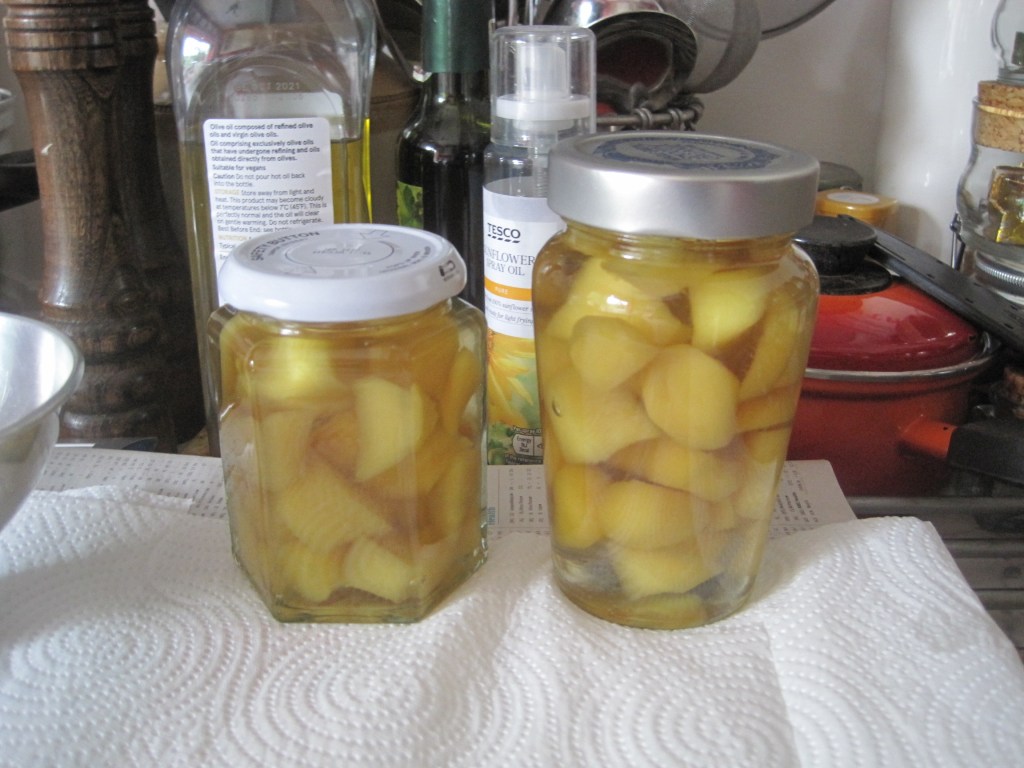
Nowadays I’m more often in an apron. I pickled some eggs yesterday. A new experience for me. Don’t even know if we’ll like them but fancied having a go. I like things preserved for winter and I love pickles so thought I’d try them. I have to wait a month for the flavour to develop.

A bit of a ramble this week but I hope you found it interesting. Enjoy these last few pleasant days of early autumn. With you again next week.

Seasonal Treats

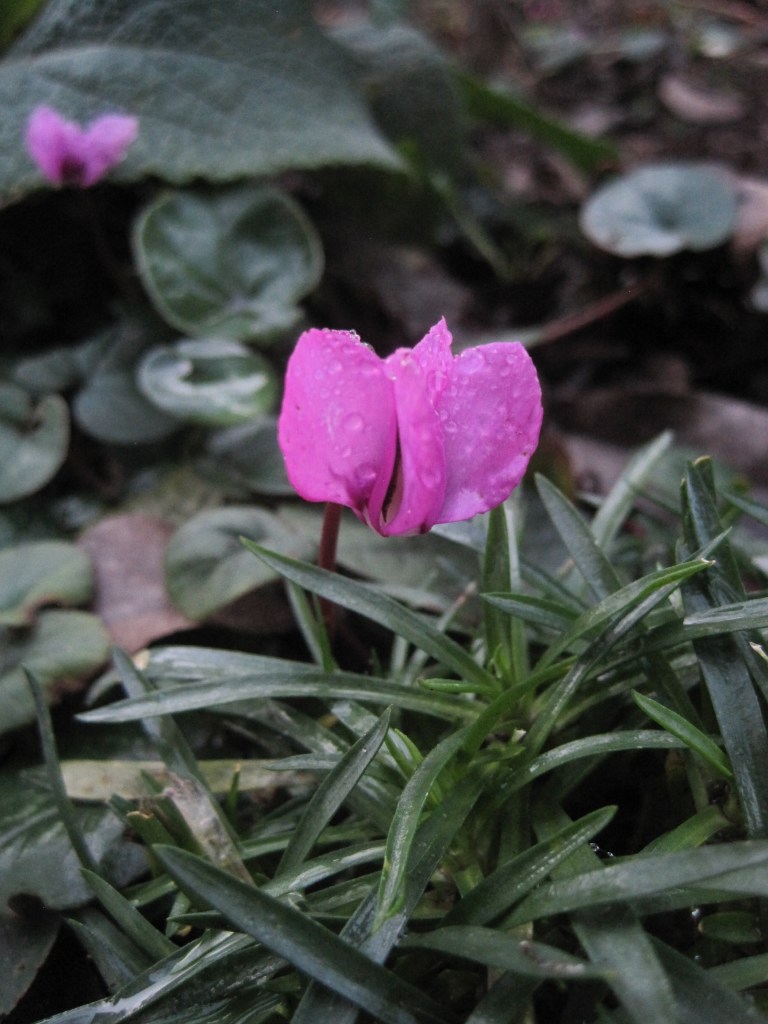
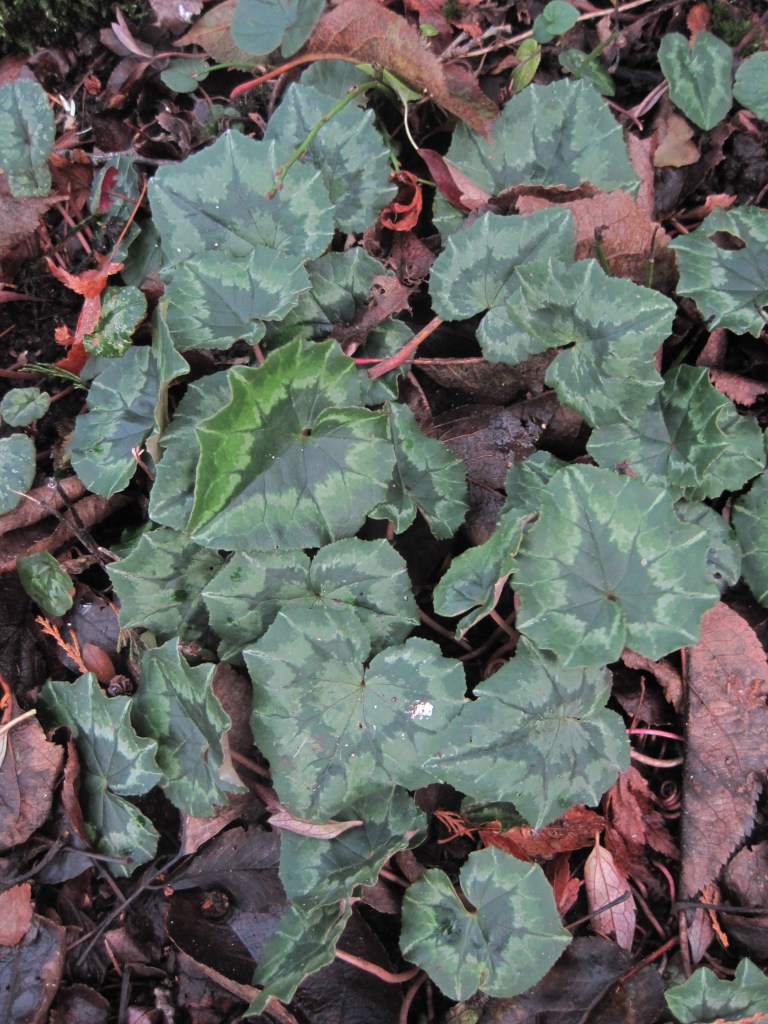
We’ve had some lovely days with an autumn ambience. The asters and sedums are flowering, rudbeckias still glowing and a few butterflies are about. Some pretty cyclamen are appearing under the trees and the “Water Lily” colchicums are beautiful.

Frost will be coming soon so I’m making the most of fruit, tomatoes and beans while they are still thriving. The blueberries are delicious. Not so many this year but such a sweet treat.

The garden is mellowing and the skies are beautiful. Blue sky and billowing white clouds by day and golden clouds at twilight.

At this time of year I usually make picalilli with my home-grown cucumbers and courgettes. Sadly, they haven’t grown. I bought some courgette plants to replace my losses but they’re slow, unyielding and being gnawed by a mouse! Usually I’m picking them every day.

Instead, I made chutney with other vegetables. I mentioned this in my last post.

Just in case you’d like my picalilli recipe, here it is. It’s easy to do and very tasty with winter meals.

PICALILLI

You need about 2kg/4lbs of the following vegetables in reasonably equal proportions.

Cauliflower, Cucumber, Courgette, Onions,  French or Runner Beans

2-4 Chillies, depending on how hot you want it
1 teaspoon Ground Ginger
30g/1oz Plain Flour
1 litre/2 pints Malt Vinegar
30g/1oz Turmeric
30g/1oz Mustard Powder
60g/ 2oz white Sugar
Sea Salt

Prepare vegs. Chop onions, break cauli into small florets and discard stalk. Cut cucumbers and courgettes into small cubes. A mixture of French and Runner Beans can be used. Thawed frozen beans can be used if fresh are not available. Cut into small pieces.
Place the prepared vegs into a large ceramic or stainless steel bowl and sprinkle well with sea salt. Cover and leave in a cool place for 24 hours. 
Next day, drain well.
Sterilise jars by washing and rinsing thoroughly before placing in a cool oven to heat and dry. Wipe washed lids with kitchen paper, ensuring all are sound and vinegar resistant. Put them somewhere clean and warm to dry.
Chop chillies finely. Wash hands immediately to prevent irritation to eyes.
Mix mustard and flour to a runny paste with a little of the vinegar.
Put vinegar to boil with turmeric, chillies, sugar and ginger.When boiling, pour in the mustard paste, stirring well, to thicken.
Add all the vegs and cook for 5-15 minutes, depending on how crunchy or soft you like it.
Meanwhile prepare a surface to hold the hot jars. Have a wooden board, if available, covered with a layer of newspaper and kitchen paper or folded teatowel(remember though that turmeric stains). This will prevent the jars from touching a cold surface which could crack them.
Remove and fill the jars one at at a time.
While still hot fill the heated jars, using a ladle and a funnel to keep the rims clean. Screw the lids on firmly while still hot using a cloth or oven gloves.
Lids will make a popping sound as the vacuum formed inside sucks the lids on. This indicates they are sealed.
Sealed jars will keep for a year or more but if they haven't sealed  the picalilli will still keep well for some time.
Store in a cool, dry and dark place.

Although my usual ingredients haven’t grown there are always pleasures in a garden. Some things disappoint but others surprise and please. Each season brings something new.

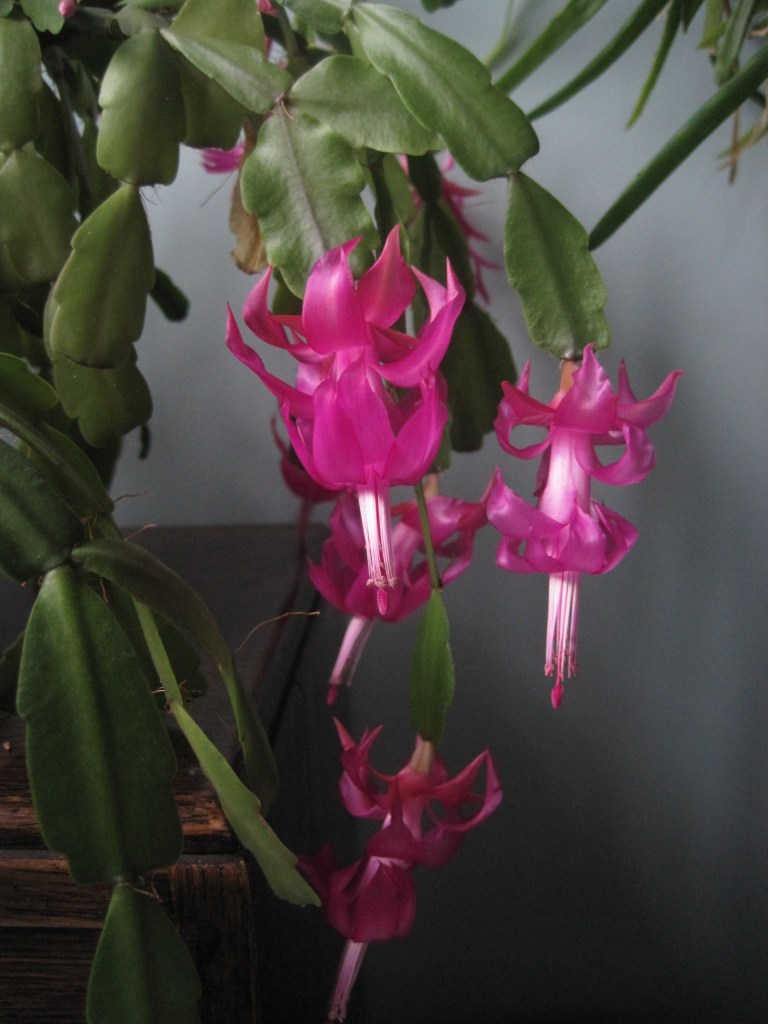
I have two small fuschia plants growing in pots. Useful plants at this time of year when other flowers are fading.

Here’s a painting I did of one of the fuschias. Drawn from a photo I took and later painted with gouache.

More chutney to be made yet, apples to use, beans to freeze. A busy time of year but so satisfying. I hope you’re finding some pleasurable things to occupy your time. With you again next week.

Light and Shade

The rudbeckias are as cheerful as ever and making a vibrant splash of yellow in the garden. Things are a bit in-between right now, a bit subdued until the autumn glow, so the rudbeckias are very welcome.

There is much more to a garden though than flowers, fruit and vegetables. There are other things to enjoy. A garden is a sensory experience of sights, sounds and aromas. Trees provide height, shade, rustling leaves and sound as the wind whips through them. Objects around the garden also add interest.

I’m so fortunate to have trees. Two gigantic conifers and several fruit trees, a couple of hawthorns and elders provide beauty all year round, safe havens and nesting sites for the birds and new sights with each season.

There is pleasure in shadows created by the trees and by dappled light where the sun shines through gaps. Sometimes where the light falls can be as interesting as the plants. Here are some examples I picked up with my camera.

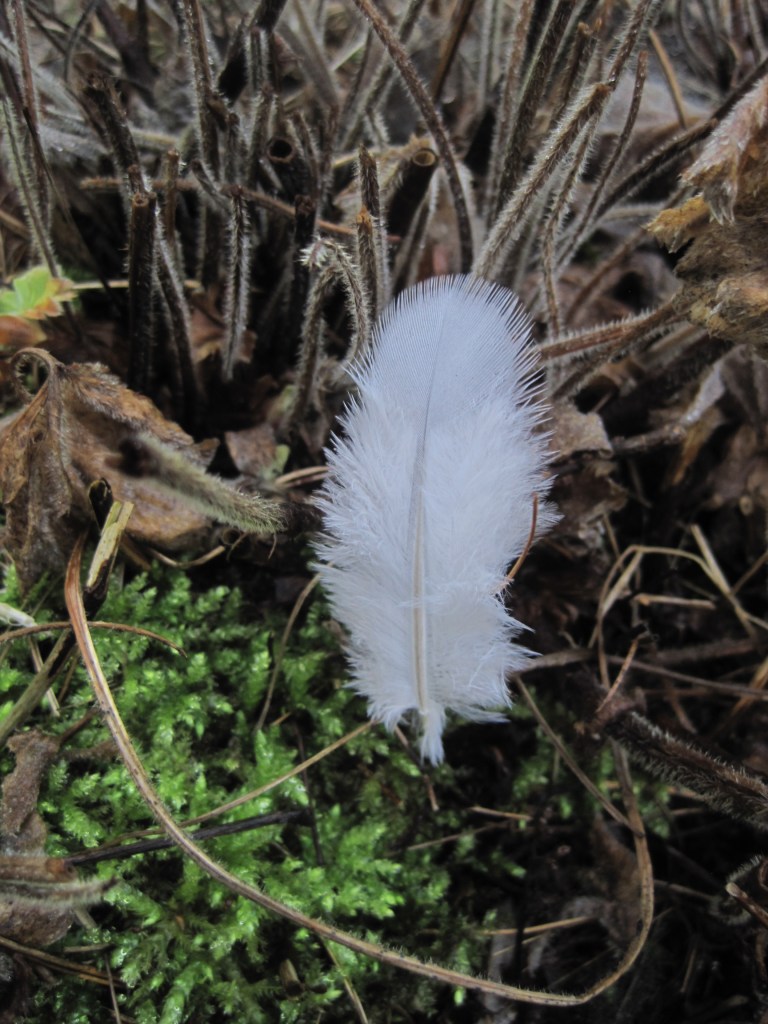
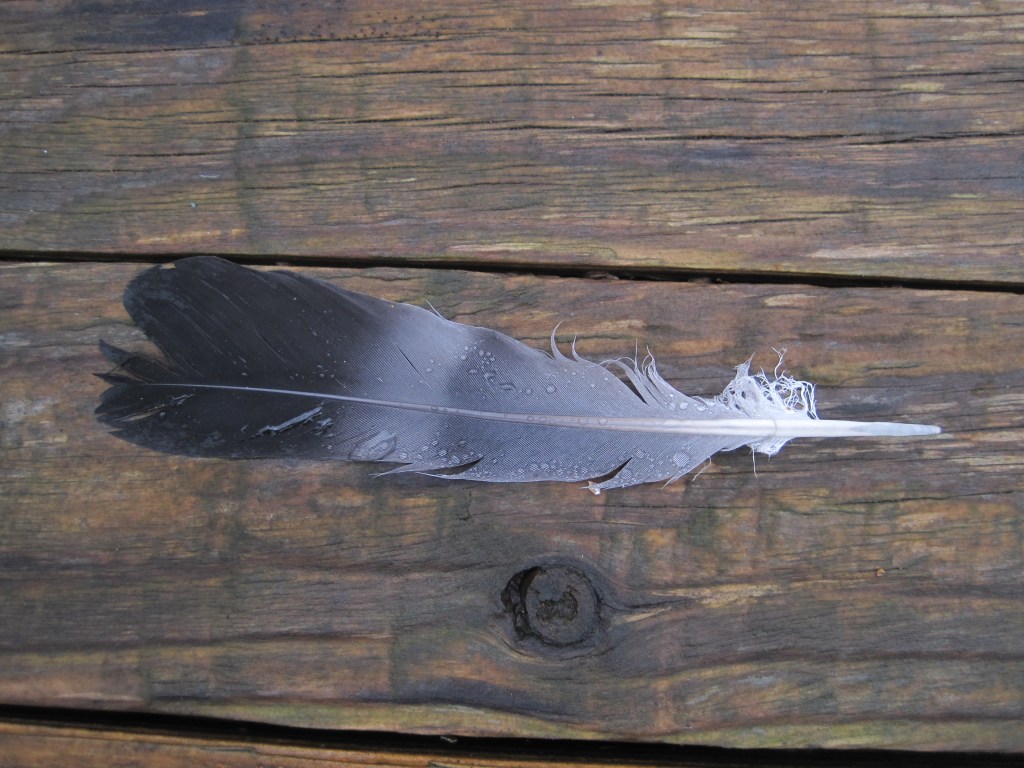
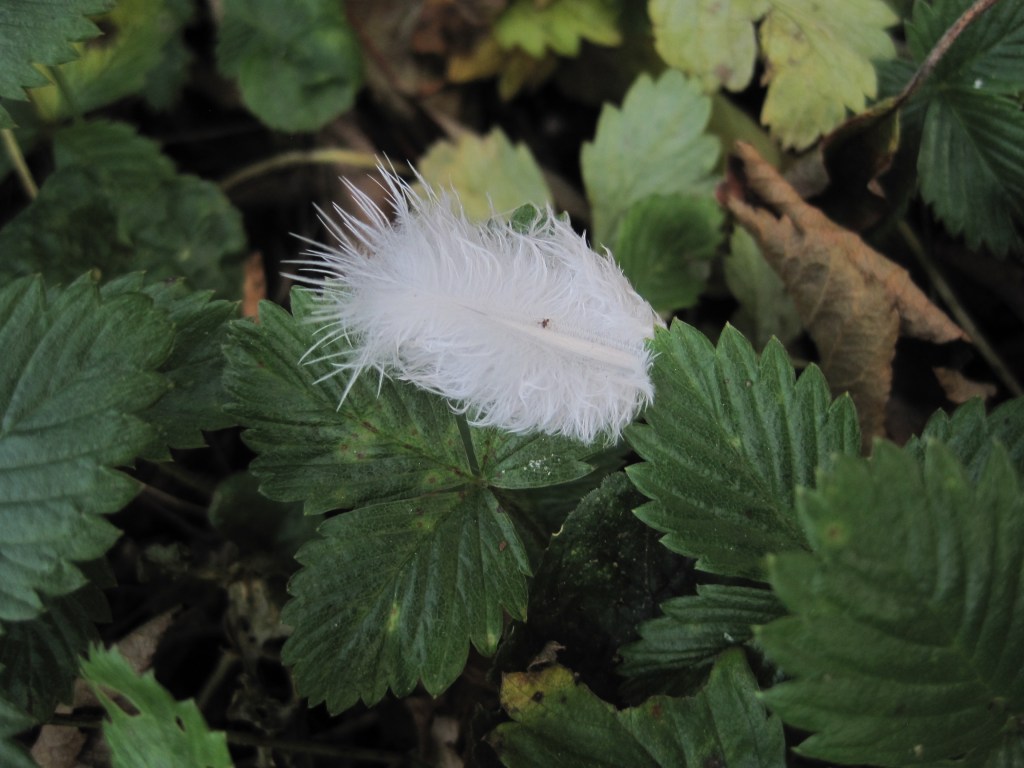
When you have trees or shrubs you also have birds. Always lovely to watch or to listen to. Feathers lying on the ground or resting on leaves are beautiful with their downy fronds. Butterflies have been scarce this year but I saw this Speckled Wood the other day.

Little features in the garden are pleasing too. A pot, a fence or even a latch catch my eye as I walk around.

Only a few flowers are gracing the garden now but they are lovely ones.

Normally at this time of year I make picalilli with my cucumbers, courgettes and beans. The cucumbers failed to appear from a new variety of seed which I tried, the courgettes have been slow and unproductive. I thought I would have to buy my ingredients but then I decided it would be better to use what I have. I had a few turnips and apples which needed using and I found a recipe. It was in a book by Beryl Wood called “Let’s Preserve It”. So I gave it a go. I won’t put the recipe on because this is a first for me and although I modified it a bit it isn’t my own invention. Time will tell if it was a good idea when we start using it.

The runner beans are brilliant. Gardening books tell you they need loads of food, compost trenches and heaven knows what but I just put them in to a bed dressed with some homemade compost and they romp away. They produce so many without any fuss as long as they have enough water. I open any large stringy pods and use the delicious pink beans and I freeze a few tender pods for winter.

Life’s not all about the garden and food, of course. I needed a little relaxing project so I knitted a tiny teddy. These little toys are a joy to knit. Bit tricky to sew the bits though. The parts are so small that it’s fiddly putting them together. Or is it just that I was too lazy to fetch my box of pins? Hmm.

Another week has flown by. I hope you’re enjoying the sights and sounds in your own garden or in those around you or perhaps absorbed by a bit of crafting like me. With you again soon.

The Colour Red

All my life I have loved the colour red. My kitchen walls are painted red. So cheerful, warm and inviting. Fifty years ago I bought a set of red pans. After all that time I only have two left but they’re often used and still appreciated. One small saucepan which I use exclusively for boiling eggs and one stock pot without a knob on its lid but still used sometimes for making jam.

I treasure these, partly because it’s unusual to find red pans but also because I have had them for so long. Reminders of another home, far away, and another kitchen.

Red kitchen accessories please me too. Red gingham curtains and a check tablecloth I bought in a street market in Calais years ago. Red teatowels and other bits and pieces.

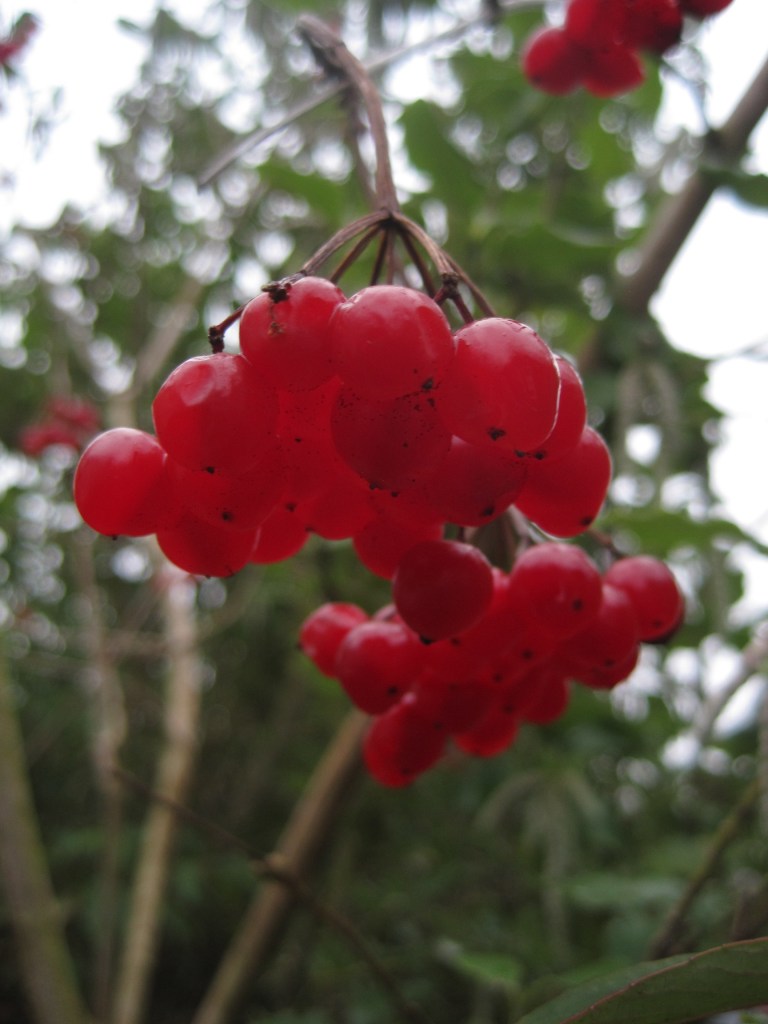
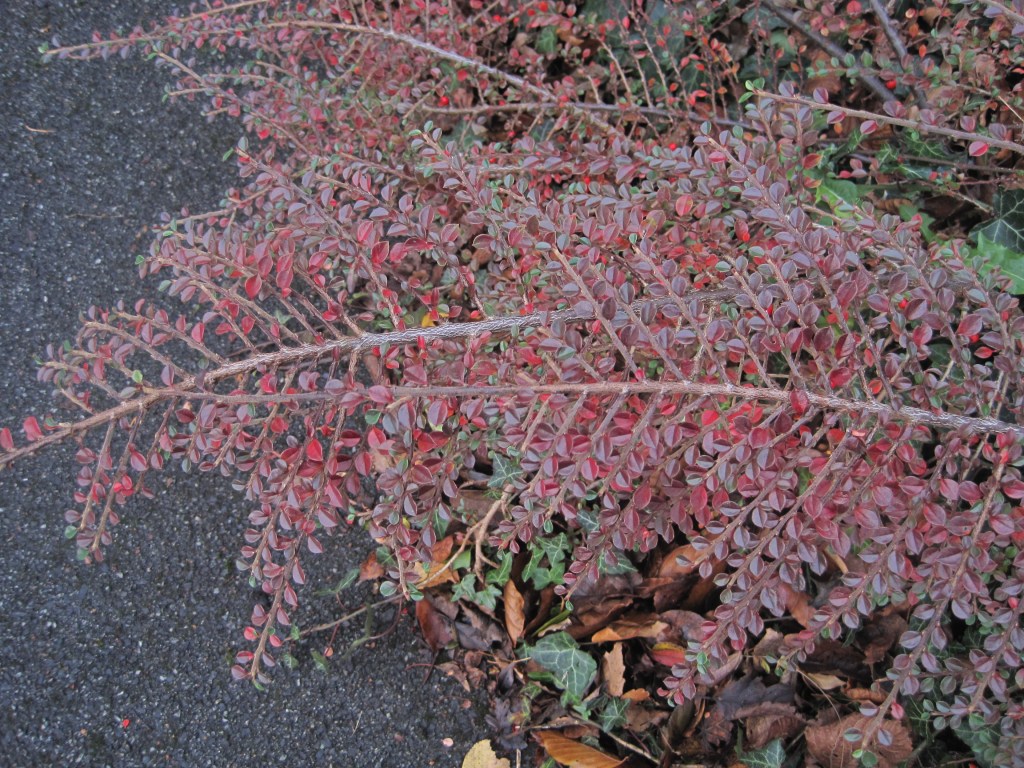
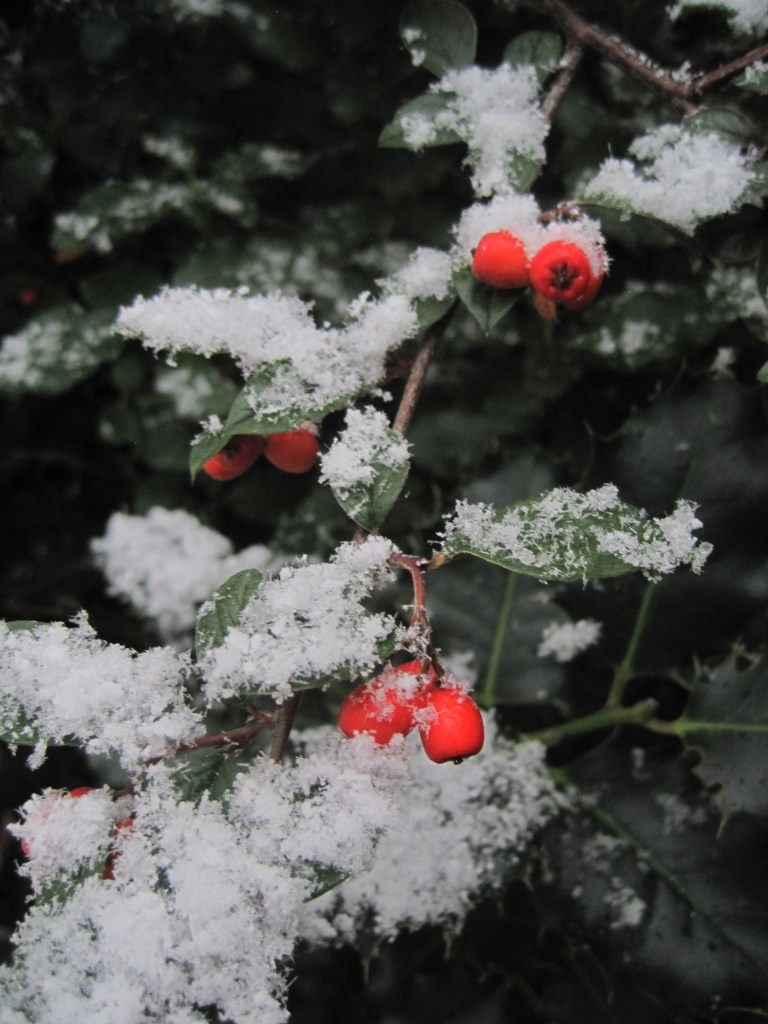
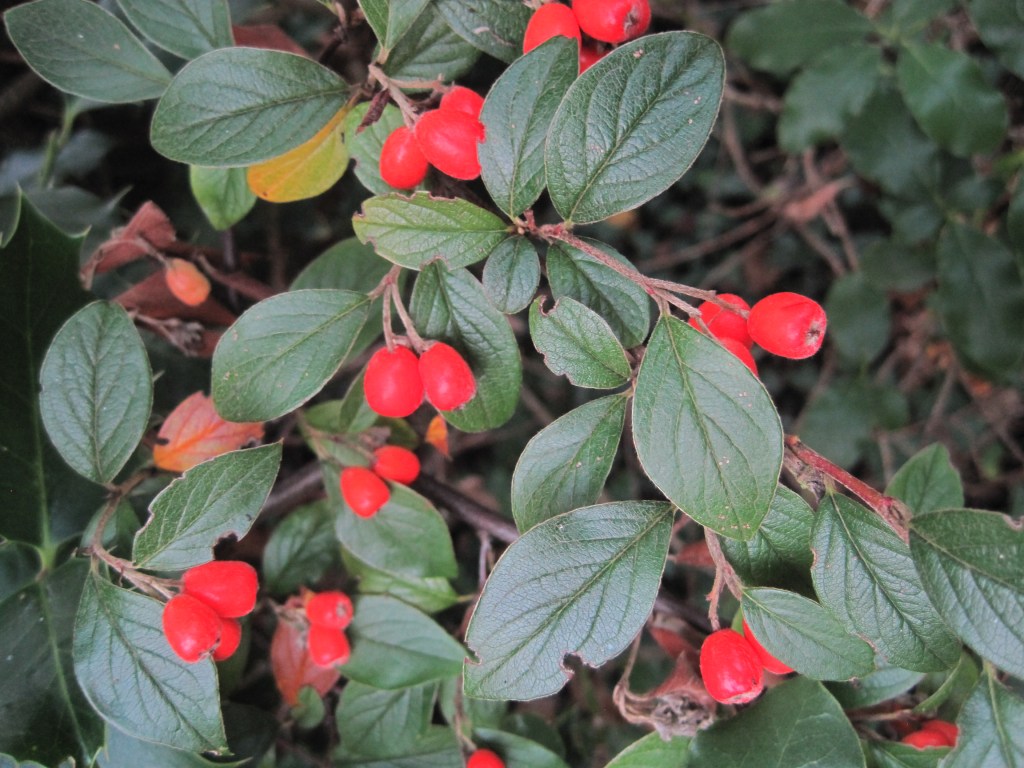
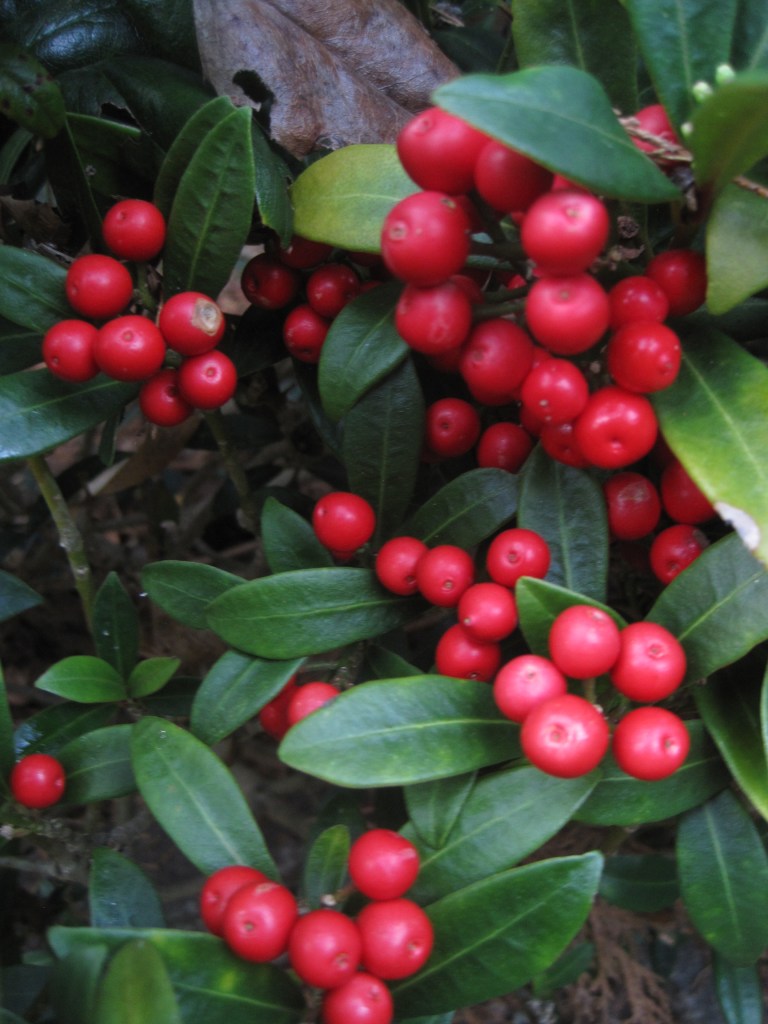
Red is so vibrant in the garden as well. The beautiful berries are glowing on the hawthorn tree, on the cotoneasters and skimmia. Reminders that summer is over but pleasing nontheless.

The greenhouse is ablaze with red tomatoes. I’ve grown big plum tomatoes this year. Really good to eat, not many seeds, juicy and flavoursome. I’ve had a few problems with them but they’ve still done very well. What a glorious sight!

They all seemed to be ripening at once so I decided I must act quickly to preserve them. Although I’m an old hand at fruit bottling I haven’t done tomatoes before. I consulted my Soil Association preserving book for advice. I think I succeeded but only time will tell. They look fine and the jars have sealed so fingers crossed that they keep their colour and taste good when I use them. Here are a few photos of what I did.

I used lemon juice, a little salt and sugar to coat the chopped tomatoes before packing them into the jars. Then the lids and bands went on and I put them into a cool oven, increasing the heat to 150C once they were warm. Then left them at that temperature for an hour.

When I took them out some of the juice had boiled out. I had some boiled water with a little added sugar and salt ready to top up the jars. I managed one, a little in the second but then the third sealed before I could do it. Lovely to hear the popping sound as the lids are pulled on by the vacuum which forms inside.

Needed a walk around the garden after kitchen work. It’s all a bit restrained now but there are some nice bits here and there.

Signs of early autumn as the colchicums pop up beneath the acer. Delicate beauty despite their annoying habit of falling over.

And now that summer’s ending a little poem came to mind. Here are my thoughts on this time of year.

Changing Seasons
The fragrance of the damp earth
Mingles with each fallen leaf
And lavender wafts its sweet scent
Now summer's days are brief.

The wasps are feasting on the fruit
Which drops upon the ground
And butterflies with their dainty tongues
Sip without a sound.

Toadstools, mushrooms, instantly appear
Spontaneously rising in the night.
Their ever fascinating forms
A strange but pleasing sight.

Blackberries glisten in the hedge.
Despite their ripping thorns
They're gathered eagerly and eaten
As early autumn dawns.

Each season has its pleasures
And summer's soon will end
But another one will take its place
And our melancholy mend.

I hope you’re enjoying fruit, flowers, lovely woody scents and all the pleasures of this time of year. Bye for now. With you again next week.

Cones and Cakes

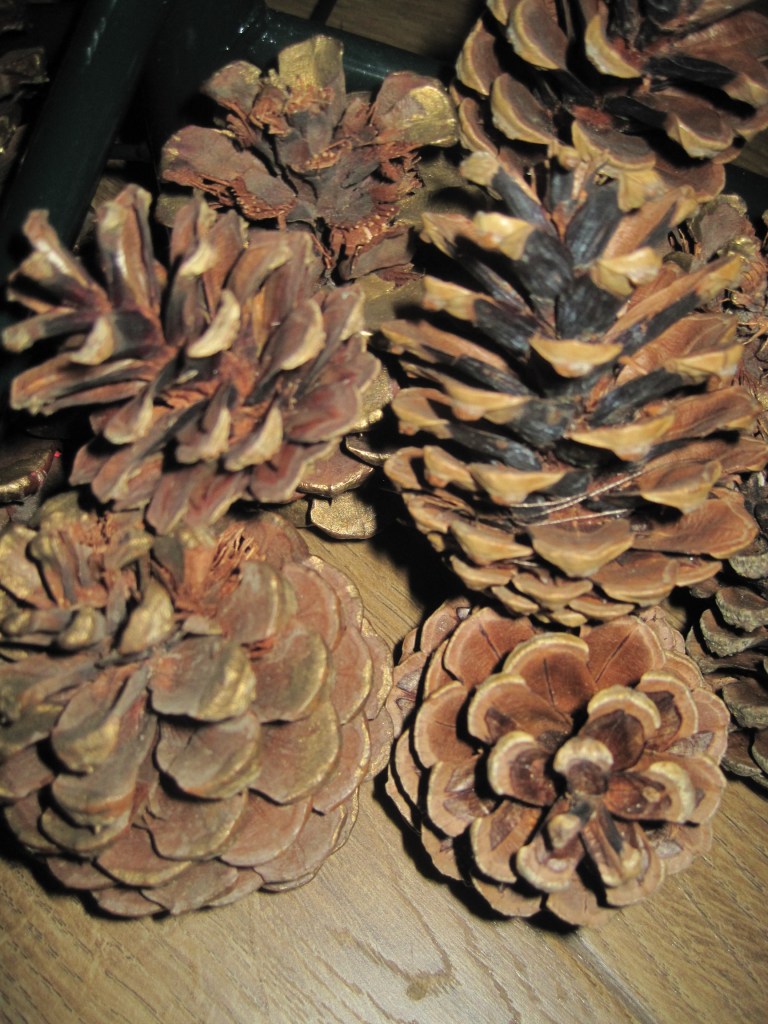
Over many years I’ve collected cones from places we’ve lived or visited. Not only are they lovely things but they stir many memories.

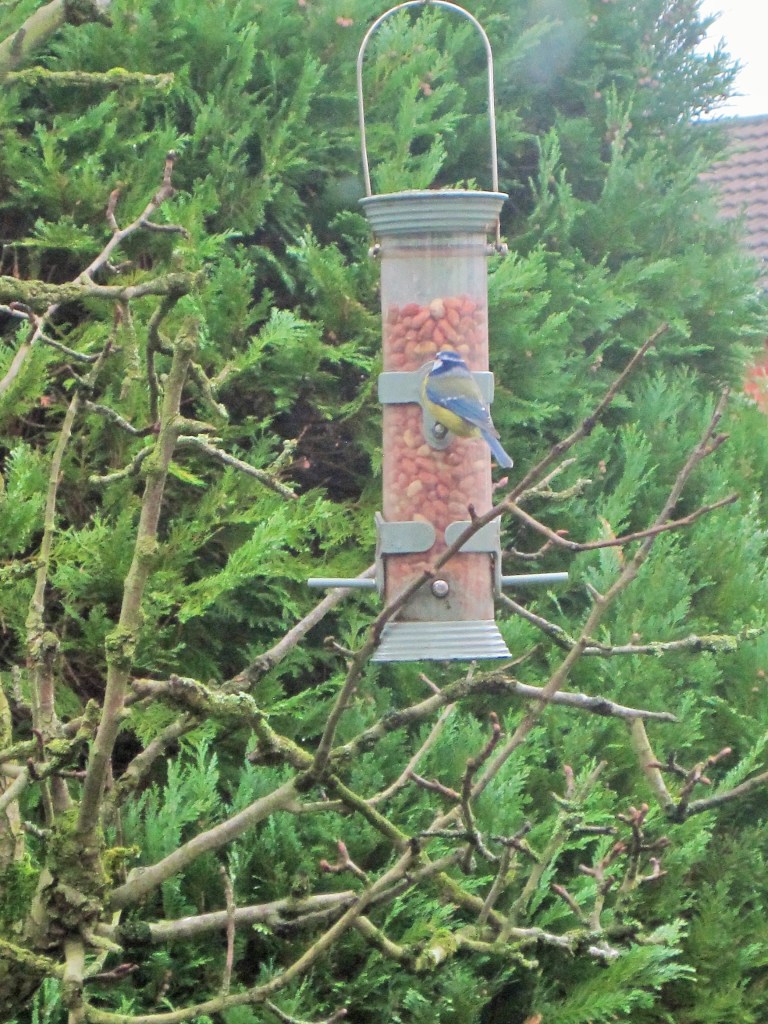
We have two gigantic conifers but strangely they have very small cones. I find tiny new conifers growing around the garden wherever the cones have been spread by the wind or dropped by the birds. Bluetits and sparrows nibble the seeds the cones contain. In spring clouds of pollen blow out from the trees. Quite a dramatic sight.

It’s not just the birds who are enjoying what the garden offers. We’re enjoying nutritious fruit and vegetables.

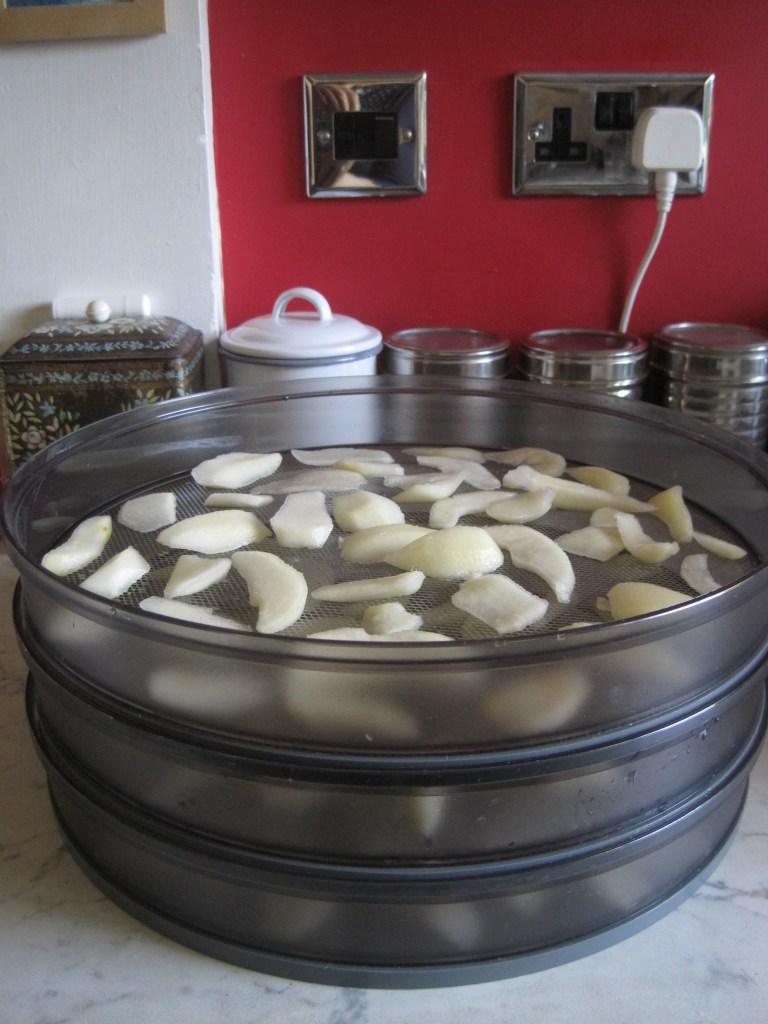
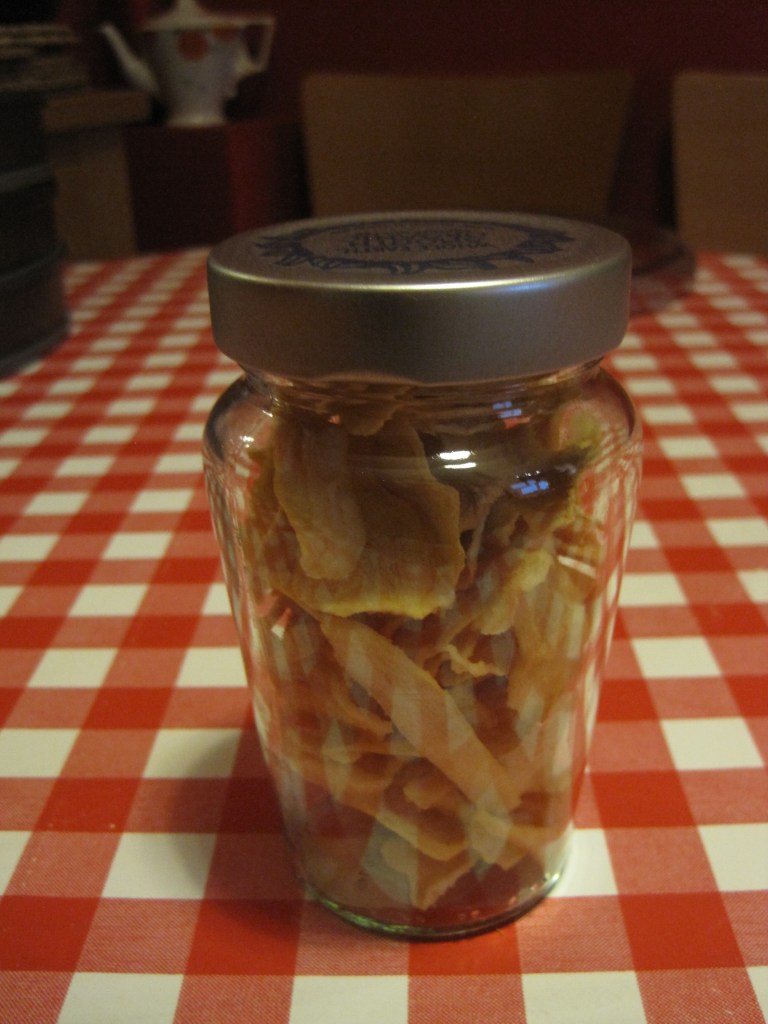
The pears are dropping from the trees and I’m trying to keep up with them. Usually I bottle some but I still have some left from last year so the other day I prepared some and put them in my dehydrator. Dried pear pieces are a deliciously sweet but healthy snack. All the natural sugar is concentrated as they dry. Here’s what I did.

Sliced the pears into salted water. Rinsed and patted them dry with kitchen paper before arranging them, spaced out, on the dehydrator trays. Took a few hours with the heat on. It’s important to dry them well and allowing to cool before storing in an airtight jar.

The beans are good now too. I grow yellow French beans and runner beans. Both are really tender if you eat them while they’re not too big. If I miss a few and they are too big and stringy I open the pod and cook the beans from inside. Different but equally tasty. Kidney beans are just beans allowed to grow inside the pods.

The cooking apples are falling as well. I gathered some windfalls and made a new cake recipe. So good I would like to share it with you.

Apple and Cinnamon Squares

You will need a roasting tin approximately 25x30cm/10x12". Needs a vitreous enamel surface to prevent the apples reacting with the metal. Most roasters have this. Stainless steel would be fine too.

Cooking Apples
200g Caster Sugar
4 large Eggs
200g Self-raising Flour
2 rounded teaspoons Baking Powder
30g Bran
200g Sunflower Oil
3 tablespoons Sugar for sprinkling
2-3 teaspoons ground Cinnamon

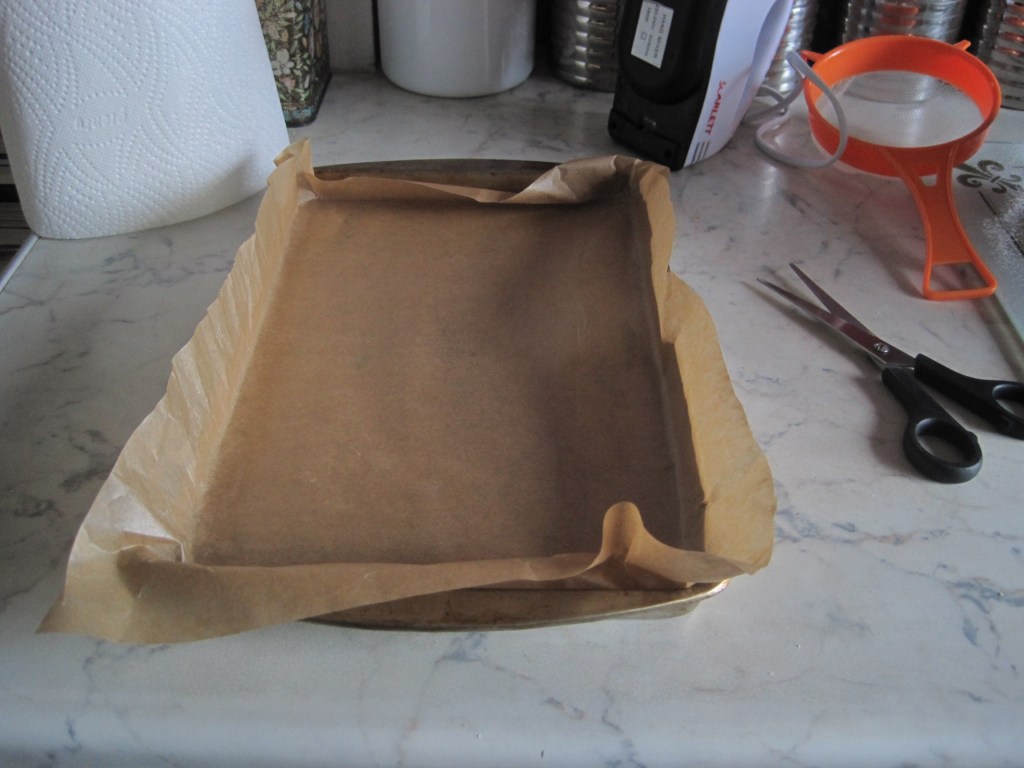
Grease the roasting tin.
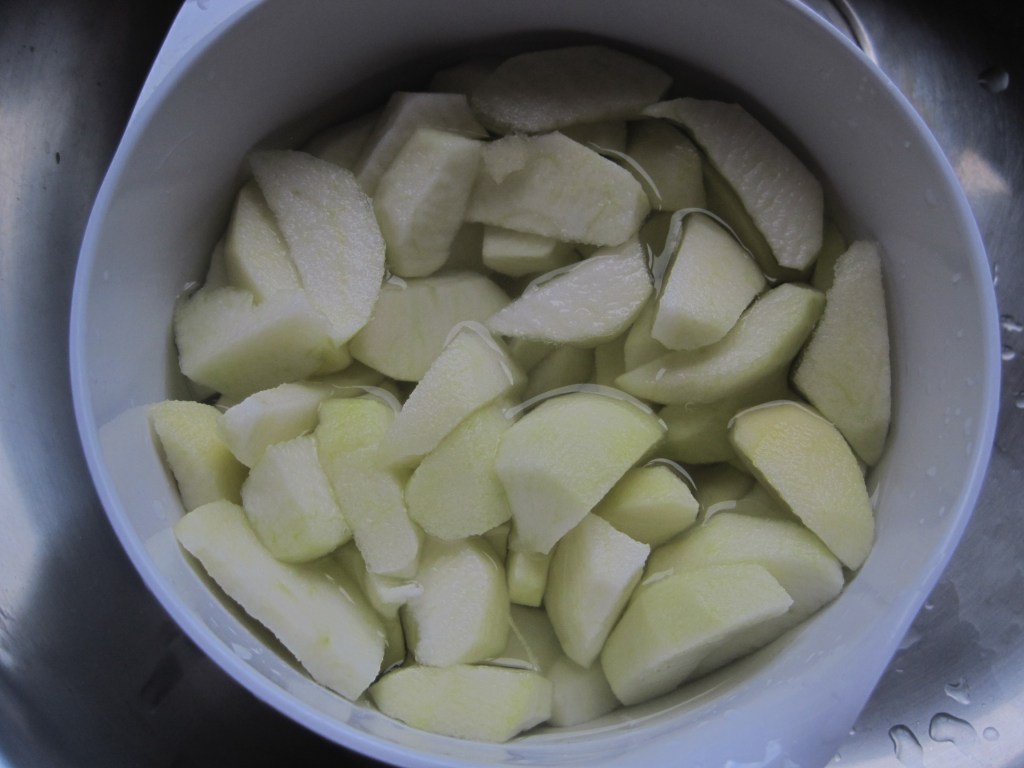
Have a bowl of salted water ready and prepare the apples.
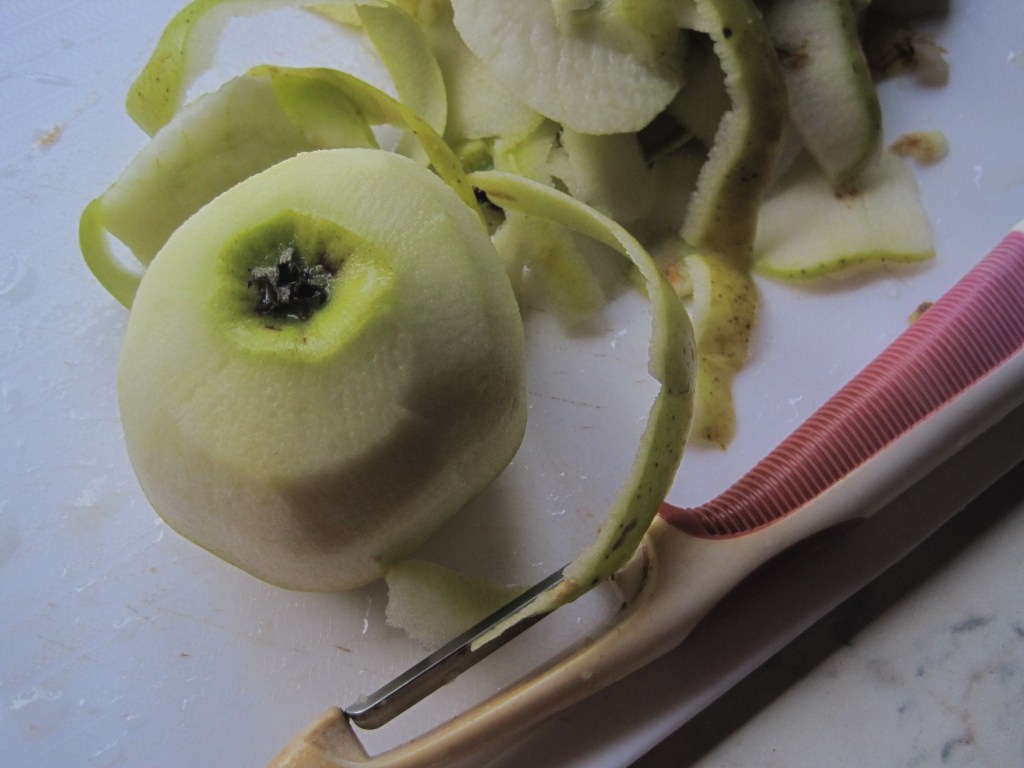
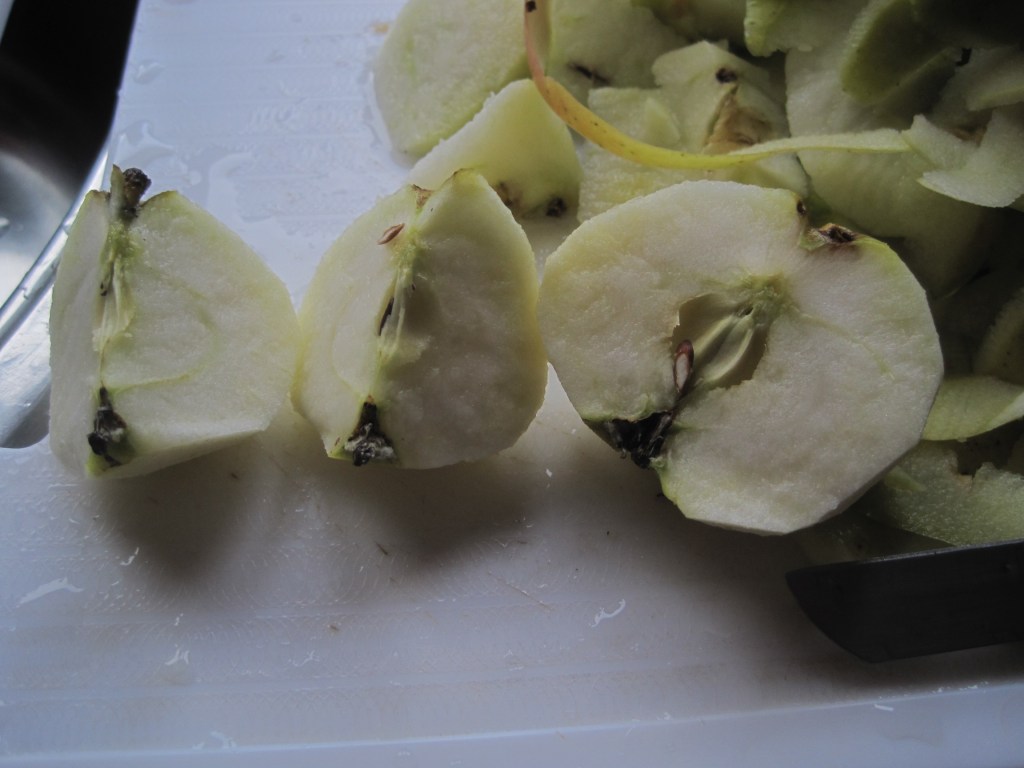
Slice peeled and cored apples into the salted water.
Make sure all slices are coated by the water to prevent browning.
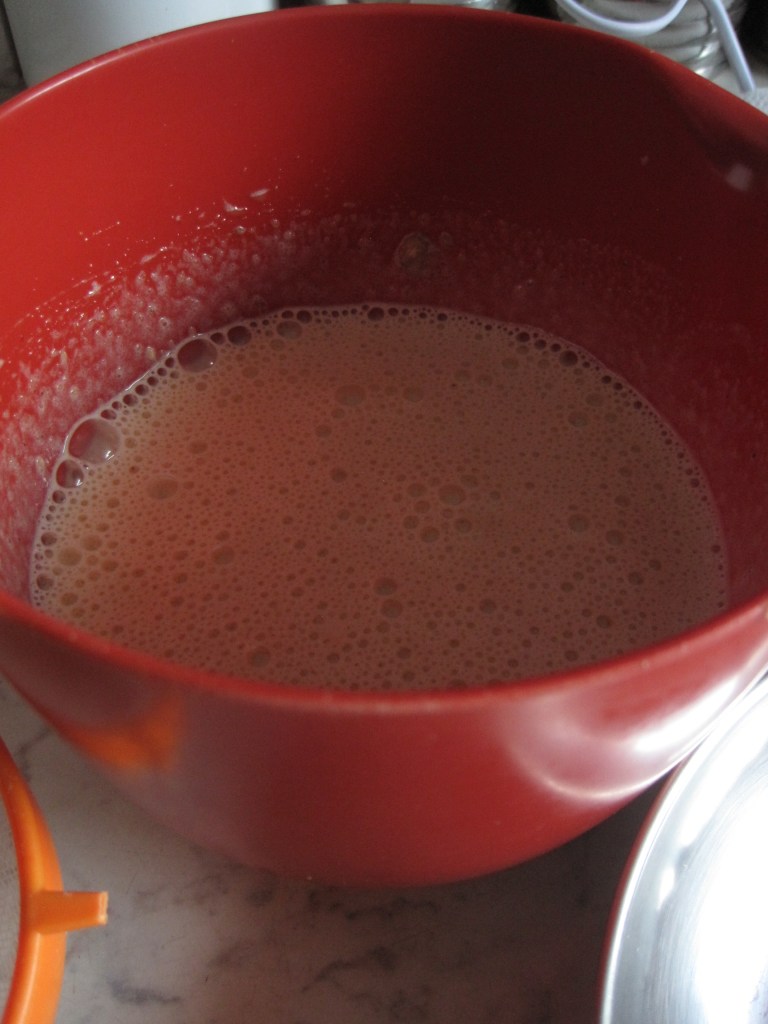
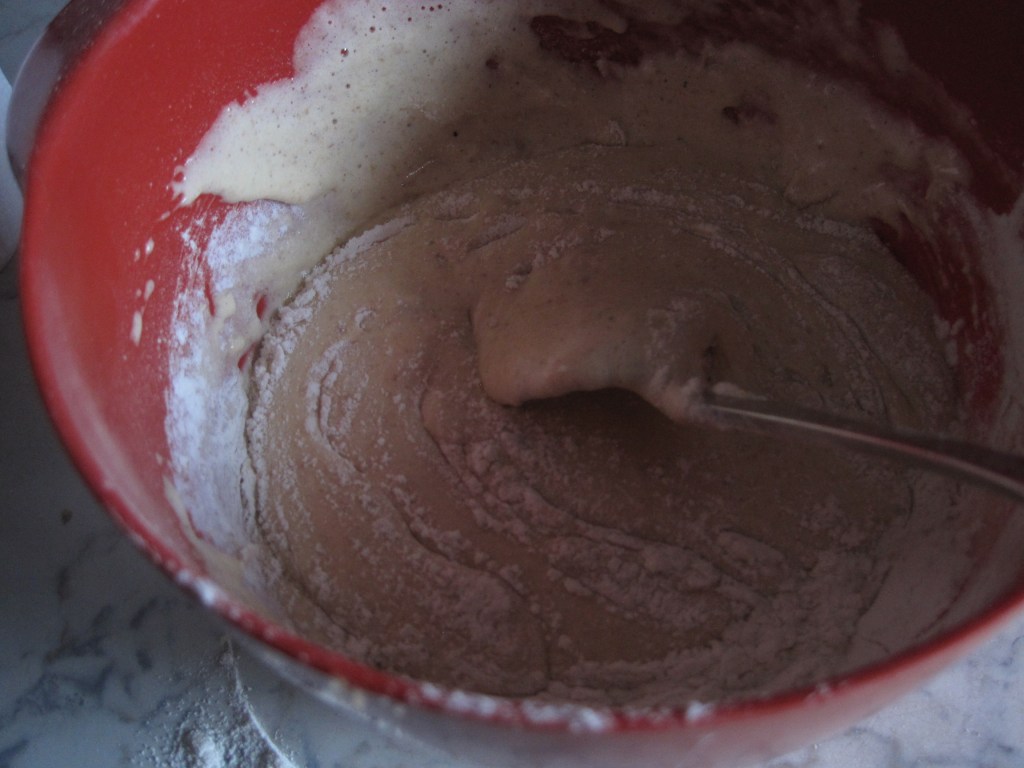
Beat 200g sugar and eggs together. Add flour, baking powder, bran and oil. Mix well.
Heat the oven to 180C/160C fan oven or gas equivalent.
Rinse apples and drain, then place in roasting tin.
Sprinkle the 3 tablespoons sugar and cinnamon over the apples.
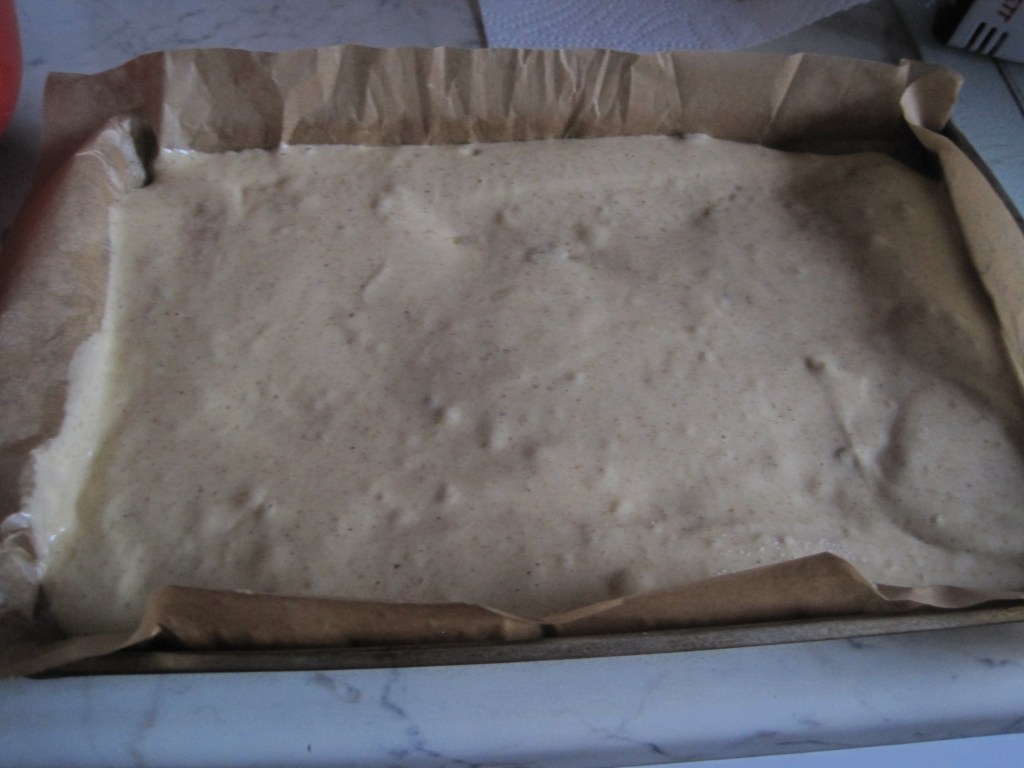
Put the cake mixture, evenly, over the apples.
The mixture will feel a little stiff but the juice from the apples will moisten it while it cooks.
Bake at 180C for 30 minutes.

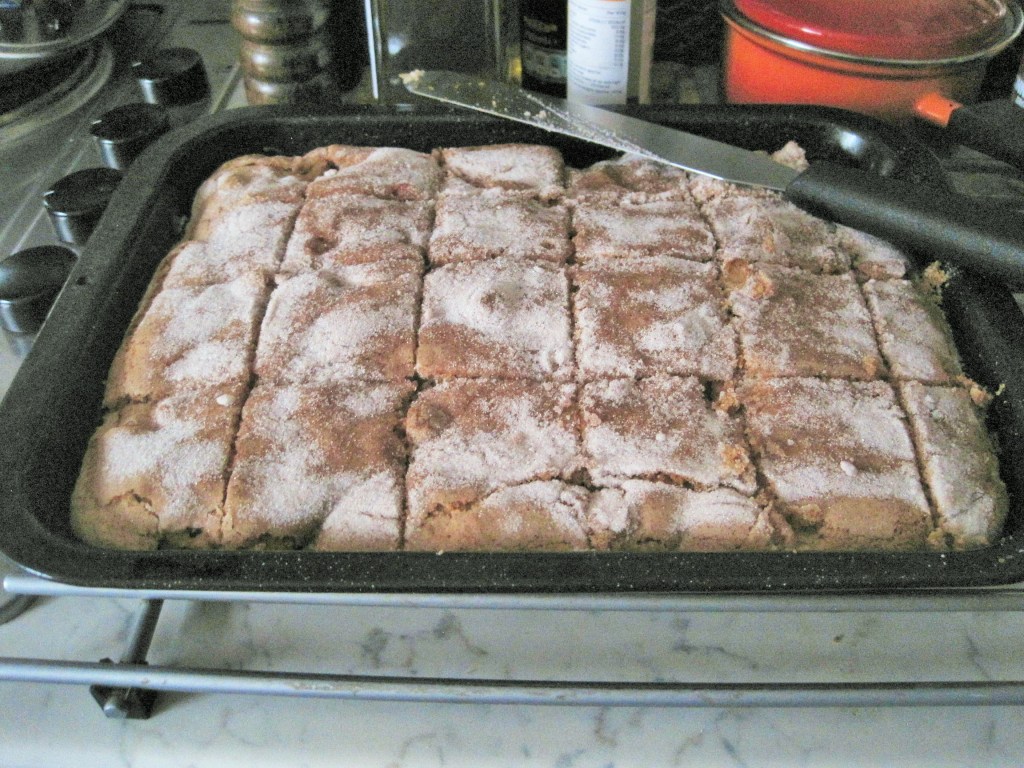
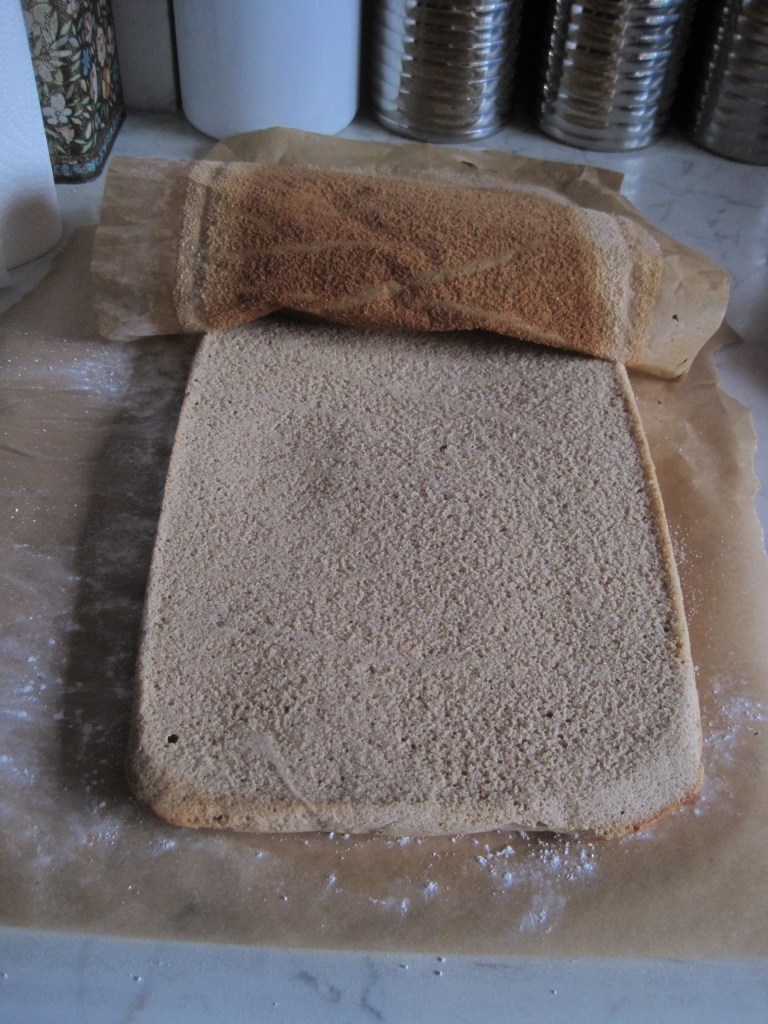
Allow to cool completely before cutting into squares.
Lift with a palette knife and either use or freeze.These are even better after a day or two and make a really good pudding with cream. Sticky, so best eaten with a fork.
Really easy to do and has a wonderful texture and taste.

A busy time of year but very satisfying. Lovely in the garden on good-weather days and snug in the kitchen on wet days.

Meanwhile the garden is mellowing and has that little hint of autumn. The flowers are still attracting lots of interest but I haven’t seen the little Gatekeeper butterflies which usually visit the marjoram blossom. Sad evidence of the decline. The rudbeckias were still busy though with other flying creatures, a grasshopper was basking in the sun and the bees were gathering pollen.

A few late roses are looking pretty and sunlit leaves form pleasing shadows on the fence.

So another week has passed. I hope you have had a good one. With you again next time.

Woody Scents and Preserving Ginger

The garden has been full of aromas this week. Woody, earthy dampness with the scents of lavender and marjoram. Huge white fungi have sprung up overnight in the bed where wildflowers grew and are now dying back.

The fruit has been blowing off the trees and landing with a thud on the ground. The split and bruised pears are being feasted on by wasps and other insects. I don’t mind the wasps. They do a lot of good in the garden, taking caterpillars and other creatures that munch where I don’t want them. Everything has it’s place in an organic garden.

The rest of the fruit is not mature enough to pick yet but there is usually plenty left on the trees for us to harvest when the time comes.

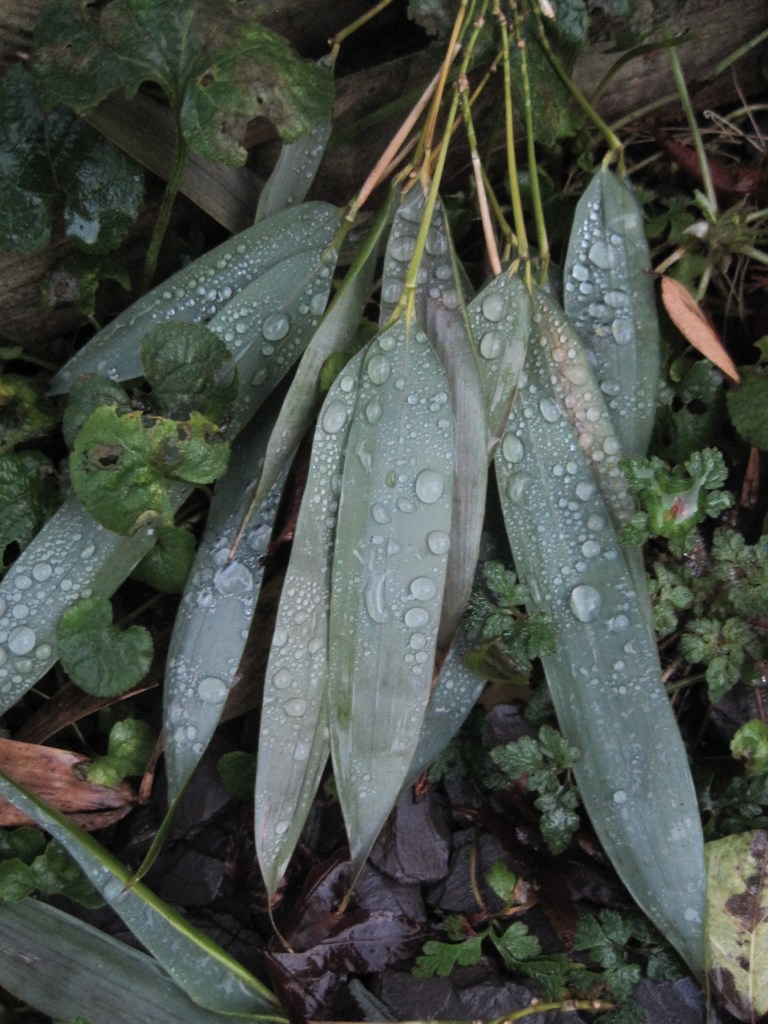
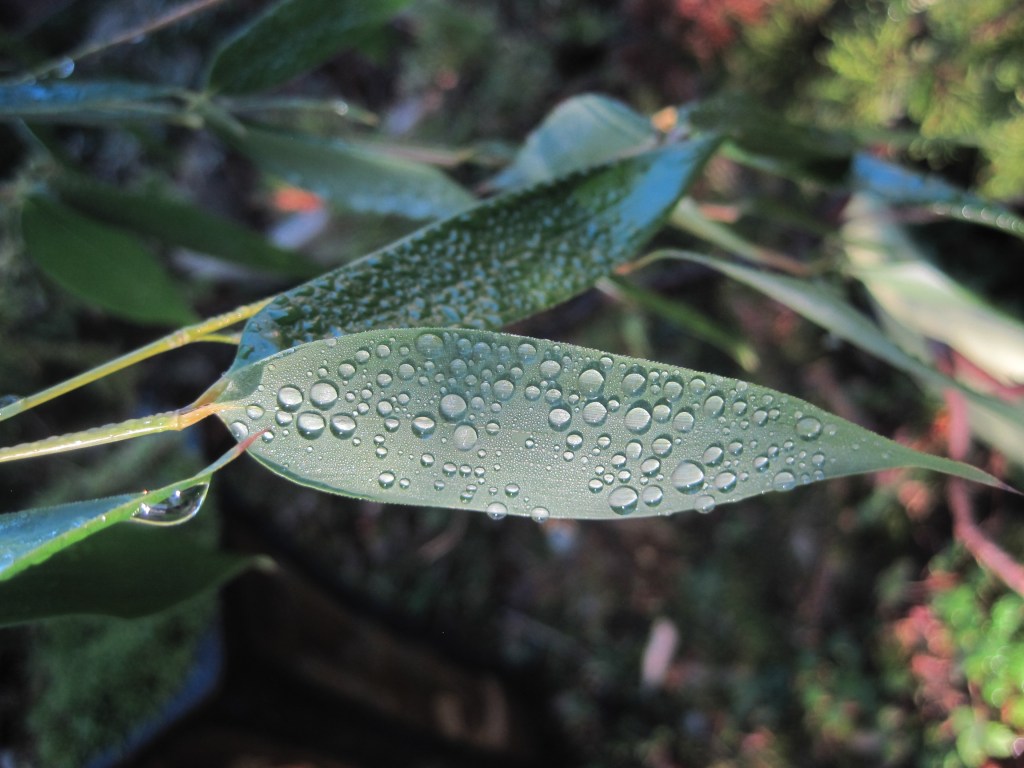
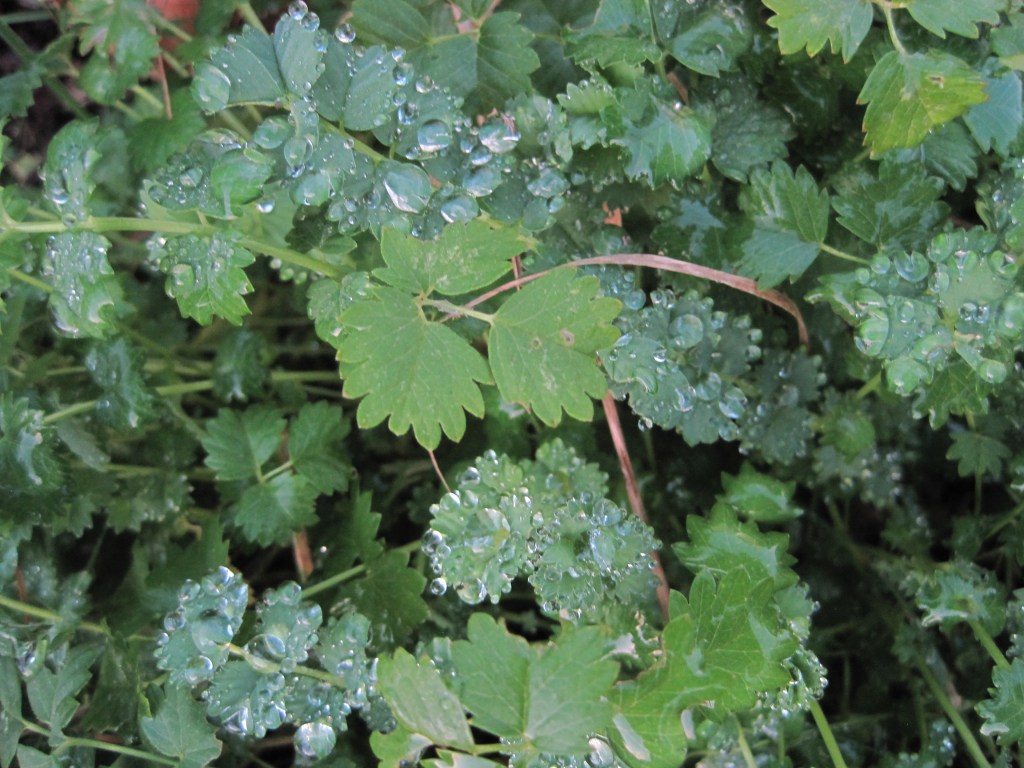
Although it’s been wet the flowers and leaves look lovely bearing raindrops. Here are some I captured with my camera.

While it was wet I kept busy in the kitchen preserving ginger. It’s very easy to do and probably much cheaper than buying stem ginger. Never really worked it out but it provides so much delicious syrup as well as the lumps of stem ginger that I feel it must be economical.

If you love ginger, as I do, you can find many ways of using it. Although the syrup contains a lot of sugar it’s only used in small amounts so I don’t worry about that. I use it drizzled over shredded cabbage for a tasty salad to eat with an open sandwich. I add it to cake recipes. Sometimes I drizzle it over vanilla ice-cream or serve a little with greek yoghurt.

The stem ginger is so good chopped finely and added to a chicken and rice one-pan meal or added to my ginger cake and Christmas cake recipes. I’m sure I’ll find many more ways to enjoy it.

This is how I did it. ( Photographs to follow).

I washed and peeled the ginger root, being careful to remove all the skin then cut the ginger into small chunks. At this stage I pressure cooked the ginger in just over a litre of water at low pressure for 10 minutes. Then I turned off the heat and allowed the pan to gradually cool to release the pressure slowly.

If you want to preserve ginger it isn’t necessary to use a pressure cooker. Just simmer for about an hour in a litre of water in an ordinary saucepan until the ginger softens.

When the ginger had tenderised I added 800g of sugar and stirred well until the sugar dissolved. I brought it back to the boil then simmered in the syrup for about an hour. After a while the ginger becomes a bit translucent and the syrup thickens a little.

While the ginger is simmering in the syrup I wash and thoroughly rinse some jars and bottles then place them in the oven. I turn it to a low temperature to warm and dry the jars while the ginger is cooking. The lids are dried with kitchen paper or a clean cloth. I have a heater in the kitchen so I put them to warm on that.

I always have a wooden board covered with newspaper and kitchen paper next to the hob to prevent putting the hot jars onto a cold surface which might crack them. If I lift the heated jars out with a cloth, ladle the ginger and syrup in and screw on the lids while everything is hot they will seal. I hear the lids pop as they cool. Although the sugar will preserve the ginger it’s good to know air is excluded so the contents will keep indefinitely.

A funnel is always a good bit of kit when ladling into jars. It stops the sticky contents from touching the rim or outside of the jars. Saves a lot of wiping after the jars cool. I definitely don’t like sticky jars to handle.

The ginger syrup is amazing. The taste is out of this world. A good way to spend a couple of hours during wet weather and so good to have in the cupboard.

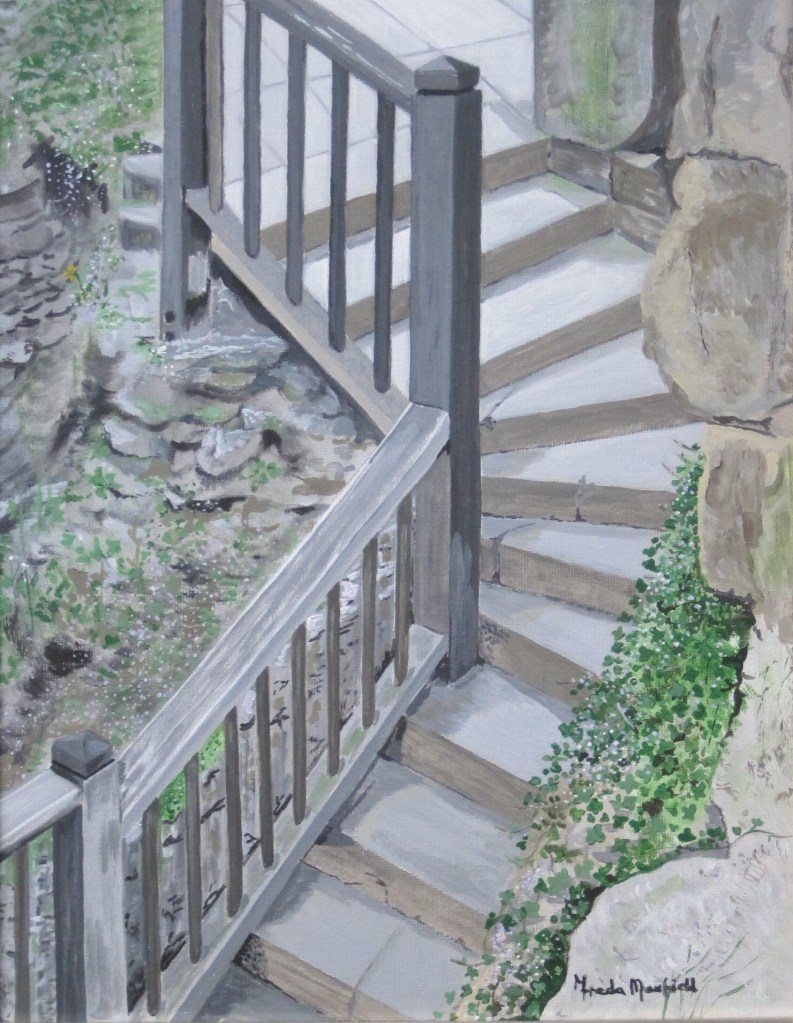
As you can see I’ve kept myself occupied but I haven’t been painting for a few weeks. Unusual for me but I expect when it goes dark early and nights seem long I shall pick up my brushes again. Meanwhile here’s another old painting I did of Stokesay Castle in Shropshire. Painted with gouache from a photograph I took on a visit. A lovely building with a pretty garden.

I hope you have the pleasure of a garden and if not that you enjoy hearing about mine. Another week has flown and it’s time to say goodbye . With you again next week when I will have a recipe for delicious cakes.

Fruity Treats and Poetry

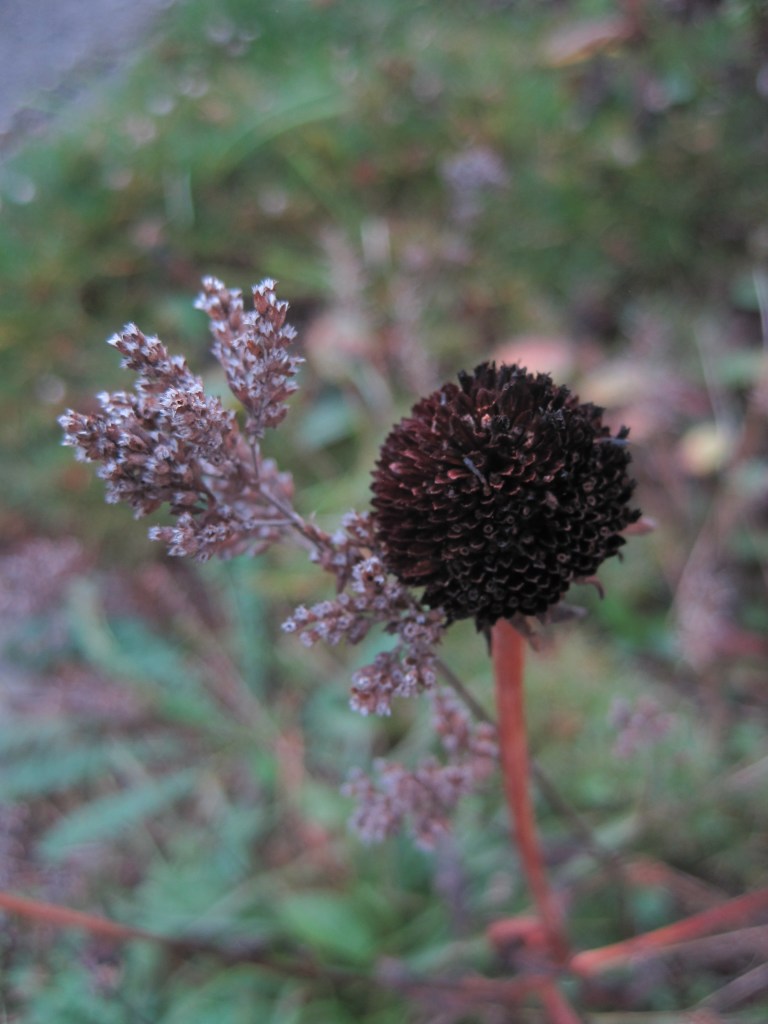
Half way through August. The year is flying by. Summer is winding down and the garden is changing yet again. The flowers have performed and are now making seeds for the next generation. I’m always a little melancholy about the end of summer and yet there is still so much to look forward to. The seedheads, fruit and berries are beautiful. Here’s a selection in the garden now.

The birds and small creatures enjoy the fruit and seeds too. The seeds have been taken from this poppy head by blue tits.

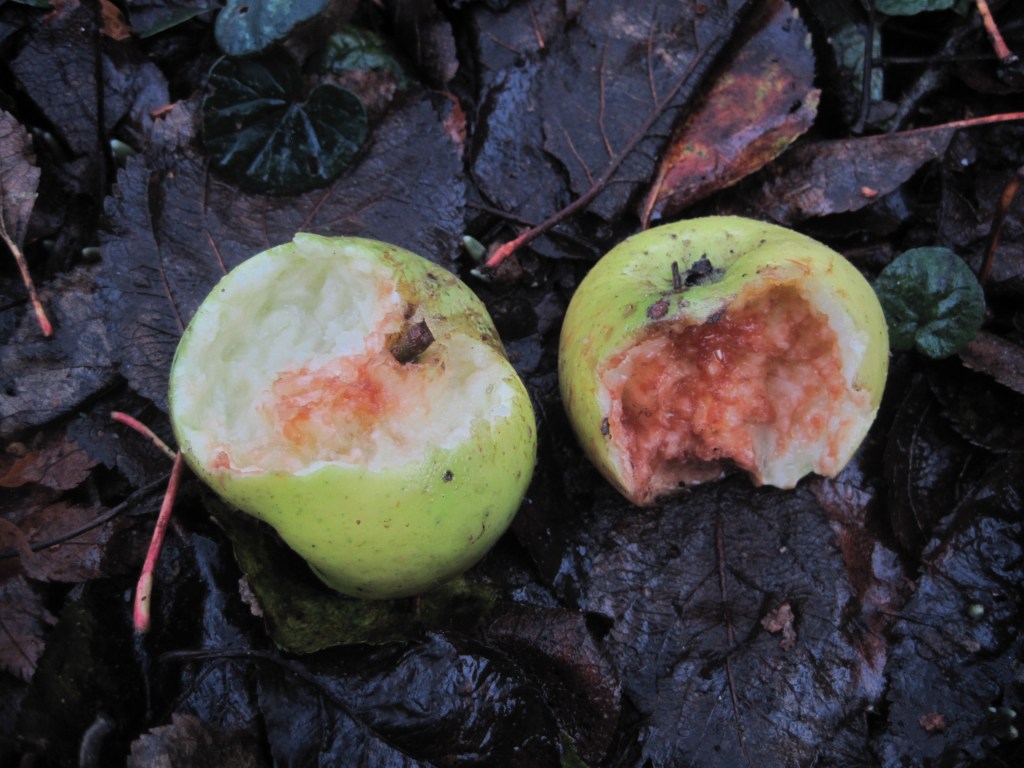
Birds and mice nibble the fallen apples and pears. It’s good to know the garden is sustaining wildlife as well as us.

While some plants are fading others are just beginning to please and some roses are producing a few late flowers.

I wrote a little poem about summer ebbing away.

Summer's End

Summer's end is now in sight.
Though the days are warm
They end too soon in the fading light
Or the dark of a sudden storm.

The scents of lily and rose
No longer fill the air
But some new aromas tease the nose
With each falling apple and pear.

Hints of autumn's fiery glow
Are spreading everywhere.
Golds and oranges; a vibrant show,
The garden's final fanfare.

Orchard fruits are swelling,
Seedheads rattle in the breeze,
Their hidden treasure trove dispelling
And leaves are falling from the trees.

Summer into autumn blending.
The earth soon takes a rest
But though it's sad it's not the ending.
It will return refreshed.

I like to write rhyming poetry. I know in poetic circles it’s considered old-fashioned and amateurish but I think it has rhythm and a more musical sound. I suspect a lot of people still prefer it. I do, anyway, so I write what pleases me. I hope it pleases you too.

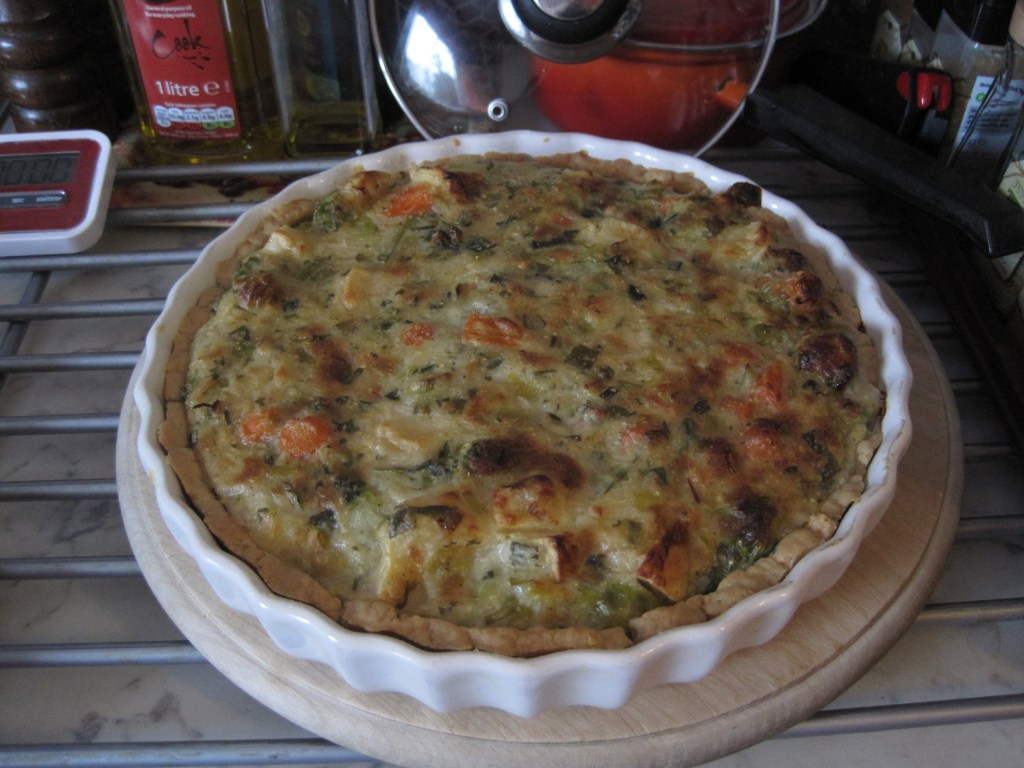
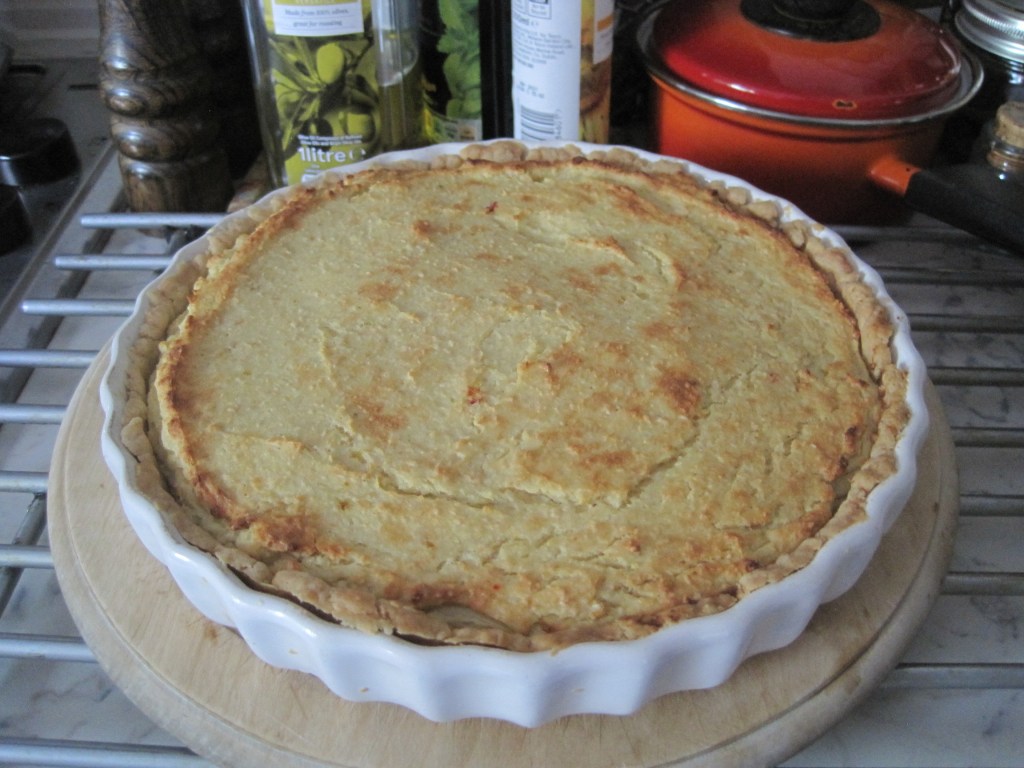
I’ve been stewing the windfall apples which we’ve enjoyed but nectarines are really good in the shops right now. One of my favourite fruits. I made a flan with a pastry base and a breadcrumb filling to soak up the delicious juice.

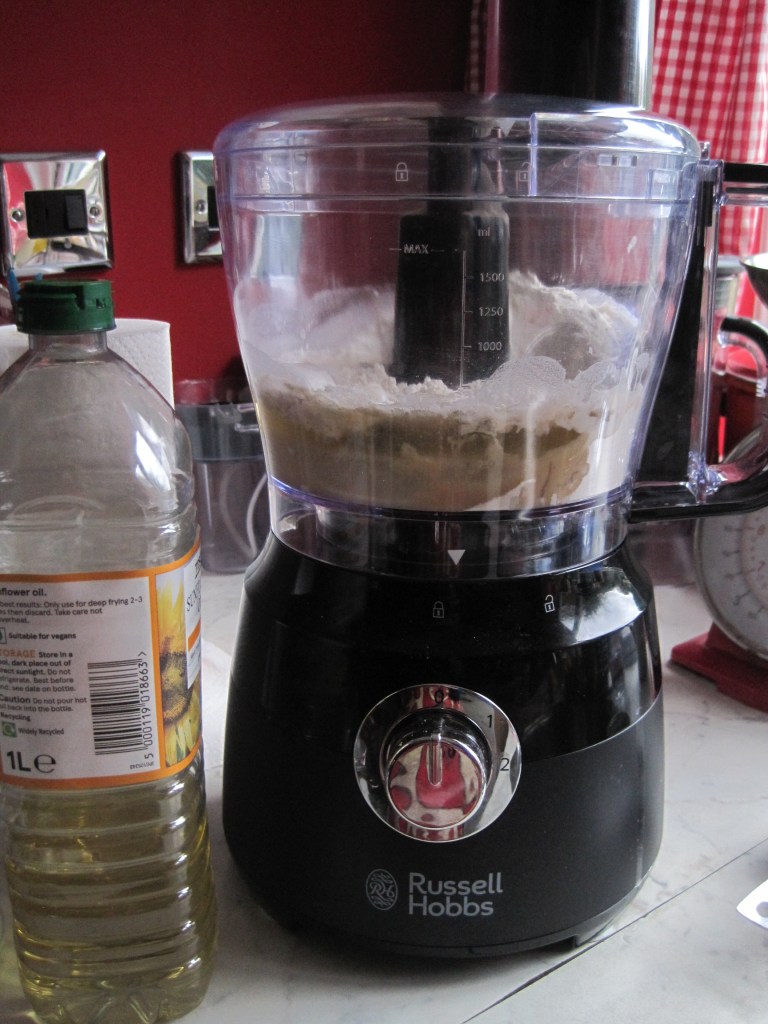
I used my quick pastry recipe with one cup of plain flour, a third of a cup of sunflower oil and almost a quarter cup of cold water, whizzed in the food processor. I pressed the pastry into a 9″/22cm dish being careful to cover the base.

This doesn’t give a perfect finish so if you prefer a neater look to the edge follow your favourite pastry recipe, roll and trim it. My recipe works well with my method but isn’t easy to roll out.

I used five nectarines and about 80g of white breadcrumbs. I always use a white bloomer loaf for best results. The amount of sugar depends on the sweetness required. I used about four good tablespoons. Ripe fruit works best as the crumbs retain all that lovely juice.

Bake at 190C/170C fan oven for about 30 minutes.

My baking never looks very professional but it takes away the hassle and does taste really good .This flan is delicious served warm with vanilla icecream or cold as it comes or with cream.

Lots to do later when it’s time to make picalilli and chutney but I’ll tell you about those when the time comes.

That’s all for now. I hope you’re enjoying all that summer has to offer. With you again next week.

Tins and Turkey

First of all, a big apology. On my post “Delicious Pesto and Lovely Spoons” I forgot to add garlic to my list of ingredients! I have now updated it because it’s definitely tastier with garlic. I hope it hasn’t caused any disappointment.

It’s been a mixed picture to the start of the month. Gentle sunshine and then heavy downpours. That’s British weather for you!

The garden has an air of winding down. Some late flowers to come though. Asters, for example, are favourites with their purple daisy flowers. Buds are fattening, ready for the show. Meanwhile, some bits and bobs have caught my eye.

The summer vegs are growing well too and I’ve been thinking of ways to use them. The yellow French beans, carrots and kohl rabi are producing tasty treats.

They combine well in my one-pan meals.

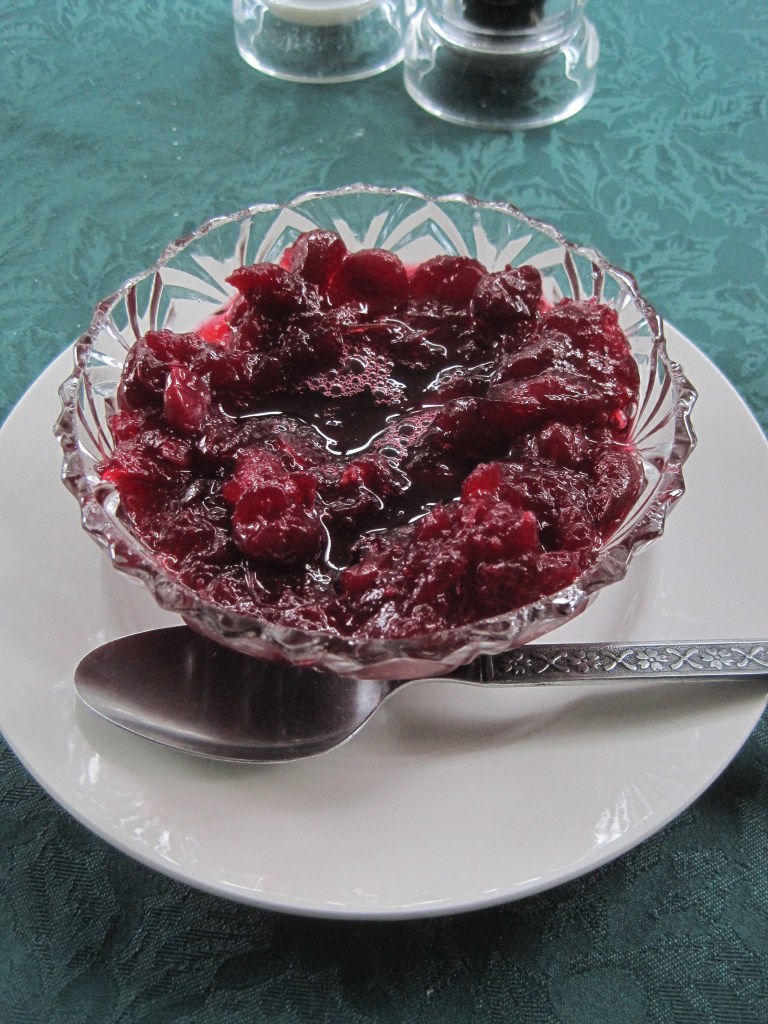
A favourite is turkey breast with cranberries. Yes, I know it’s not Christmas but I often buy a frozen turkey breast to provide a few versatile dishes and I always have delicious dried cranberries in the cupboard.

A small turkey breast is a great stand-by in the freezer. Normally these are cooked in the oven but I do them in my thermal cooker. Easy, economical and still as good to eat. I talk about my thermal cooker on a previous post with the title, “Soup and Still Life”.

Instead of almost two hours in the oven it only takes 20 minutes on the hob, then I leave it in the thermal cooker for two or three hours, without power, to continue cooking. Economical and results are brilliant. Then I have a turkey breast to use in various ways.

For my one-pan turkey and cranberry meal I put a small amount of water in my lidded frying pan, stir in half a vegetable or chicken stock cube, add French beans, carrots and this time, cubed kohl rabi, a crushed clove of garlic, some frozen rice, a sprinkling of dried, sweetened, cranberries and chunks of cooked turkey breast. I put the lid on and let it cook for about 12-15 minutes until the water has reduced and the vegs are tender.

The cranberries are sweetened with fruit juice so they’re a healthy ingredient and they taste so good. I use either Whitworths or Ocean Spray “craisins”.

Precise quantities are not necessary with these meals but the stock cube is an essential ingredient. The vegs cook mainly in steam so the flavour is rich and all the goodness stays in the meal. So simple, nutritious and enjoyable.

The cooked turkey breast keeps well for a few days in the fridge and makes the most delicious sandwich filler or topping. Sliced thinly and placed in a bowl, salt and pepper added and a spoonful of mayonnaise then mashed and spread on bread. Really good.

Good equipment is essential in the kitchen and of course should be as perfect as possible for hygiene reasons but I also have a fondness for old things like pottery and tins. Some of my old tins are battered but their shabbiness is pleasing. I just keep these to look decorative.

Ones in good condition are very useful and I use them all the time, like cake tins and a couple to keep stock cubes dry.

Homely things are always pleasing. They’re what make a house a home and especially make it our own unique place. Items collected over a lifetime have meaning. They stir memories and satisfy the eye. My little embroidered picture at the top of the page is something I treasure. I sewed it over 50 years ago when we were living far from home. I can’t imagine living in a bare house. It might be easy to clean but for me it would lack soul.

I hope you’re enjoying the last of the summer and have lots to look forward to. Bye for now. With you again next week. Please feel free to leave comments. I love to hear from you.