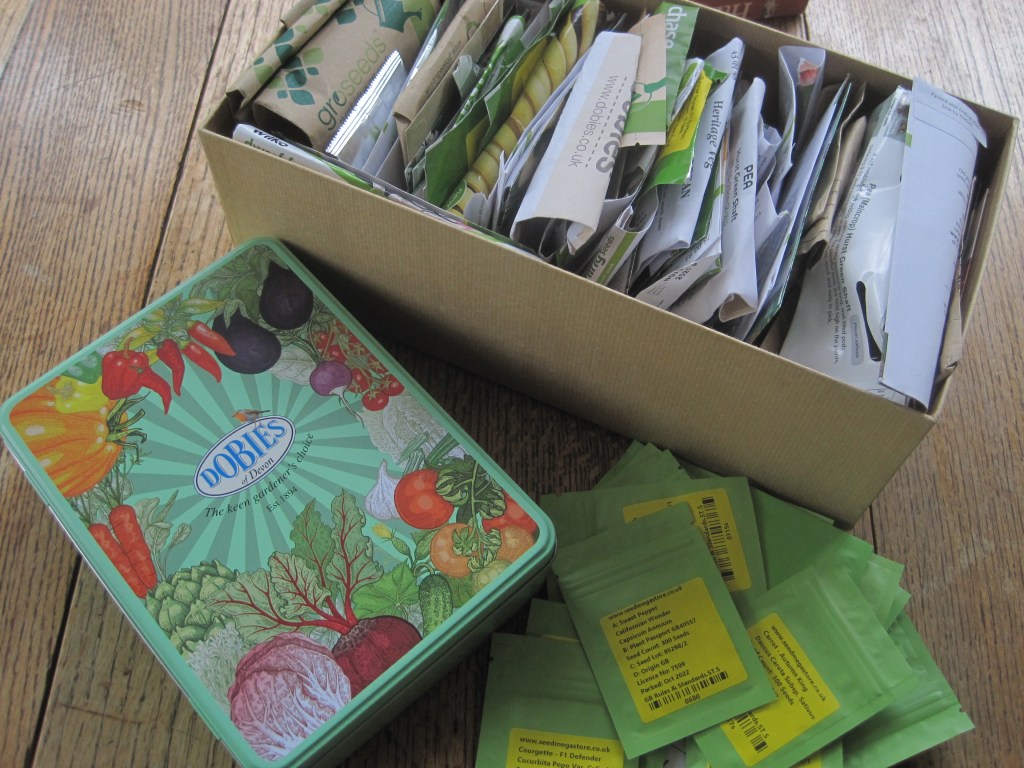
Almost mid March and the beginning of a busy time in the garden. Lots of seed packets waiting, promising good things for summer and next Winter.
Unfortunately, Allium Leaf Miner has been a menace in the garden for the last few years. I was dismayed to discover that it’s active in March. The fly lays it’s eggs in onions, leeks and garlic, then the larvae destroy the plants. My entire leek crop has been wiped out twice. The only defense is to cover the plants closely with fine netting.
I have onions which have been growing over Winter in an outdoor bed, so my husband has built a net-covered frame around them. Fingers crossed that the onions will be safe. He also put fine-mesh cloches over the garlic in the polytunnel.
I removed the last few parsnips from the polytunnel to make room for the leeks. One of the parsnips had an enormously long root.
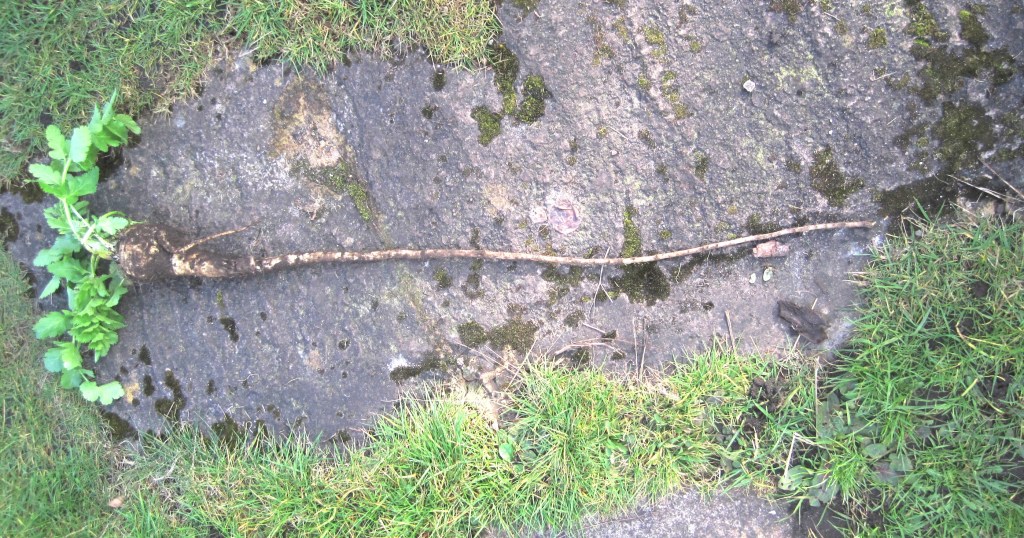
After I’d cut off the thin bit I cleaned up the good part and cooked it in some lovely vegetable and lentil soup. A good way to use up whatever I have. This one had parsnips, onions, squash, carrots, parsley, celeriac, potato and red lentils.
I find the key to tasty soup is to use good stock. No need to go to the trouble of producing fresh stock, although the stock produced when I’ve cooked chicken in my thermal cooker is delicious. Good quality organic vegetable stock cubes are excellent for vegetable soups and chicken ones for a hearty chicken soup. Onions are another essential. They give that savoury, satisfying goodness to the taste.
Red lentils are good for thickening soup and provide protein. Potatoes also add consistency, especially if the cooked soup is blended. Cheap ingredients but nutritious and tasty.
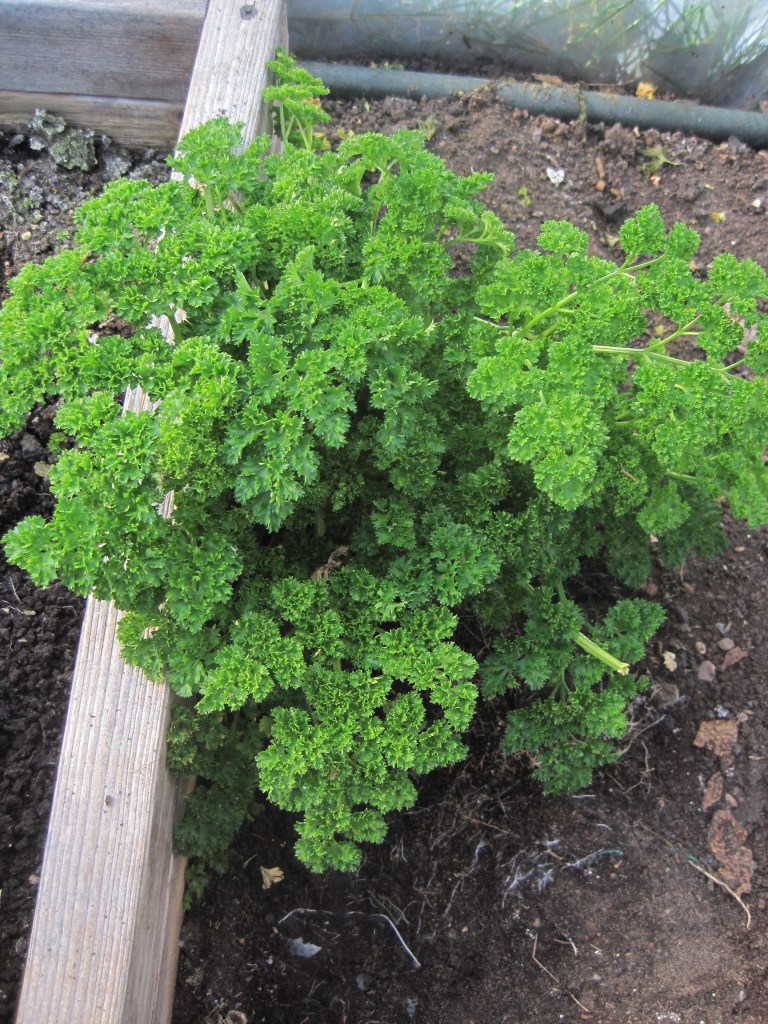
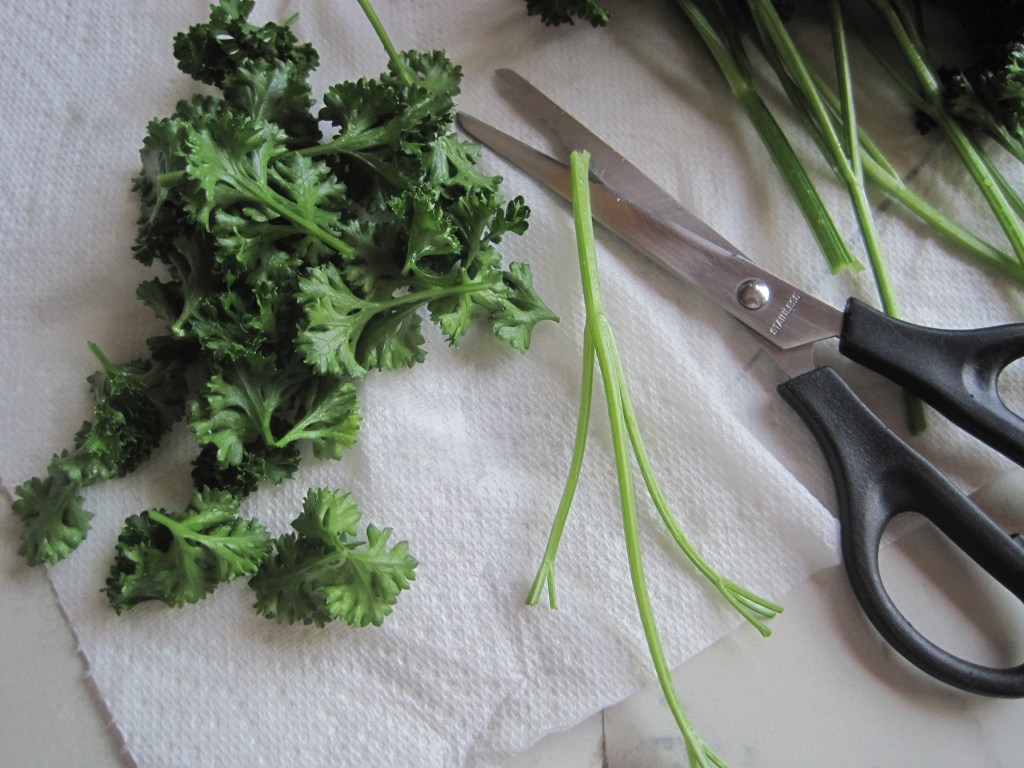
Parsley is a nutritious addition to many meals. I’ve had an abundant supply of fresh green leaves all winter in the polytunnels. It’s so easy to grow, doesn’t need feeding and mostly trouble-free. I used to freeze it but it grows so well, even during Winter, that I now prefer to use it fresh.
For plants which do need feeding like tomatoes, I mostly use liquid seaweed. Sometimes I make comfrey feed. If you have comfrey in the garden, it’s so easy to do. Just stuff the leaves into the leg of an old pair of tights, tie a knot, then put into a bucket of water and allow to soak for about ten days. Dilute the feed before using. It does smell but it’s very good stuff.
A home brew barrel is ideal for this. They have a tap and if the barrel is raised onto a stand of some kind, the watering can will fit under the tap. Then it’s easy to draw off the amount you need. Sometimes these barrels are found at car boot sales. People often try home brewing, then the novelty wears off and they sell their equipment. I have had one for years and find it ideal for comfrey feed.
If you want to grow comfrey for this, “Bocking 14” is the best type. Comfrey is also available as pellets for spreading into the soil or soaking to make liquid feed. The pellets are dried comfrey leaves and can be put into a bag, made in the same way as above, before soaking. The mushy residue can then be added to the compost heap and the liquid used for direct feeding..
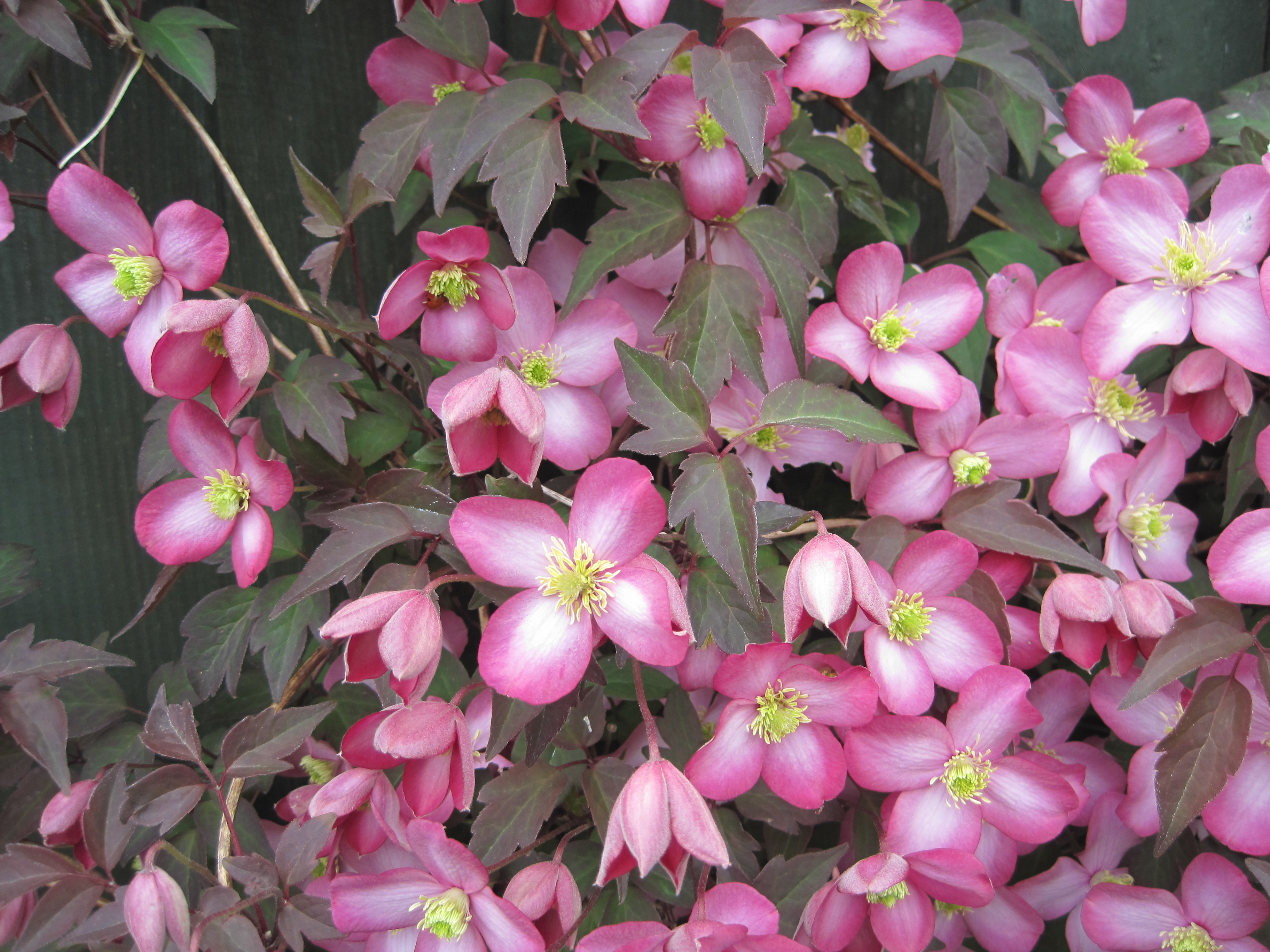
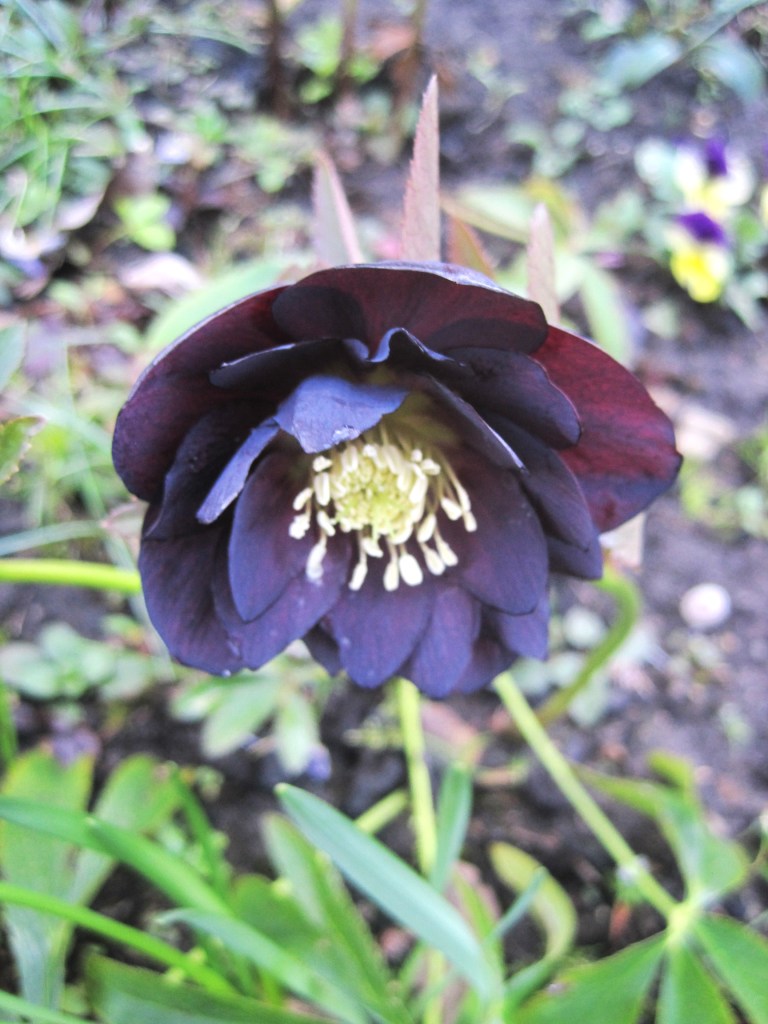
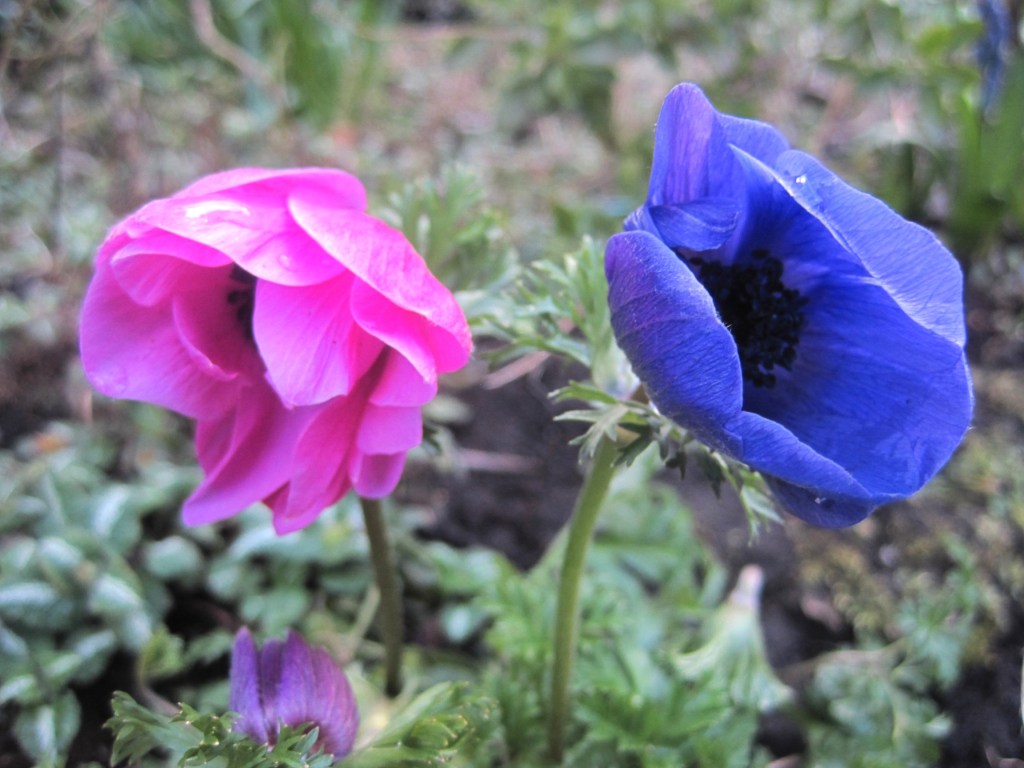
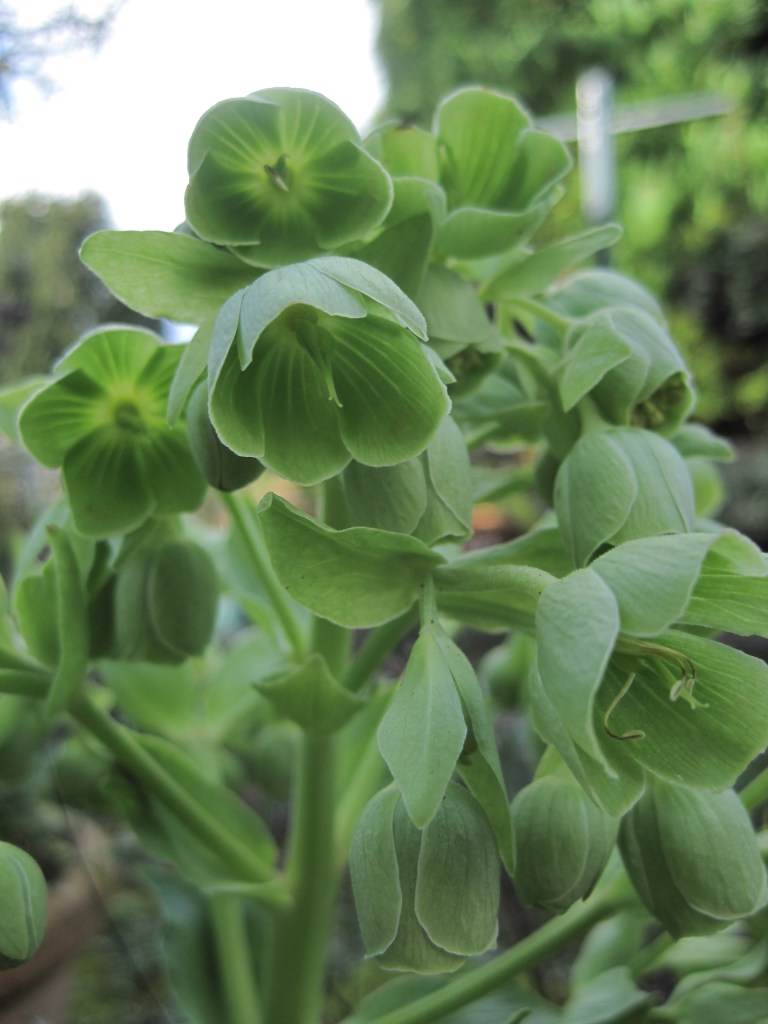
The flowers have withstood the sleet and snow over the last week and are looking lovely.
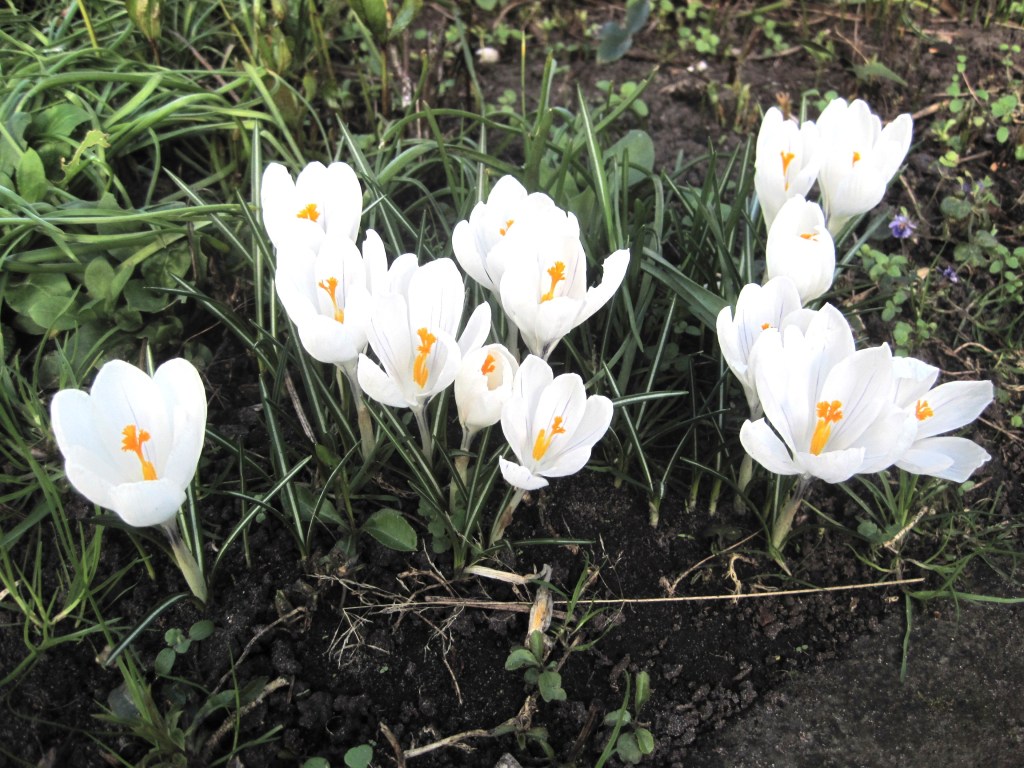
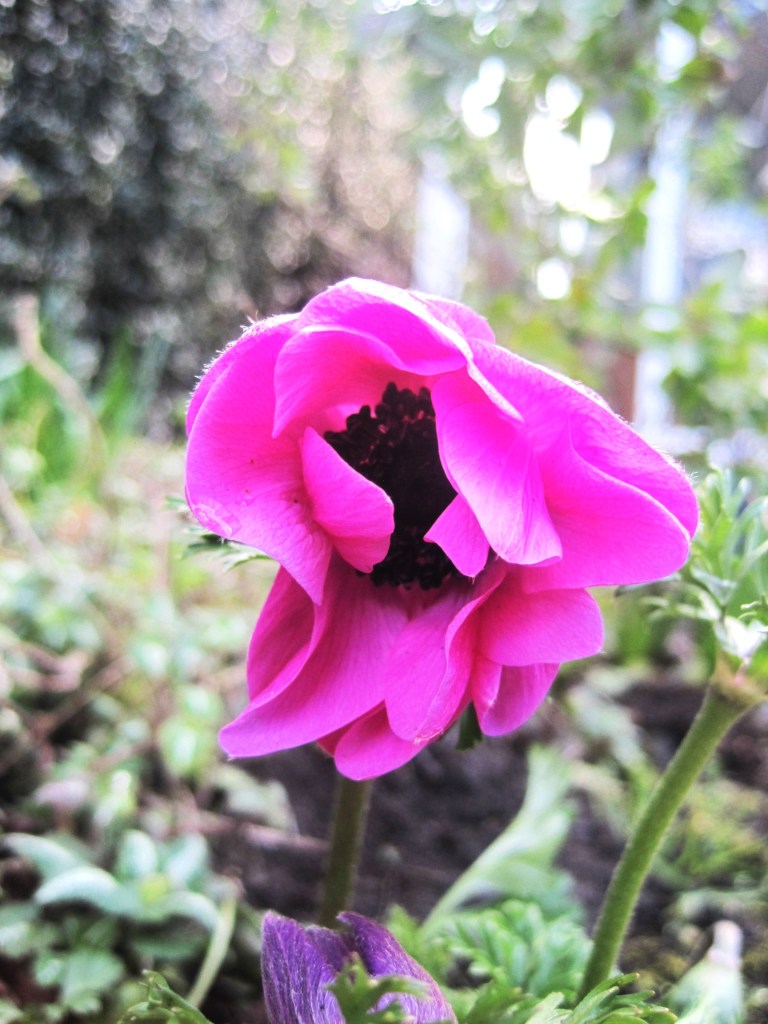
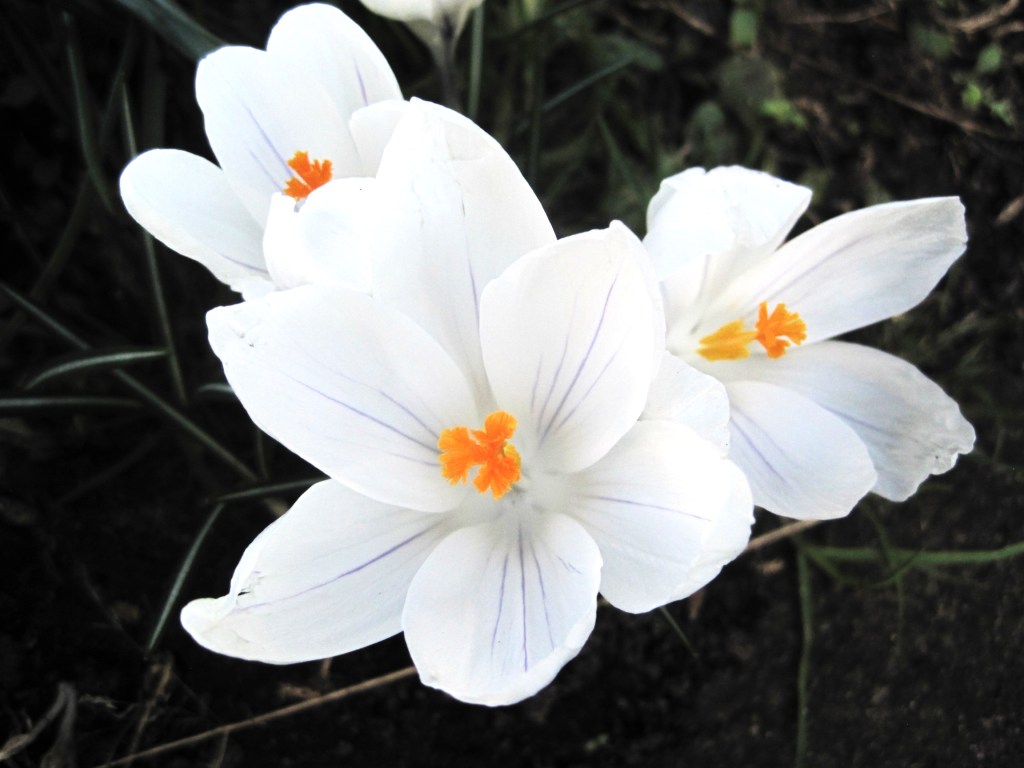

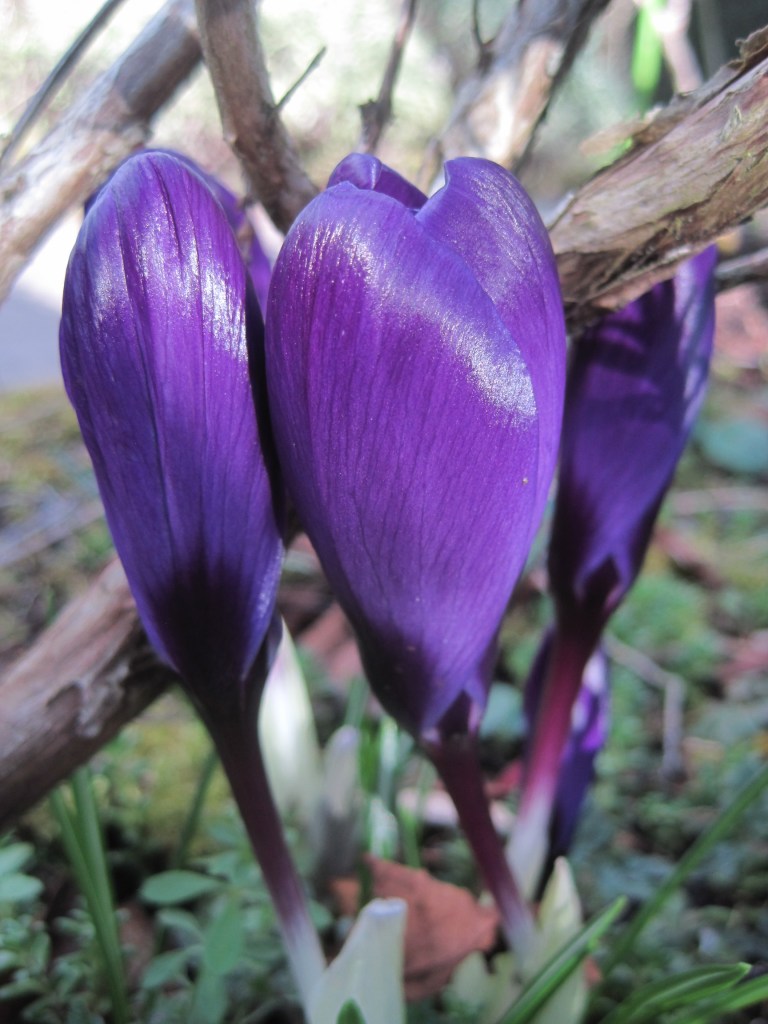
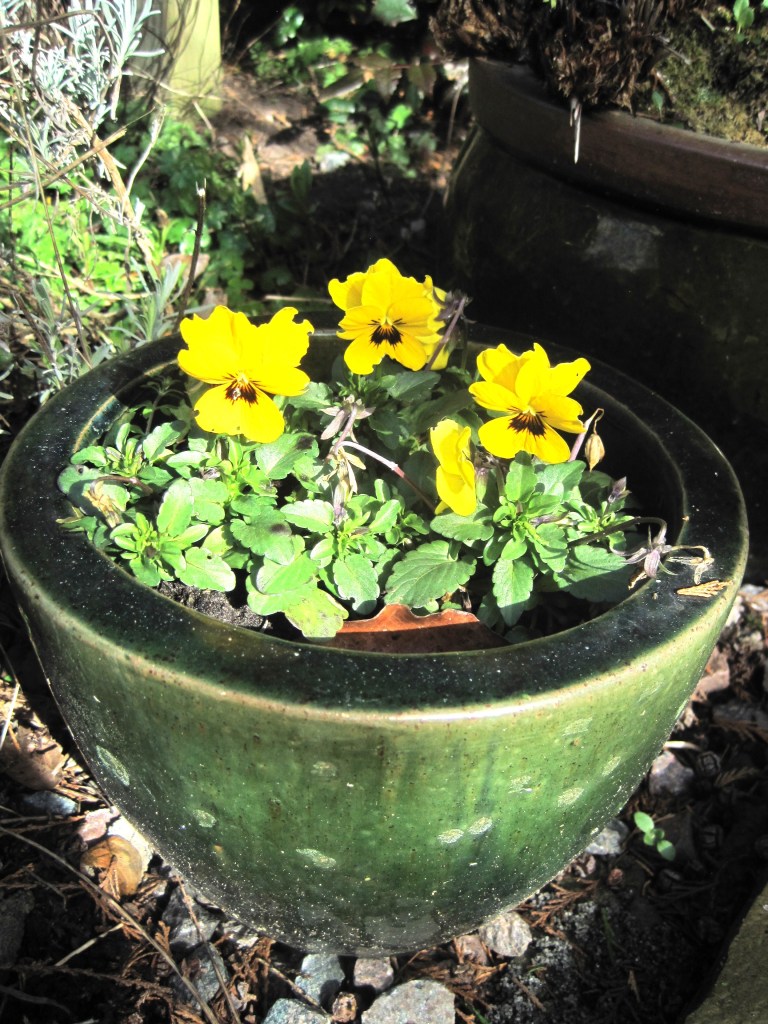
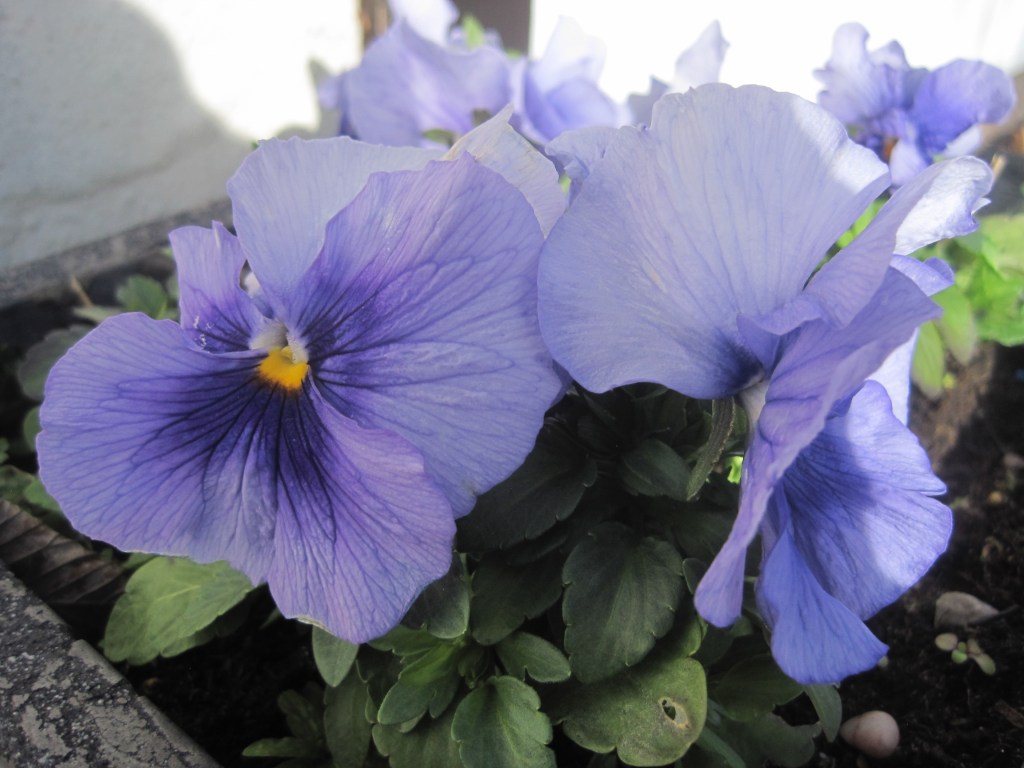
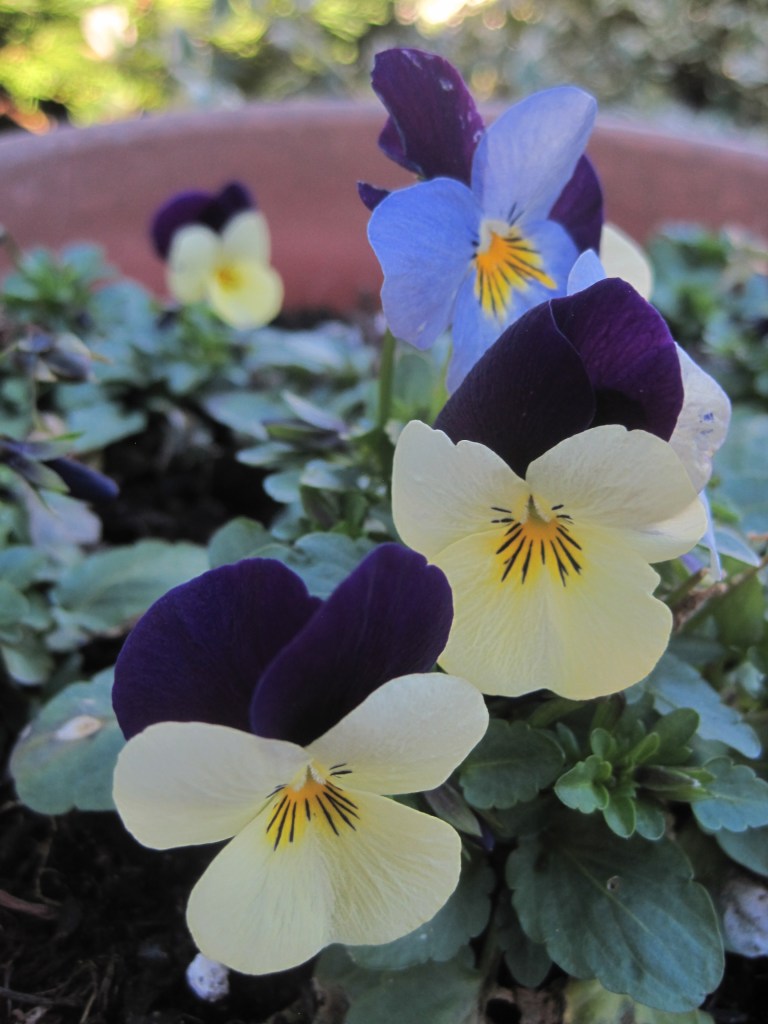
The pansies have picked up since February and are showing cheerful little faces to glimpses of the sun.
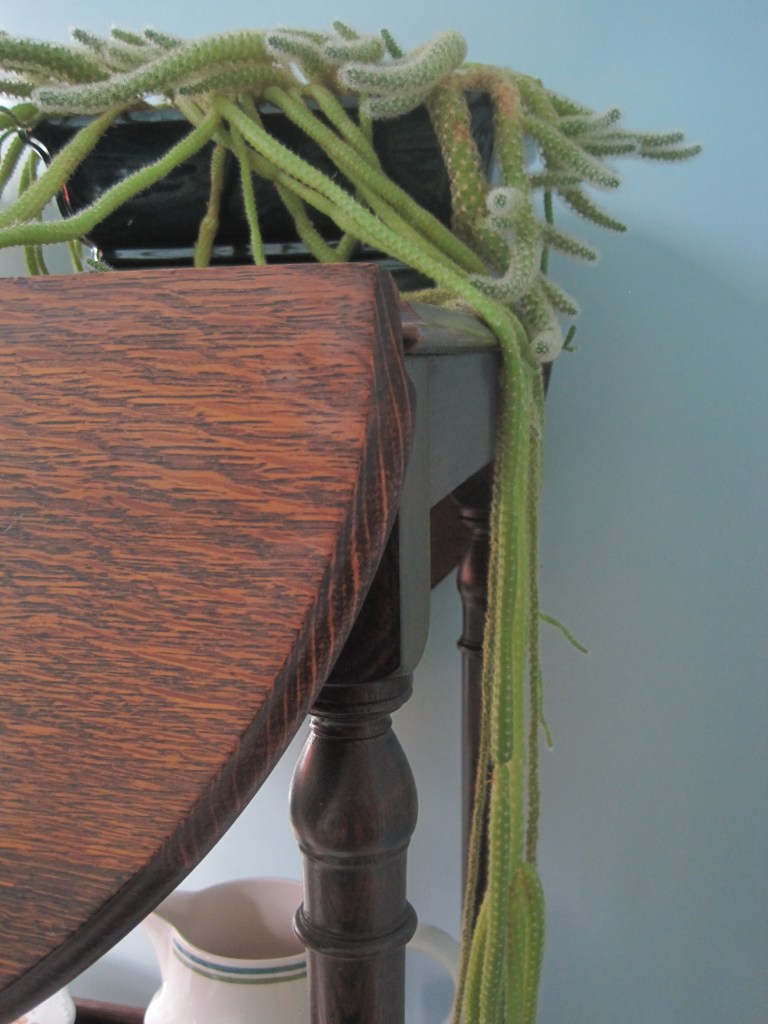
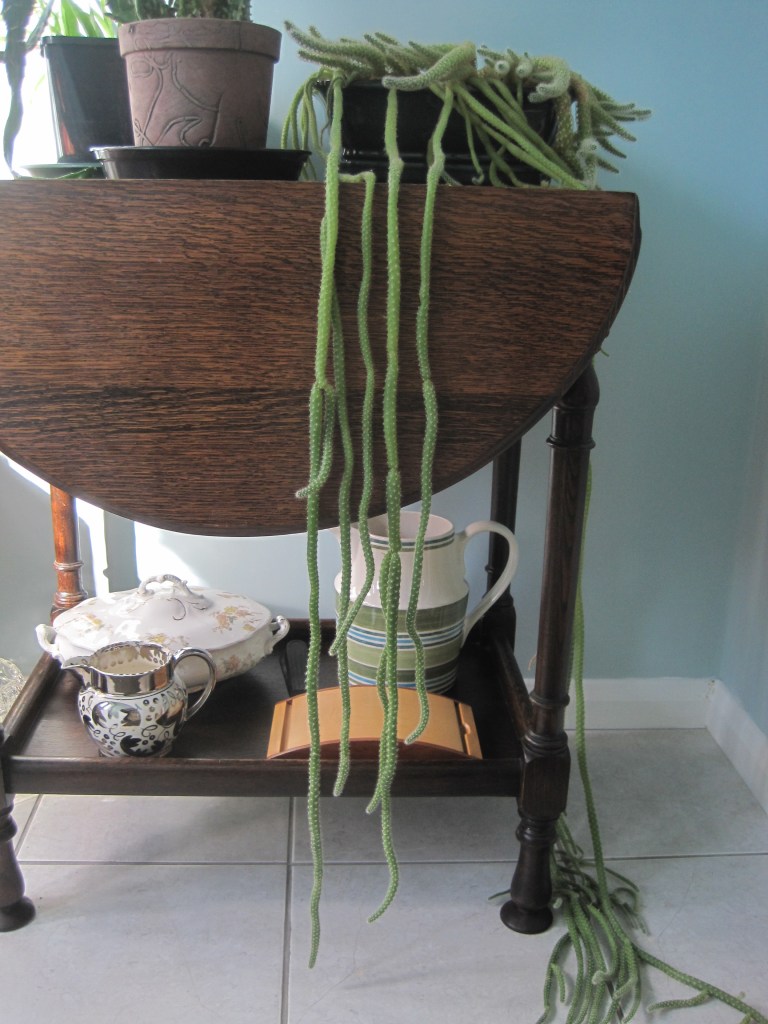
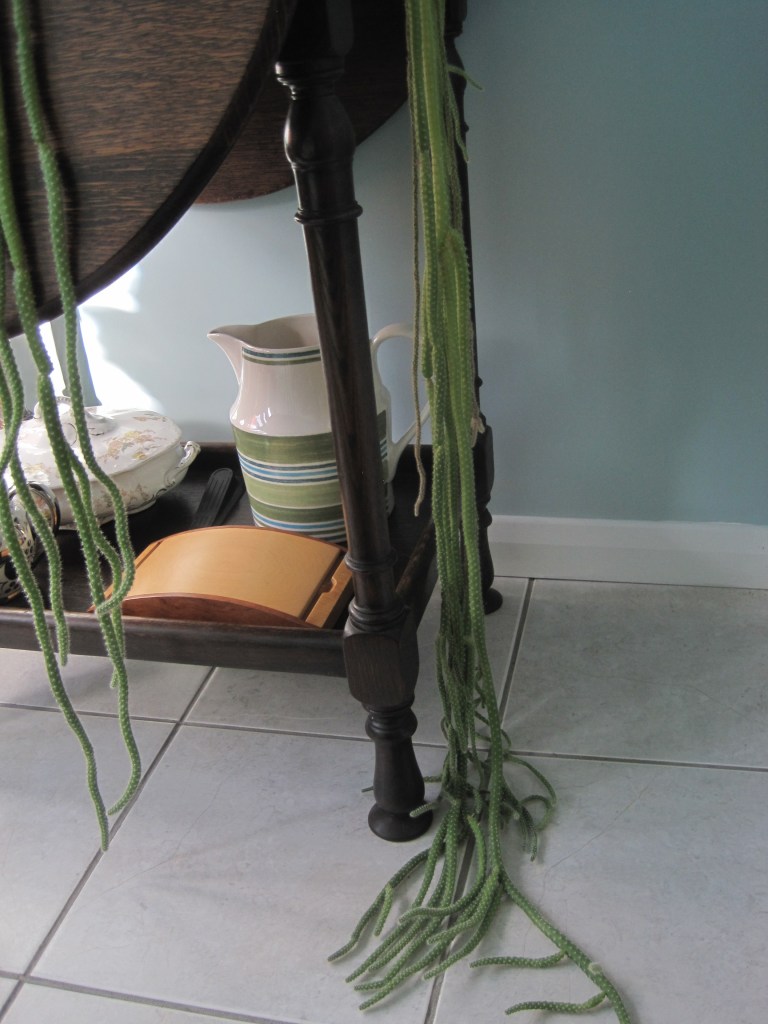
Indoors, I’ve kept my cacti on the dry side all Winter because they’re in the porch where it’s quite cold. They’re fine with low temperatures as long as they’re not too damp. I never know the names of my cacti and I have a love-hate relationship with them. They’re fascinating but I really don’t like the prickles.
My sister gave me a couple of tiny off-shoots years ago and the cactus they produced has grown long, extended shoots which reach the floor. A bit creepy but interesting.
I haven’t painted for a few months but here’s a very old one I did years ago. Drawn from my own photograph and painted with gouache.
Fruit is a favourite subject for Still Life. The shapes, colours and three dimensional qualities make them appealing to artists. I have done a few of these, in different bowls. I prefer to use gouache for its depth, especially for bold shapes and strong colours like these.

I hope your days are filled with creative pleasures and your garden is blooming. Much to look forward to at this time of year. Until next week, bye for now.
 Living a contented creative life.
A pleasure to read as always 🤗
LikeLike
Thank you so much Vicky. Very much appreciated.
LikeLike
Lots of great tips. I didn’t know you could get comfry pellets as we used to have a plant at the allotment but it was removed as it was in an adjoining allotment. Fabulous painting. You are a very talented lady. Look forward to next week x
LikeLike
Thank you Judith for these kind words. The comfrey pellets are available from the Organic Gardening Catalogue. Possibly from other suppliers. Gardening Naturally might have them too. Thanks for being a regular reader. Much appreciated. X
LikeLike