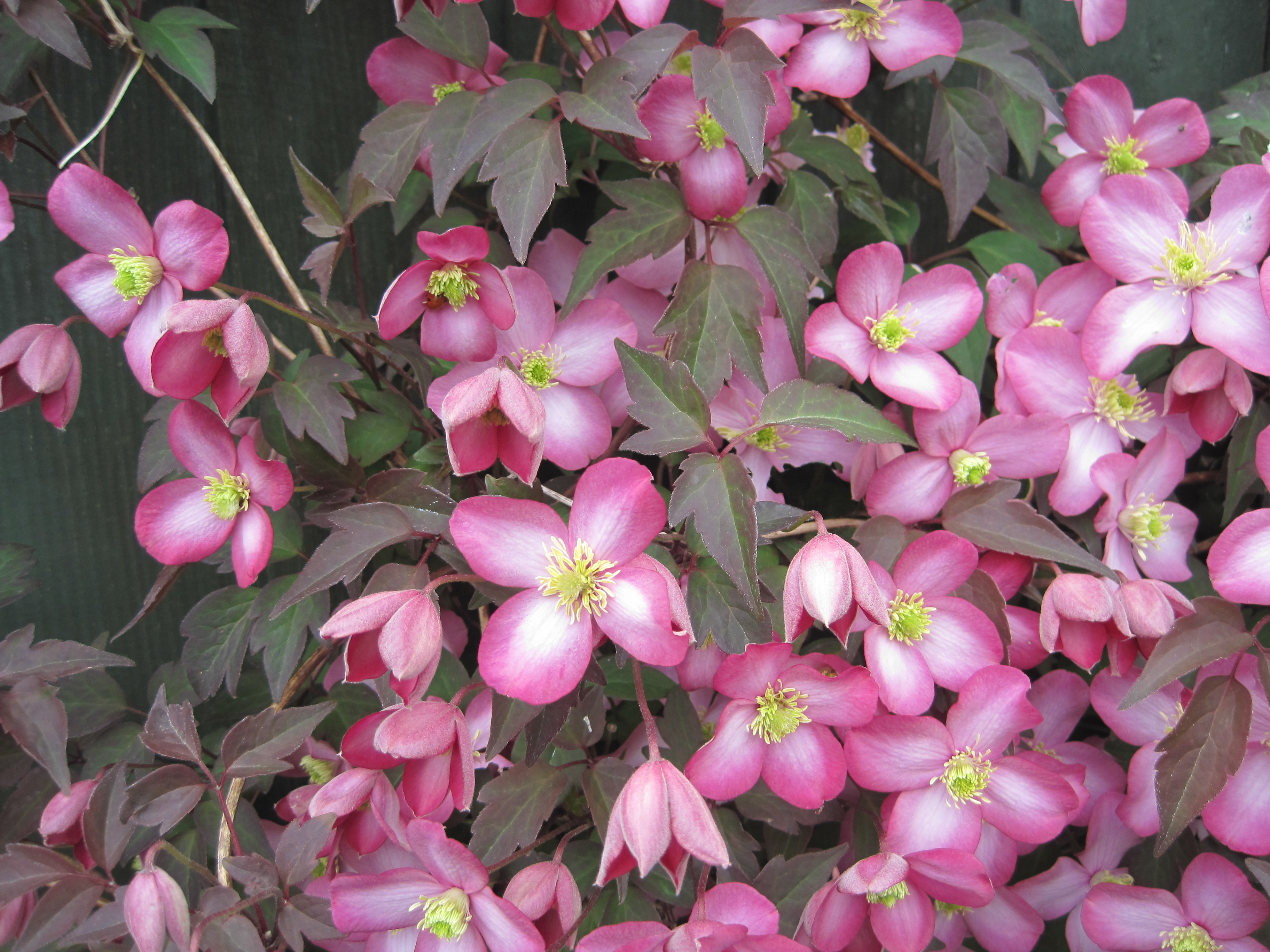

Autumn is such a lovely time. Misty mornings, dewy grass and the scent of fallen leaves contribute to the fading beauty of the year. Often in October the sun is warm and welcoming and the sky is azure blue. Other days the rain falls and we enjoy being dry indoors. Ideal days for preserving fruit and vegetables in a cosy kitchen.
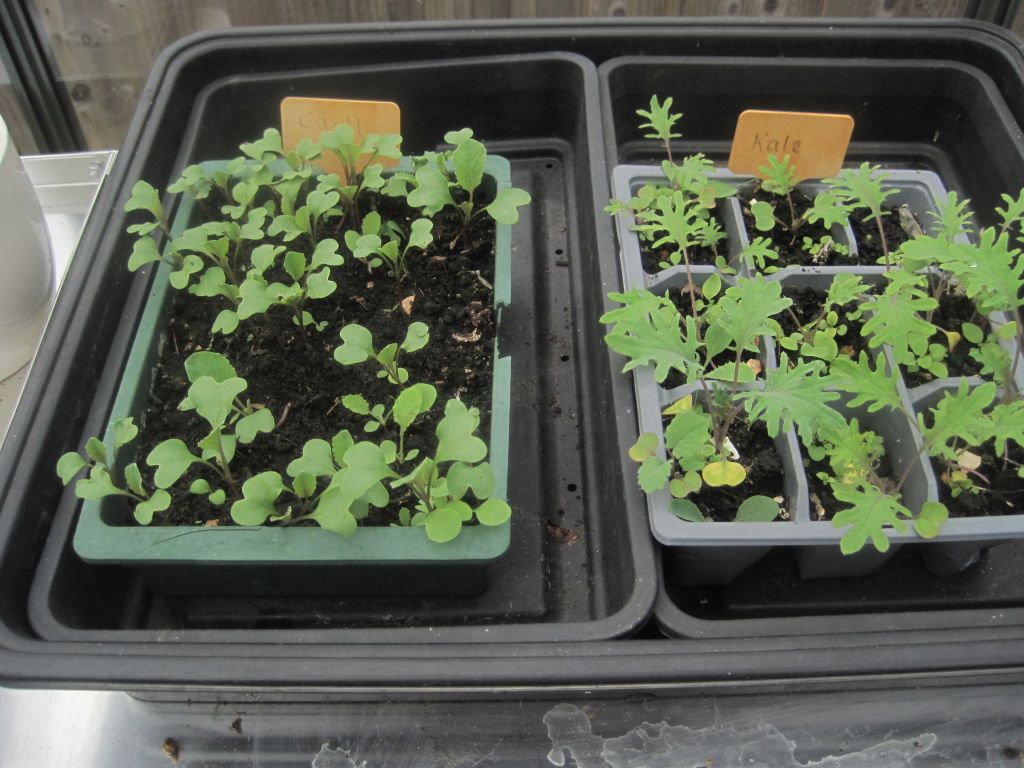
Looking ahead, I’ve sown kale, cauliflowers and purple sprouting broccoli to grow slowly over winter for a welcome Spring crop. These are in the greenhouse waiting to be planted in one of the polytunnels. Compost has been spread on the bed to refresh the soil and provide nourishment.
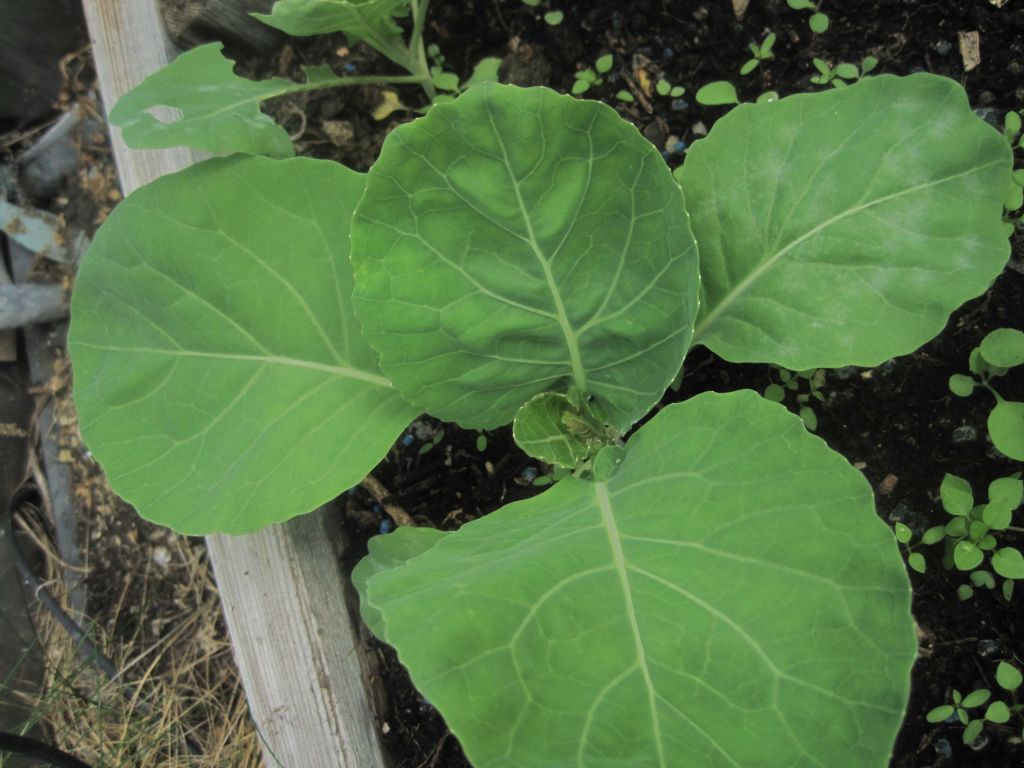
My Spring cabbages are growing now in the other tunnel. They will have delicious ball heads in early May.
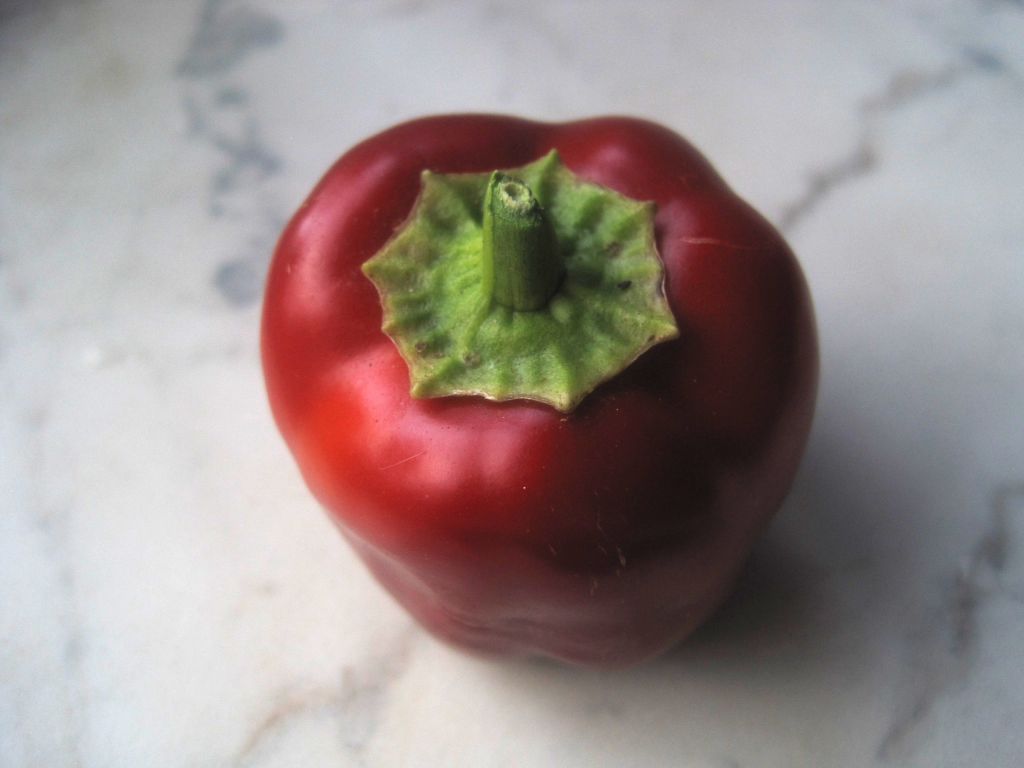
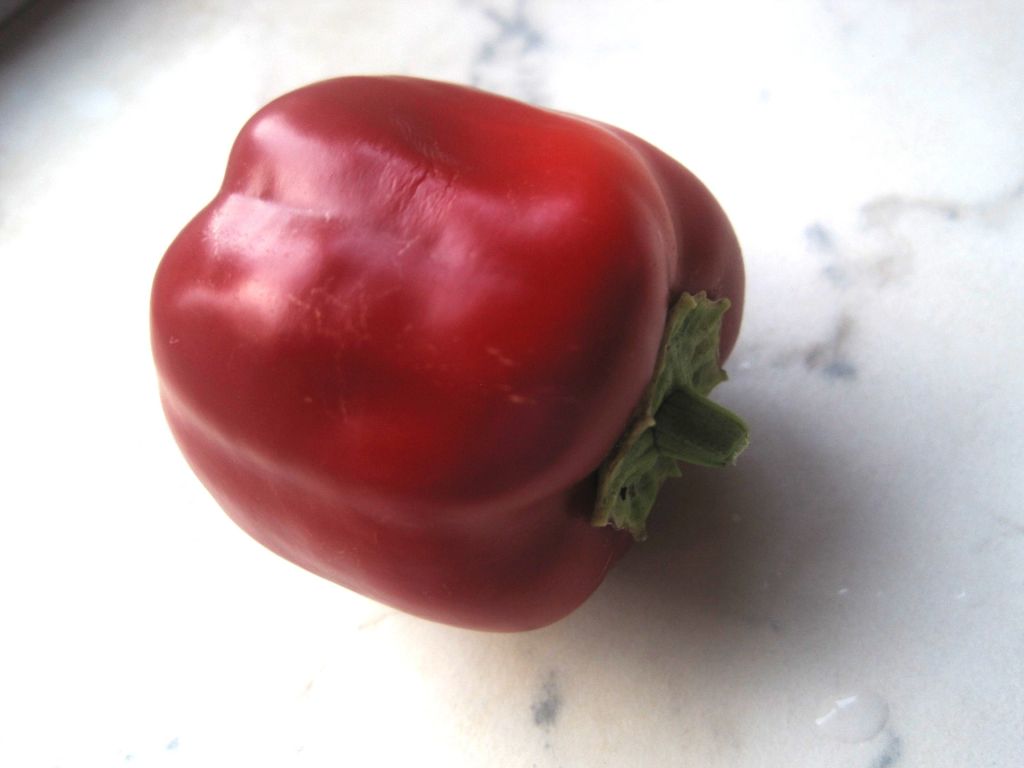
I brought in a small “California Wonder” sweet pepper to eat. It was really beautiful but sadly proved to be tasteless. Not sure I will bother growing peppers next year. I love to see them grow and ripen but my husband doesn’t like them so they’re only for me. The pepper was small but looked perfect.
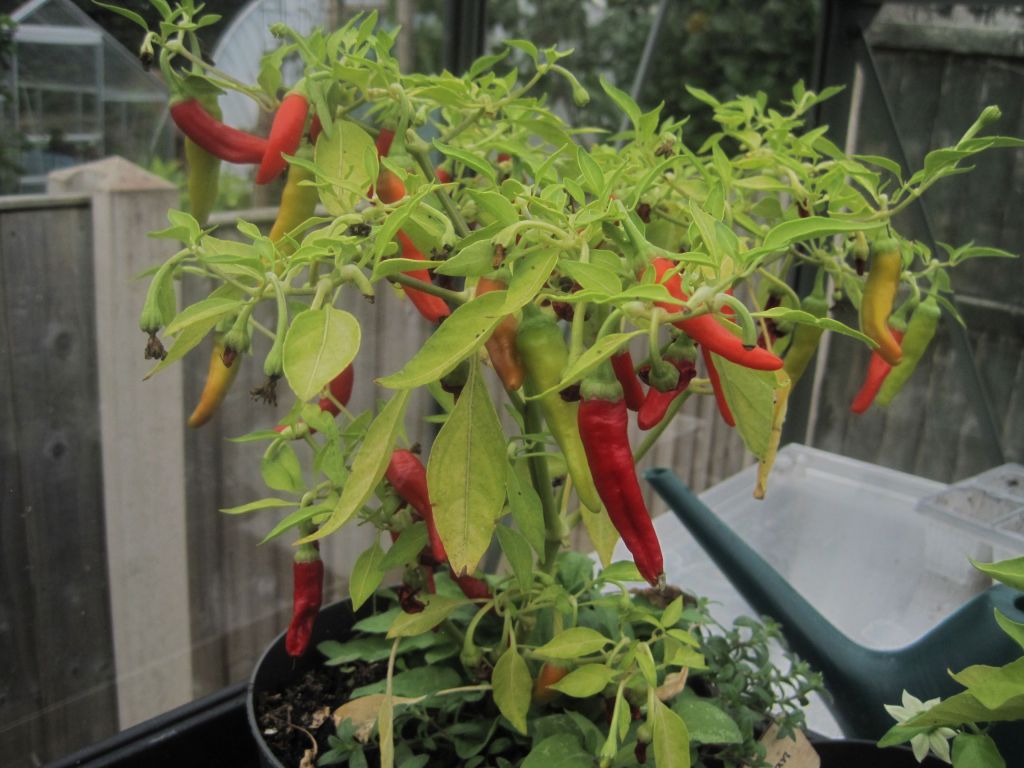
The chillies are still producing and are ripening to a glowing red. I have already made chilli sauce with the earlier ones so I might be able to make another jar.
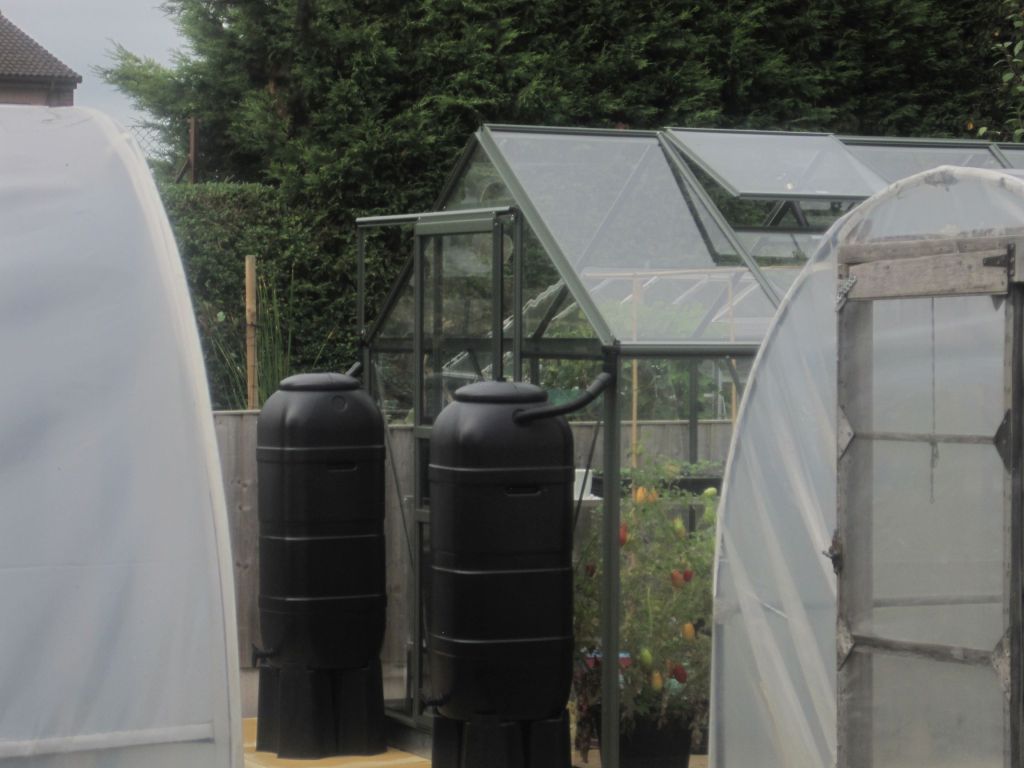
The new greenhouse has been a great addition and sits alongside the tunnels in the vegetable section. It gets very hot as it’s in a sunny part of the garden. The trees in the photo are not as close as they look and there’s no shade. The tomato plants became a bit frazzled but they’re still producing good ripe tomatoes. Two water butts help to keep everything hydrated.
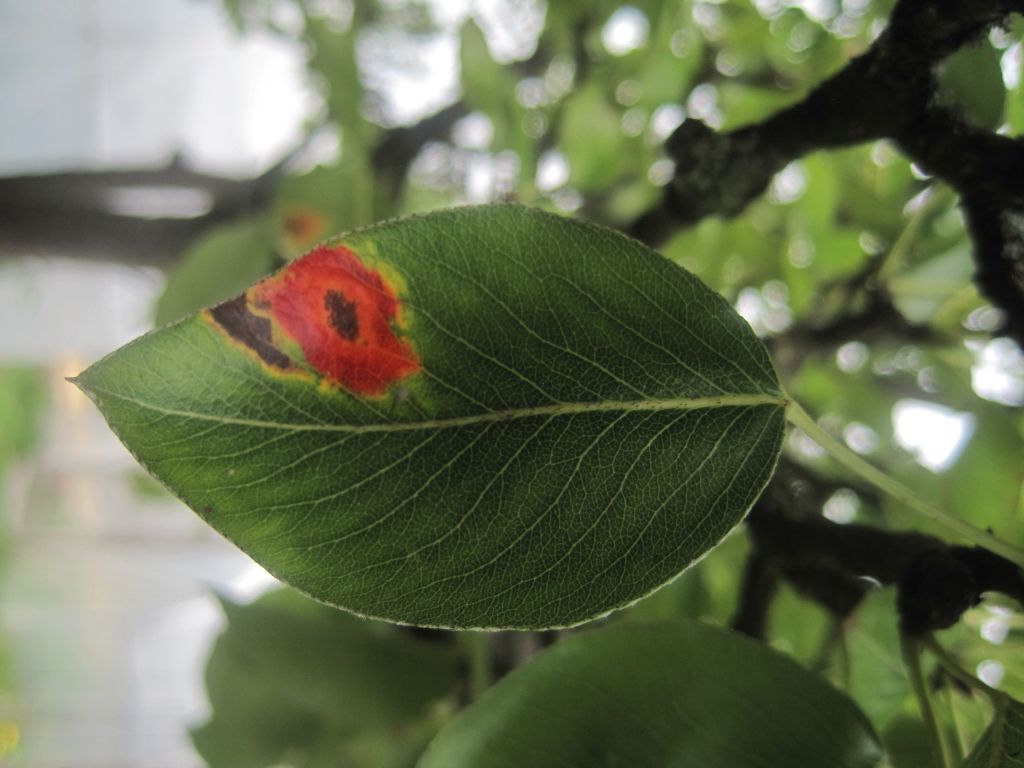
We’ve had an abundance of pears. They’re sweet and delicious. My favourite are Conference which are slightly later than my other pears. The trees have suffered from a fungal infection called Pear Rust, but this doesn’t affect the quality of the fruit which has been superb this year. The rust shows as orange patches on the leaves. It was very bad when it first appeared but over the last few years it has sorted itself out and doesn’t seem to have done any lasting harm.
Although pests and fungal infections do crop up from time to time it isn’t always necessary to take action. Not much can be done anyway for mature fruit trees and I have found that nature eventually corrects things if left alone. Biodiversity in the garden is a great help because pests have predators who get on with the job if allowed to do so. Fungal infections can be more difficult but in a well balanced garden environment they shouldn’t be too much of a problem.
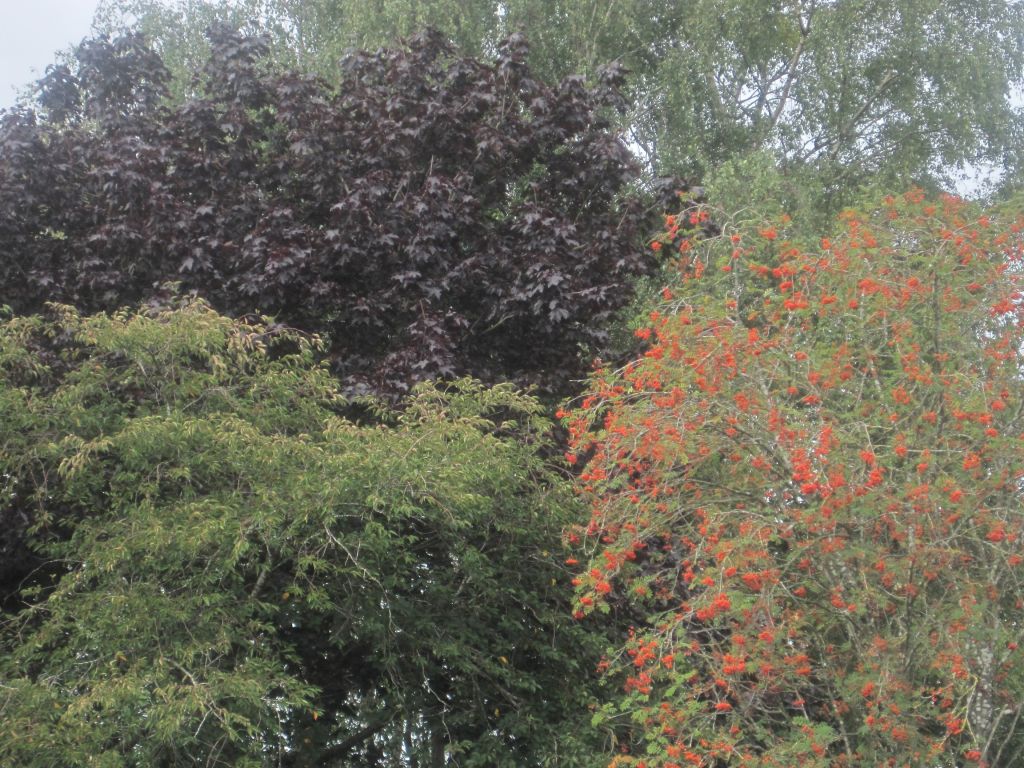
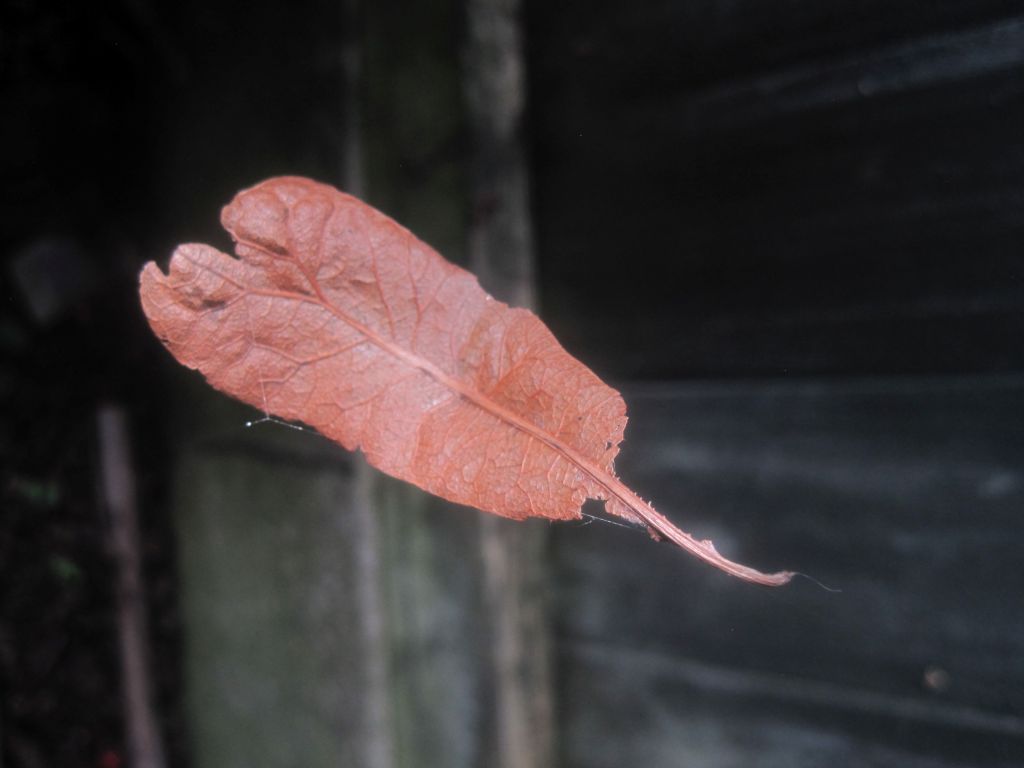
Signs of Autumn are everywhere. A big Rowan in our neighbour’s garden is full of glowing berries. Our hawthorns are dripping with scarlet haws. Leaves are dropping here and there with some pleasing colour changes. They will be stacked in the leafbin to make leafmould for my seed sowing in Spring. Seedheads on the marigolds promise a glorious return next year.

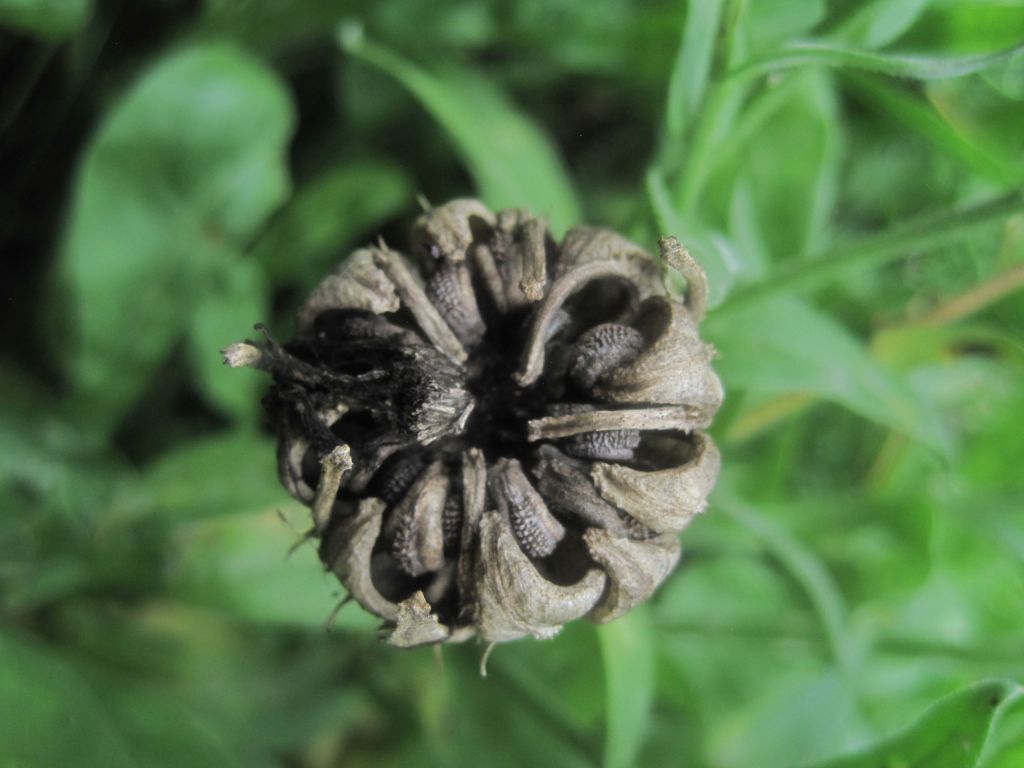
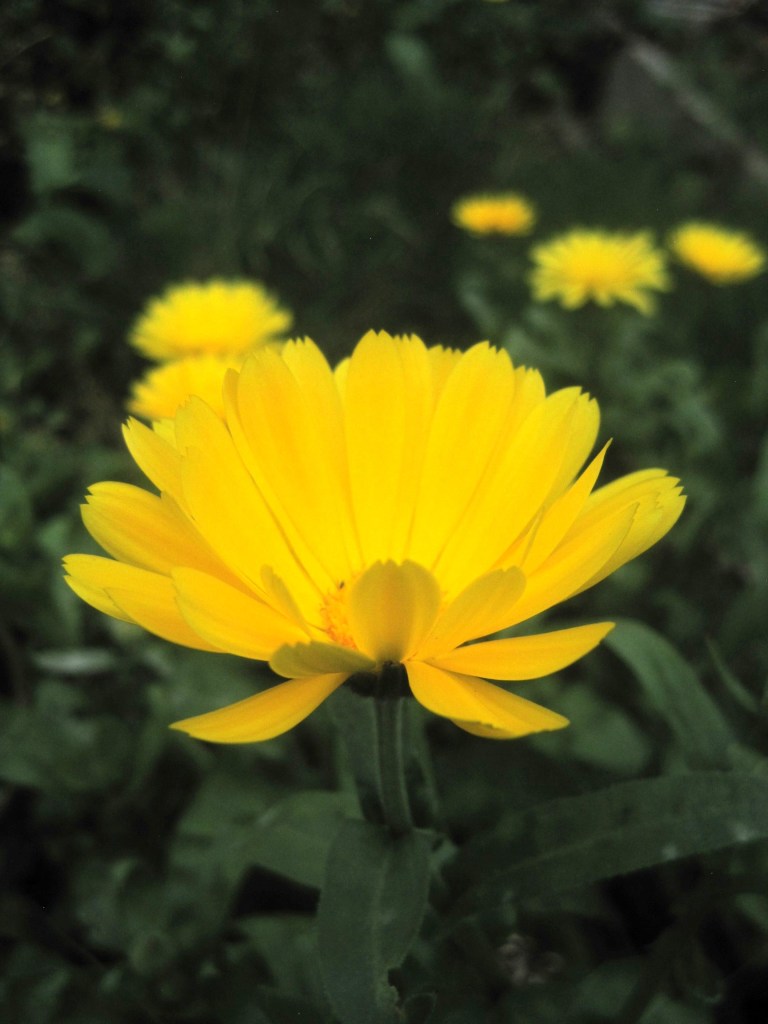
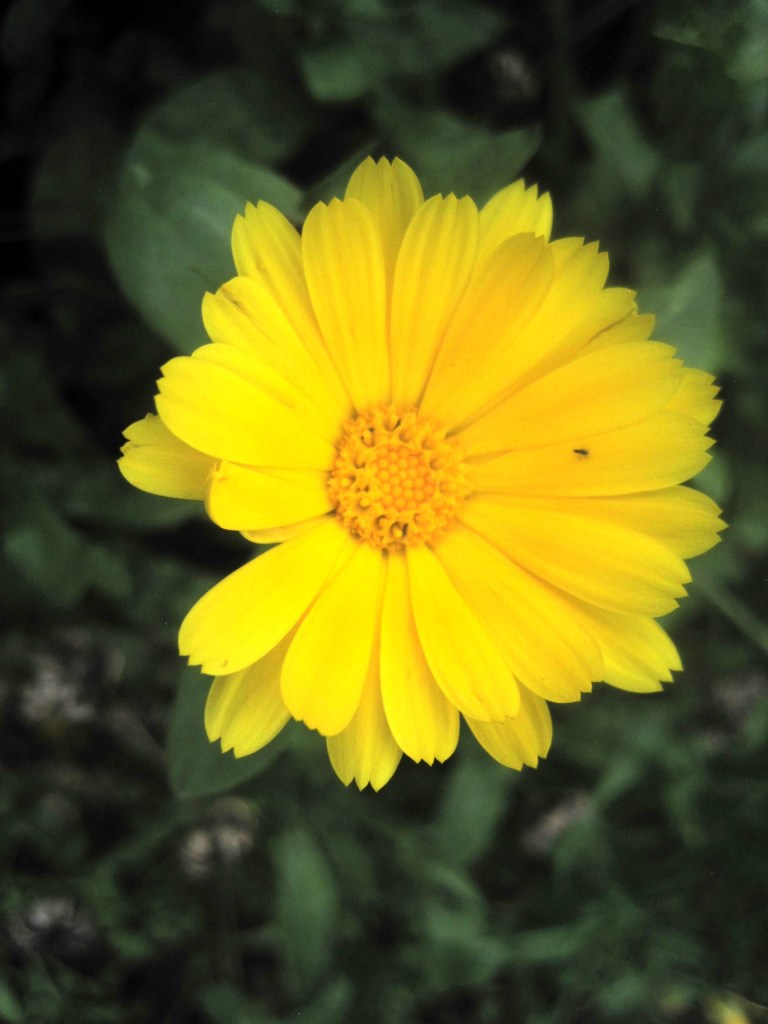
The marigolds are still lovely with their golden daisy flowers lighting up the dullest day. They will go on until frosts begin and drop their seeds for next year’s show.
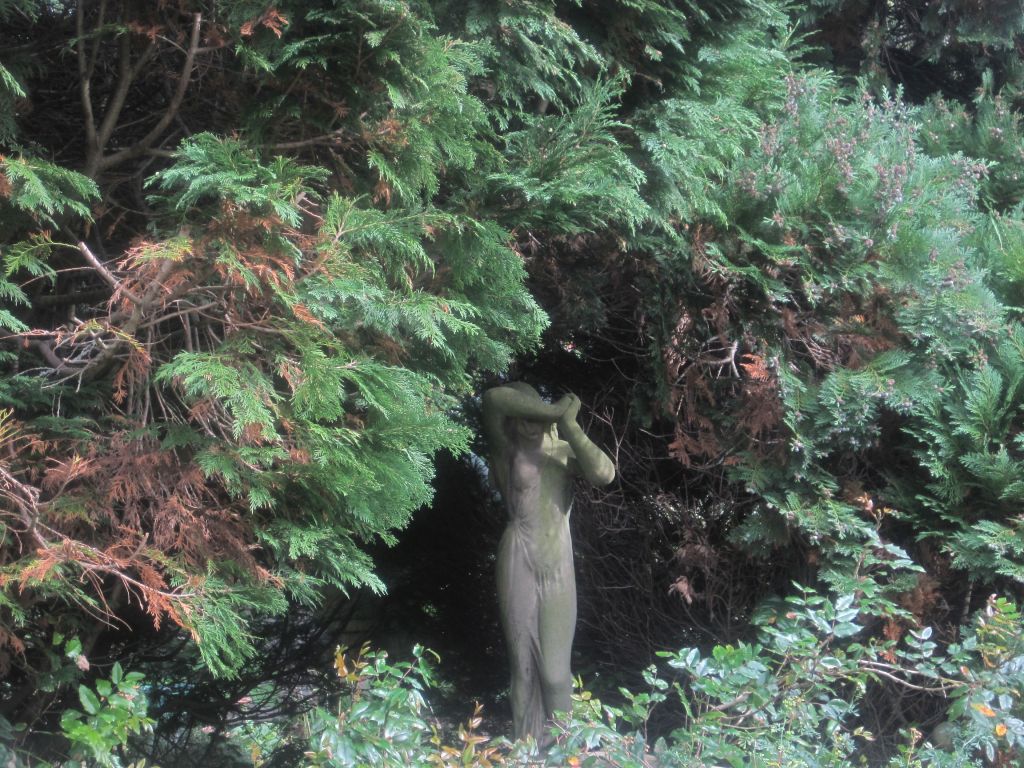
The conifers have been cut back to expose our lovely statue. She has a melancholy air but graces the garden with her beauty.
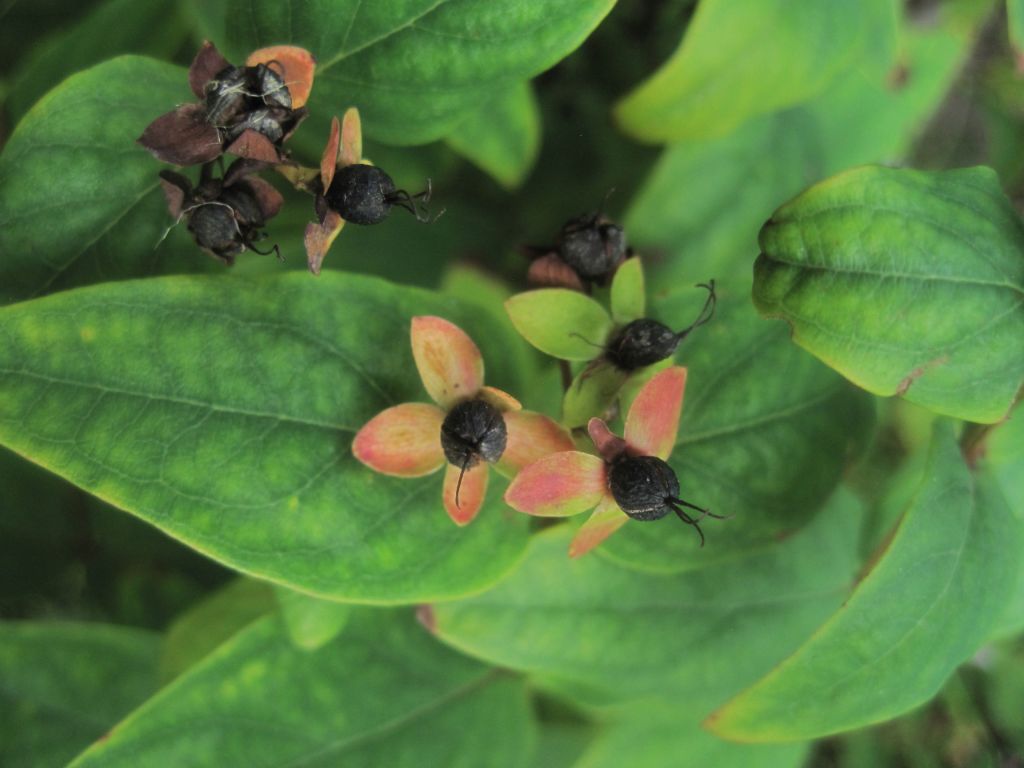
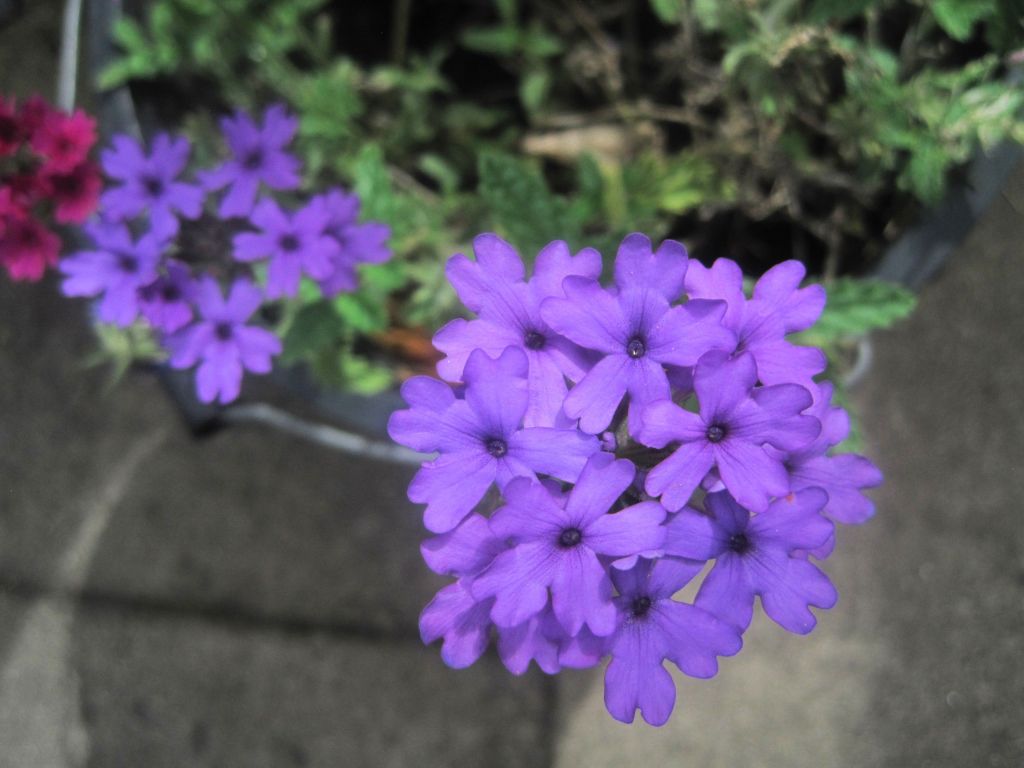
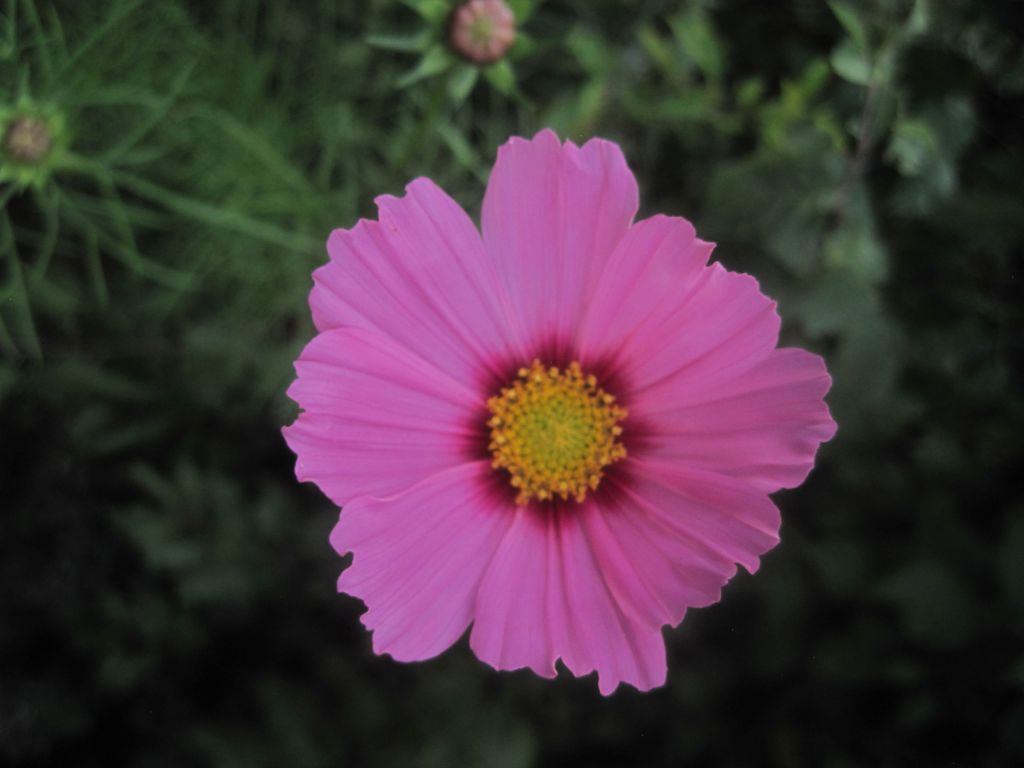
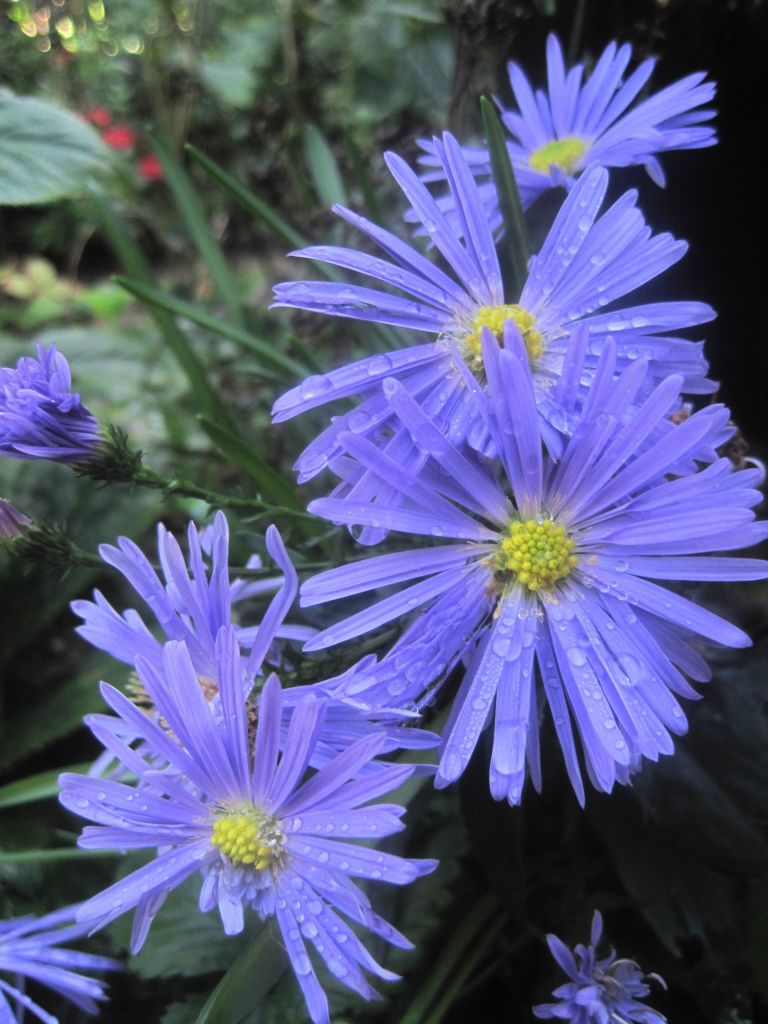
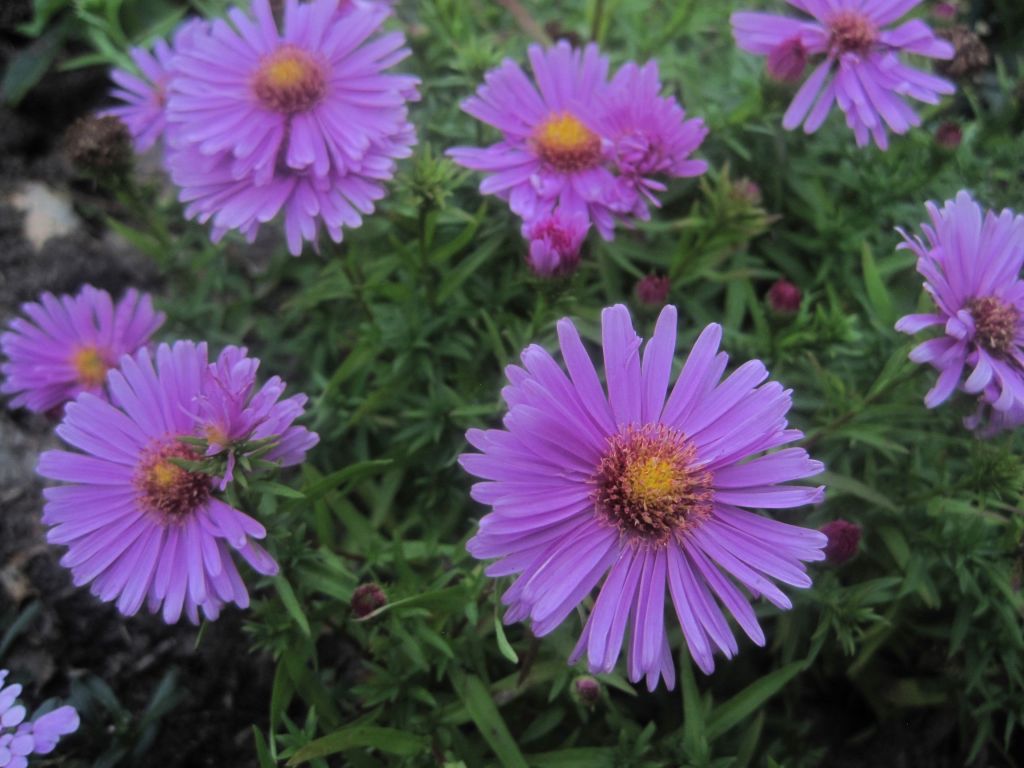
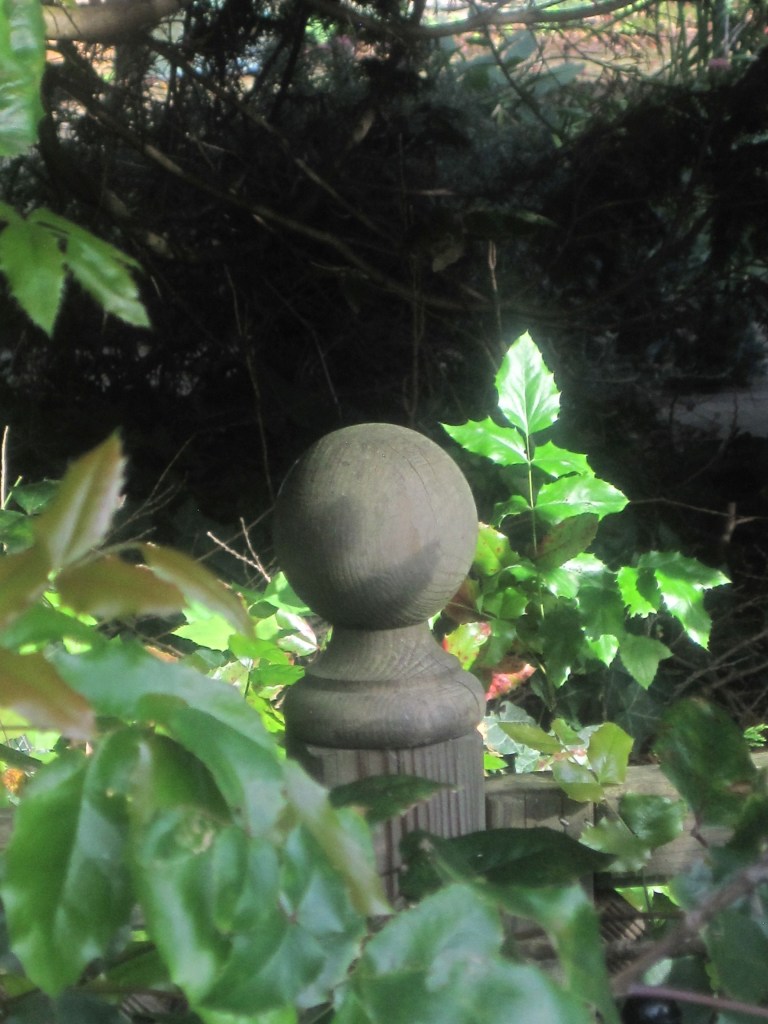
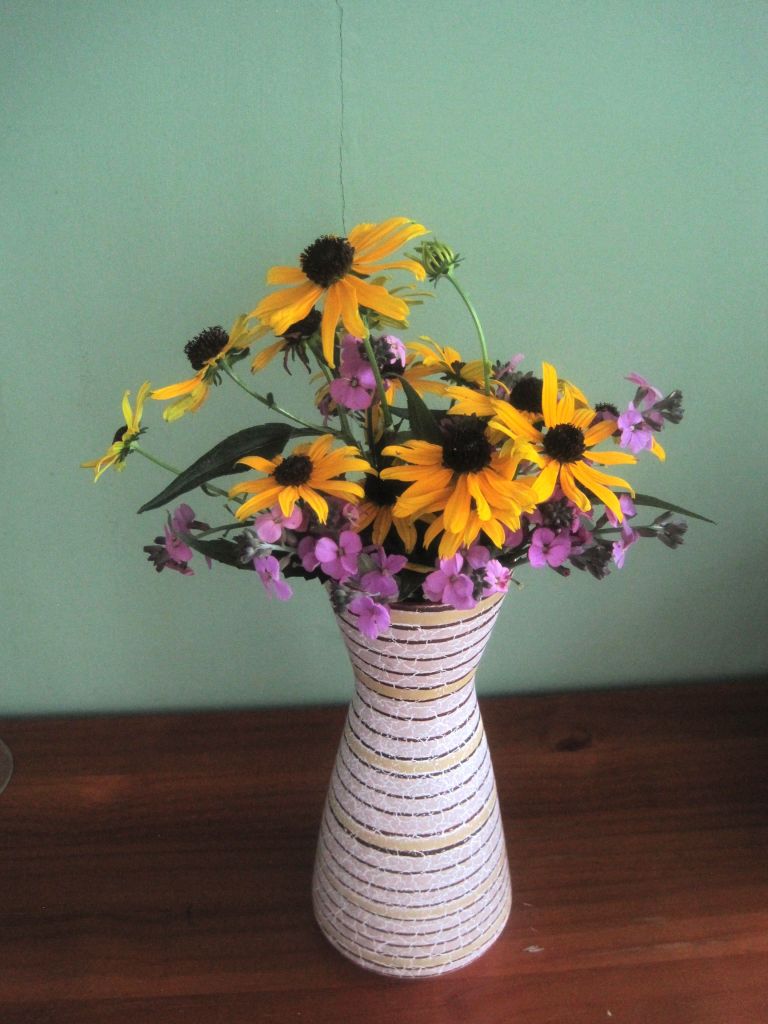
There are many pleasing things in the garden which I enjoy as I walk around. Here are a few glimpses.
Although I’m not preserving as much this year because I’m not well these days I still keep up with my baking. I keep it simple as always and one of my favourite cakes are my sponge squares. So easy to do and can be jazzed up in many ways if I want them a bit more special.
Years ago a cake wasn’t that easy to make. We were advised to cream butter and sugar together until very soft and combined, then mix in eggs very slowly to prevent curdling. Phew! It was quite a process. These recipes were handed down from Victorian cooks, especially Mrs Beeton, a young middle-class woman who had servants to do all the hard work. We don’t need to do all that to produce a delicious cake. Here’s my simple method for a basic sponge which I bake in a large roasting tin and cut into squares when cool, or I bake in bun tins. Simple to make even if you don’t have a mixer.
Easy-Peasy Sponge Cakes

200g Caster Sugar
200g Self-raising Flour
2 heaped teaspoons Baking Powder
4 large Eggs
200g Sunflower Oil
Heat oven to 180C/ 160C for fan oven
Grease or line bun tins or a large roasting tin 30 x 25cm (12 x 10")
Put all ingredients into a mixing bowl and beat well.
Spoon mixture into bun tins or spread in the roasting tin.
Bake for 20-25 minutes.
Press the middle of the large tin gently. If it springs back it's ready to remove from the oven.
Put the buns on a rack to cool.
Allow the roaster to cool completely then cut into squares.
Good as they are but delicious with butter cream or glace icing.
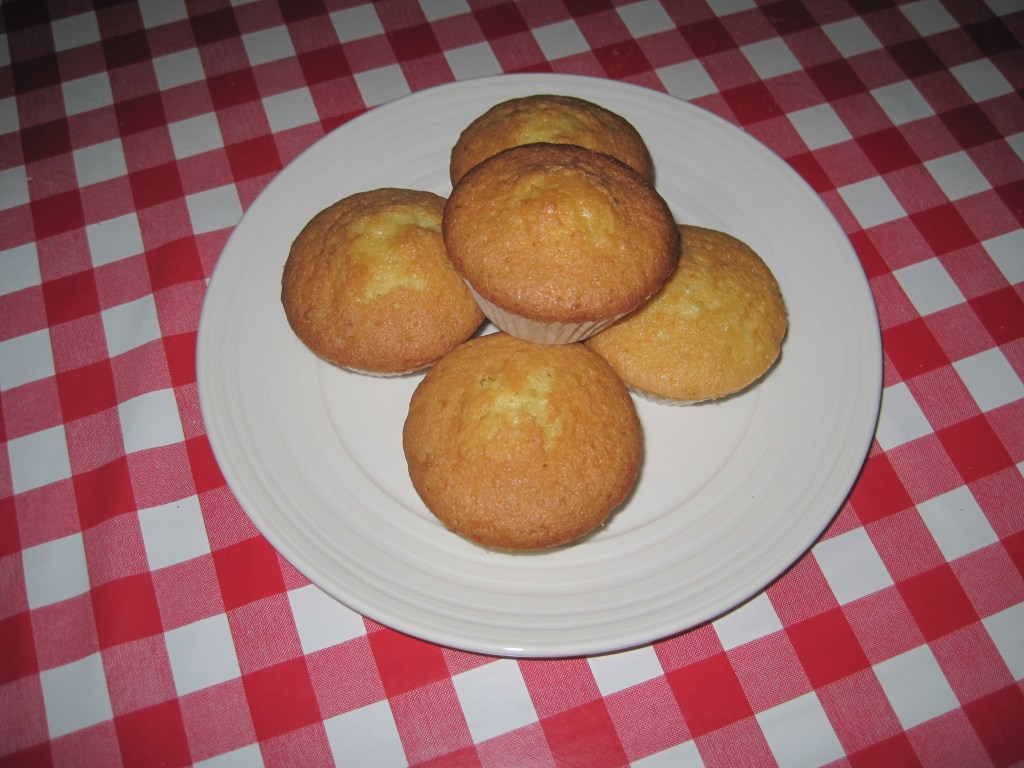
Before I know it, it will be time to think about making Christmas puddings. I make about a dozen individual puddings and freeze them. They only take about a minute and a half to thaw in the microwave and are a delicious treat after Christmas as well. My recipe for these is in my Earthy Homemaker’s Cookbook.
With you again in a couple of weeks. Bye for now and enjoy the changing season.


Ah, I do so enjoy seeing your name pop into my mail box, with your easy flowing, descriptive words and beautiful photographs. A wee question if I may about the cake recipe; if I melted butter instead of using oil, would that work just as well? Many thanks, take care, and I look forward to hearing from you again soon. God Bless Mo
Sent with Proton Mail secure email.
LikeLike
As always, a lovely post that is always so interesting. Your garden looks to be such a haven of peace and beauty…thank you for sharing it with us. And, as “Mo” said, I too get excited when I see that you have a new article posted!! Have a wonderful week Freda!!!
LikeLike